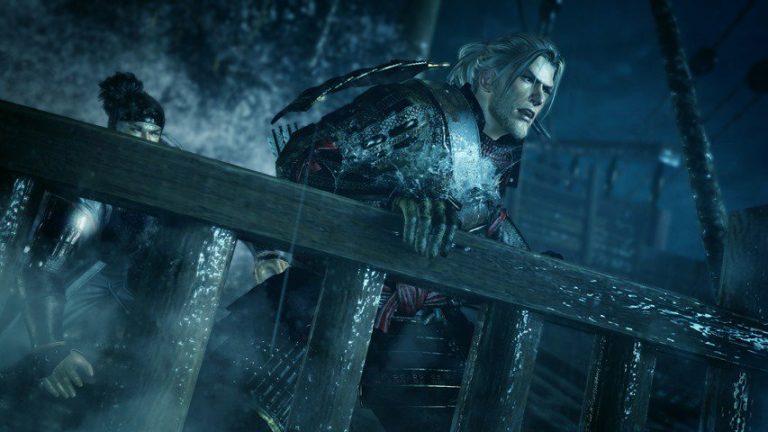
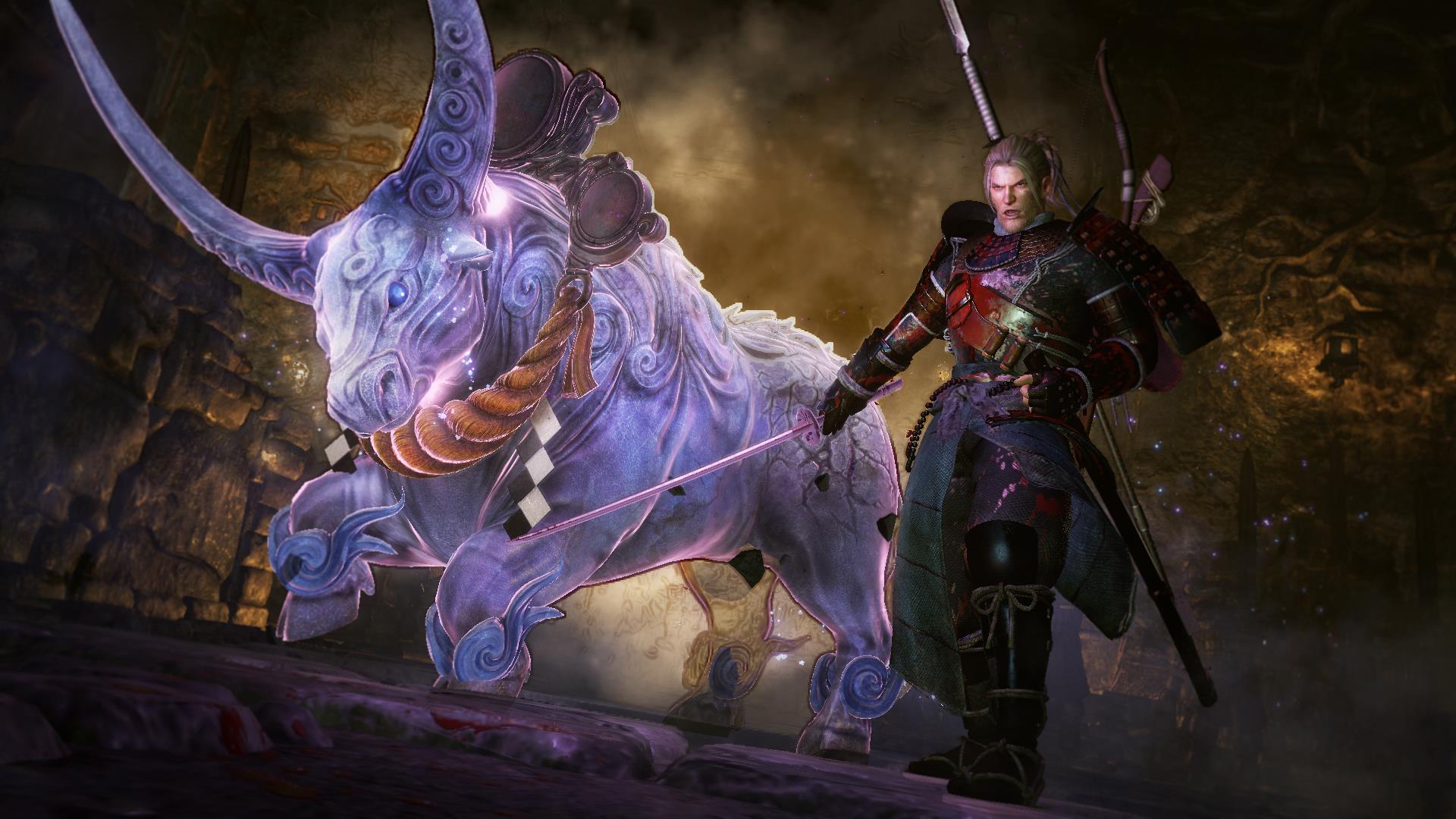
As you may know, Nioh was released recently by Sony and Koei Tecmo and in an effort to get fans excited about the release not only has the developer released the intense looking opening movie for the game but they have also released the third in a series of story trailers. This latest story trailer is called “Battle of Those Who Lived in the Darkness” and tells the untold history of William Adams, also known as Anjin Miura, who takes on a giant monster that was born from the souls of samurai.
You can check out both videos below and as for the game, Nioh is currently available for the PlayStation 4 in North America and Europe with the Japanese release of the title occurring tomorrow.
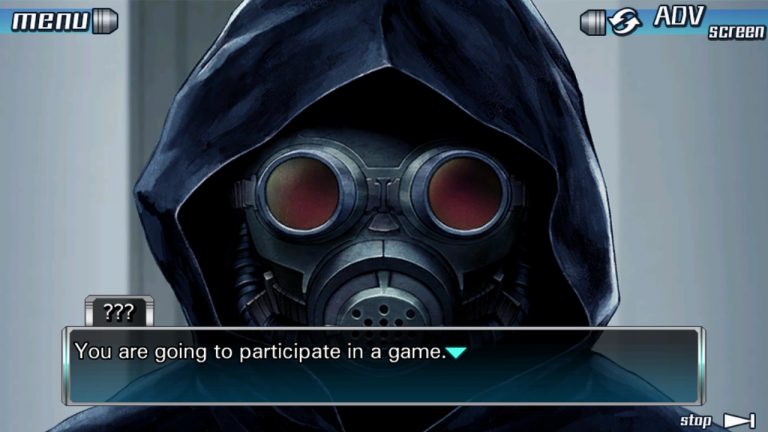
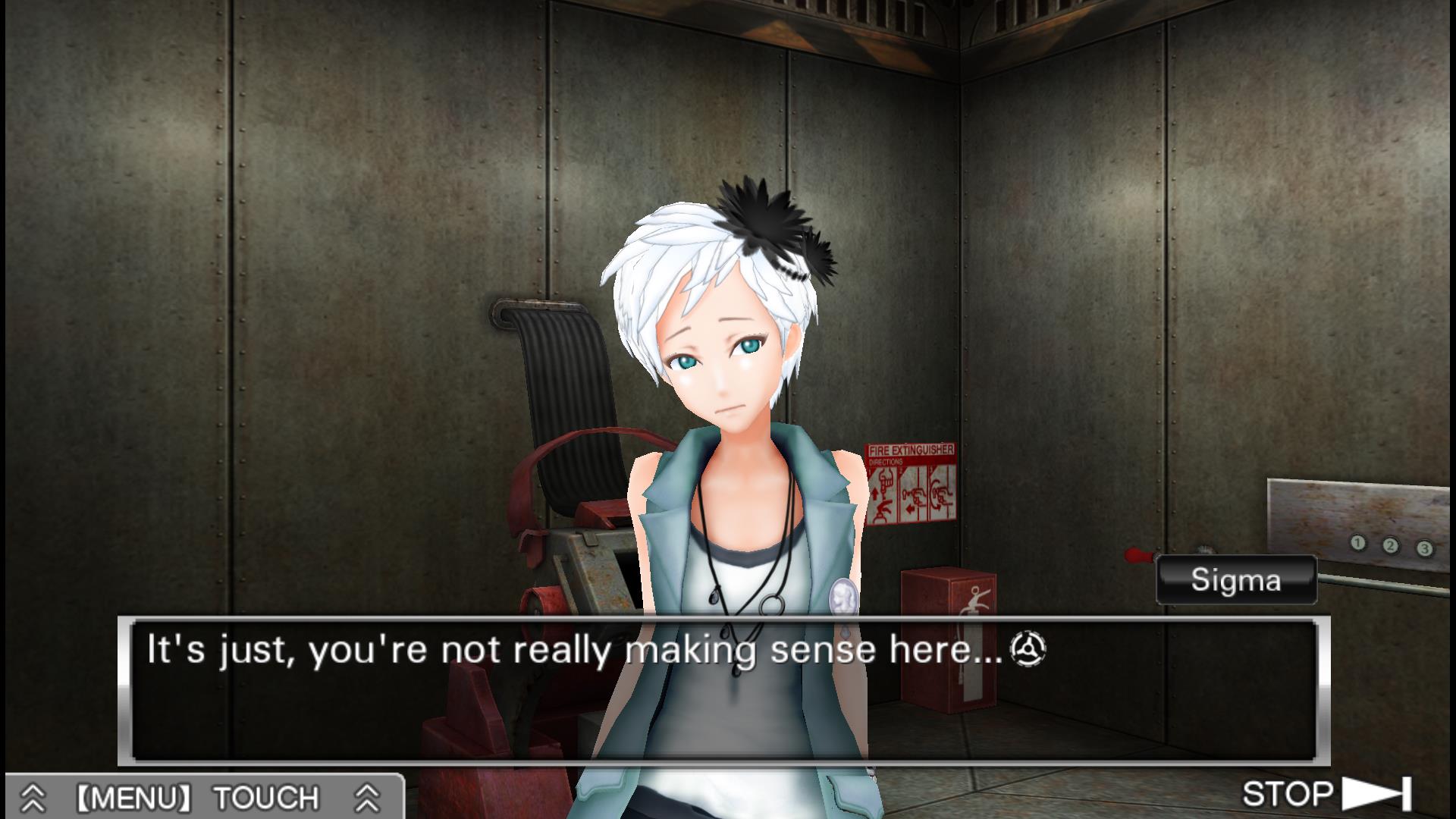
A few months ago we learned that Aksys Games were planning on releasing Zero Escape: The Nonary Games, a collection that combines both Zero Escape: Nine Hours, Nine Persons, Nine Doors and Zero Escape: Virtue’s Last Reward, for the PlayStation 4 and PS Vita, sometime this year and now Aksys Games has announced when we can expect to see that title available.
The company has stated that the PlayStation 4 and PS Vita version of the game will be released physically and digitally in North America on March 24th with the European release occurring on the same date for the digital PlayStation 4 version, with all other versions coming later in the year, meaning if you want a physical PlayStation 4 version or either Vita version in European regions, you will need to wait for Aksys Games to provide more details in the future.
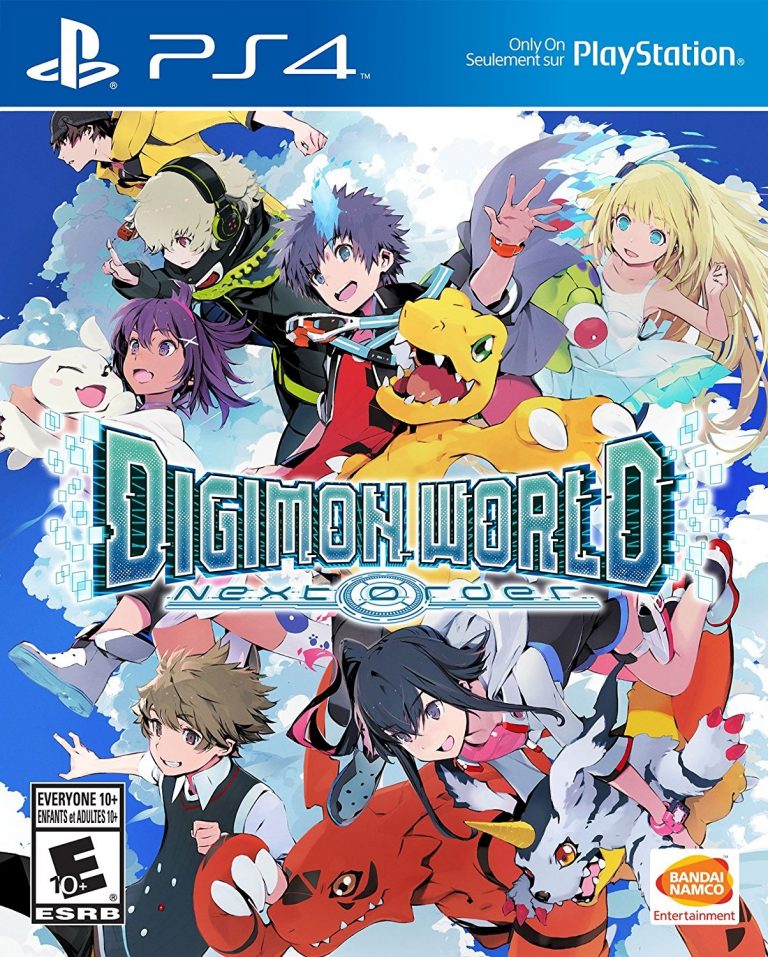
Digimon is one of those franchises that had its peak years ago in terms of popularity, yet still manages to retain its brand through the fans of yesterday via television and video games. After last year’s wonderful Cyber Sleuth, Digimon World: Next Order has fallen onto shelves, bringing a localization to those hardcore fans with an upgraded Vita port designed to flow on the Playstation 4. How does it fare? Let’s find out.
Story
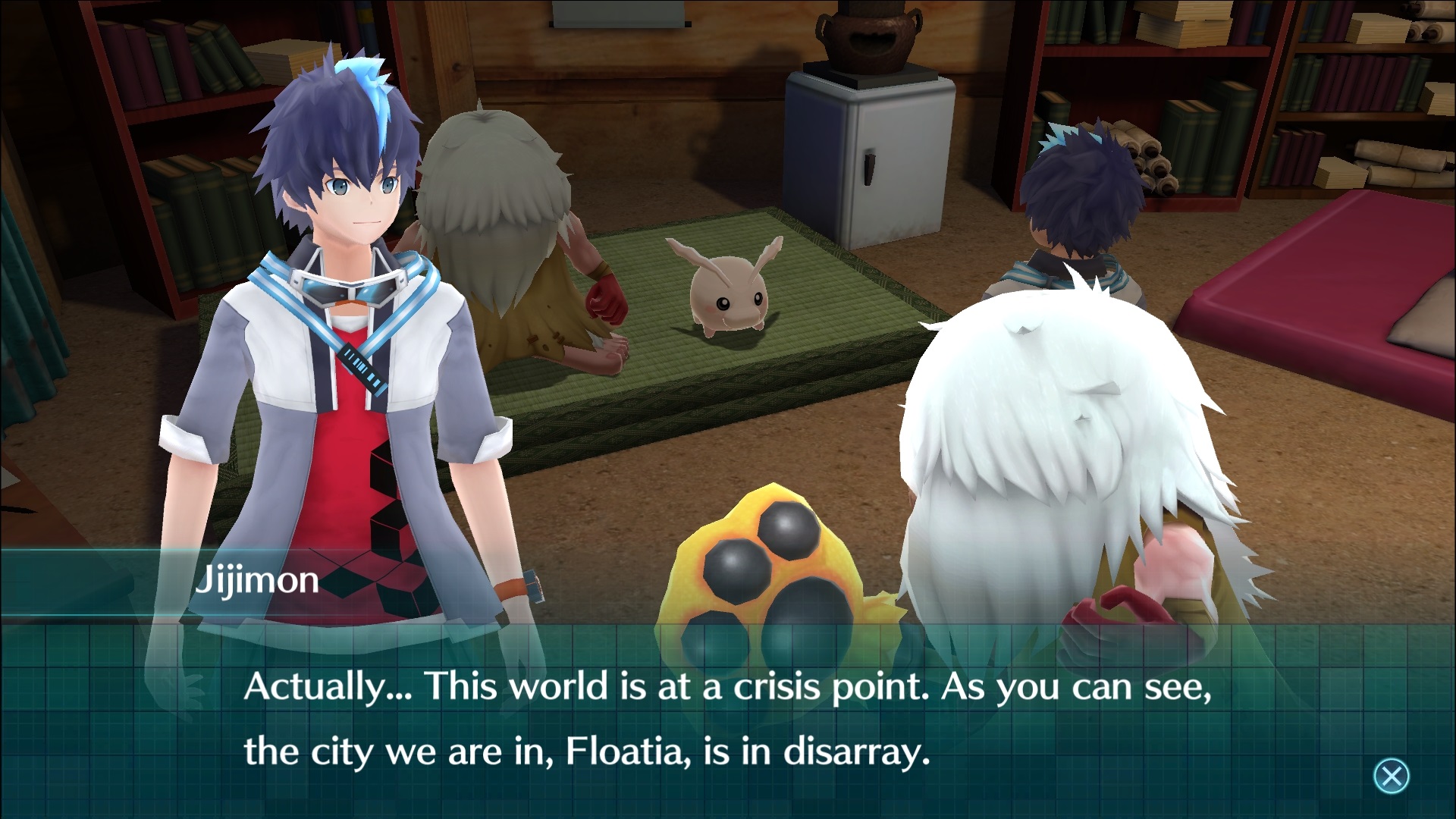
Digimon World: Next Order starts out by allowing the player to select a boy or girl (named Takuto and Shiki), who are young students that are transported to the digital world during a chain of events. After meeting Jijimon (a spunky little soul who acts as a guide for the adventure), the player then has to settle rogue Digimon in order to gain a way back to the real world. Yes, it is a stereotypical “exist because it has to” tale that isn’t too wonderful, but considering the premise of the game is to mainly raise Digimon, it fares just well enough to make this game feel complete. If you are a fan of Digimon, the atmosphere and world you are in will do most of the story-telling for you, so most who opt to go on this digital ride will not feel too in the dark with any event that occurs in the game.
Gameplay
Next Order kind of takes the old Digimon virtual pets and turns it into a much broader experience. I’m sorry, I said “kind of”. That is really what this title is all about and despite a lot of fluff, that is the game you are going to get – like it or not, with your purchase. I hate saying things like “you’ll love it or hate it”, but when it comes to the gameplay, there really is no other way to describe it. Do you mind roaming around and fighting Digimon? Do you like being on small missions and constantly being asked to take care of minor chores? That is what you get here.
Those chores mainly consist of training, feeding, and caring for your Digimon. For an example, one of the first missions you have to partake in is to take your team of two and go into the world, looking for Digimon to befriend and bring back to Jijimon’s small village. When starting, this kind of feels exciting. Exploring a whole new world is great stuff in any title, but then you see a little food icon above your Digimon’s head. Ok. Time to eat. Then the Digimon gets tired – so you sleep. Oh no, they have to go now, but the second one just become hungry – no the other one is tired now. It feels like you are performing this micromanagement game far too much and getting not enough reward for your actions. I get it. We all played with those little virtual pets back in the day, and they were fun. But, I think the focus is on that aspect a bit too much, taking away from the rest of the game – which isn’t too bad as a complete piece.
The town itself that you begin at is actually one of the most interesting parts of the experience. Players can bring Digimon back to this area, where they will be a part of the community, setting up shop – creating more items while upgrading the overall appearance of the area slowly as you progress. This means that as you move forward, the reward for progression is slowly creating a bigger world for your creatures to inhabit.
The Digimon themselves are definitely the largest draw for the game, as obtaining the right one will keep players glued in their seats for hours. Each Digimon has to be trained to grow stronger. While you train, the Digimon evolve based on stats, such as HP, MP, weight, and so on. Everything you do from egg to fully Digivolved matters when it comes to the path your Digimon will take, so one wrong move can easily put you with a less than ideal partner. Combat doesn’t exactly do a lot to provide incentive to grind either, as the battles are AI driven, meaning that the Digimon you have will perform maneuvers automatically. The only true interaction your character has during these segments is the ability to cheer on the Digimon with orders, which utilizes an “Order Points” meter that depletes as commands are issued. In other words, Next Order requires a fee for manual pilot in combat. Even then, the camera acts a bit wonky and the battles and despite looking amazing at points – can get hectic and messy quite fast. You’re either going to beat an opponent or you will lose, all based mostly on stats, so if you think screaming a command is going to provide anything other than luck, then you may want to pick a game with a more involved mechanic for that area. Transformations and other game changers such as ultimate moves can be called in battle, but those are more of a quick input deal, rather than just shouting at your team.
One thing I will give Digimon World: Next Order is its pride in its own complexity. This title does not seem deep from the start, but the massive amount of little stats to keep up with, Digimon to train, and little invisible checkboxes to tick before molding the ideal your experience are so infinite that fans will still be able to look past any flaws and spend a ton of time in this world. Sure, the timing system is tedious and Digimon die within 20 in-game days, meaning you constantly have to work to obtain the spoils, but much like any other title with heavy farming yet mindless monotony, Next Order certainly carries its weight well to keep the player intrigued, just because the rewards feel exciting enough to keep on grinding.
Visuals and Audio
Visually, Next Order is a nice looking title. The cutscenes of course look a lot better than the upgraded in-game visuals, but all in all, most will be content with what is on display here. The menus however still need work, and feel messy and cheap from the start. I don’t mean to come off as picky, but some titles just lack organization with HUD and menus to the point that it harms the accessibility of the said title. This falls right into that category. Animations could have used a little more love, but like the menus, most will not worry too much about how the lack some connections animations as they get used to it occurring.
The sound I actually loved. The music sounds familiar and the general soundtrack beams with upbeat tunes that pull out a great atmosphere for the whole experience. The voice acting is also well done, with our digital and human friends alike all sounding fully focused and in tune with the little story in the game. Yes folks, the voice acting here is what will make you get that nostalgia for the anime, as it simply adds another layer to keep fans immersed and entertained.
Overall
Digimon World: Next Order is way too complex for its own good – yet never feels so bogged down that it is a worse game because of it. Sure, there are flaws here. Many tasks are overdone, frustrating, and tedious, but if you are a Digimon fan, and I am talking to those hardcore fans who will spend hours to get a Greymon – then you have a great entry into the franchise that you can appreciate. To all others, you might want to test the waters before plunging in at a full priced purchase here, as these waters are much deeper than they appear.
BANDAI NAMCO ENTERTAINMENT AMERICA INC. TAKES GAMERS TO THE TRACK FOR THE MOST AUTHENTIC MOTORSPORTS RACING EXPERIENCE EVER CREATED IN PROJECT CARSTM 2
Slightly Mad Studios to Deliver the Ultimate Driver Journey to Virtual Racing Drivers in the Americas SANTA CLARA, Calif., (February 8, 2017) – Leading interactive entertainment company BANDAI NAMCO Entertainment America Inc., and Slightly Mad Studios, today announced their publishing partnership to bring Project CARS™ 2 to the Americas for the PlayStation®4 computer entertainment system, Xbox One, and PC via STEAM® in late 2017. Project CARS 2 features an expanded roster of over 170 cars and 60+ tracks, brand-new fan-requested Online Championships game mode, and additional racing disciplines – including ice, dirt, snow, and mud racing – over its critically acclaimed, ground-breaking predecessor (Project CARS™). All of this racing action can be presented at up to 12K* resolution graphics (PC) with VR support, making Project CARS 2 the most immersive and technically advanced racing simulation experience.
Created by gamers and fine-tuned by professional racing drivers, Project CARS 2 delivers an unparalleled racing experience to players of all skill levels. To achieve this goal, Project CARS 2 utilizes leading-edge visuals, precise car physics, and realistic A.I. designed to mimic a competitive driver’s heart and mind that is sure to challenge players. The use of Slightly Mad Studios’ proprietary LIVETRACK 3.0 technology enables the development team to create dynamic real-time weather & seasonal effects, track surface conditions & time-of-day changes, and implement advanced tire grip/wear physics into the Project CARS 2 gameplay. By combining these features with the highest performance driving machines in the world, Project CARS 2 will enable players to live-out their dreams of being a racecar driver.
“Project CARS 2’s authentic presentation of motorsports racing isn’t just cutting edge, it surpasses the cutting edge,” says Eric Hartness, Vice President of Marketing at BANDAI NAMCO Entertainment America Inc. “No other driving game or racing title can approach Project CARS 2’s level of visual fidelity, real-world physics, and intelligent driver A.I. These features combined with dynamic weather and track effects, refined controls, and an authentic love of competitive eSports guarantees players will be able to live-out their racing aspirations on multiple gaming platforms.”
“We’re thrilled to pull off the covers on our publishing partnership with BANDAI NAMCO Entertainment and finally share more details on our latest build with Project CARS 2.” said Stephen Viljoen, Game Director for Project CARS 2. “Our collective goal at Slightly Mad Studios is to create a simulation racing experience that rivals that of real-life. Realism and authenticity are central to our development mantra for Project CARS 2, hence we’re making sure we employ the best professional drivers, game developers, artists, and sound engineers to realize our vision for a game that takes players on the ultimate driver journey.” Project CARS 2 is currently rated “RP” for Rating Pending by the ESRB. Project CARS 2 will be available in the Americas for the PlayStation®4 computer entertainment system, Xbox One, and PC via STEAM® in late 2017. To find out more about Project CARS 2 please visit: https://www.bandainamcoent.com/games/project-cars-2. To learn more about BANDAI NAMCO Entertainment America Inc.’s other products go to: http://www.bandainamcoent.com/home.html or follow us on Facebook at https://www.facebook.com/BandaiNamcoUS or join the conversation at https://twitter.com/BandaiNamcoUS.
*12K resolution is achieved through linking three 4K PC monitors together to present a panoramic driver’s view.
Experience has announced that they are going to be localizing New Interpretation Stranger of Sword City for release on the PlayStation Vita in North America as a digital only title. Upon release on February 28th the game will be called Stranger of Sword City Revisited and will cost $29.99.
Stranger of Sword City Revisited is described by the company as using the PS Vita release as the base of the game and has been revamped with new classes, reworked combat & gameplay system, items and additional dungeons for players to travel through. The company also has stated that while the game’s story will mostly be the same, there will be some new story events added to spice things up.
The company also has announced that since worldwide shipments of Stranger of Sword City series have reached the 100,000 mark, the company will be selling the Xbox One version of the game at a 75% discount starting on February 28th to March 6th and also on Steam for $19.99 at the same time.
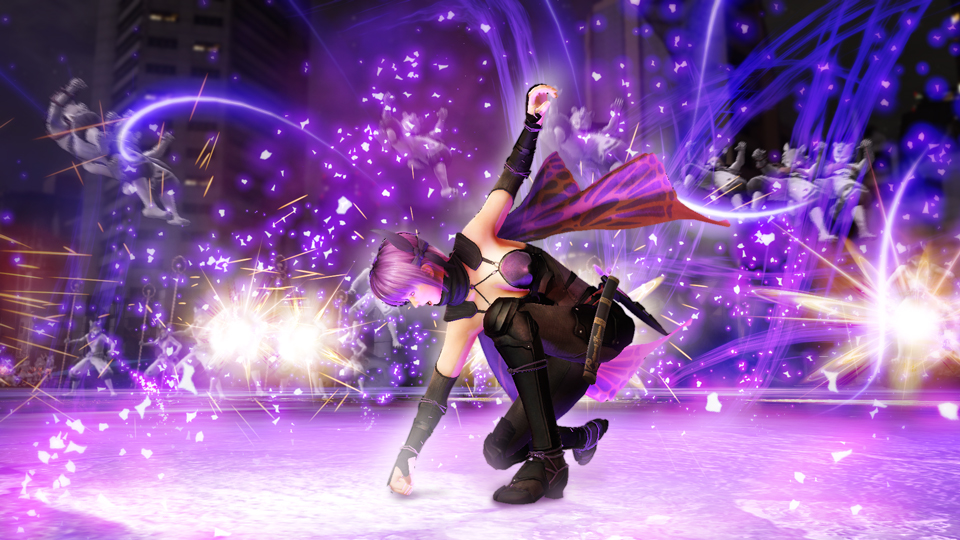
It looks like Koei Tecmo is picking up the pace when it comes to showing off what their characters will look like in action when in Musou Stars. The company had only recentl announced that Ayane, Arnice, Christophorus, and Tokitsugu would be added into the game and now they have released trailers showing each of these fighters off.
For those who haven’t heard of these fighters, Ayane is from Ninja Gaiden and Dead or Alive, and both Arnice and Christophorus are from Nights of Azure while Tokitsugu is from Toukiden 2. You can check out the videos below and as for the game itself, Musou Stars is set to be released on March 30th in Japan for the PlayStation 4 and PS Vita.
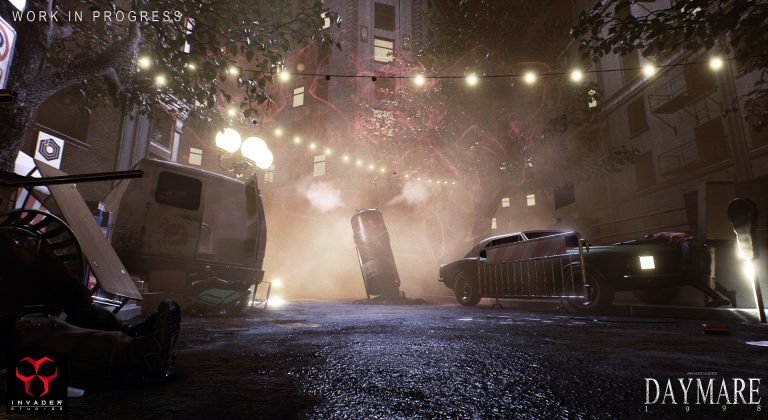
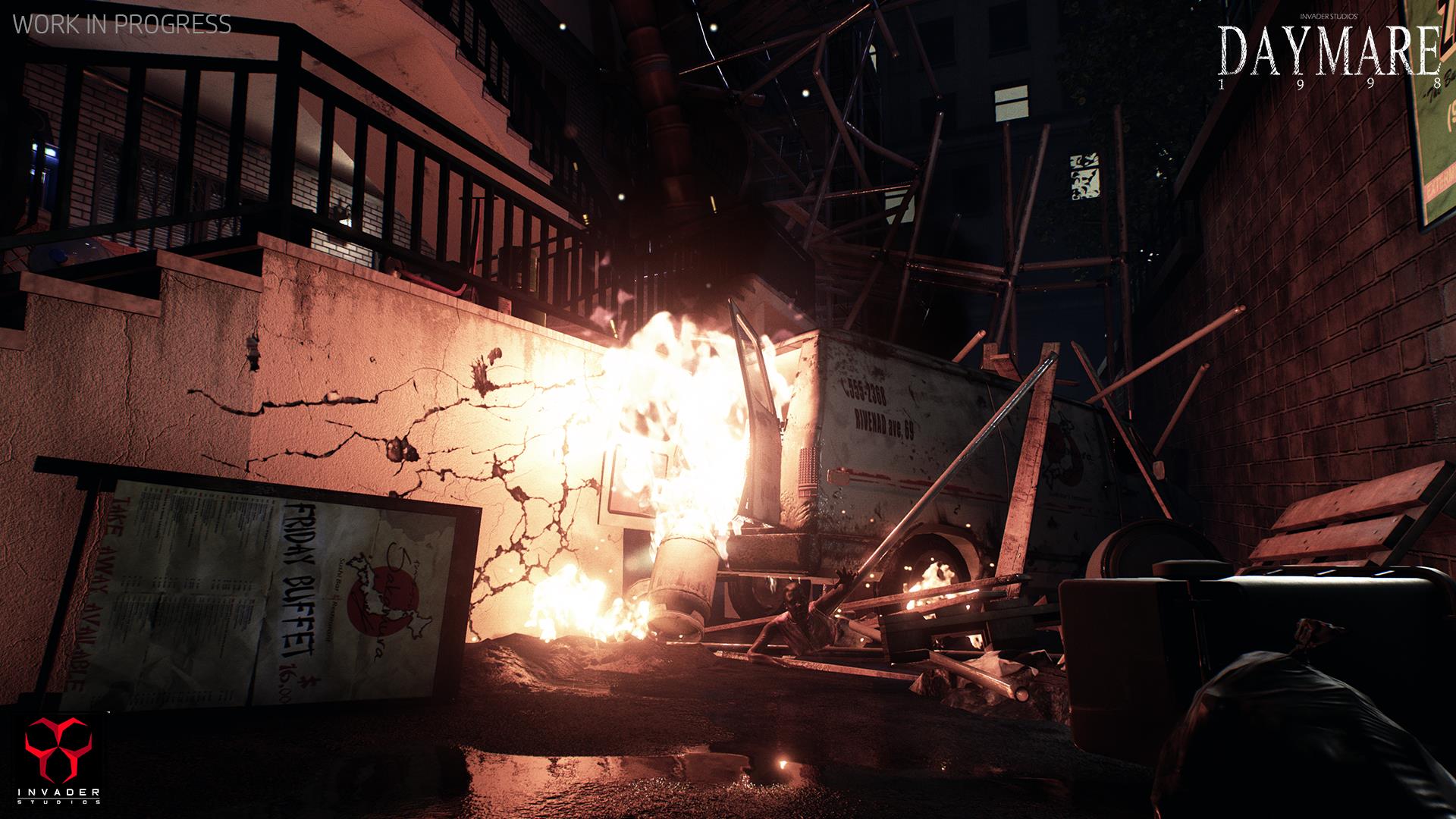
Late last year we learned that Invader Studios was planning on bringing their new horror game, Daymare: 1998, out sometime in the future and they even had a bit of preview footage to show at the time. Now we know a little bit more about the game as the company has announced that they will be launching a Kickstarter for the game on February 15th. The company did not state how much they are aiming to earn but did state that a digital version for the game will be obtainable with a pledge of 15€.
Those who donate that much will also be given their name in telephone books near the call boxes/save points scattered throughout the game. Considering the game is set in 1998, there will also be some special “scary rewards” at the magical numbers of ’98 and 1998.
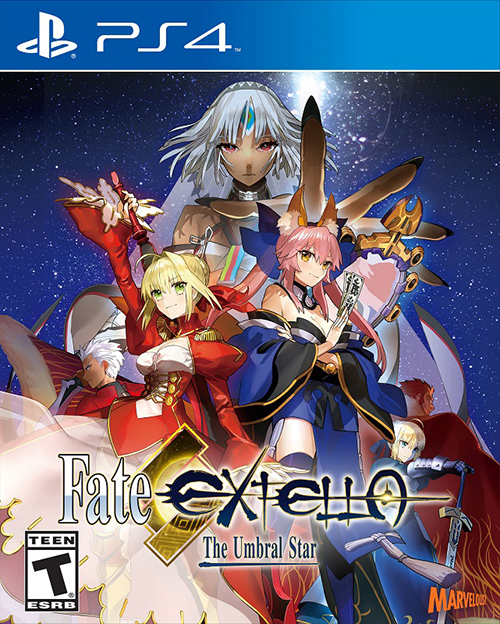
Few would have guessed that when Fate/stay night was released as an adult visual novel over a decade ago that the series would expand as far as it has today. What originally was a Japanese exclusive series, and still is in many ways thanks to numerous games, anime, manga adaptations, and more, has made its mark in the West over the last few years and now XSEED Games has brought Fate/Extella: The Umbral Star to fans eager for more. With a different playstyle from previous Fate games, is this entry worth picking up?
Story
Fate/Extella: The Umbral Star begins after the Holy Grail War has come to an end with Saber Nero and her master (praetor as they are called) being the victors. With players taking the role of her nameable master, the pair are given full control over the Moon Cell Automation computer and as proof of their victory Nero is given the Regalia ring that allows her to command former enemy servants, the spirits of heroes throughout the ages, as her own.
Unfortunately for Nero, her and her master barely have a chance to examine their new realm when they learn that the digital world of SE.RA.PH created by the Moon Cell Automation has been intruded upon by others that also possess Regalia Rings. As such it is up to Nero, paired with her master, and the few Servants that still obey her to take to the battlefield and conquer what is rightfully theirs.
In context the events described make a decent amount of sense and even if you aren’t completely familiar with the aspects of the story, Nero attempts to provide some background information at the start but that doesn’t meant that those unfamiliar with the Fate series, or those that never touched Fate/Extra on the PSP, will be able to immediately grasp some of the finer parts of the story here and this can lead to a bit of confusion and unfortunately the title does little to really explain these elements to newcomers who will initially be put off by the many unfamiliar terms that are easily tossed around.
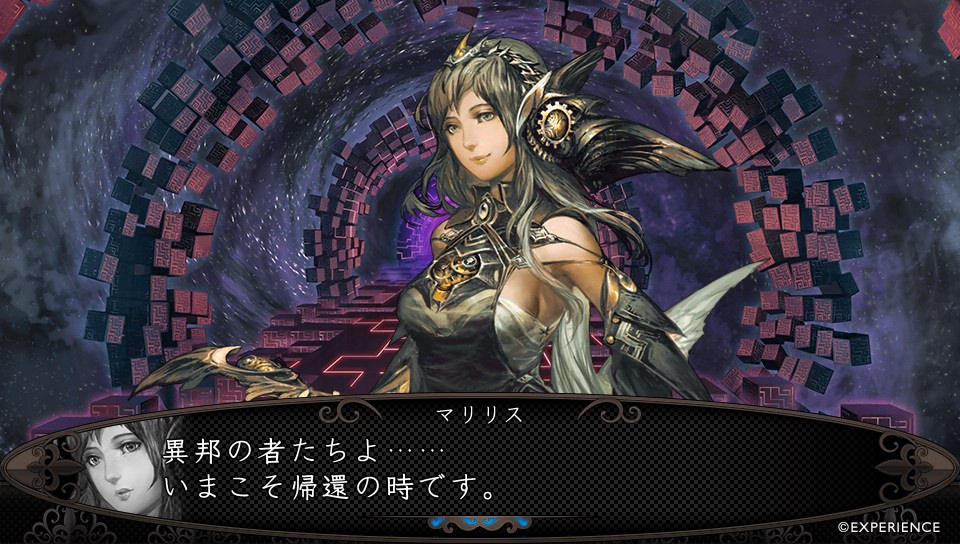
That being said, Fate/Extella: The Umbral Star’s storyline is very enjoyable once it gets going as this is a game that is something of a split between action game and visual novel. This means between every battle section there is quite a bit of dialogue as the story unfolds and the player interacts with their current Servant in order to grow their bond level by selecting various dialogue choices. Higher bond levels allow players to equip them with more passive boosts as well as the potential to unlock special unique scenes. The story features quite a bit of explanation as you progress through it so things that may catch familiar fans off guard is generally explained over time and considering players unlock additional full storylines following the viewpoints of a certain tailed Caster class and white haired Saber class, as well as small side-stories for the lesser featured Servants, and you’ll find that there is quite a lot of content to enjoy here for fans of the series’ lore and characters.
Gameplay
Once you get through the various visual novel segments that split up the game’s action, players will find that Fate/Extella: The Umbral Star is quite similar to many other Musou styled titles. By selecting a mission they wish to partake in, the difficulty of said mission which also presents players with a recommended character level, and opting to take on various side-missions to raise your bond with the Servants in your group, players will eventually find themselves on a battlefield controlling their main Servant and tasked with, almost always, controlling most of the areas on the map.
You see, each area in a battlefield contains a certain number of keys that are used to eventually conquer an area in SE.RA.PH and generally the final boss (enemy general) won’t make an appearance until you’ve obtained a certain number of keys. This means that taking a certain area might provide the player with only one and another could gift them with five. The problem is that thanks to some fairly poor ally AI, the battlefield never feels entirely safe for the player despite the actual combat being simple to understand.
I say this because thanks to “Plants” that send enemy forces to invade friendly areas your own allies will almost always fall to an invasion unless you intervene. This means that not only must players often prioritize capturing high rated areas by defeating the “Agressors” that spawn once a certain number of fodder soldiers are defeated in the area, but also take out the Plants because areas that are being invaded do not count to your total, often leading to warning messages that the enemy is about to complete the Regime Matrice, all while making sure to avoid certain traps that tend to be laid out, though the player is often warned beforehand about such traps.
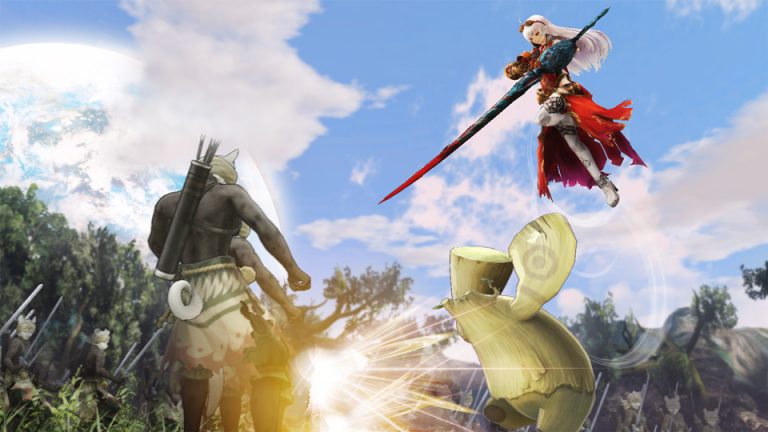
Combat in the game, as mentioned before, is incredibly easy to understand and master as players will find that each character has light attacks and heavy attacks that can be combed together into different move strings, special moves that take up parts of a refillable gauge, and even certain characters (the ones that players will likely be controlling the most) have the ability to transform into Moon Crux forms that increases their stats, changes up their attack strings, and makes their attacks nigh unblockable. This makes for an easy to learn and master combat system that is incredibly fast feeling with enemies spawning in quick enough and in enough number that combos over 2,000 are quite frequent and kill counts over 10,000 are more than feasible.
In fact, an ultimate move that has the ability to nearly clear an entire area is also available, but while extremely powerful it has a drawback. Not only is the Noble Phantasm move only available once per battle, players must gather three items around the stage before it can be unleashed and while it is certainly possible to dash from area to area while dodging enemies, its generally not worth the extra effort unless you begin to really struggle and as mentioned before, this is entirely possible if you don’t manage the battlefield well enough.
The generic enemies you battle against often offer very little challenge but facing off against enemy Servants is another story. They often have special quirks about them and can utilize some incredibly devastating skills that may leave the player backpedaling a bit to use an item from their raiment. These battles tend to be quite rewarding and are often the highlight of any stage. As for the raiment, players will unlock various materials and in-game currency that can be equipped to give the player various boosts that can be used in battle ranging from healing, boosting stats, swapping to an ally, or even creating decoys though since players are not able to select specific skills when creating a piece of equipment, sometimes it is best to choose what fits your playstyle or a stage even if it may not be the best available at the time.
Outside of the main story mode there are side-quests that place the player in the shoes of the other Servants to experience a personal story for them and try out their special moves, a Free Battle mode that simply allows you to choose to fight as whoever you wish, and that is unfortunately about it outside of plenty of bonus lore material to delve into for fans of the series.
Visuals & Audio
While Fate/Extella: The Umbral Star always runs at a fast pace and the action is quite impressive to see thanks to the flashy moves that the Servants are capable of unleashing, the biggest issue players will encounter happens to be how repetitive many aspects of the game feel. Thanks to the very small number of stages available and their, for the most part, uninspired designs many of the battlefields will feel incredibly similar to one another and it doesn’t help that outside of a few later instances, the generic enemy types tend to be incredibly bland in nature and are rarely a threat.
Thankfully thanks to the style of the main characters and the artwork used in visual novel segments, players will still find quite a bit to enjoy in the core aspect. As for the soundtrack and voice work, it is worth noting that almost everything in the game is voiced in Japanese with English subtitles as only the player character is left unvoiced. The soundtrack features quite an array of memorable sounding tunes that fit well with the fast paced action of the battlefield as well as the more dramatic moments of the story.
Overall
Fate/Extella: The Umbral Star’s fast-paced combat controls incredibly well and makes your Servant feel like a real devastating force on the battlefield combined with an interesting story that will delight fans delivers an incredibly satisfying experience. Unfortunately it tends to be dragged down by poor allied AI, repetitive battlefields, and bland standard enemies that rarely change up the nature of combat outside of a few key moments of the game and during Servant encounters.
Developer: Funcom Publisher: Funcom Platform: PC (Previewed), Xbox One Release Date: 31 January 2017 (PC), Spring 2017 (Xbox One) Price: $29.99 USD – Available Here
Funcom is taking a second go at the Conan IP with the new open world survival game Conan Exiles. The game hit Steam Early Access at the tail end of January and is scheduled to launch on Xbox One Game Preview in Spring 2017. In Conan Exiles, players take on the role of a condemned criminal left to die by crucifixion. After being cut down from the cross by Conan the Barbarian, the player must scrape together what little resources they can to survive… and then thrive.
We had a chance to test the first few builds of Conan Exiles on Steam Early Access. The patches are coming out hard and fast right now as the game is still very much in active development. Funcom believes the foundational structure of the game is in place. The future will bring new features, balancing changes, optimization, and of course bug fixes.
Conan Exiles is playable on dedicated servers that can be run with PvE and PvP rules or locally hosted servers for either singleplayer or co-op modes. Funcom has opted to provide a lot of flexibility to server hosts on how to balance their game. Everything from resource spawn rates down to maximum clan sizes can be tweaked. This is especially important as the game’s resource costs needs some balancing, so server side scaling serves as a good stop gap measure.
While open world survival titles are not exactly known for having rich lore, Conan Exiles is in the position of being set in an IP with a very long history. Funcom has opted to provide a good bit of storytelling in a very hands off sort of way. The game’s items come with some descriptions that may share a few snippets of lore, and players may stumble upon journals or notes that help give the world a little bit of colour.
Conan Exile does not stray too far from the basic open world survival template. Players will need to manage their health, hunger, and thirst to stay alive. While hunger and thirst are topped up with food and drink, health follows the standard regenerating health system made famous by Call of Duty 2 and now used in most video games today. Health regeneration is on the slower end of the spectrum, though there are certain consumables in the game that can help speed things up a little.
Players gain experience as they scavenge resources, craft items, and kill enemies. When they level up, players get separate points to invest in improving attributes and purchasing crafting recipe. The system gives players a good bit of progression in the game. Players start with crafting items from sticks and stone. As they progress up the levels, stronger attribute scores and better equipment will allow them to journey deeper into the map where stronger enemies and rarer materials are found. It is clear the game is freshly released as the gap between stone and iron needs balancing. A large amount of iron is needed to begin crafting proper weapons, but the iron often spawns behind enemies that are quite challenging. In my testing, two people often had to resort to kiting a few enemies out of camps at a time just to clear the camp.
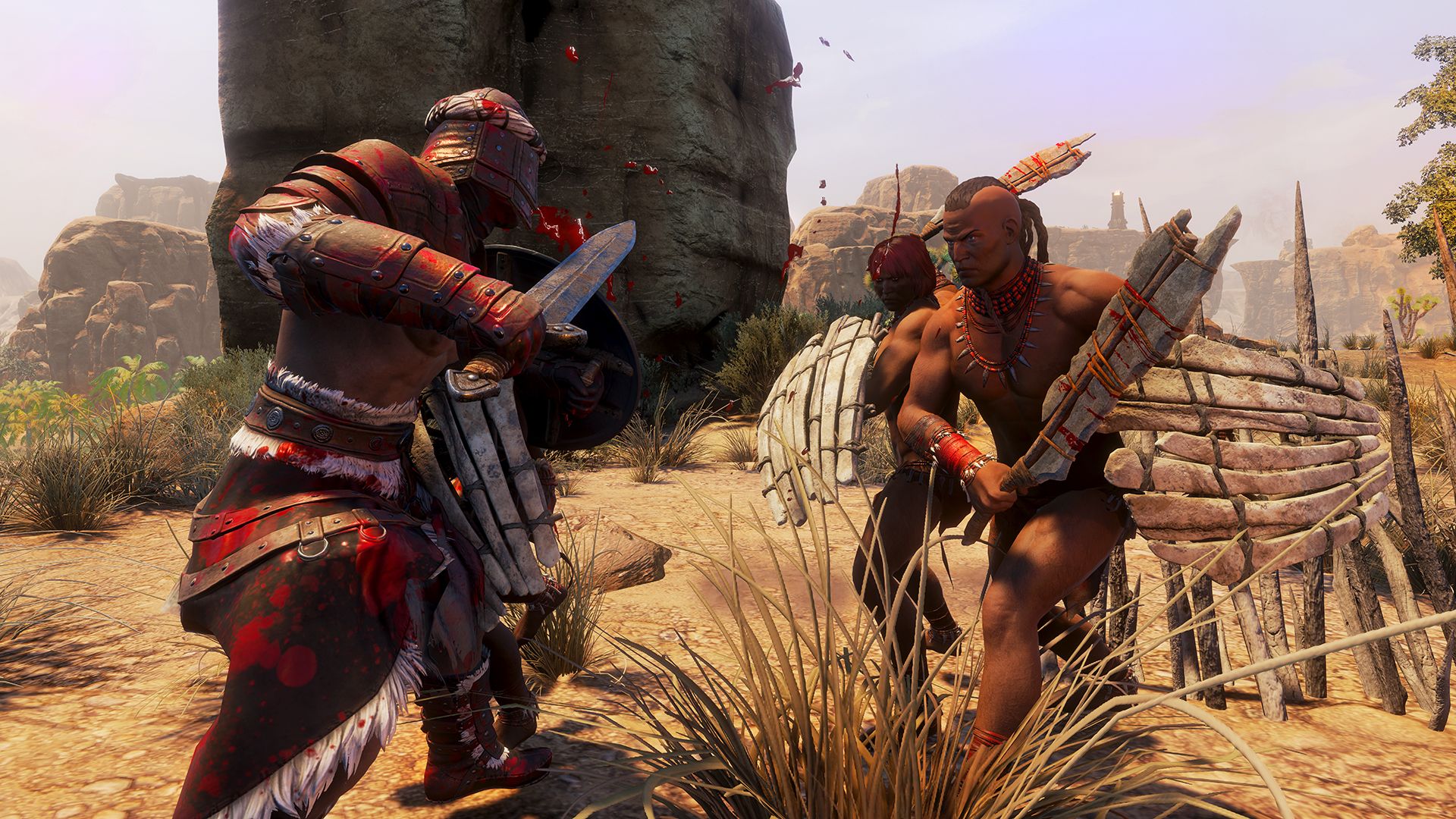
Conan Exiles packs quite a bit of PVE content in the game. Even when playing on a PVP server, a large portion of the game is dedicated to fighting off NPC enemies that wander around the world. There are plenty of animals and humans to kill in the game, so the world still feels lively even in single player. One of the game’s more novel mechanics is the ability to knock out human NPCs and take them as thralls. Each NPC has their own specialty and provide players with services such as guarding the base or crafting special items.
Conan Exile’s religion system provides another avenue of progression. There are currently four deities in the game. Players select which deity to worship at character creation, allowing them to build an altar to the deity where sacrifices are offered. Players who are uninterested in the religion system can choose Crom, who is treated as the agnostic deity by Funcom. The rewards for worshipping a deity can be great. For example, Mitra can reward players with healing items and Set’s followers can turn snakes into arrows. Since the amount of sacrifices needed to progress in the religion system is so vast, religion will likely remain the domain of clans. Due to the fact the religion system will tend to favour groups working together, players are able to choose new deities to worship by spending recipe points to unlock the altars of other deities.
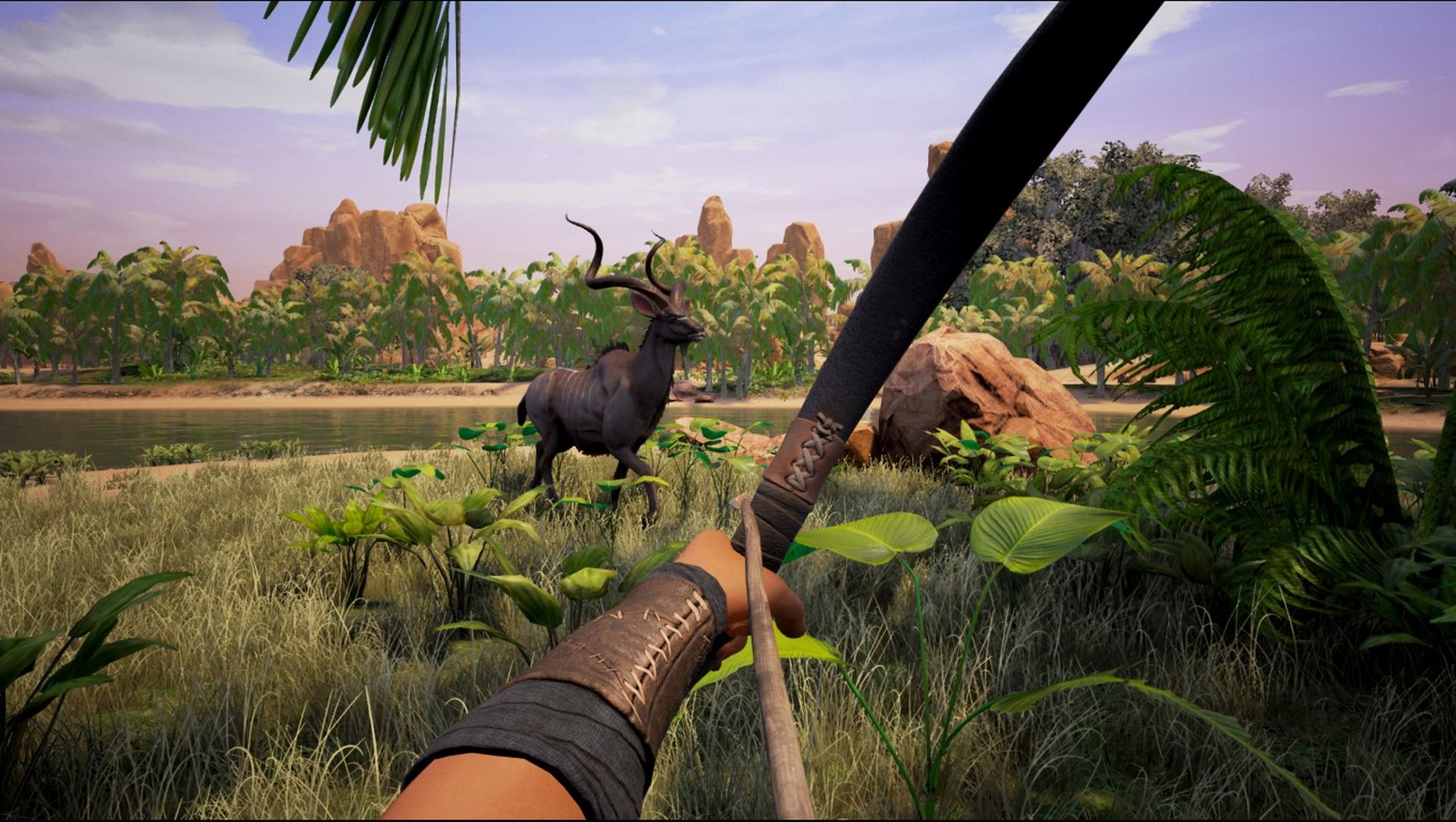
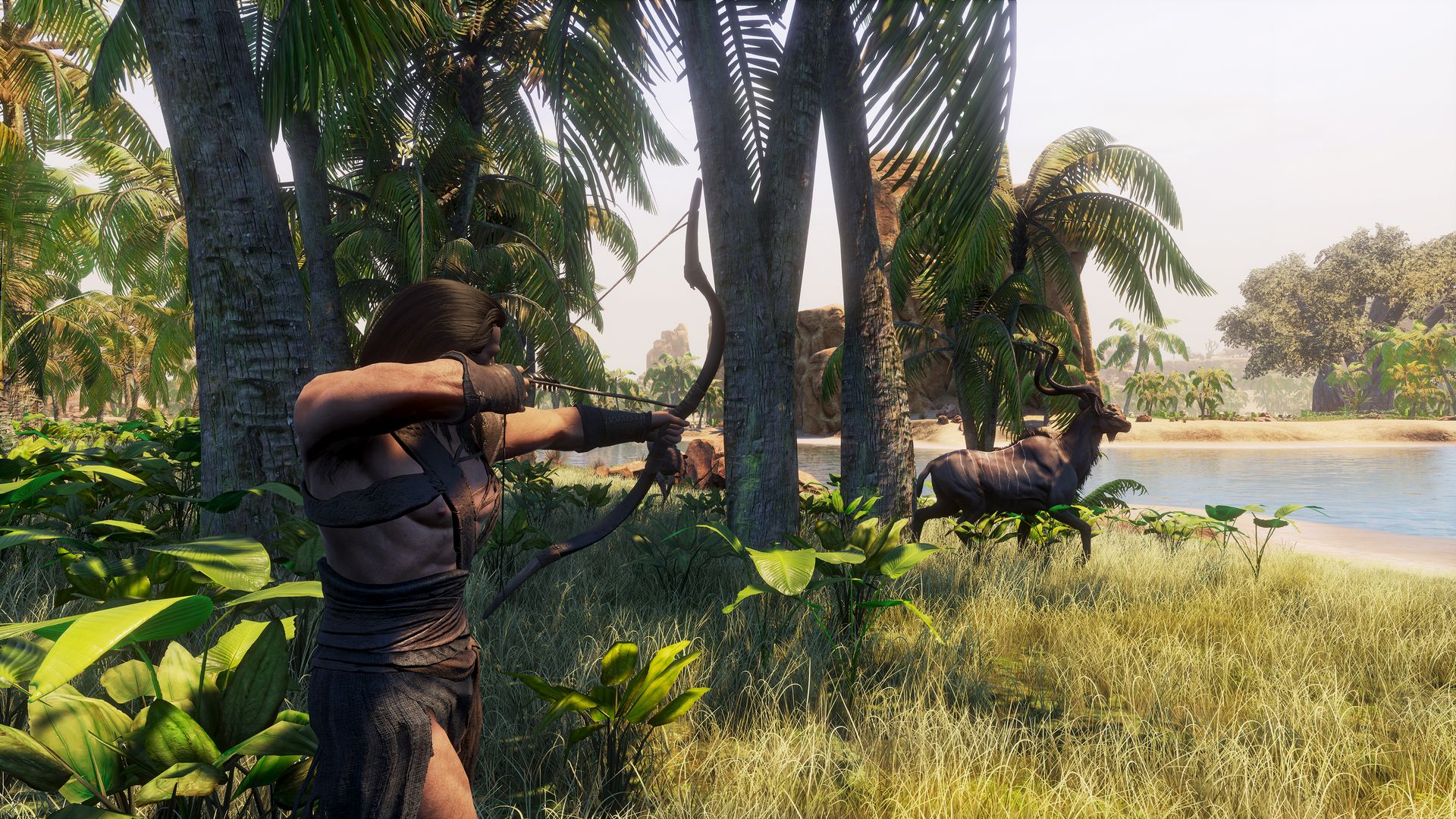
Combat in Conan Exiles is a mix of melee and ranged weapons. Players have the option of equipping two one handed items, such as swords and shields, or one two handed item, like a bow. Melee combat seems to lean towards dodging and attacking right now, as the timing for shields needs to be improved. The bows seem to be a little better balanced at this point, especially for PVP. Players are able to strike at range, but the ammunition is extremely expensive.
Funcom has a lot of work ahead of them still as Conan Exiles is very much an in-development Steam Early Access title and is no where near a Beta ready state right now. While it is way too early to pass judgement on Conan Exiles, the game has the potential to provide an interesting experience, especially for those who want play an open world survival game with friends without the pressures of PvP. Funcom plans on spending the next 12 months preparing Conan Exiles for launch, plenty of time to turn the game into a compelling option in a crowded market.
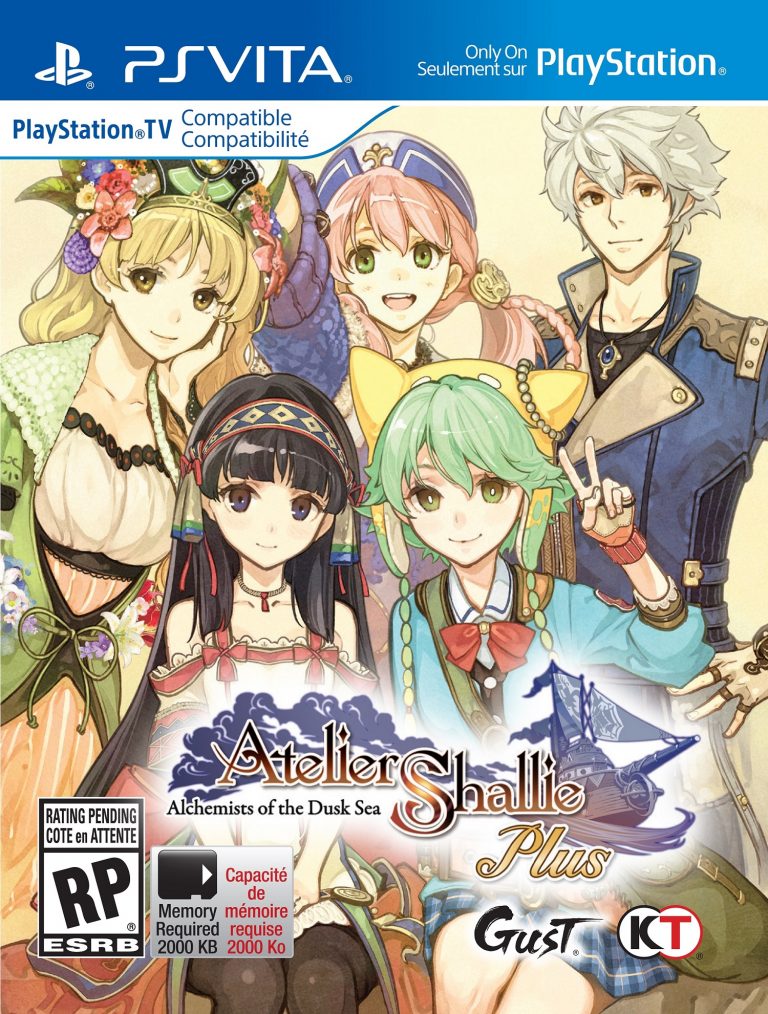
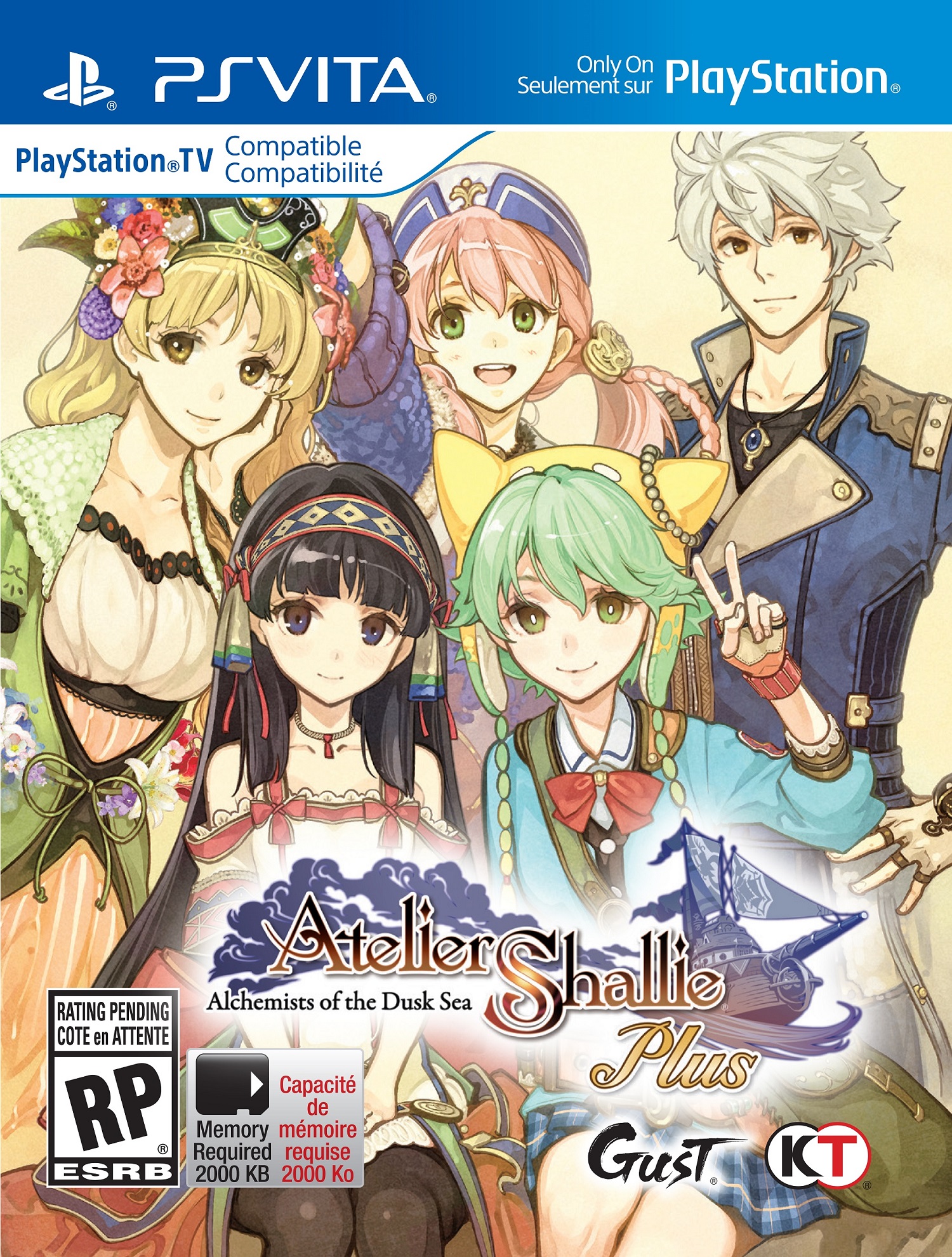
The PS Vita has always seen quite a bit of activity from the Atelier series as Koei Tecmo would release “Plus” versions of previously PlayStation 3 exclusive titles generally within a year and a half of release. This may be coming to an end as the latest set of Atelier games have been released on multiple platforms at the same time but we still have Atelier Shallie Plus: Alchemists of the Dusk Sea. Originally released in the West back in 2015 as the final entry in the Dusk trilogy, how does this game handle on the Vita?
Story
Set after the events in Atelier Escha & Logy, the world has continued to suffer from desertification to the point that many areas are soon to be inhospitable. With the land becoming destitute, a girl named Shallistera, the heir of her clan, sets out on a journey in order to try and find a way to restore the land and prevent her tribe’s water from drying up. At the same time, a spunky city girl named Shallote is trying to find her place in the world and a goal she should strive for.
With both girls nicknamed Shallie, and calling each other Lotte and Stera, it is up to players to decide which of the two characters they wish to be the main character of their game. It is worth noting that while a number of aspects and various events in each heroines’ storylines are unique, which means the game is ripe for a second playthrough to see the story from a different viewpoint and experience new events, that a large amount of events take place when both Lotte and Stera are present.
Interestingly enough, it is also worth mentioning that Shallistera’s storyline is a bit friendlier for newcomers to the story as well as some mechanics while Shallotte’s events feature numerous references to past events in the series. That being said, the story still remains rather strong here thanks to a likable core cast and well developed main characters.
One of my key critiques about the original release of this game was the fact that a large number of story elements and plot points were left with unsatisfying explanations or completely ignored such as the origin of the Dusk and why it swept the land. Thankfully this issue has been rectified in this version of the game. While there is still a certain lack of urgency now that the time limit has been removed from the game a number of new story chapters have been added into the game to provide extra explanation and details into the game’s story that were sorely lacking in the original. Combine this more solid conclusion to the story with the addition of Ayesha and Logy added into the game as playable characters that have their own little snippets here and there and you’ll find that Atelier Shallie Plus manages to deliver a satisfying conclusion to the trilogy.
Gameplay
Atelier Shallie Plus remains similar to Atelier Escha & Logy, especially in regards to the combat system and alchemy system which, both of which retain the same basic changes made in the last game only to be refined a bit more this time around. As usual with these Atelier titles, players will be spending most of their time gathering ingredients through gather points as well as a few new mechanics added into Atelier Shallie, fighting enemies to gain ingredients from them or to complete quests, and synthesizing items using all of the ingredients you’ve gathered and the recipes you’ve learned in your journey.
The alchemy system remains continues to be streamlined with many of the basic mechanics being very familiar to those who have played the titles before. Through the use of using high quality ingredients and aiming for special elemental values, players will be able to unlock special enhancements that will make them more effective while Shallie can also use various abilities she has unlocked to modify the outcome of the synthesis and give players more control than before while presenting it in an easy to understand manner.
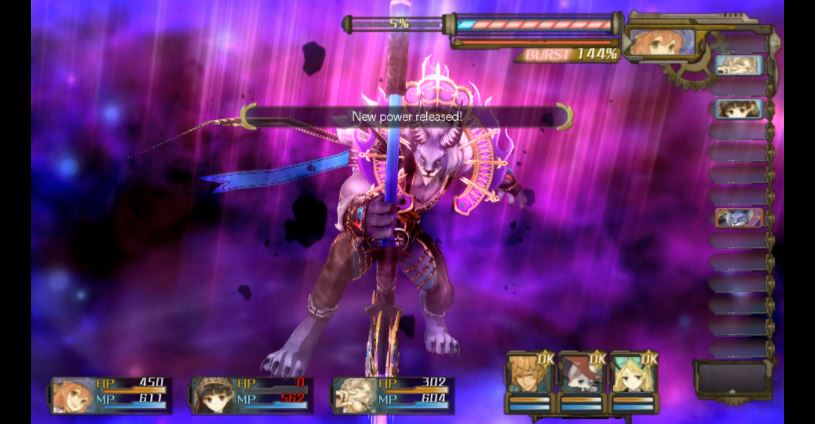
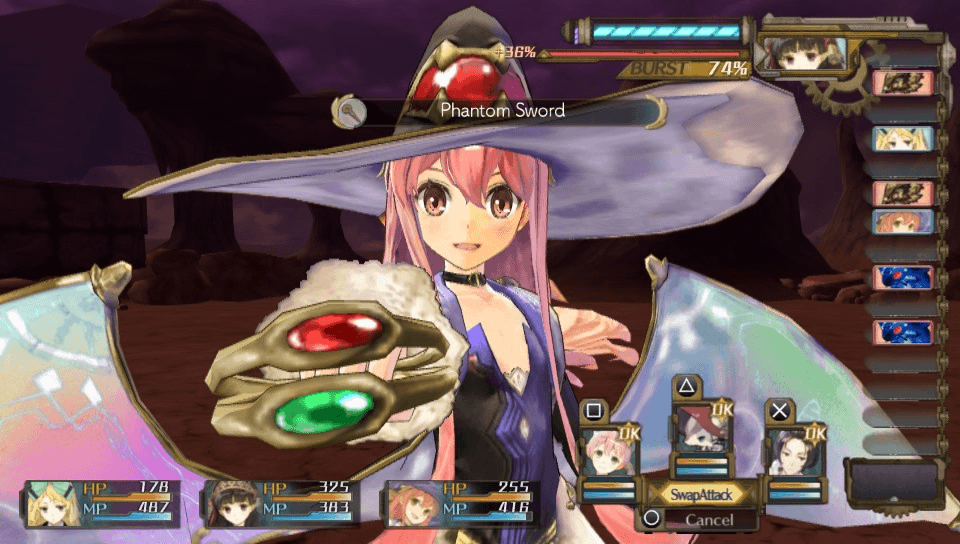
As far as the combat goes, the combat remains the same six player affair as before; with three combatants fighting at one time while the other three wait in reserve. Now unlike the past system, a number of enjoyable changes have been made to make combat flow faster and offer players more options. Rather than force players to resort to a single support meter, each back-up character will have their own meter that will fill up over the course of the battle and can be brought in either to defend an ally from an attack, add extra punishment by attacking after an ally, or switching into the fight making combat even better than it was before.
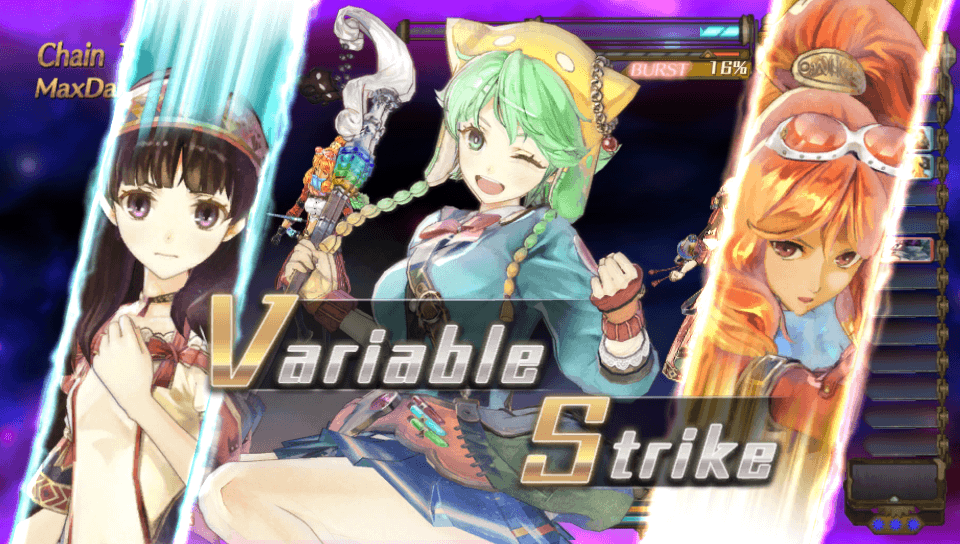
Another new feature is the Burst mechanic. At the top of the combat screen a meter will fill up that will allow players to trigger a Field Burst when filled. The Field Burst allows the player to select a certain member’s special ability to take effect during the fight and this can drastically change the way combat unfolds as these boosts range from auto-reviving from death, to recovering large amounts of health and MP, to buffing the party’s statuses and even triggering a large Variable Strike with a unique animation.
Now earlier I mentioned that the time constraints that the series is known for had been removed and that is indeed the case. No longer will players have to worry about balancing their time properly while worrying about if they are taking too long of a journey in order to gather materials or face off against a boss. This does open the game up a bit for those who were concerned about the time constraints limiting their options but it also removes any sense of urgency or feeling of structure to the game’s storyline as players can gather ingredients and synthesize in a manner that would have sacrificed a two weeks’ worth of time in past titles.
What replaces the time system is a far less restrictive “Life Task” system that will see the player taking on requests, including side-character development quests, and accomplishing various goals in order to progress to the next chapter in the story. These goals can be anything from synthesizing a certain number of items, to cleaning up garbage or harvesting items, to slaying a boss enemy in a dungeon.
Many of these tasks reward the player handsomely, so much in fact that overdoing these tasks can lead to the player being a bit overpowered which leads to some disappointing fight sequences until the enemies catch up to the player. Thankfully considering there are new dungeons and boss encounters to challenge in this version of the game, players will want to make sure that they are as equipped as possible to try and survive what can be some truly difficult encounters.
Visuals & Audio
With the release of Atelier Shallie Plus on the PS Vita the company has had to make some comprimises to the game’s graphics which were quite impressive in the original release. While the character models remain highly detailed and the bright color palette is aesthetically pleasing as ever when combined with the art style, players will notice that certain effects have been removed in an effort to make the game run better on the handheld. Unfortunately even with these diminished effects and lowered resolution in the environment players will encounter quite a few problems with the game suffering from framerate drops when exploring a town, using fancy moves on enemies, and even during some story scenes.
The voice work for the series remains as strong as ever with the title releasing with the English voice option as well as the Japanese voice track being available if you so choose. The voice work for the returning characters matches well with what fans should expect and as for the soundtrack, players will be hard pressed finding a bad sounding piece of background music throughout the game. Whether it is calming exploration music, tunes to listen to while battling enemies, or providing atmosphere to important scene, every track feels like a perfect fit for the situation.
Overall
Atelier Shallie Plus: Alchemists of the Dusk Sea manages to fix up the weaknesses in the original releases’ story thanks to some added chapters while also delivering us the same colorful charming cast that fans have grown to expect from the series. With the various combat improvements in the original remaining in this version players will find that outside of some lingering and new drawbacks, Atelier Shallie Plus delivers a solid experience that is incredibly friendly to newcomers and serves as a solid conclusion to a trilogy that fans were hoping for in the original.



 Story
Story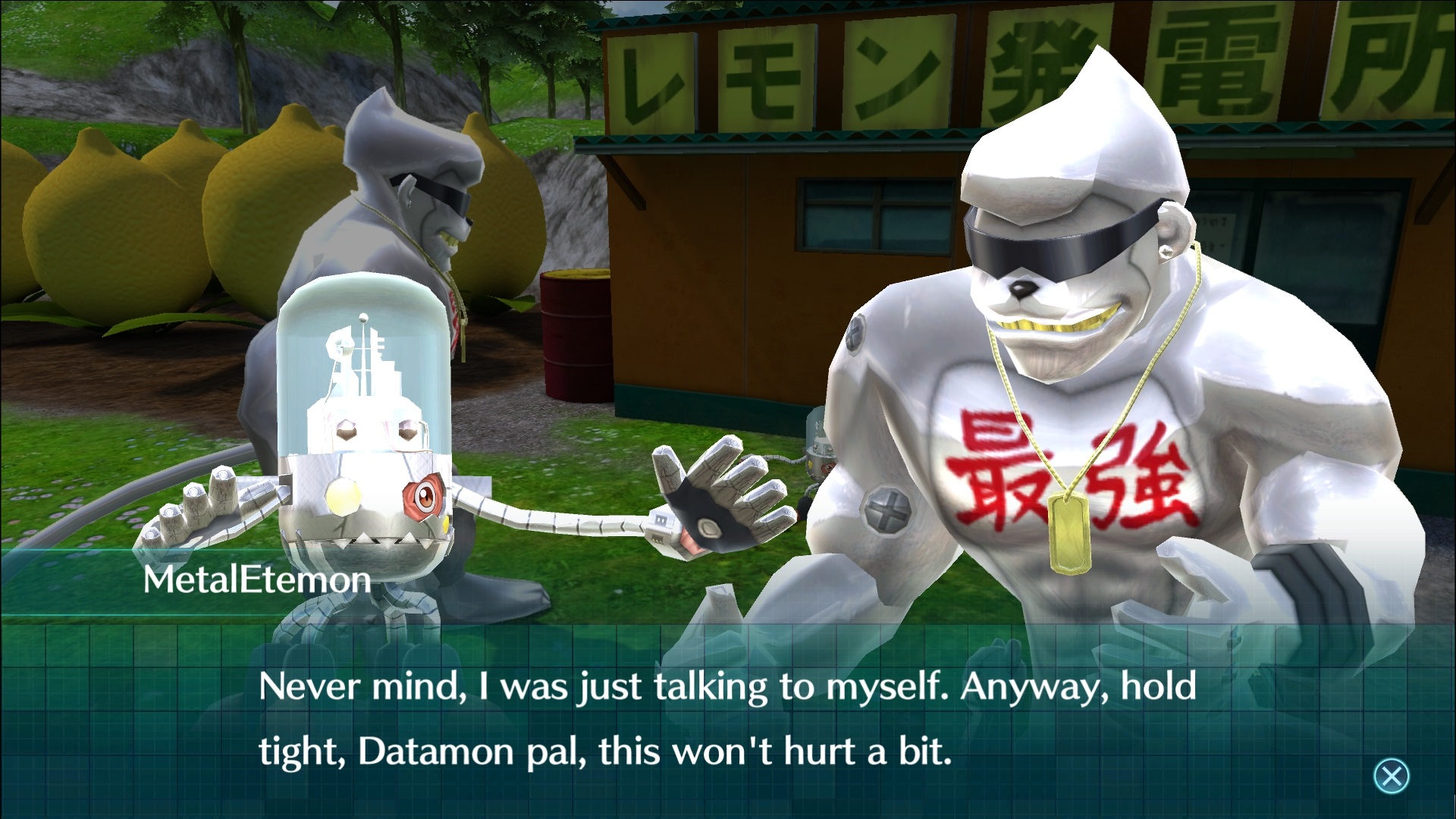 Gameplay
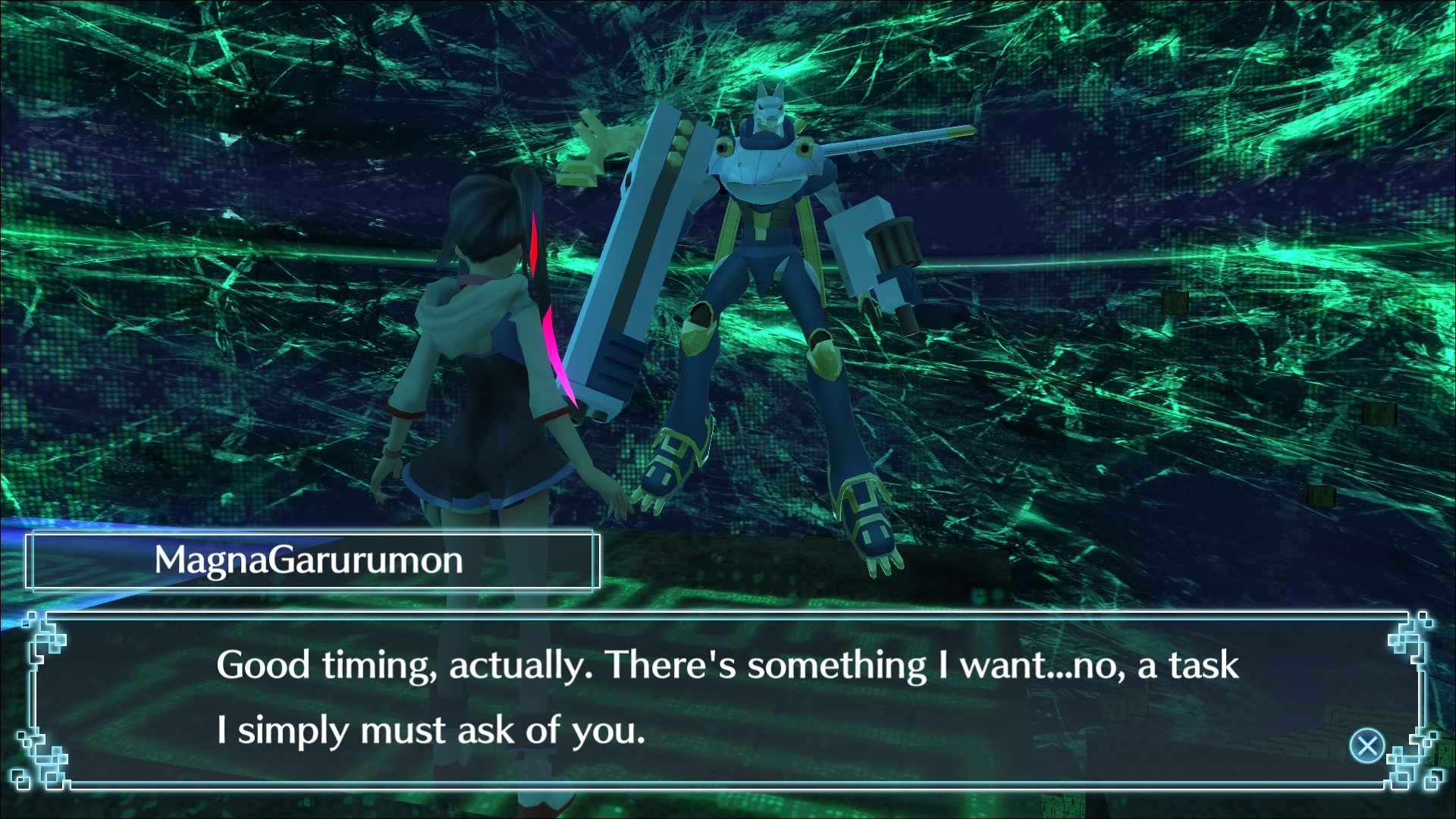 The town itself that you begin at is actually one of the most interesting parts of the experience. Players can bring Digimon back to this area, where they will be a part of the community, setting up shop – creating more items while upgrading the overall appearance of the area slowly as you progress. This means that as you move forward, the reward for progression is slowly creating a bigger world for your creatures to inhabit.
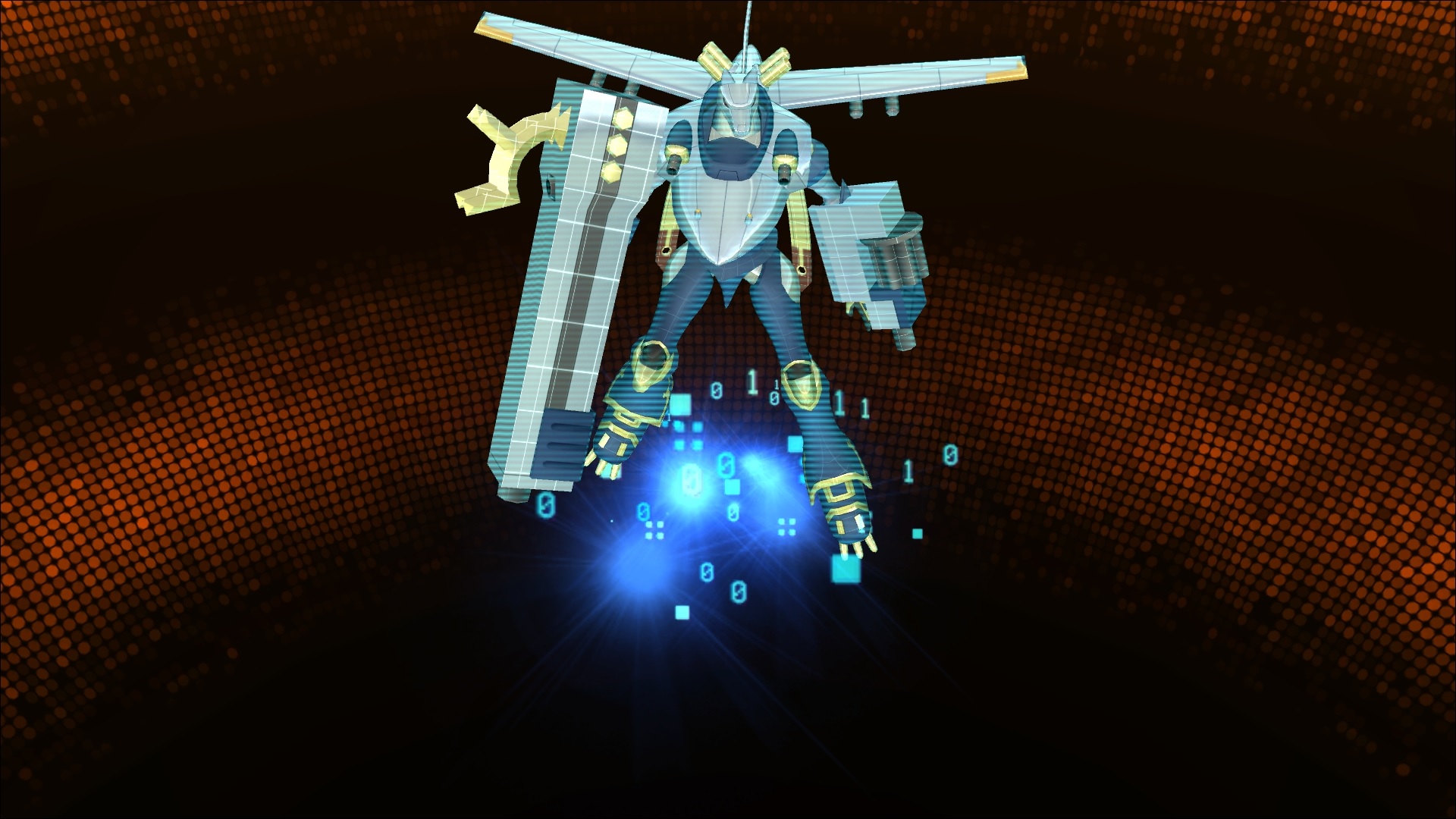 One thing I will give Digimon World: Next Order is its pride in its own complexity. This title does not seem deep from the start, but the massive amount of little stats to keep up with, Digimon to train, and little invisible checkboxes to tick before molding the ideal your experience are so infinite that fans will still be able to look past any flaws and spend a ton of time in this world. Sure, the timing system is tedious and Digimon die within 20 in-game days, meaning you constantly have to work to obtain the spoils, but much like any other title with heavy farming yet mindless monotony, Next Order certainly carries its weight well to keep the player intrigued, just because the rewards feel exciting enough to keep on grinding.
 The sound I actually loved. The music sounds familiar and the general soundtrack beams with upbeat tunes that pull out a great atmosphere for the whole experience. The voice acting is also well done, with our digital and human friends alike all sounding fully focused and in tune with the little story in the game. Yes folks, the voice acting here is what will make you get that nostalgia for the anime, as it simply adds another layer to keep fans immersed and entertained.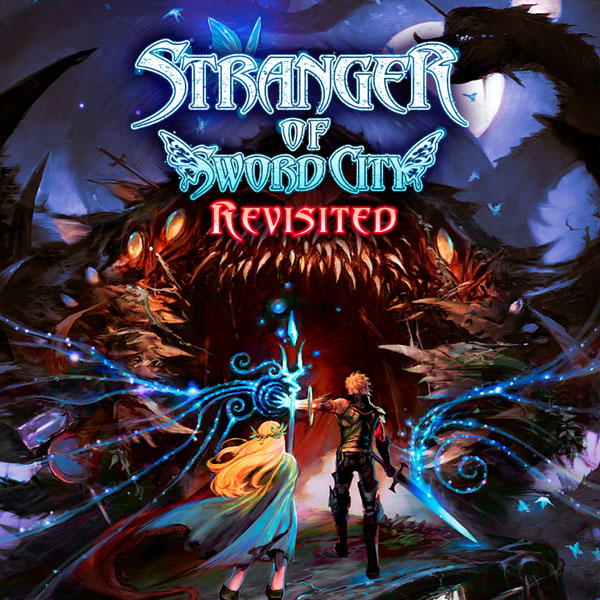
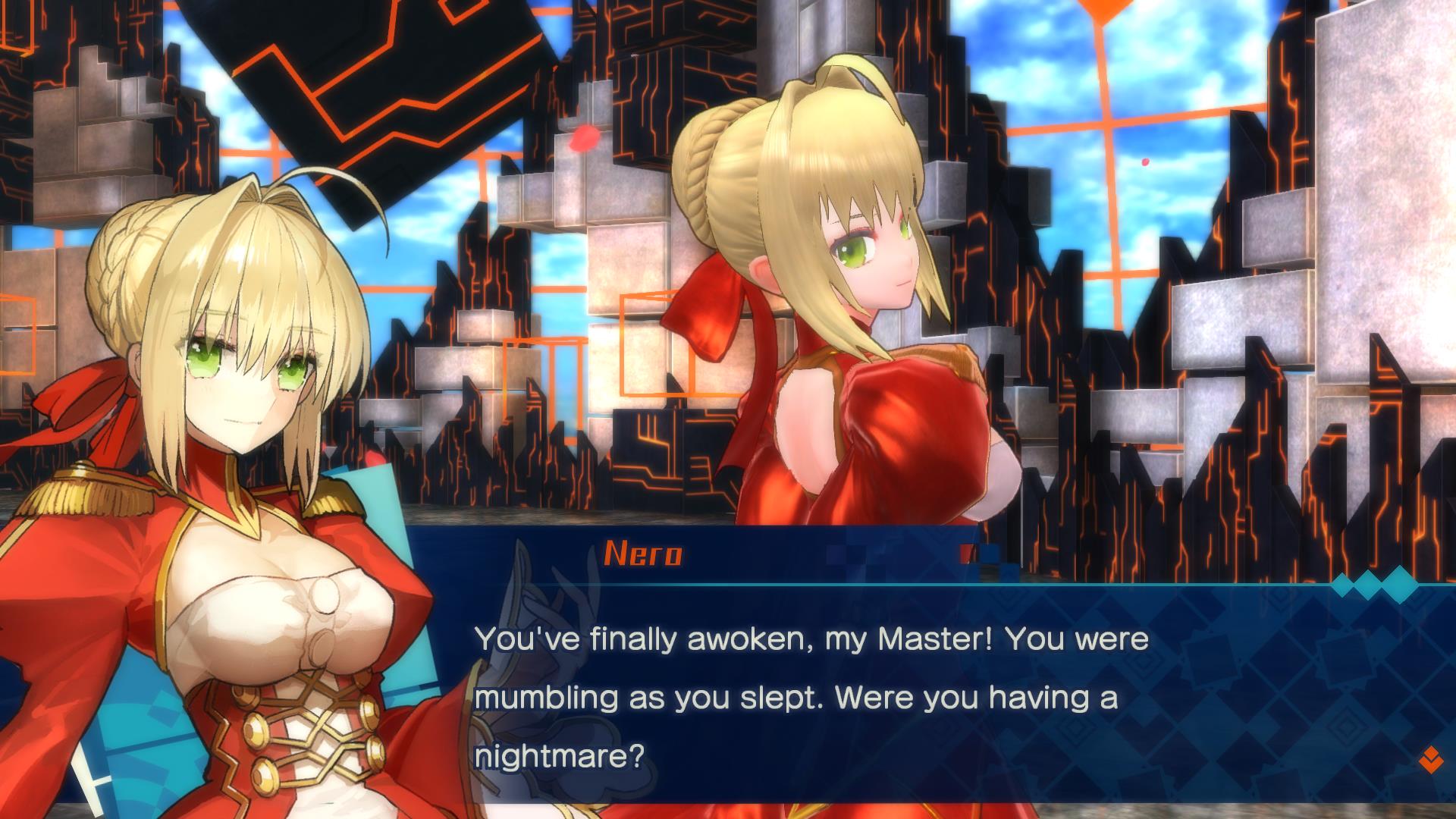 Unfortunately for Nero, her and her master barely have a chance to examine their new realm when they learn that the digital world of SE.RA.PH created by the Moon Cell Automation has been intruded upon by others that also possess Regalia Rings. As such it is up to Nero, paired with her master, and the few Servants that still obey her to take to the battlefield and conquer what is rightfully theirs.
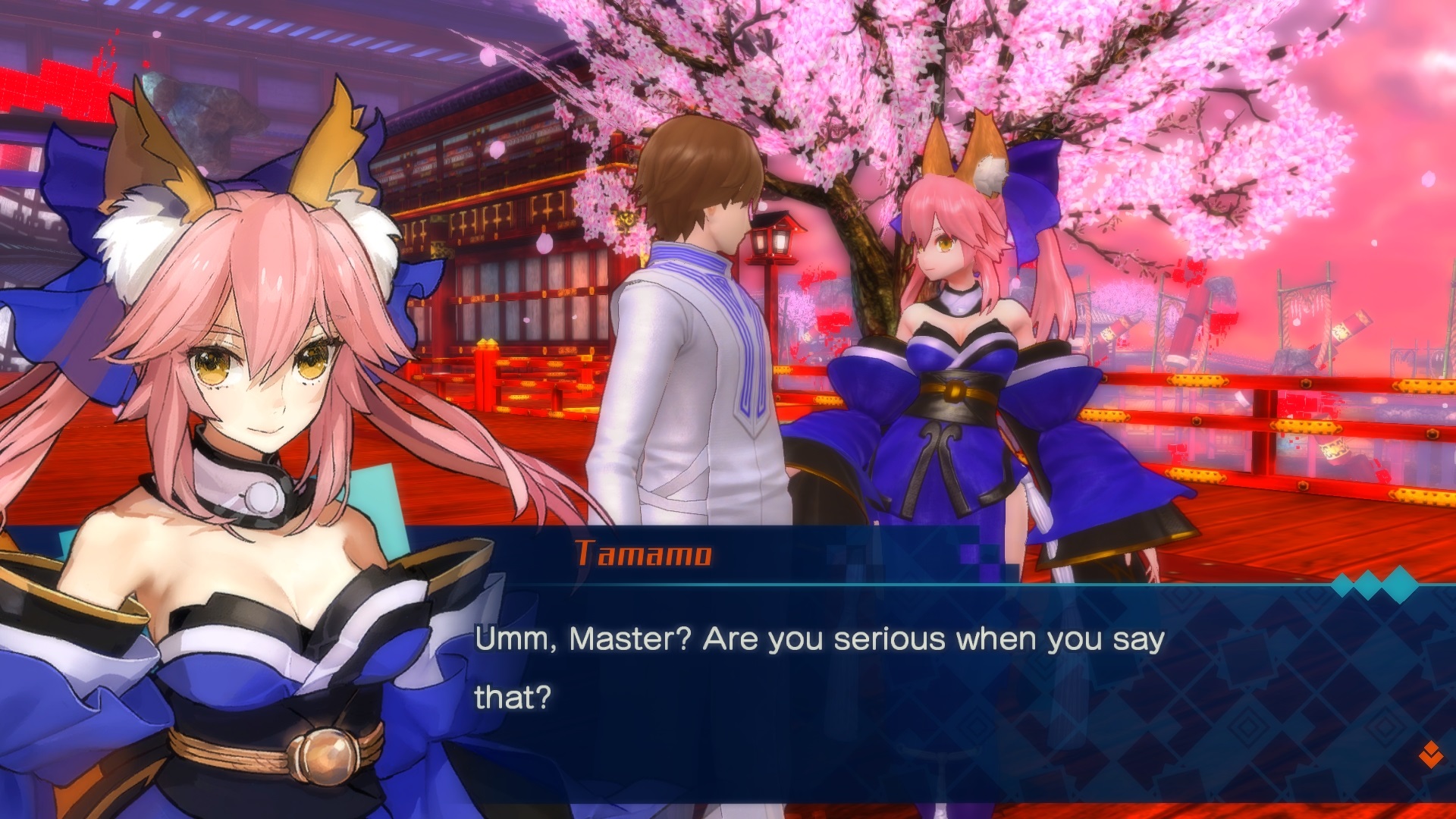 That being said, Fate/Extella: The Umbral Star’s storyline is very enjoyable once it gets going as this is a game that is something of a split between action game and visual novel. This means between every battle section there is quite a bit of dialogue as the story unfolds and the player interacts with their current Servant in order to grow their bond level by selecting various dialogue choices. Higher bond levels allow players to equip them with more passive boosts as well as the potential to unlock special unique scenes. The story features quite a bit of explanation as you progress through it so things that may catch familiar fans off guard is generally explained over time and considering players unlock additional full storylines following the viewpoints of a certain tailed Caster class and white haired Saber class, as well as small side-stories for the lesser featured Servants, and you’ll find that there is quite a lot of content to enjoy here for fans of the series’ lore and characters.
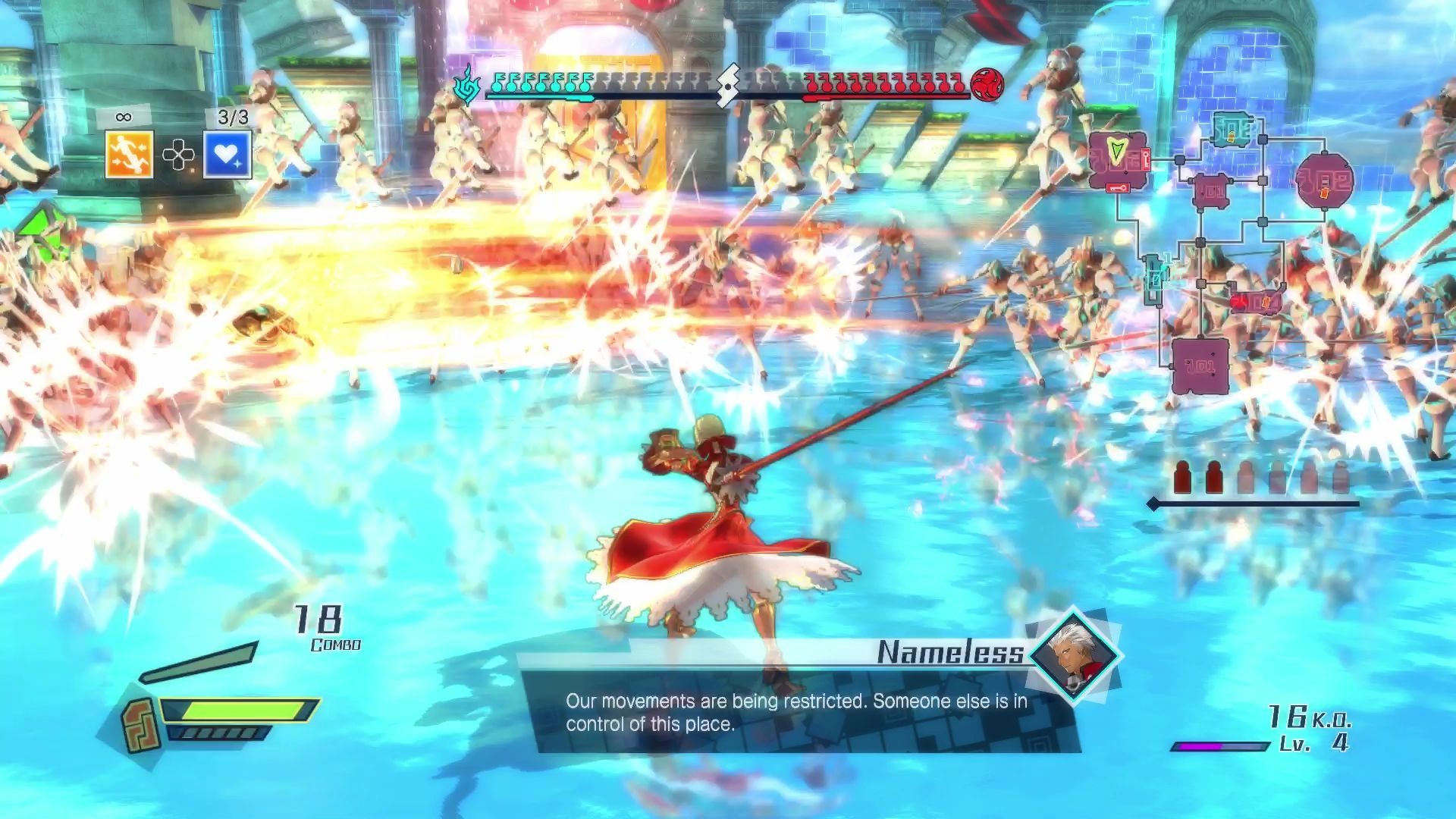 You see, each area in a battlefield contains a certain number of keys that are used to eventually conquer an area in SE.RA.PH and generally the final boss (enemy general) won’t make an appearance until you’ve obtained a certain number of keys. This means that taking a certain area might provide the player with only one and another could gift them with five. The problem is that thanks to some fairly poor ally AI, the battlefield never feels entirely safe for the player despite the actual combat being simple to understand.
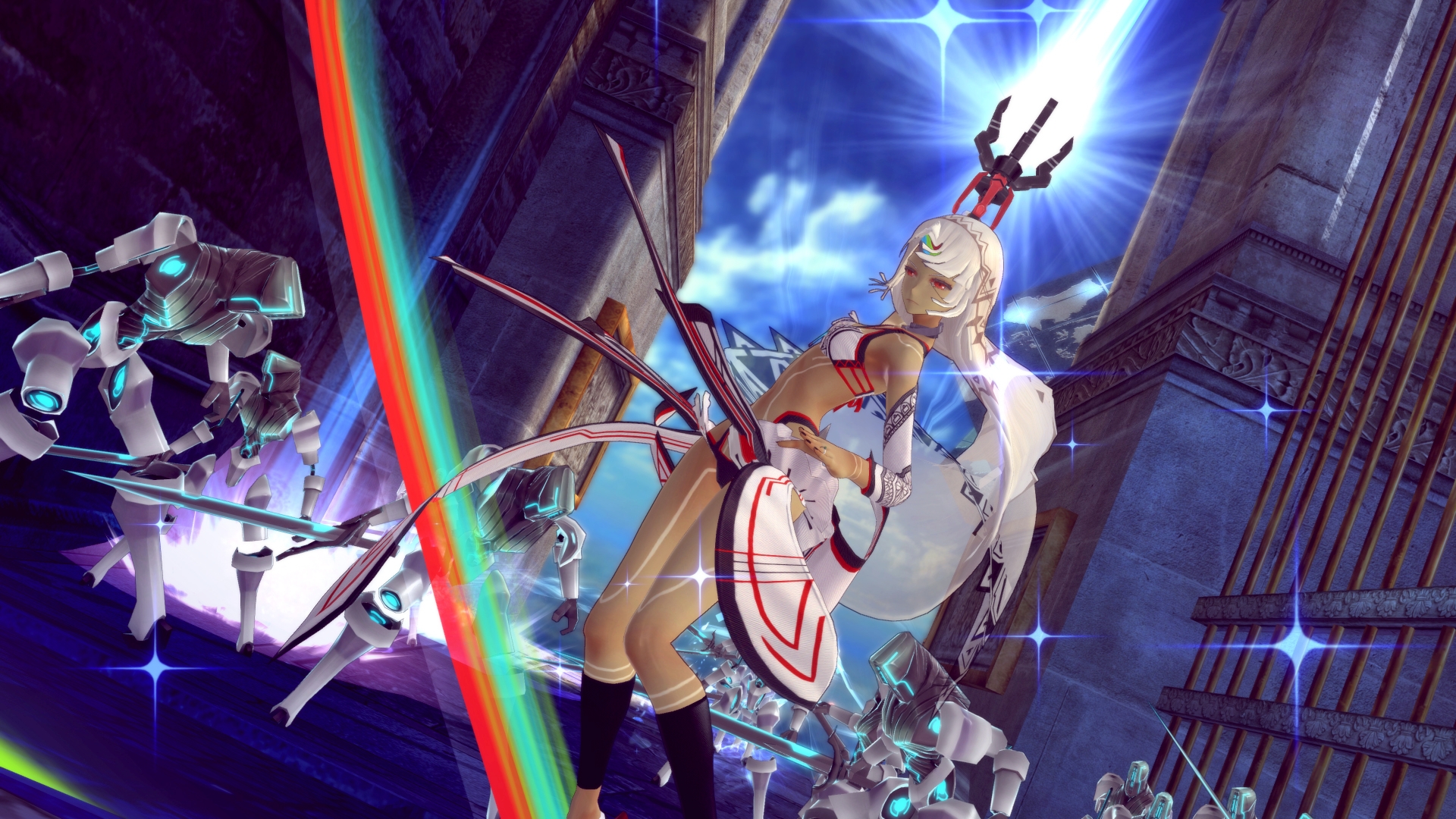 Combat in the game, as mentioned before, is incredibly easy to understand and master as players will find that each character has light attacks and heavy attacks that can be combed together into different move strings, special moves that take up parts of a refillable gauge, and even certain characters (the ones that players will likely be controlling the most) have the ability to transform into Moon Crux forms that increases their stats, changes up their attack strings, and makes their attacks nigh unblockable. This makes for an easy to learn and master combat system that is incredibly fast feeling with enemies spawning in quick enough and in enough number that combos over 2,000 are quite frequent and kill counts over 10,000 are more than feasible.
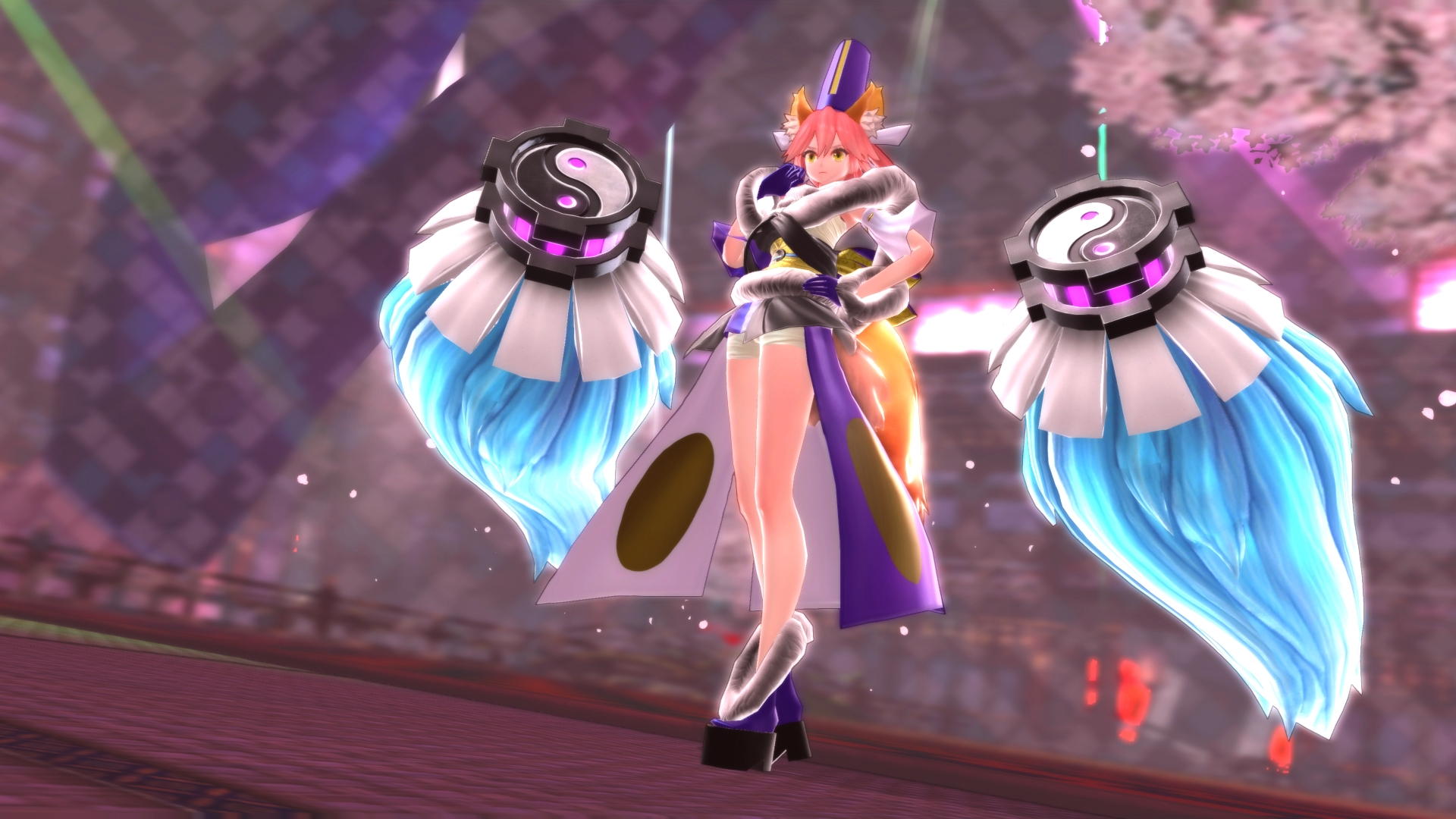 The generic enemies you battle against often offer very little challenge but facing off against enemy Servants is another story. They often have special quirks about them and can utilize some incredibly devastating skills that may leave the player backpedaling a bit to use an item from their raiment. These battles tend to be quite rewarding and are often the highlight of any stage. As for the raiment, players will unlock various materials and in-game currency that can be equipped to give the player various boosts that can be used in battle ranging from healing, boosting stats, swapping to an ally, or even creating decoys though since players are not able to select specific skills when creating a piece of equipment, sometimes it is best to choose what fits your playstyle or a stage even if it may not be the best available at the time.
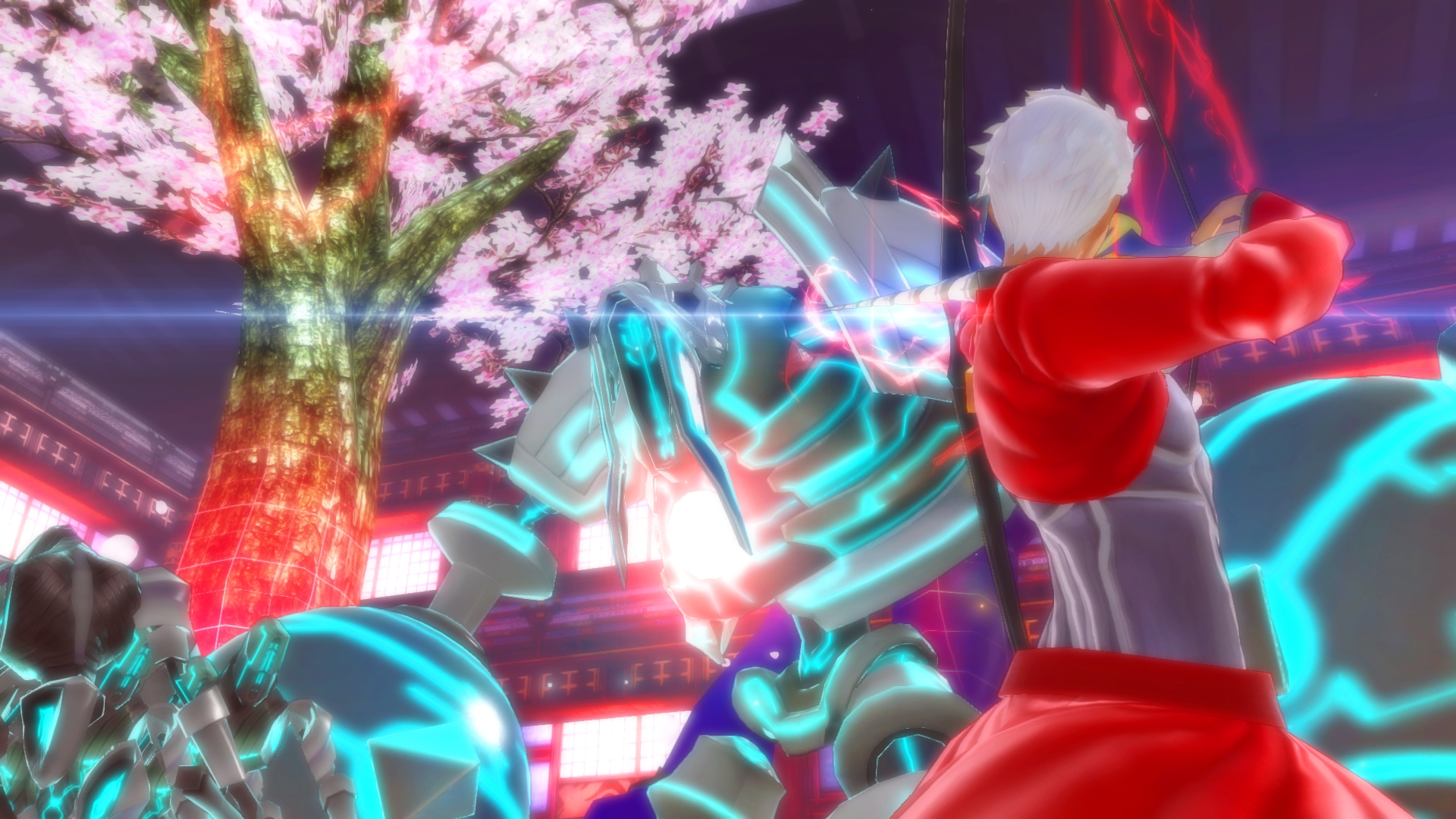 Thankfully thanks to the style of the main characters and the artwork used in visual novel segments, players will still find quite a bit to enjoy in the core aspect. As for the soundtrack and voice work, it is worth noting that almost everything in the game is voiced in Japanese with English subtitles as only the player character is left unvoiced. The soundtrack features quite an array of memorable sounding tunes that fit well with the fast paced action of the battlefield as well as the more dramatic moments of the story.

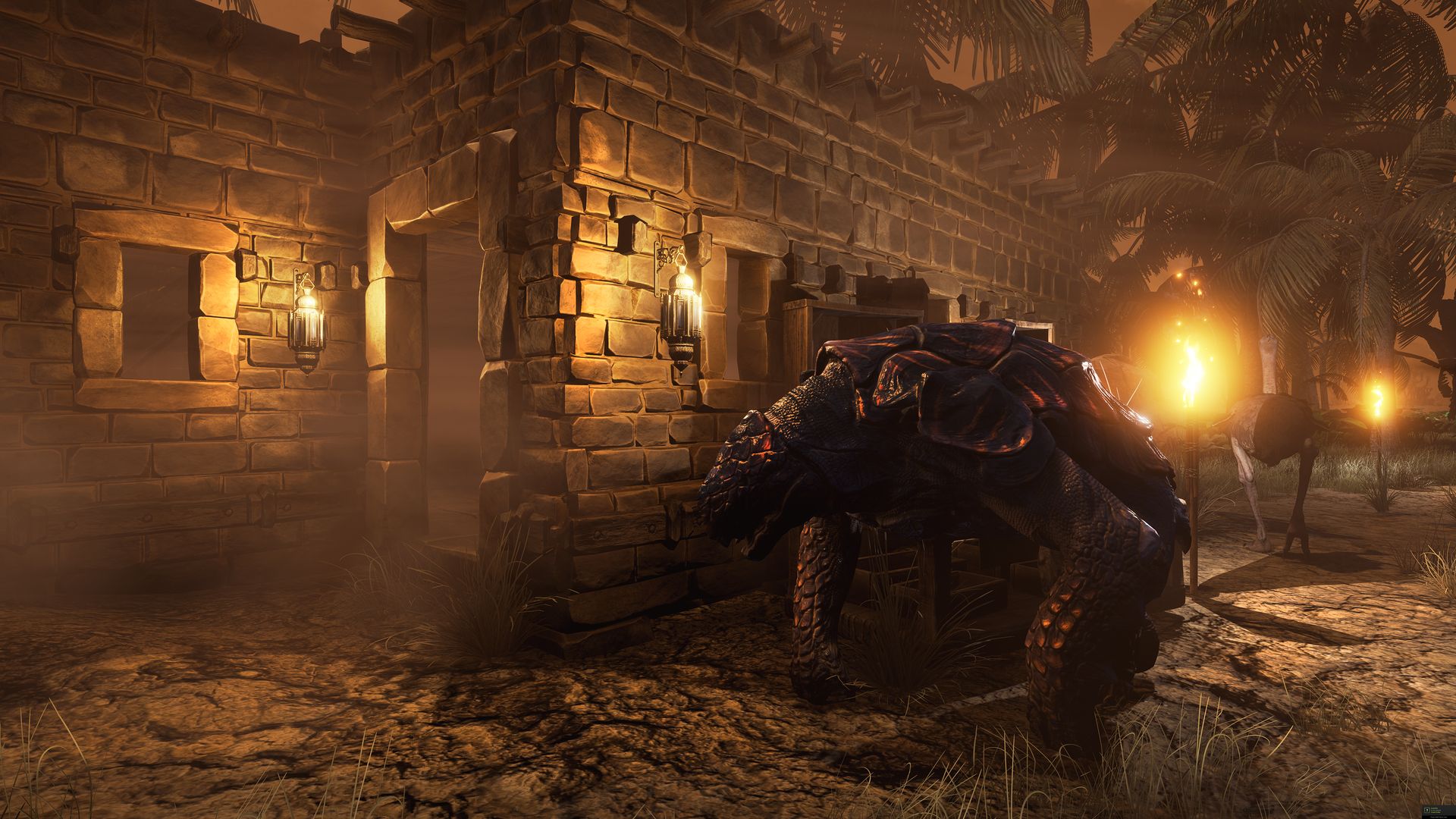
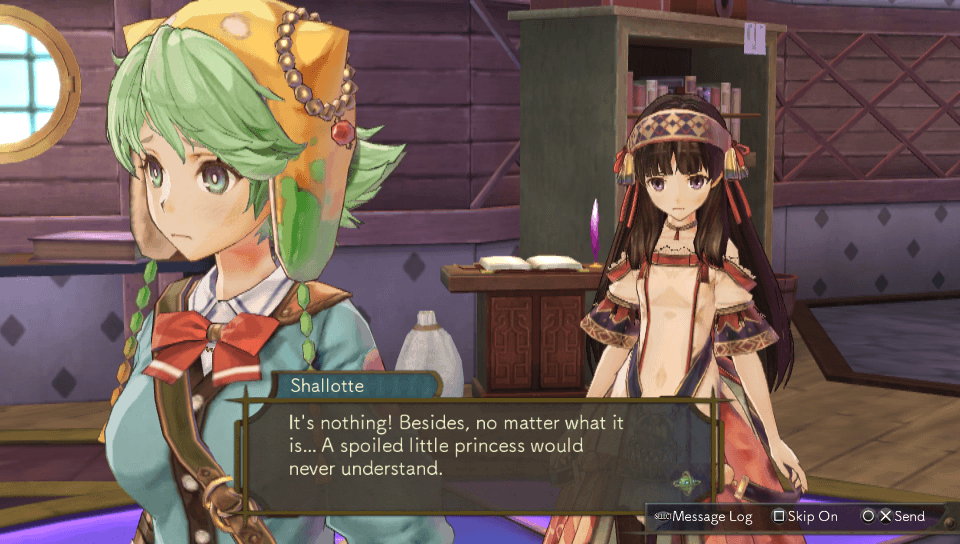 With both girls nicknamed Shallie, and calling each other Lotte and Stera, it is up to players to decide which of the two characters they wish to be the main character of their game. It is worth noting that while a number of aspects and various events in each heroines’ storylines are unique, which means the game is ripe for a second playthrough to see the story from a different viewpoint and experience new events, that a large amount of events take place when both Lotte and Stera are present.
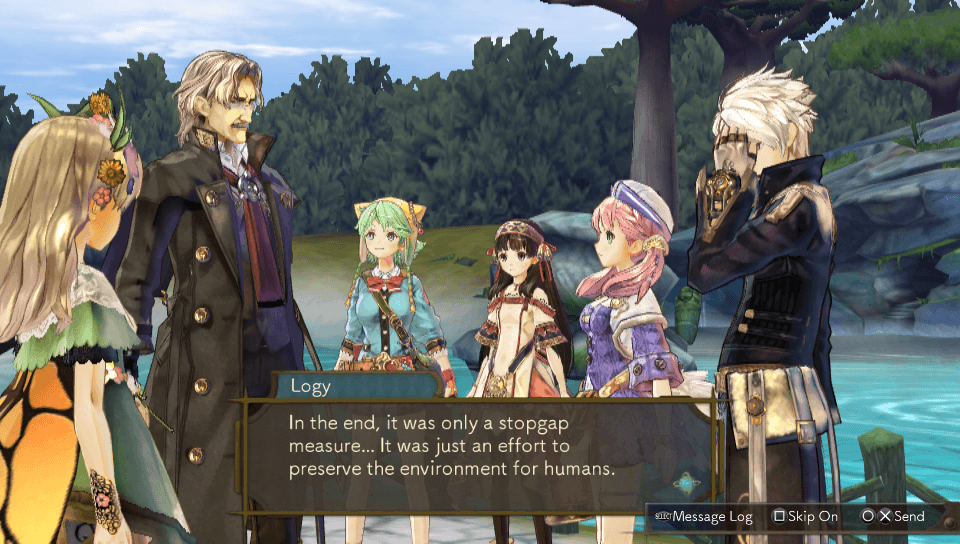 One of my key critiques about the original release of this game was the fact that a large number of story elements and plot points were left with unsatisfying explanations or completely ignored such as the origin of the Dusk and why it swept the land. Thankfully this issue has been rectified in this version of the game. While there is still a certain lack of urgency now that the time limit has been removed from the game a number of new story chapters have been added into the game to provide extra explanation and details into the game’s story that were sorely lacking in the original. Combine this more solid conclusion to the story with the addition of Ayesha and Logy added into the game as playable characters that have their own little snippets here and there and you’ll find that Atelier Shallie Plus manages to deliver a satisfying conclusion to the trilogy.
 The alchemy system remains continues to be streamlined with many of the basic mechanics being very familiar to those who have played the titles before. Through the use of using high quality ingredients and aiming for special elemental values, players will be able to unlock special enhancements that will make them more effective while Shallie can also use various abilities she has unlocked to modify the outcome of the synthesis and give players more control than before while presenting it in an easy to understand manner.
 Another new feature is the Burst mechanic. At the top of the combat screen a meter will fill up that will allow players to trigger a Field Burst when filled. The Field Burst allows the player to select a certain member’s special ability to take effect during the fight and this can drastically change the way combat unfolds as these boosts range from auto-reviving from death, to recovering large amounts of health and MP, to buffing the party’s statuses and even triggering a large Variable Strike with a unique animation.
 What replaces the time system is a far less restrictive “Life Task” system that will see the player taking on requests, including side-character development quests, and accomplishing various goals in order to progress to the next chapter in the story. These goals can be anything from synthesizing a certain number of items, to cleaning up garbage or harvesting items, to slaying a boss enemy in a dungeon.
 The voice work for the series remains as strong as ever with the title releasing with the English voice option as well as the Japanese voice track being available if you so choose. The voice work for the returning characters matches well with what fans should expect and as for the soundtrack, players will be hard pressed finding a bad sounding piece of background music throughout the game. Whether it is calming exploration music, tunes to listen to while battling enemies, or providing atmosphere to important scene, every track feels like a perfect fit for the situation.