
Divinity: Original Sin II
Developer: Larian Studios
Publisher: Larian Studios
Platform: Windows
Release Date: 14 September 2017
Price: $44.99 USD – Available Here
Video Review
Overview
After the success of Divinity: Original Sin, Larian Studios turned to Kickstarter once again to bring a sequel to their highly regarded RPG to life. After over a year in Steam Early Access, Divinity: Original Sin II is out on Windows PC. The game boasts an even larger world that before and new features like four player co-op, split-screen multiplayer, and a Game Master mode for unlimited adventures.
Story
Divinity: Original Sin II is set centuries after the original game. Anyone with a hint of Source power are being hunted down and imprisoned after the leader of the Magisters, Bishop Alexander, declares them to be a danger to society. The writing in Divinity: Original Sin II is top notch. The dialogue is flawless. Like a good fantasy title, each character has their own personality that is influenced by their race’s culture without becoming a bumbling stereotype. I love the fact many NPCs will have very different conversations depending on which player character initiates the conversation. The story is engrossing, even for players who are new to the franchise. The time gap between the two games is great enough that missing out on (or forgetting) the events of the previous game does not detract from the sequel. The story contains some mature themes at times, but always manages to handle it in an equally mature manner. Even characters role-played as bloodthirsty psychopaths seem dangerous and unstable without becoming edgy, attention seeking annoyances.
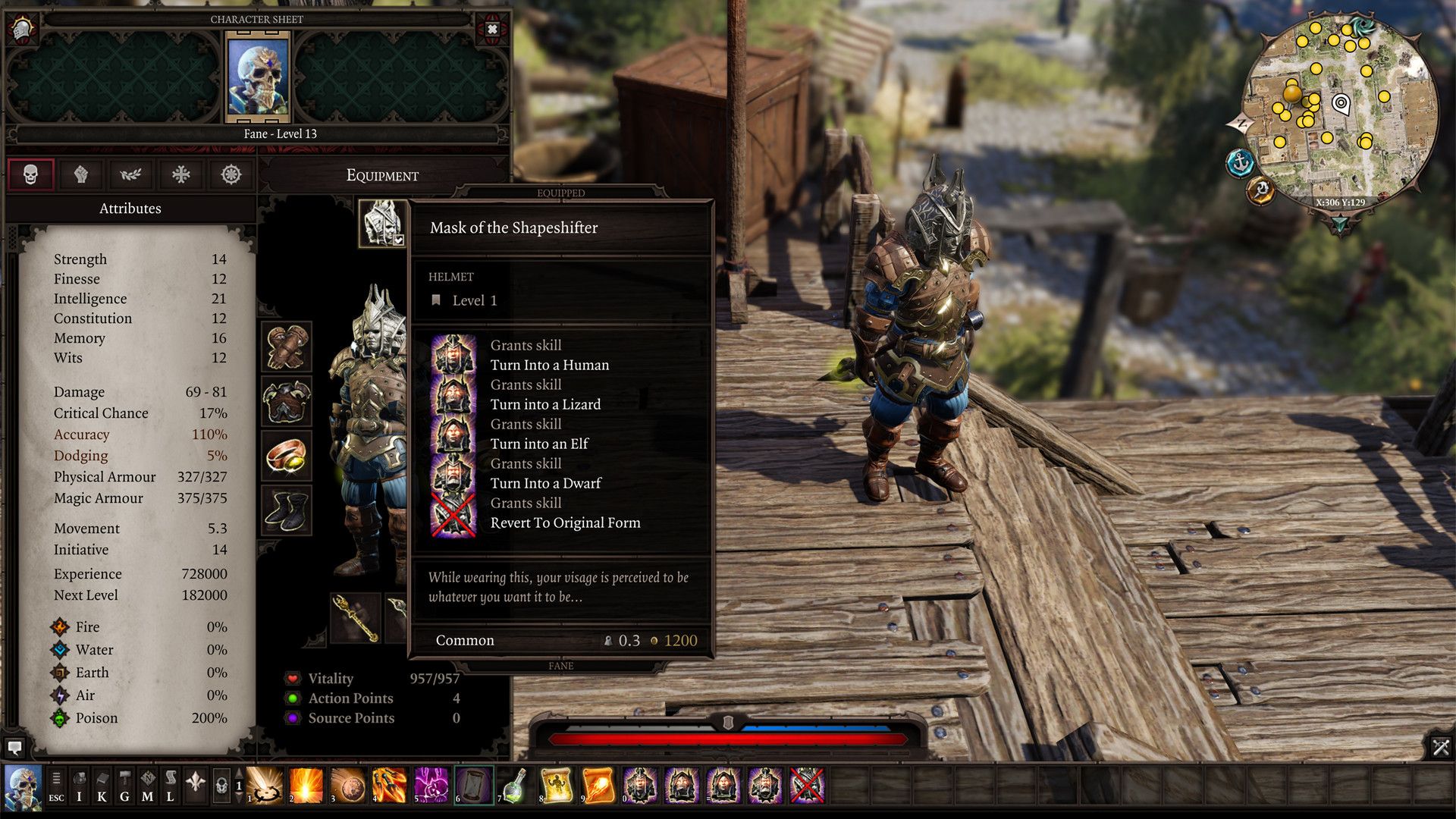
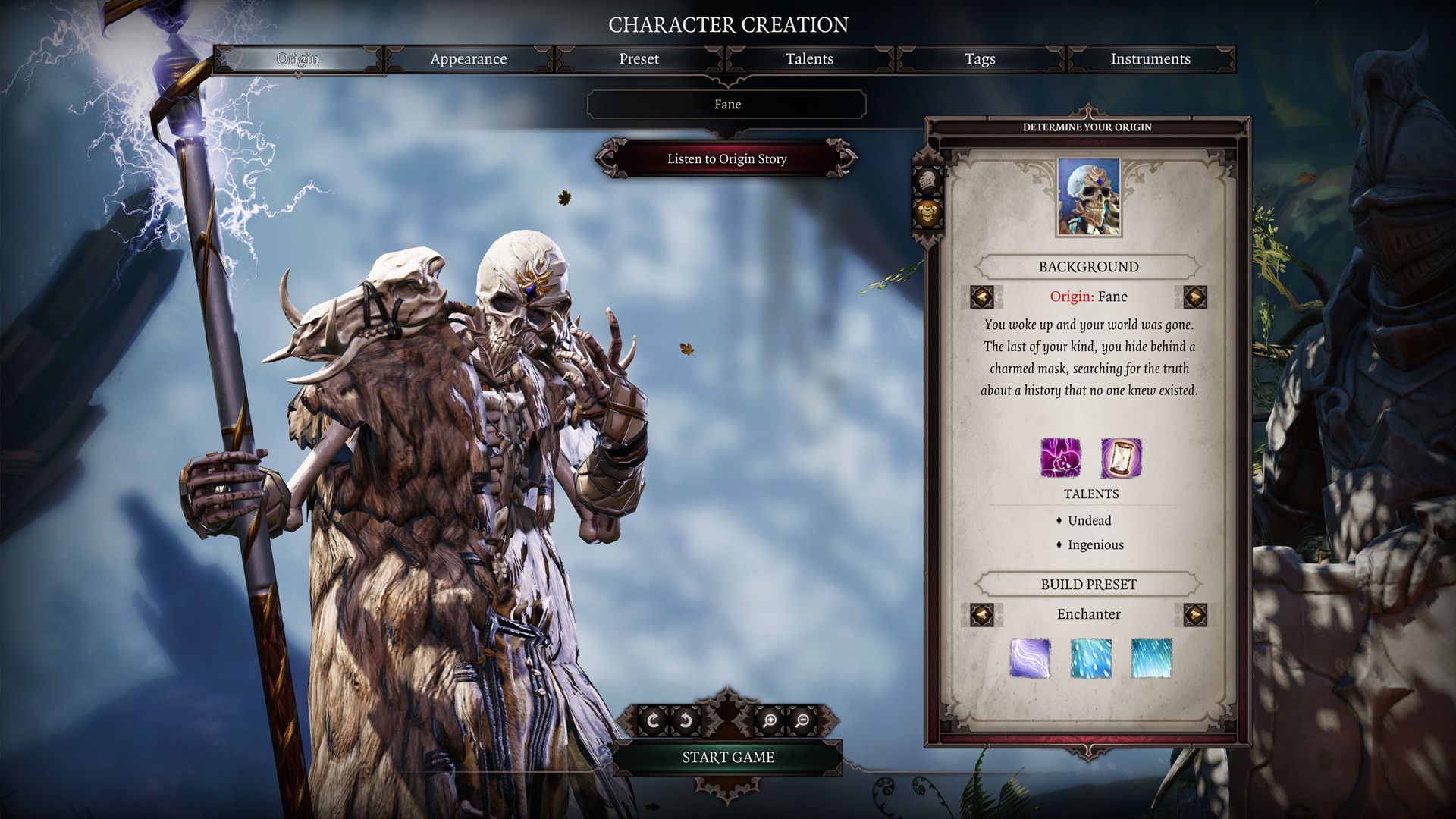
Divinity: Original Sin II offers players a choice of six characters with their own unique origin story or a custom character. The six origin character stories are varied in nature, making it easy for players to find a character with a story that interests them. Having six, well written origin characters can understandably make selecting a character to start with a bit of a challenge for some. Luckily, the all the origin characters can be recruited as companions so players can easily experience all six character’s stories in a few playthroughs. Players do not have to worry about sacrificing party balance for characters they want to play with either, since players have the option of adjusting character classes right at the beginning.
Gameplay
Divinity: Original Sin II is a turn based tactical RPG in the same vein as classic computer RPGs like Neverwinter Nights. Character creation is about as simple or as detailed as a player wants it to be. Upon choosing one of the six origin characters or a custom character, players can opt to jump right into a game by picking starting class. Otherwise, power gamers can go nuts and adjust every skill point and stat to their min/maxing hearts content. The game’s format is similar to more recent d20 systems. Each character has a set of basic attributes that all other stats are calculated from. Each level awards players two extra attribute points and an ability point that can be spent on combat or social abilities. Additionally, players get a talent point every five levels. Unlike abilities and attributes, talents provide special effects that generally shy away from modifying stats. It may sound a bit much for absolute RPG newbies, but it actually strikes a good balance in complexity. The system is deep enough to provide some reward for creating good characters without being overly punishing to those who don’t feel the need to power game.
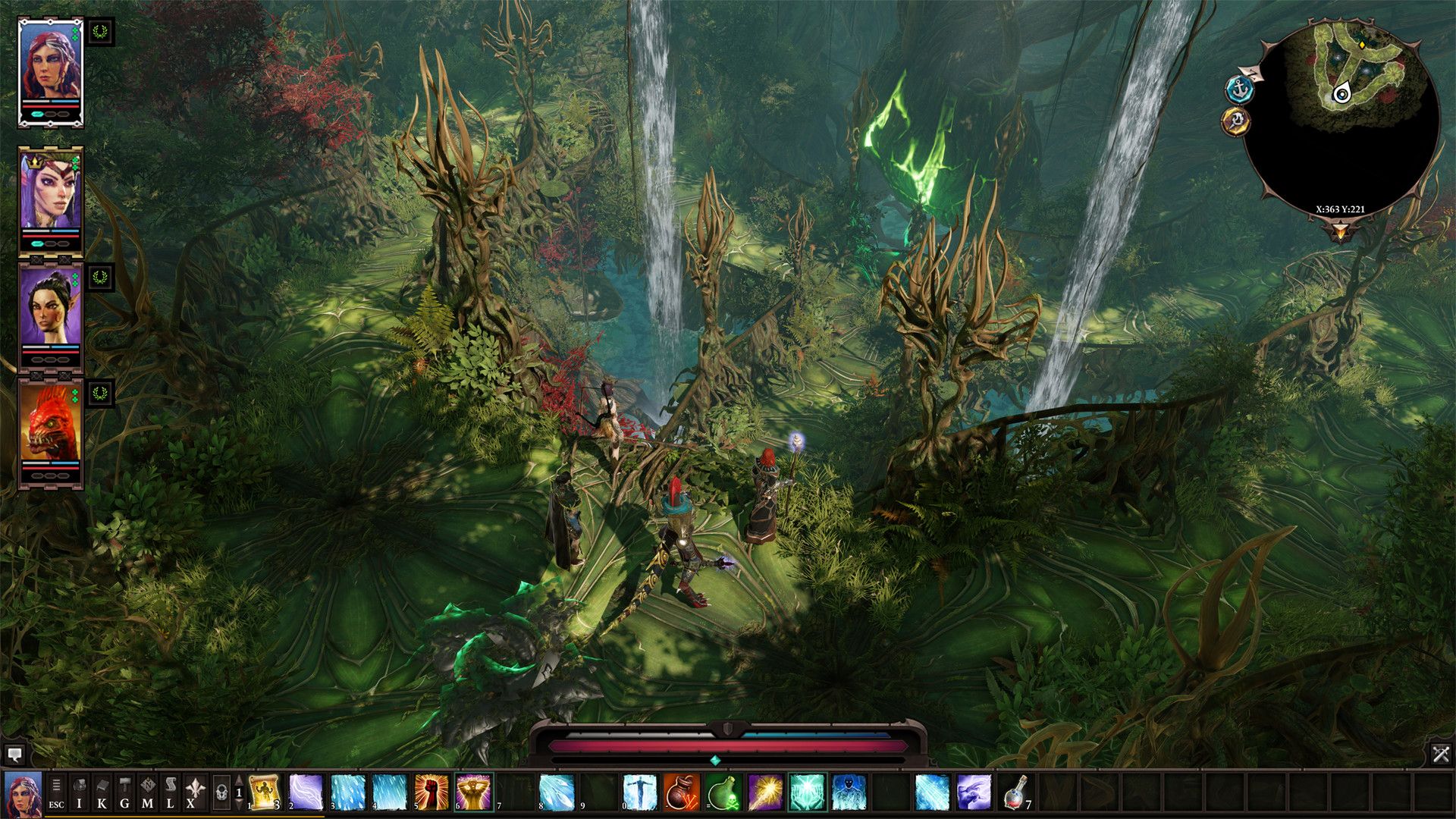
The scope of Divinity: Original Sin II’s world is incredible. The world feels absolutely alive with NPCs who do more than just fill space. Many have small side quests, provide hints, and react to the changing circumstances in-game. I really like the fact almost every character in the game participates in trading even at small scale as it gives players a little extra incentive to just chat with everyone. There are a lot of quests in the game. They are interesting, have a huge variety of objectives, and often have multiple solutions. I’m absolutely thrilled that many quests can be solved peacefully.
The crafting and rune systems is a simple, approachable affair. Players simply throw the desired materials into the window and hit the craft button. If the recipe is valid, players get their item. If not, no harm or foul. The crafting and rune systems may not be very deep, but it definitely makes up with its vast size. Everything from food to skill books can be made. Weapons can gain a variety of buffs from runes that can benefit a well tuned party.
Combat is a challenging, yet rewarding. Divinity: Original Sin II uses a turn-based system that requires a lot of strategic thinking from players as status effects, elemental damage, and positioning play a key role in combat. Many environmental effects and status effects have synergies with a variety of elemental damage. For example, an area can be cleared of poison clouds with a quick rain spell that also applies the wet status to characters and puddles on the ground. A follow up lightning skill will dish out even more damage and electrify the water for the next few turns, applying the shocked effect to anyone who walks through the puddle. Add in friendly fire and combat becomes incredibly punishing at high difficulties.
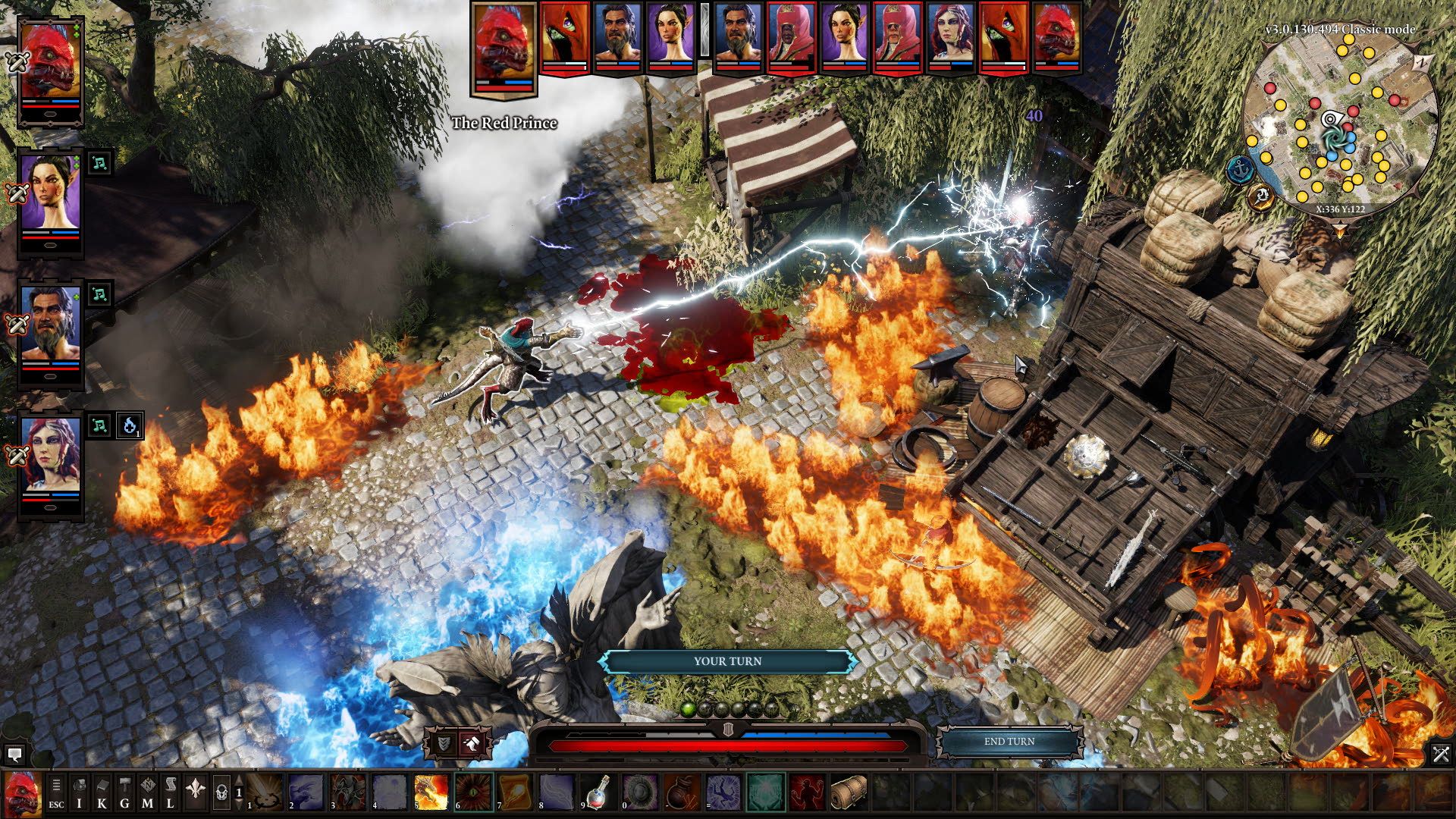
Probably the only thing I can really find wrong with Divinity: Original Sin II is its high difficulty level in the first hour. Keeping up enough health to stay alive in the first bit is a real challenge as resurrection scrolls and health potions are quite pricey. The moment players are able to get a bedroll of their own to heal out of combat and a character with a permanent heal skill makes all the difference in the world. There are a lot of bed rolls scattered around the early areas of the game, but no clear recommendation to have characters top up between fights by resting. I think a few pop up reminders to rest on a bedroll while characters are in the Fort Joy area would have made a huge difference.
The control scheme for Divinity: Original Sin II is excellent. The game offers both mouse and keyboard and controller support right out of the gate. The controller support is an absolute must for the game’s split-screen co-op mode. The UX is simple and clear. The menus are easy to figure out and to navigate.
New to the series is the Game Master mode. As if the game’s already giant campaign isn’t enough content, creative gamers can use the Game Master tools to run their own custom campaign with their friends. Much like standard pen and paper RPGs, the game master runs the campaign, guiding players through their adventures. The GM mode is laid out in a self-explanatory way. While the mode lacks an in-game tutorial, it doesn’t take long at all to figure out the very basics. Considering the challenges of running pen and paper RPGs online, Divinity: Original Sin II offers a unique alternative to GMs looking to implement a more video game experience for their table top group.

Visuals
Divinity: Original Sin II delivers an excellent visual experience. The art style is high fantasy that does not shy away from bright and vibrant colours. On the technical side, the textures and models look great. The animations are solid. In my testing, I had no issues with the game.
Audio
The audio in Divinity: Original Sin II is stunning. For starters, the entire game is fully voice acted, from the main characters down to the most minor animal that can only be spoken to with the right talent. The voice acting is generally the sort of quality you would expect from an AAA title from a major publisher’s holiday release. The sound effects are enjoyable. The soundtrack is a masterpiece that deserves to be listened to outside of the game. Video game music fans will definitely enjoy having this soundtrack in their collection. A seemingly minor, but impressive part of the soundtrack is the part of the character creation process that offers players a chance to choose the soundtrack’s lead instrument from four options. I think it is a great way to help set the tone for a character.
Overall
Divinity: Original Sin II deserves a game of the year win. After years reviewing video games, it is rare for me to find a game I want to keep playing the moment after I finish reviewing it due to the intense nature of playing games critically for extended periods of time. To my great surprise, I feel a real sadness as I type out these final words of my review, knowing that another game for review will soon come to take away me away from Divinity: Original Sin II. The game is so close to perfect with its excellent writing, solid gameplay, beautiful visuals, and amazing audio that I just want to keep playing. Divinity: Original Sin II is a shining example of why it’s great to be a PC gamer in the golden age of PlayStation and Xbox.
Capsule Computers review guidelines can be found here.
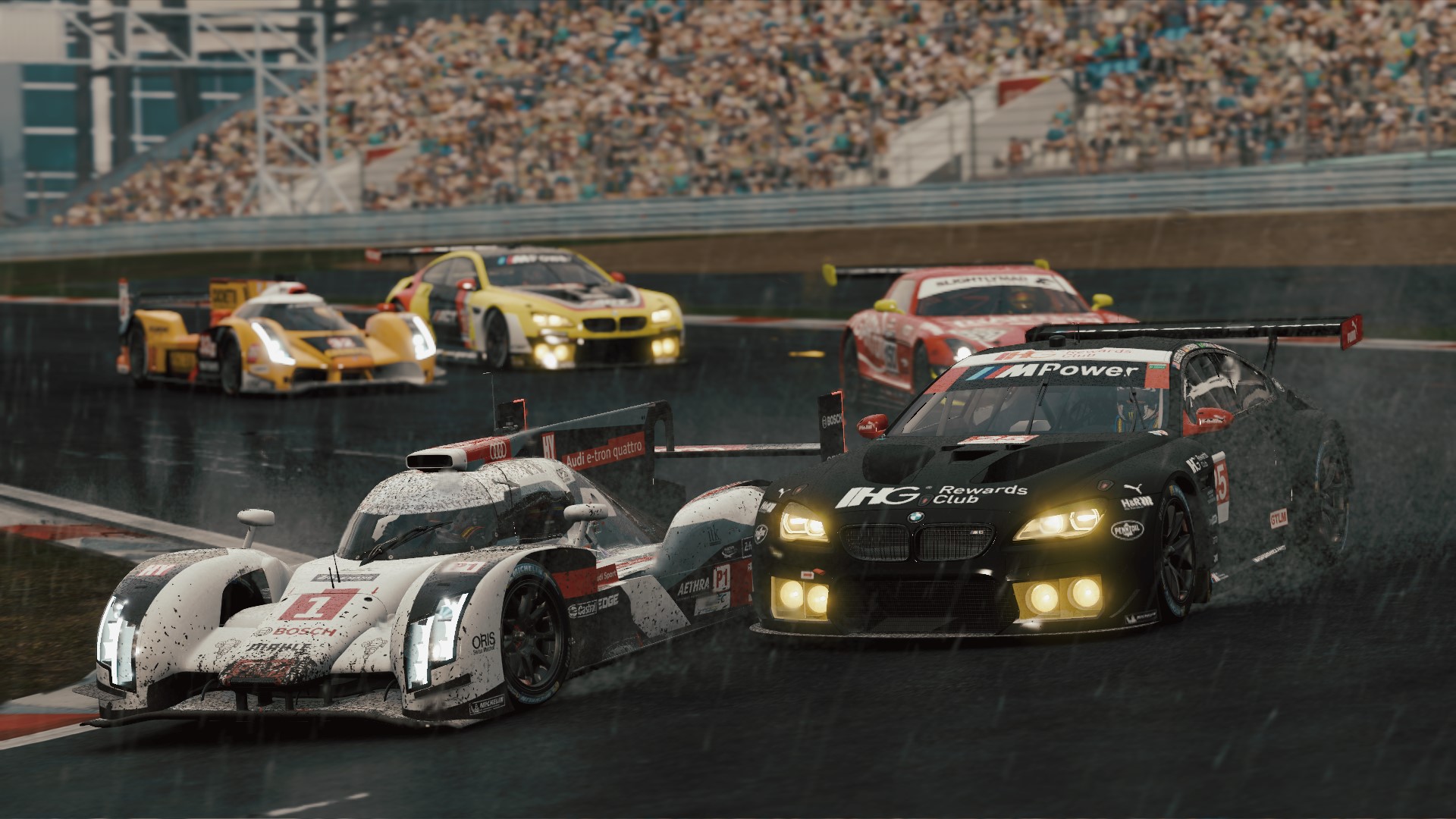 This wide array of customization allows for numerous elements of the game to be tweak to fit your skill level, though you will likely want to increase the steering sensitivity right off the bat as it is kept at an incredibly low level, making cars feel unresponsive on a standard controller and even after spending numerous races tweaking these settings it rarely feels like you have the best control available. For those who are playing with a racing wheel, there are a number of options specifically set aside for that control method as well.
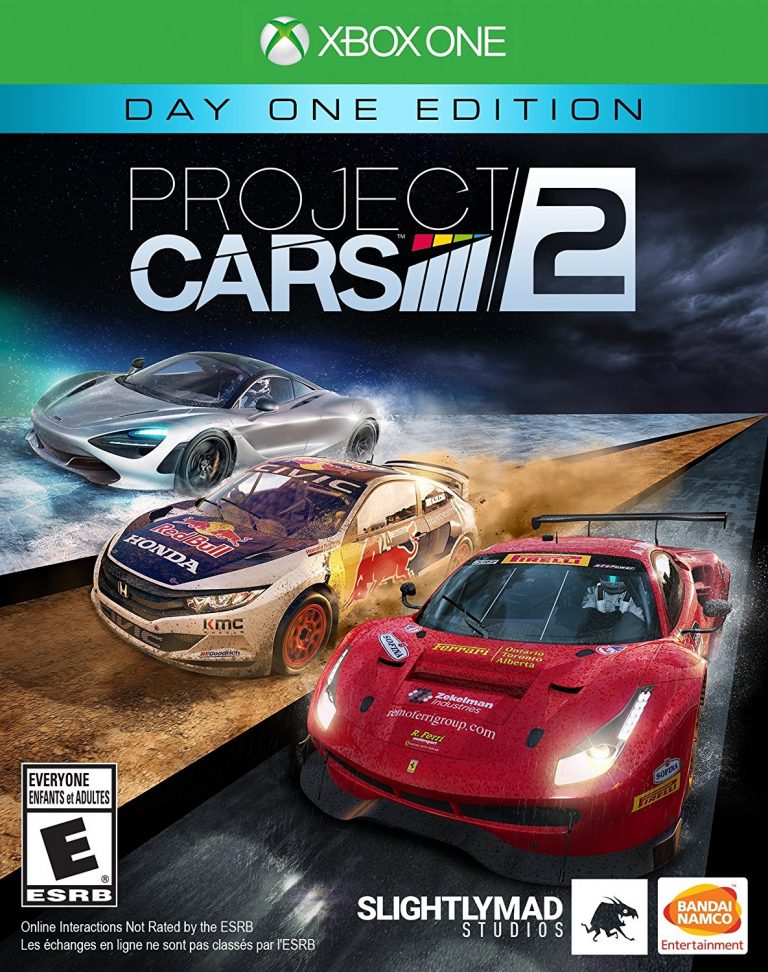
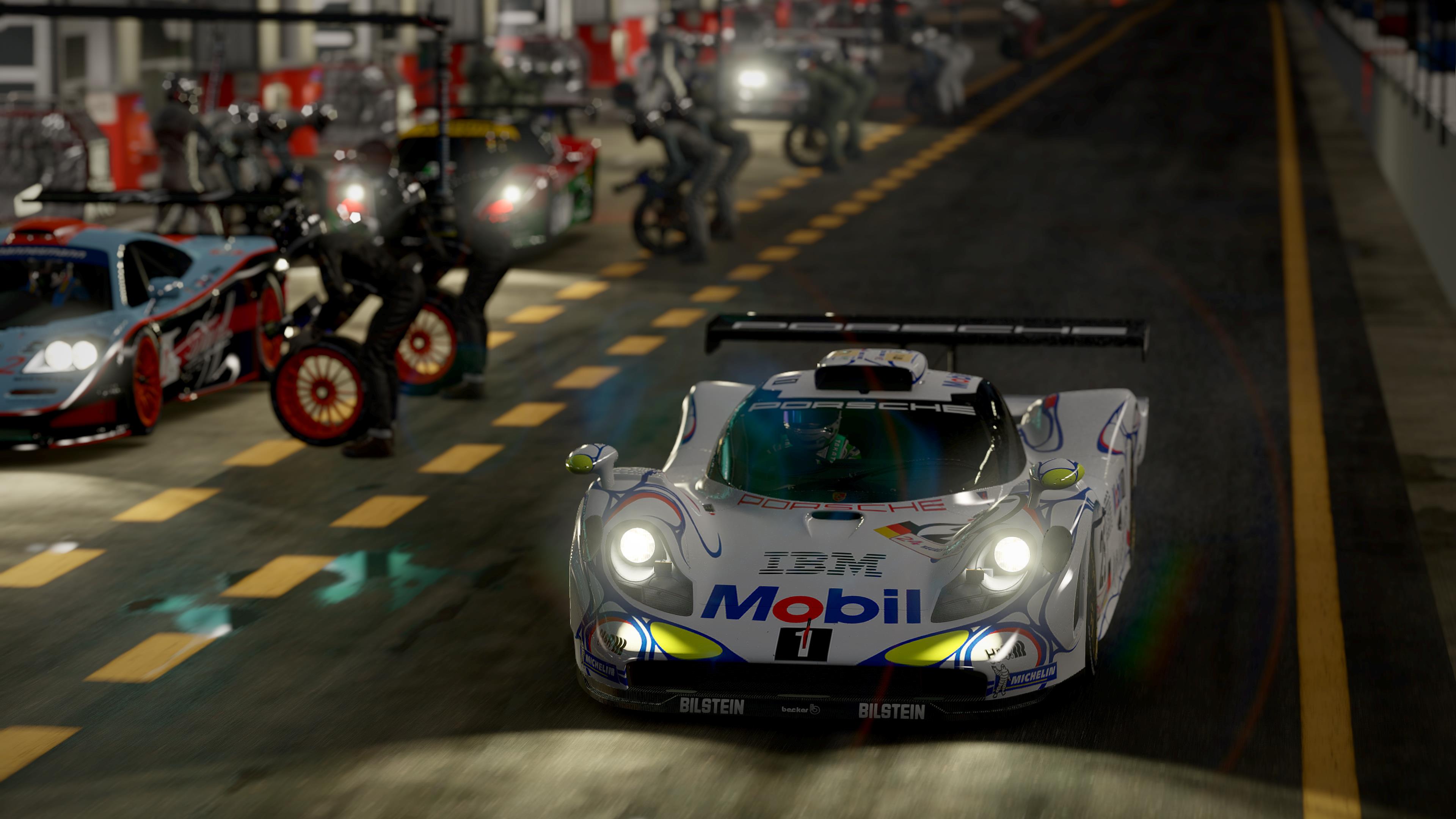
 Most of the time you spend racing in Project CARS 2 will be during the extensive career mode that is available to players with almost every tier available right off the start. If you feel like starting at the bottom racing karts around a track or feel like jumping into third tier vehicles right away then you have that option since only the two highest tiers of racing are locked until you prove your mettle as a driver in the other tiers. Other than these tiers it is worth noting that special Manufacturer based events are also locked behind relationship levels that require the player to use certain brands of vehicles in their races enough time to unlock. This gives racers a little something extra to work towards as these are the only real unlockables in the game since everything else is available right off the bat.
 Outside of the aforementioned career mode, players also have the option of taking their skills online to try their best against other racers through competitive play. It is interesting to note that the developers have included a feature called “reputation” that will keep players who drive dirty from playing with those who want to play as clean as possible. Unfortunately this can be a bit of a negative as unintentional crashes can hurt the player’s reputation though this filter is optional so even those who may spend some of their time ending up in a corner after causing a pile-up can still find matches.
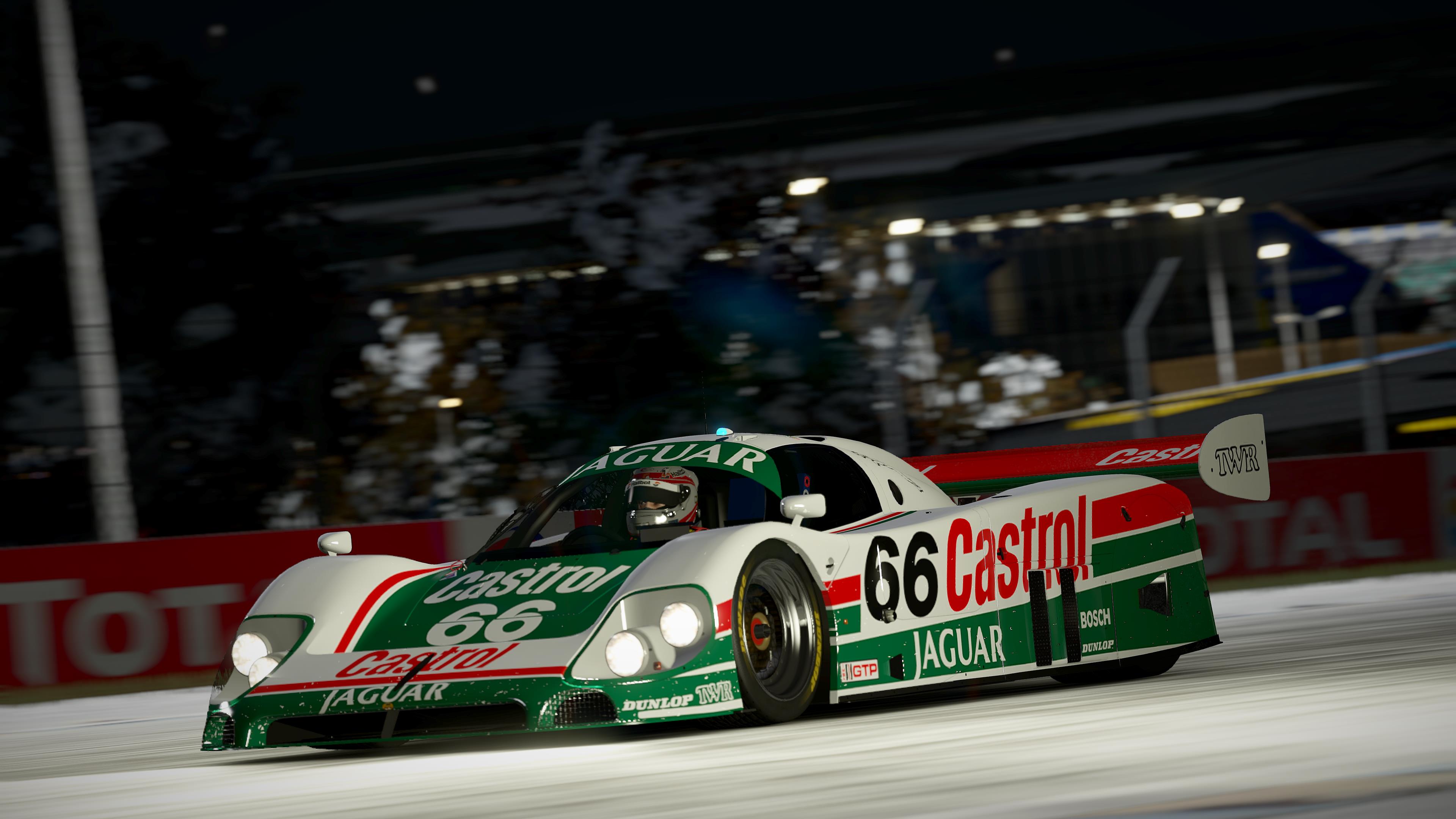 That being said, these weather changes also can bring forth some of the biggest issues with the game and that is the AI of other drivers. Players can adjust their speed and aggression as they wish but even when kept at the same setting they will often behave rather erratically. I’ve seen times where nearly the entire field would struggle to make one of the first turns on a track to cars randomly losing control during the best conditions possible only for them to easily manage a rain-slick road. This also plays a factor when it comes to qualifying for races in career mode. More often than not players will find that their fellow racers are capable of pulling off incredible times if you happen to skip the qualifying laps after setting a satisfying time for yourself, putting what seemed like a pole position into a middle of the pack starting point. Combine that with the fact that the penalty system, which can be turned off as well for single player but is terribly annoying online, is incredibly eager to force players to fall back to previous positions when in navigating through a cluster of cars.
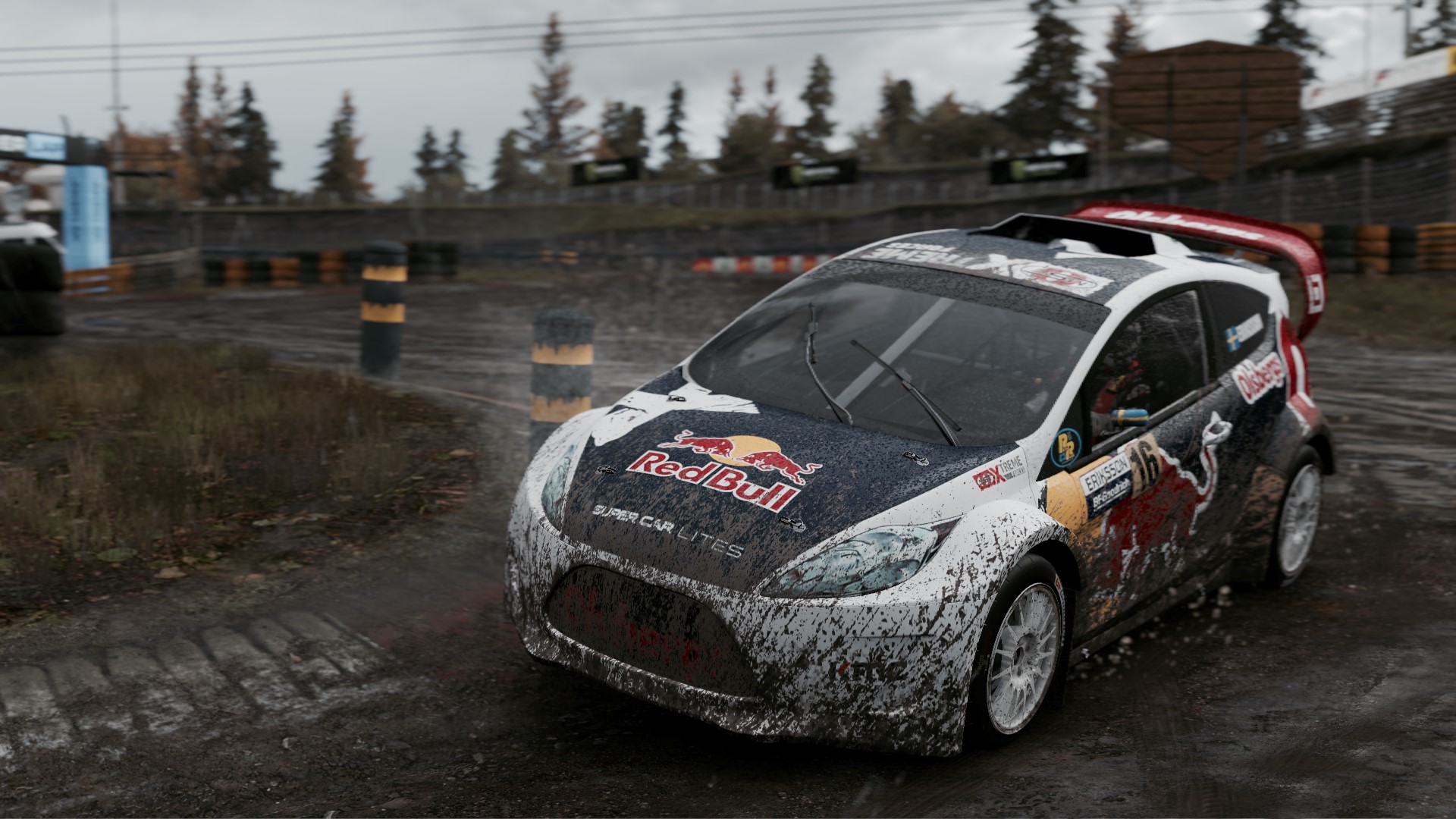 That being said, there are some times that the game will suffer from a bit of slowdown when navigating through a large pack of vehicles during some of these conditions. These slowdowns tend to be fairly uncommon but appear often enough to be worth mentioning. As far as the sound effects for Project CARS 2 goes, players will be delighted that the developers have made sure to replicate the various sounds that one would expect when driving a real race car. Players also will be treated to a soothing instructional voice when navigating through menus and even the spotter, who can be turned on for every race if you so wish, is voiced in simple but fitting fashion.