


The Blood of Dawnwalker
Developer: Rebel Wolves
Publisher: Bandai Namco
Platforms: PlayStation 5, PC, Xbox Series X (Reviewed)
Release Date: September 3, 2026
Price: $69.99 USD – Available Here
Overview
Sometimes a game comes along and surprises you in nearly every way. Sometimes this is because you’ve been trying to avoid trailers to experience everything for yourself firsthand without any spoilers, even the smallest ones. Other times it may be because the numerous mechanics at work flow together so well and tell such a cohesive and enthralling story; it delivers a near-perfect experience. In the case of The Blood of Dawnwalker, it just so happens to be both. Bringing with it some considerable talent, Rebel Wolves has managed to create an original IP in The Blood of Dawnwalker that few probably could see as being just as amazing as it sounds. Set in an open world during the Black Plague and cast in a dual-role life in a race against the clock, expectations were high, and thankfully Rebel Wolves has managed to clear them and then some.
Story
Set in the fourteenth century in Europe, the Black Death, better known as the Black Plague, is sweeping through the land and burning away the lives of thousands of people. No one can stop it; no one even knows where it comes from. In the isolated valley of Vale Sangora, the people struggle even further under the tyrannical rule of an oppressive king, that is, until they find themselves trading one curse for another. As Coen flees from the pursuing forces of the king’s men, following his edict to slay anyone who is infected by the plague. In a desperate attempt to save his younger sister, Coen flees to the hills even as he is overpowered by numerous men, when suddenly these well-armoured soldiers are torn to shreds and feasted upon by swift-moving beings beyond Coen’s wildest nightmares. After seeing these beings, who he soon understands are vampires, the vrakhiri, as they call themselves, are now their new lords in the valley as they have the one thing everyone desperately needs. A cure for the plague.
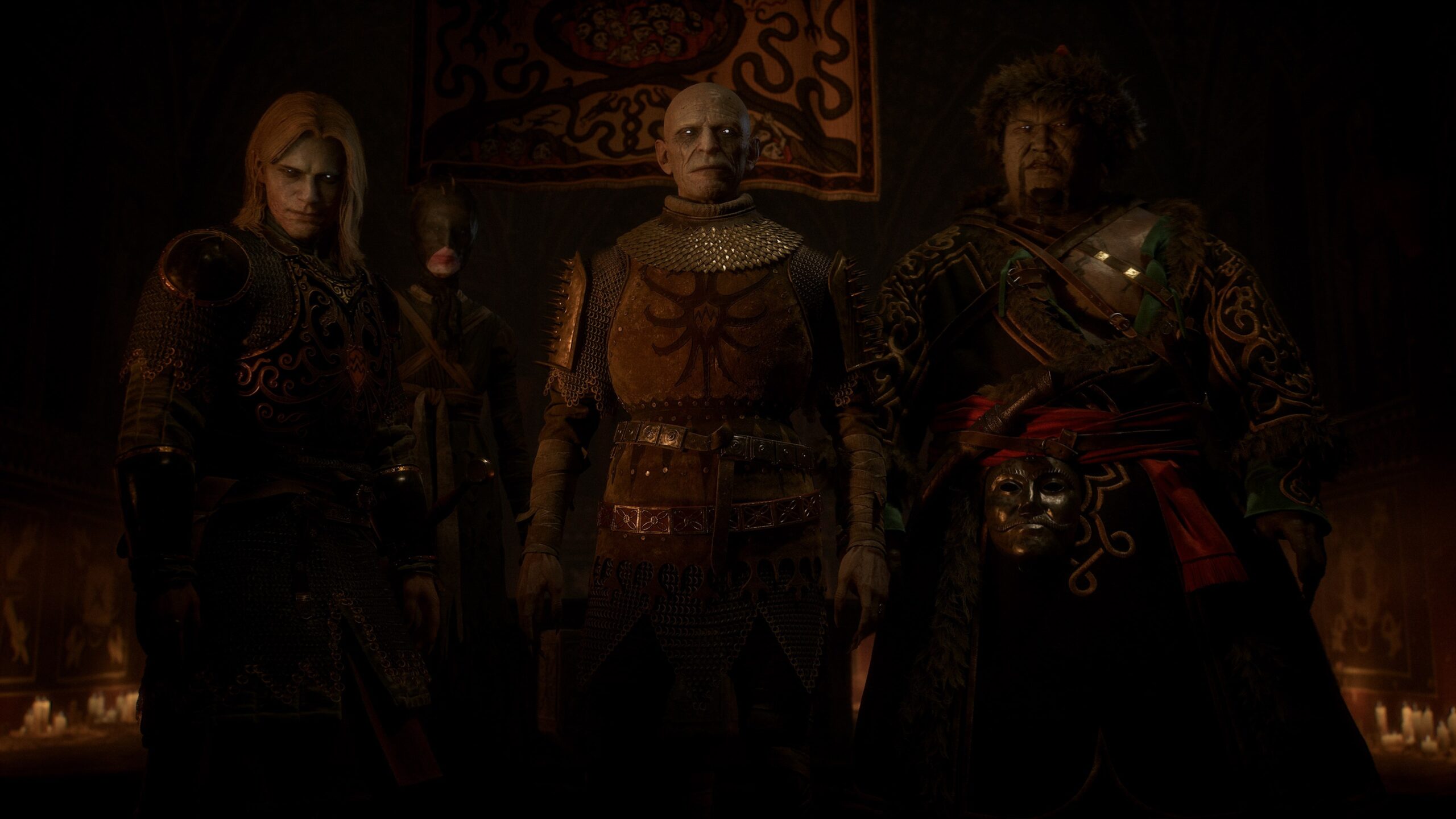
Upon watching his sister’s near-dead state heal completely from a few drops of vrakhiri blood, save bring his sister right back to normal, it soon becomes clear that this monster, this being known as Brencis and his clique of vampires, a trio of his boyars each with their own unique strengths, weaknesses, and twisted personalities to bring to the humble vale. After slaying the ruling king and any nobility that refuse to bend to his rule, Brencis dictates that the people of Vale Sangora must “donate” a pint of blood regularly to keep the vrakhiri fed, but things are far worse than they seem and even in the best of conditions, this has begun pushing people to the limit after a couple of years under their rule, even if they must still rely on regularly drinking bits of vrakhiri blood to stave off the plague.
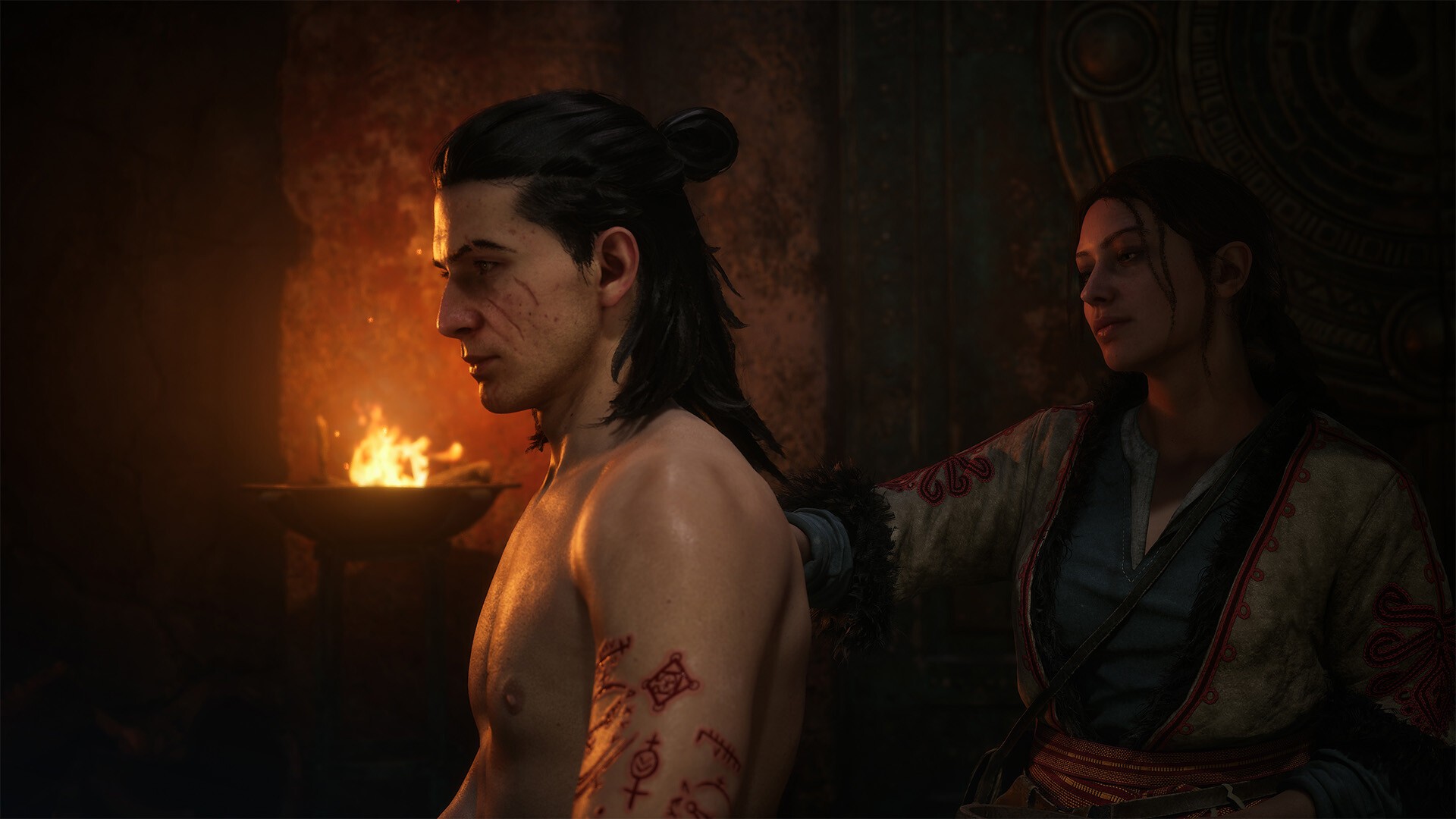
With his mother vanishing into herself and the people of Laslea, who once had access to a silver mine, tired of Brencis’ weekly masses of draining blood, decide to re-open the mine and take the fight to the vrakhiri once and for all. Or at least they would have if they weren’t near instantly found, with nearly everyone being killed and Coen finding himself at the mercy of Brencis, who takes one of his teeth and embeds it directly into his heart. While this would usually mean death, in this instance that is exactly how a vrakhiri is made, and Coen eventually finds himself stumbling out of the mines to find that not only is the village of Laslea aflame, but his family and any survivors are being taken to the dungeons in Brencis’ castle for his “coronation” that will happen in thirty days. In an attempt to stop Brencis early, Coen is easily overpowered and embedded against a tree, left for the sun to finish Brencis’ job, only for him to awaken in the bed of the local healer, finding that while Coen is a vampire by night, he is human by day, making him a Dawnwalker that has only thirty days ticking away to save his family.
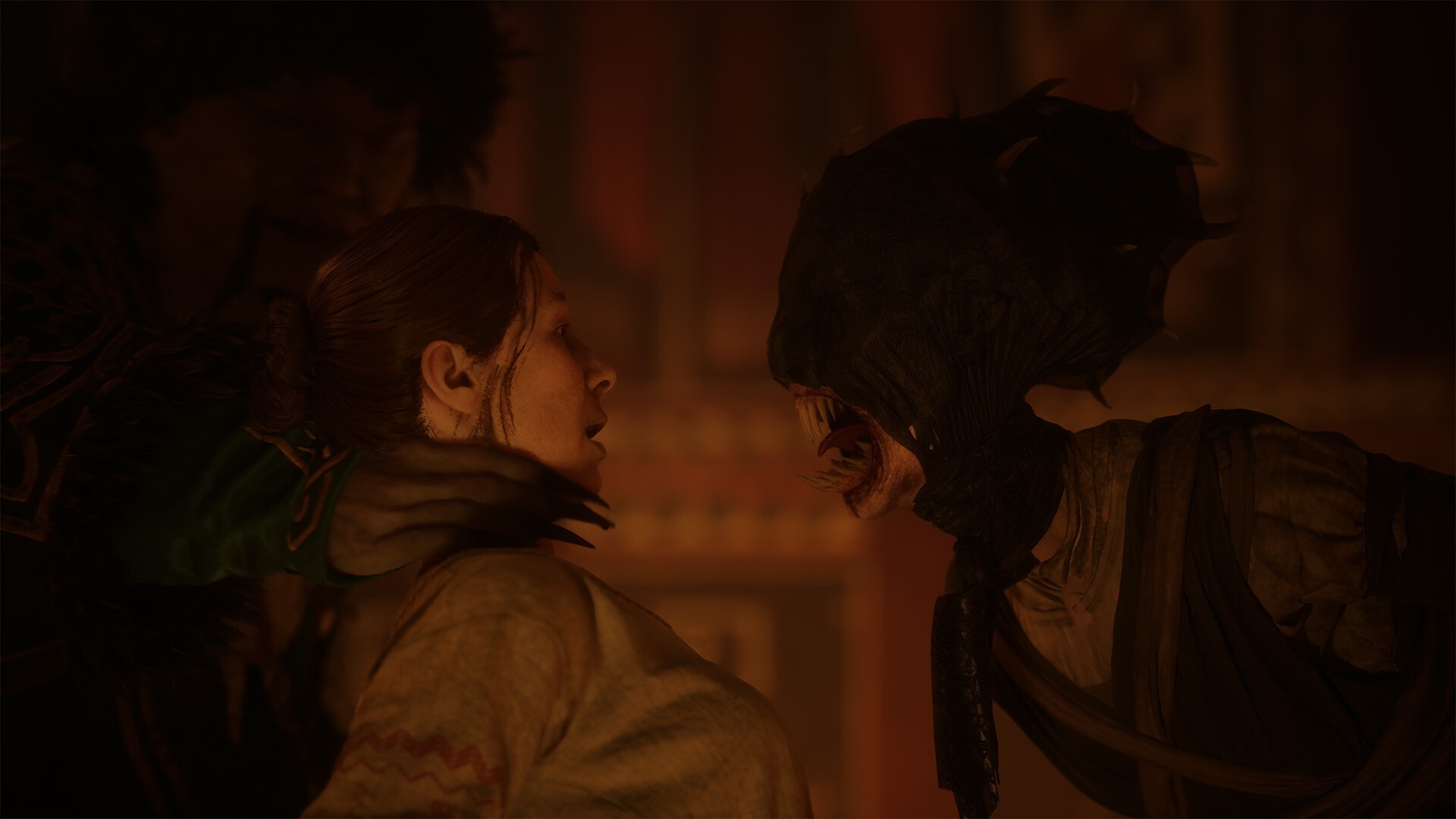
The Blood of Dawnwalker may seem a bit frontloaded, but there is a good reason for that. Once the prologue comes to an end and players are able to venture out into the world, the entire world is theirs to explore. It is theoretically possible to take a straight shot all the way to the castle walls and try to save your family instantly, even if doing so would end with instant death before players could even get past the first set of guards. Instead, it is up to players how they want to dictate their story to go, what missions they choose to do, what missions they skip or avoid, and who they may want to ally with. Players who feel like angering one of Brencis’ boyars can target one of their operations, such as blood transports, pillories that humiliate and punish disobedience, rebel hunters, or even disrupt the efforts to search for ancient artifacts or recruit members into the supernatural “Blood Guard.”
The key component here is that nearly every mission takes a portion of time, some as simple as one block of time to up to three blocks for even the simplest of missions, meaning that taking down a blood storage facility will change the time from dawn to noon, bringing players closer to the night. Even simple things such as restoring a broken shrine or clearing out a den of wolves can notch a block off the time of day. This doesn’t even cover more intricate missions that follow longer and more detailed events that often see massive chunks of time taken in order to fully complete them, though often the reward for doing so is suitably fitting. Not only narratively but from an equipment perspective as well. That being said, it is also worth noting that this time system is not nearly as punishing as some may see it as at first, as it is entirely possible, if players properly manage their time and avoid certain aspects or upgrading their skills, to have plenty of time to work with.
It must be said that The Blood of Dawnwalker has some of the best writing that an open world game has had in quite some time. Nearly every mission players undertake, be it destroying a convoy, distillery, or something else minor, there is usually some extra tidbit of story here, be it a note on a body, a choice involving characters that may or may not come back to bite players later on, or reward them, and more. For example, saving a group of prisoners may see them appear on the side of the road robbing and killing innocents, saying they are supporting the player’s cause by killing Brencis’ supporters, resulting in yet another choice in putting down these killers or letting them go about their way. There is no good or bad choice, no morality system; in fact, the game often likes to sit heavily in the shades of grey area. One moment players might be simply letting a gangster hack a debtor’s arm off to prove they’re just a prospective customer, only for the next moment to have him busting his head open against a wall to get what they need.
These are only the surface and side-story level missions as well; this doesn’t even cover the primary missions that see players finding allies that will potentially fight alongside them in the battle against Brencis, provide unique revelations that may weaken his forces, or even obtain permanent quest-bound bonuses that will rely on the player’s choices on whether they wish to obtain them or not along the way. The characters throughout these longer questlines feel like real people, especially in the realistic enough setting of a supernatural fourteenth-century Europe. Taking part in their storylines will make players eager to burn time, even if it may mean that something else will have to wait by the wayside as a result. It is also worth noting that there are three romanceable characters in the game and it is possible for players to be with all three characters at once, though there is no real lasting implication for the romance beyond a bit of extra dialogue and some spicy scenes.
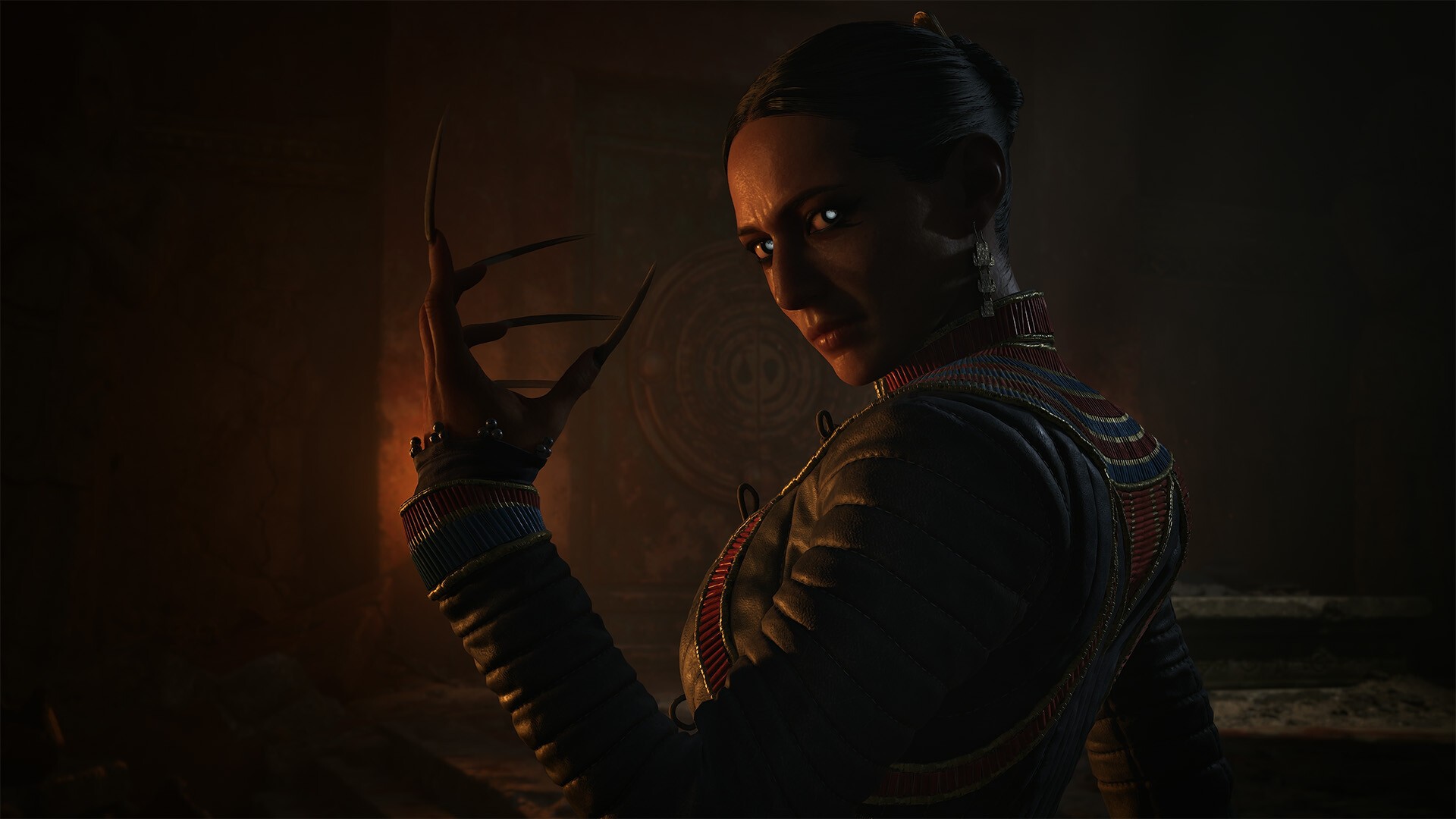
As for Brencis, his boyars, and the environmental storytelling, The Blood of Dawnwalker takes things to the next level. Throughout the player’s journey, they will constantly come across ruins of ancient civilisations, long forgotten but hinting at far more about the vrakhiri than meets the eye, long forgotten rituals of power, betrayals, and more, giving players so many contextual clues to try and put things together for themselves without ever saying it outright. As for the Boyars, these three are unique in their own rights as they each have goals of their own, even if some are far pettier than others and even willing to beg to be saved once defeated. While we won’t spoil things here in regard to what happens when a boyar is slain, it is extremely interesting to note that anytime Coen drinks the blood of a slain vampire, players will be given the choice to “accept them.”
This will result in these characters then whispering in Coen’s ear as they make their way through the game from then on, commenting on his actions, people he is talking with, or even dangerous locations he may be venturing into. Nowhere is this hinted at, nor was it ever a potential thought that it would happen, but being able to have the echoing ghosts of numerous vampires commenting was an enriching experience that made engaging with the world more enjoyable, especially in regards to its mystical elements. Speaking of which, the mystical elements of The Blood of Dawnwalker also play a significant role in keeping things mysterious and never quite answering what players want, even in regards to Brencis and his plans, as well as Coen’s nature, just barely giving enough that players can put things together for themselves, and the revelations are outstanding once they come. None of these we will spoil here, but some of them are quite surprising and in a way incredibly grounded, making this a game that players will enjoy every bloody moment of.
Gameplay
In many ways, The Blood of Dawnwalker is as accessible as it can be when it comes to an open world RPG. Right from the beginning, the game offers a variety of difficulty modes ranging from easy to hard and even a special difficulty mode called “duelist” that removes directional signals from incoming enemy attacks, lowers Coen’s total stamina, but also makes enemies have far less health, being a double-edged sword for those who want to test their limits. These difficulties can be modified even further by having various tweaks, such as allowing players to use healing items from their inventory during battle instead of only what is available on the quick-use pad, the ability to auto-block attacks, and other modifiers to make things easier for those who simply want to enjoy the storyline and explore the world, while those who want to bear the brunt of the Knyaz’s forces.
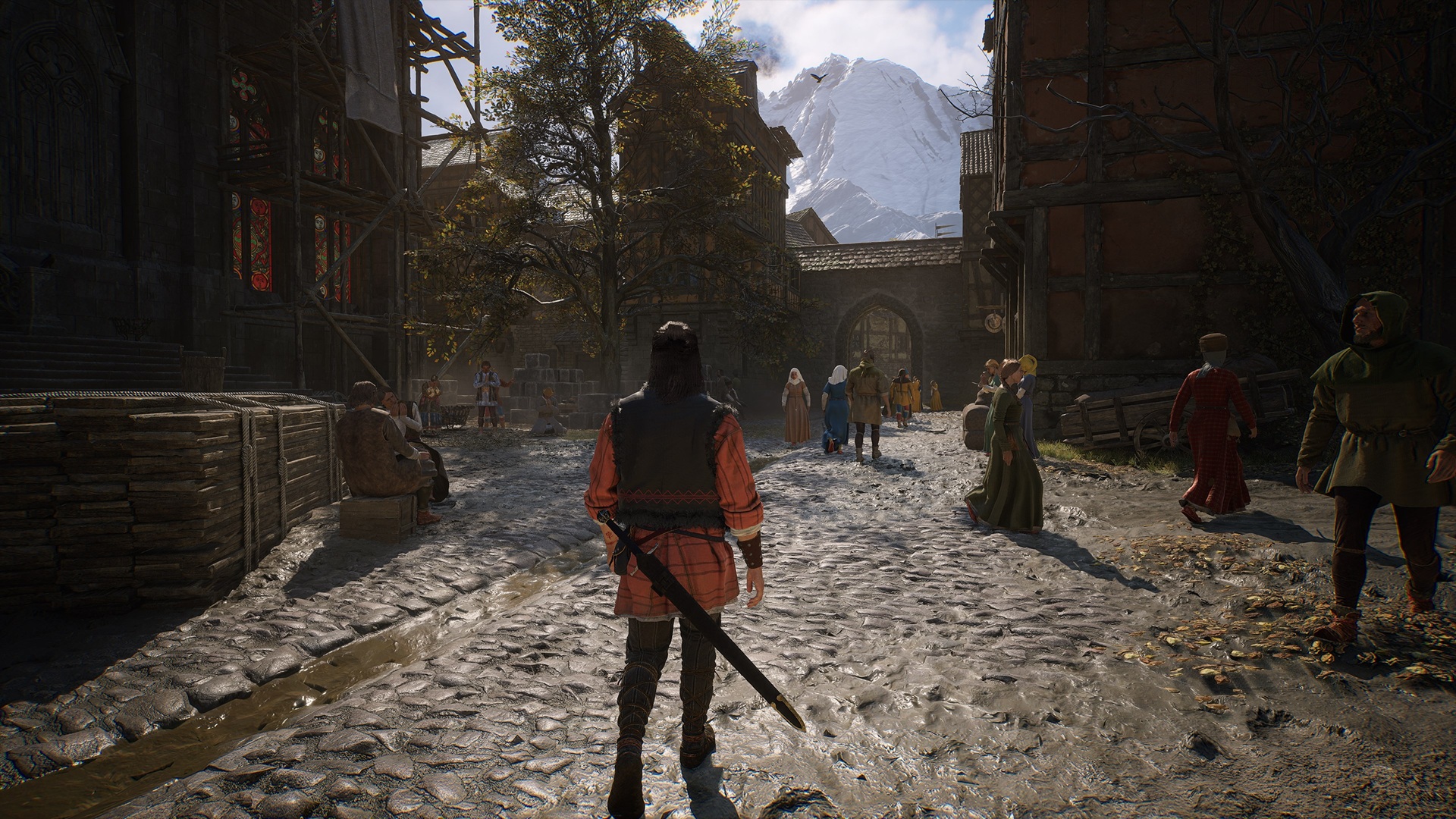
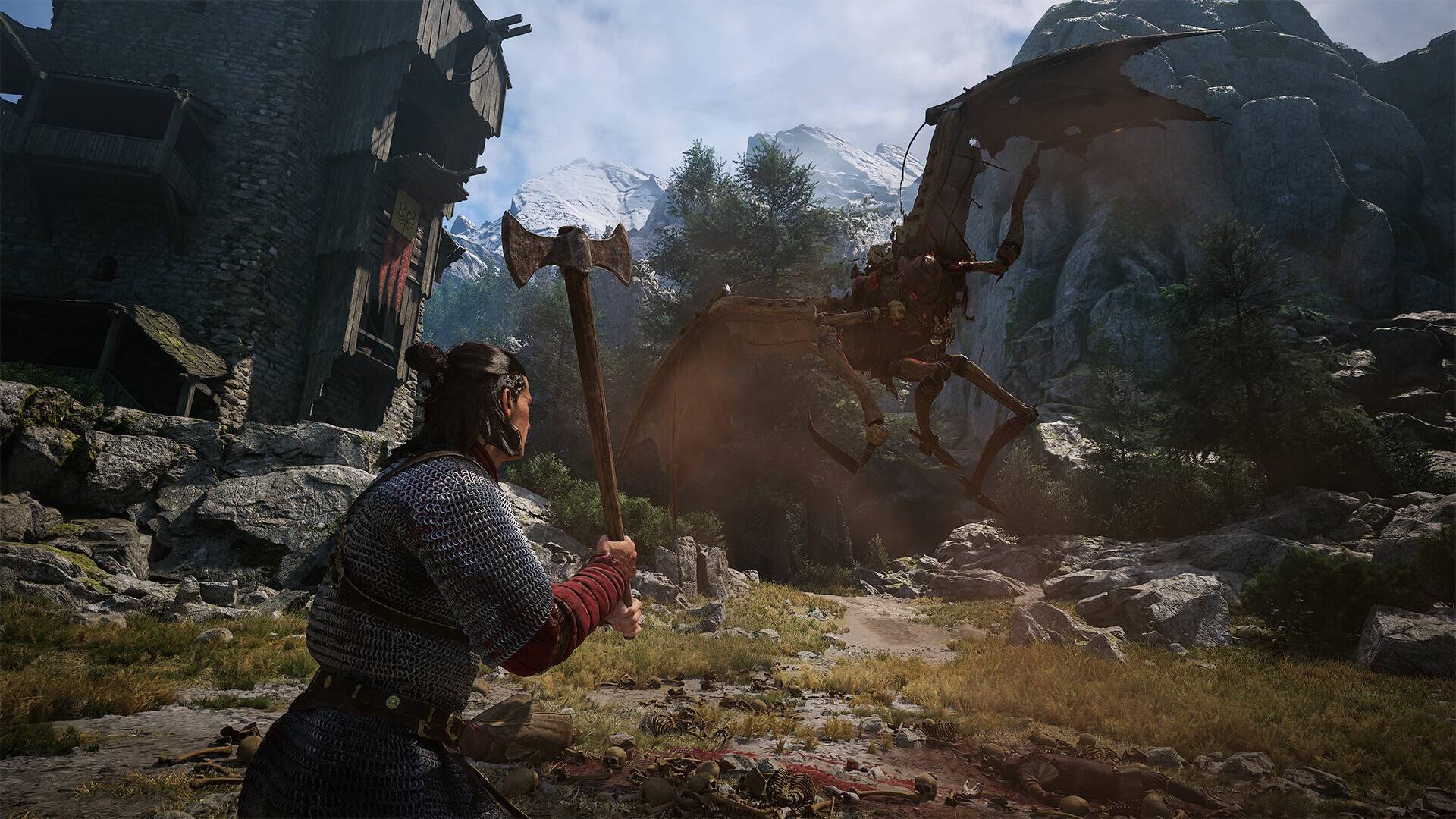
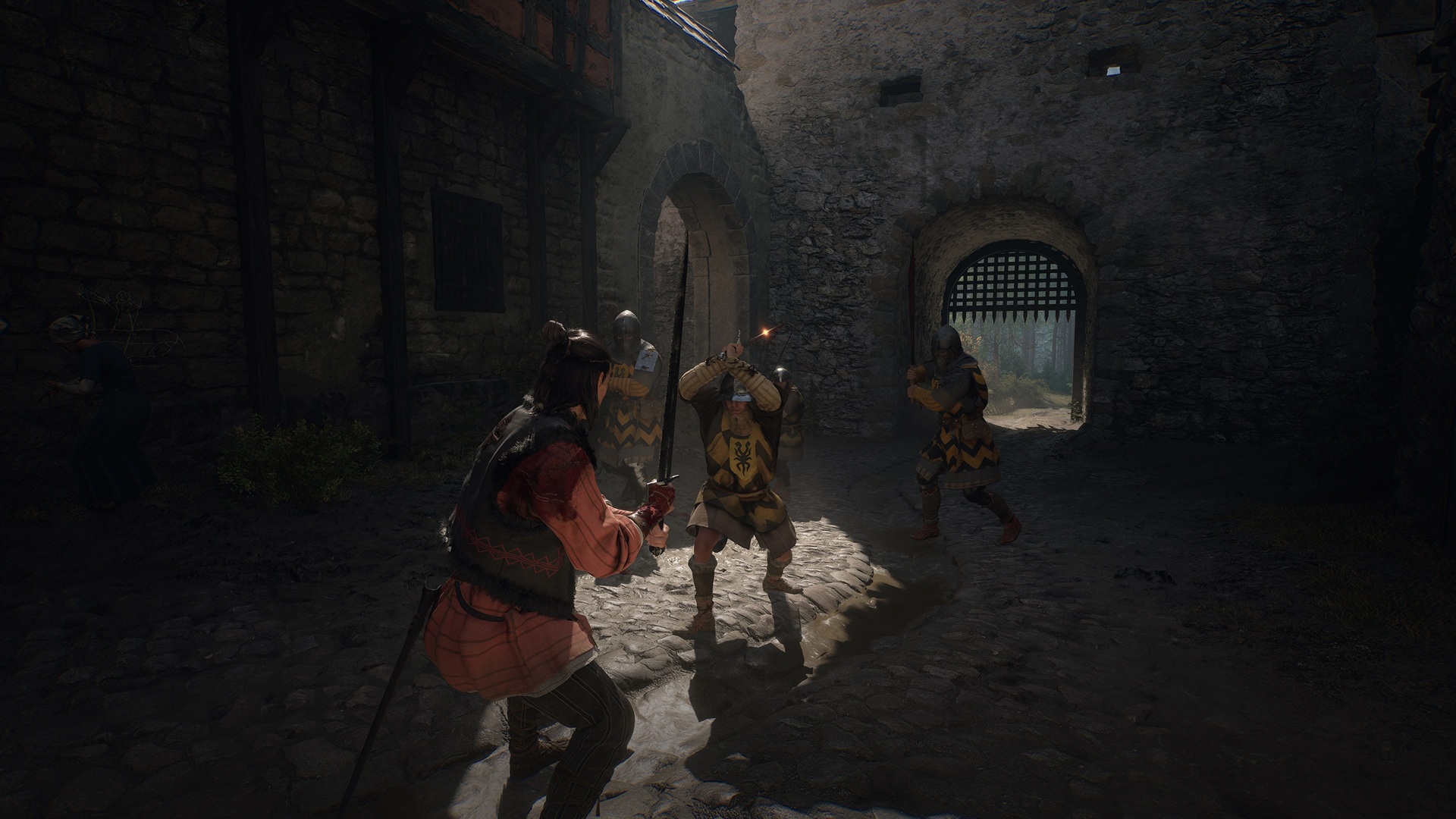
When it comes to combat, players will be able to experience it in two forms depending on the time of day, but many of the mechanics remain the same regardless. Similar to the difficulty options, players can choose to fight using either traditional combat or directional combat, the former costing more stamina while the latter requires precise aim for blocks and parries but also rewards the player with a generous amount of buffs eventually. Either way, during the day, Coen will wield his sword and can make use of Hex magic spells that the player has uncovered and learned throughout their adventure, be it burning the blood of their enemies, summoning a flock of crows to descend on them, or even creating a barrier to reflect attacking foes’ damage back onto them. Depending on the Hex ability and whether players have upgraded their witchcraft skill tree in certain regards, the spells require HP to cast, meaning players will sacrifice health to damage their opponents, and while it is possible to eat food during combat, their healing effects are slowed drastically. On the other hand, crafted healing pastes, ointments, and other potions can instantly heal the player or provide constant regeneration, including multi-day benefits depending on the strength of the potion used.
Regardless of the time of day, Coen can make use of any swordmastery skills that he has learned, and players will start out with a simple “dirty trick” of throwing sand into an opponent’s eyes to temporarily stun them, to eventually using skills that target an enemy’s weak point and potentially instantly decapitate them. All skills, be they swordmastery, Hexes, or Vampiric, take activation charges to use, with more powerful skills requiring more charges. These charges refill by blocking properly and dealing damage to enemies. It is also worth noting that most swords of blue rarity or higher will generally have a special attack of their own that can be used on a cooldown to perform a unique attack, though some of the best swords in the game have extremely powerful unique attacks that vary whether Coen is fighting as a human or as a vampire.
Before we move on to the vampiric abilities, it is worth noting that players must use skill points earned through levelling up or completing missions to unlock every type of skill, often costing a segment of time too, but Swordmastery and Hexes also have an extra requirement of needing the player to acquire a book containing the knowledge first. This is often done either through completing activities such as purifying haunted locations or discovering places of power for Hexes or seeking out swordmasters or simply killing soldiers and looting their bodies for swordmastery books. Many can also be straight up purchased through vendors if players have enough coin, though the strongest variations are often hidden away.
On the other end of the coin, though, things are slightly different but noticeably so as well. Once night falls, Coen will not only have increased health and heal over time, but also require blood and while players can feast on animals such as sheep, deer, and even rats to restore health, they won’t often provide nearly as much as humans. Thankfully, battling against Brencis’ soldiers will often provide players with plenty of human blood vials to keep Coen’s bloodthirst sated, since there is a unique mechanic where, should Coen talk to a character while too low on health, he will literally force the player’s hand and consume them down to the last drop, even if they are an important NPC.
Travelling around as a vampire is also far different than travelling as a human. While human, Coen can use a passive ability to move incredibly quickly while running, and if it is upgraded to the max it will literally look like everything is moving in slow motion while he runs, but as a vampire Coen transforms into a wolf form which can similarly be upgraded for faster running speeds, but everything remains the same speed around him, meaning humans will run in fear and guards will notice. It is also worth noting that Coen’s vampiric form is also capable of “Planeshifting” where he can teleport short distances such as onto rooftops or even onto the side of a wall, literally allowing him to walk up a wall as long as the player has stamina, or use his claws to ride down a wall safely from a large height. Planeshift can also be used in combat to close distance on foes or jump behind them to attack from a vulnerable point.
Combat and skills as a vampire are another thing entirely from their daylight form, though they still make use of activation charges, and players can wield a sword if they prefer; but at night, Coen can also wield his vampiric claws as weapons. Similarly, drinking blood vials will instantly restore health, and a default skill can be used to drain an opponent mid-fight for a quick heal. Players can swap between fighting with their claws or their sword at a tap of a button, and even the claws can have unique attacks depending on the type of bracers the player has equipped. Similar to Hexes, using most offensive vampire skills costs a decent chunk of health, but it is also far easier to recover.
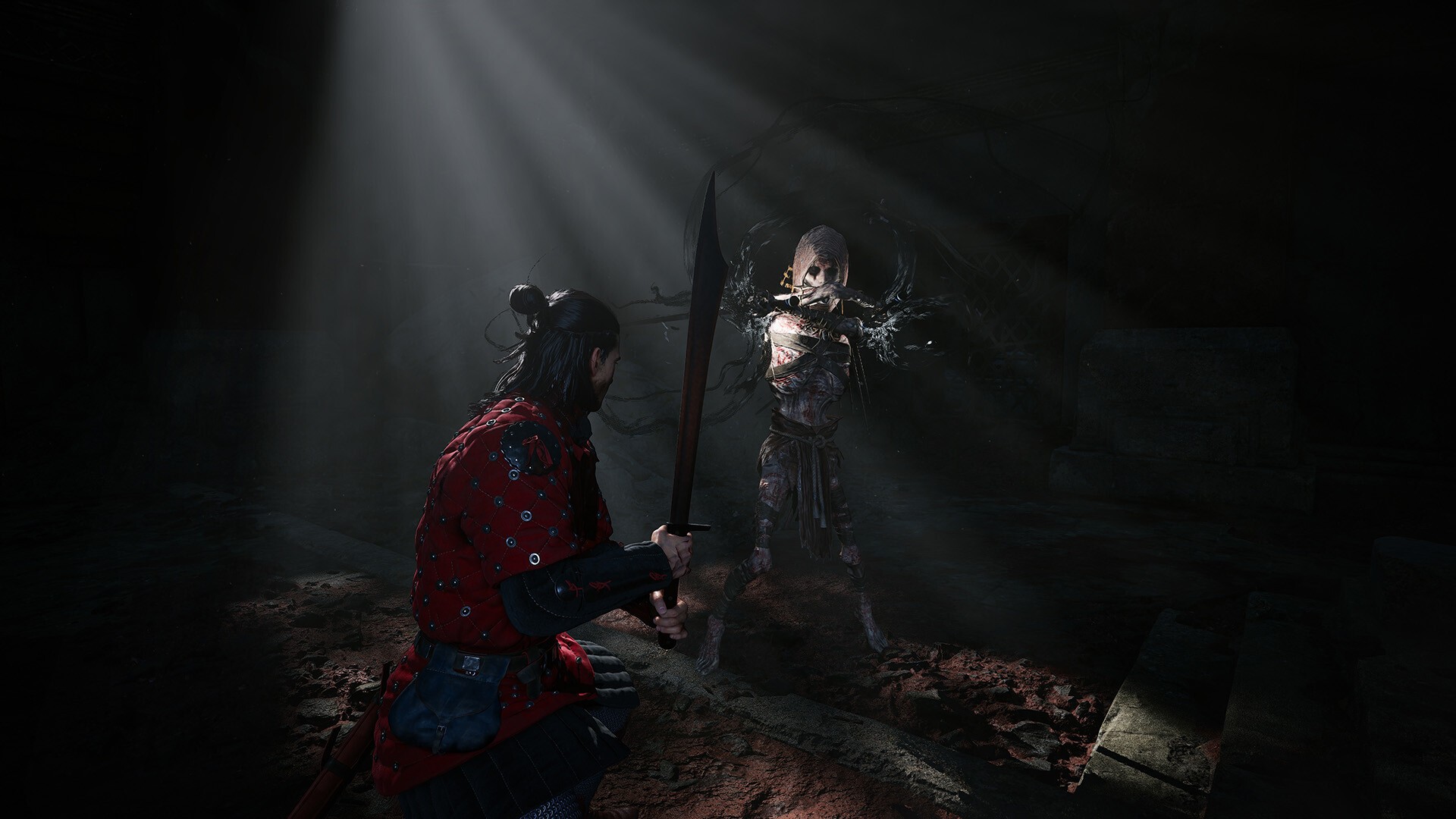
The problem here is that learning these skills not only requires a skill point, but also reaching certain levels of “corruption” from drinking enough blood, tainted creatures, and even other vrakhiri. Higher levels of corruption unlock further skills along the standard ability tree, while offensive skills are another thing entirely. These skills require players to do exactly what was just mentioned: drain the lifeblood of a powerful vrakhiri, unlocking their unique abilities at the same time. These can include skills that restore the player’s health upon a perfect block automatically as a passive bonus, creating a blood surge in an opponent and making them literally explode, mind controlling them, and more. Powerful skills come with a powerful price, and that is just the case here.
As one would expect, some people react far differently depending on how Coen looks when they talk with him, whether he be in human form or a vampire. Once they learn his true nature, it is often handwaved away, but initially quite a few confrontations with potential allies can be dangerous should the player show up as a vampire first. In fact, one of the first major losses of “time” came when trying to meet with a rebel leader only to find myself ambushed and bound to a tree with silver chains, left to burn in the sun while they watched, only to witness the human transformation, instead only burning half a night’s worth of time.
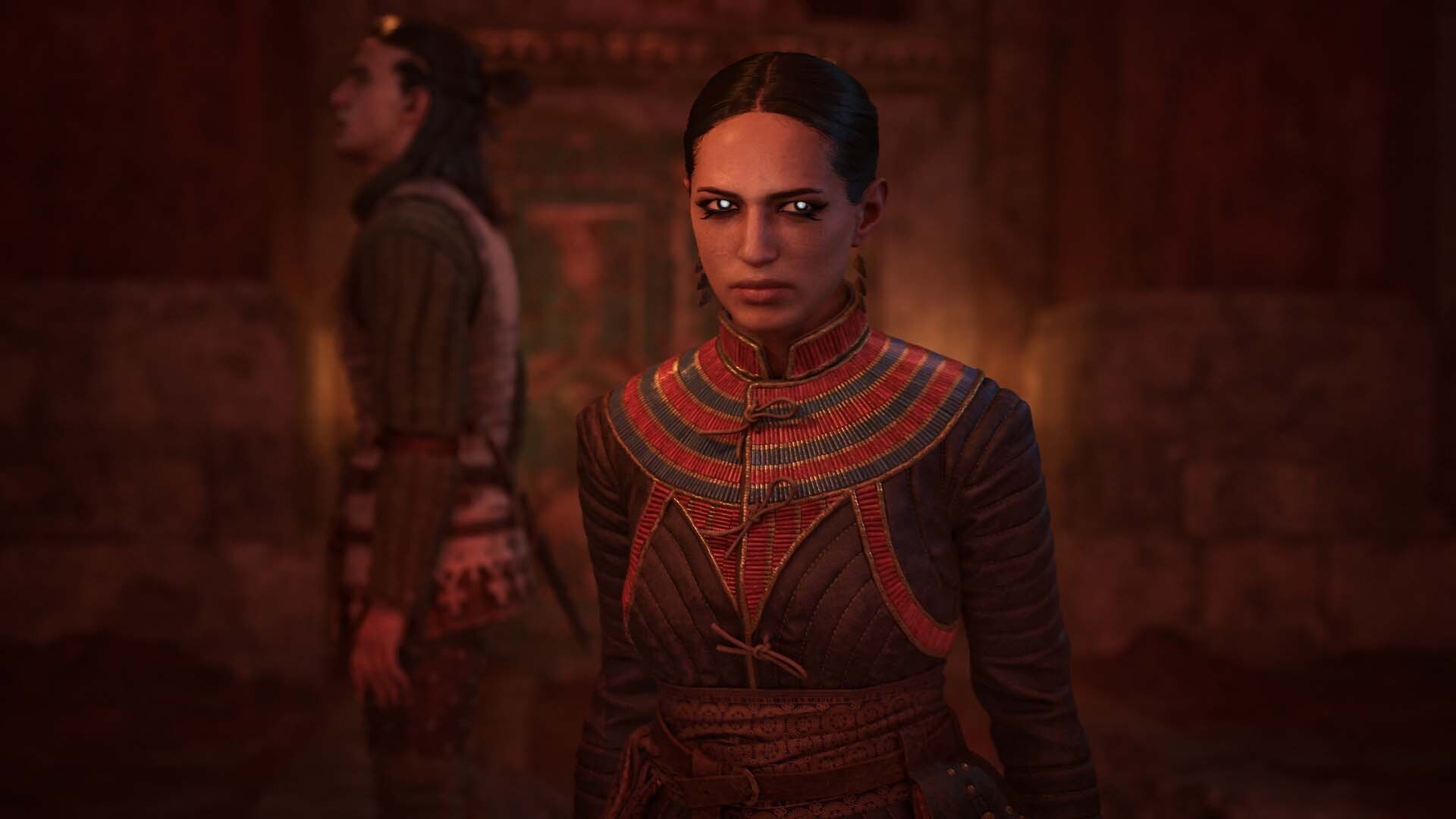
The time management system within the game is one that may seem like a burden at first but truly doesn’t feel like one once players realise what takes time and what doesn’t. Simple exploration, fighting standard enemies and the like, and interacting with the world will keep time as it is, while anything that will pass time will show an hourglass dictating how many segments will pass to partake in a mission or “wait” until a mission starts. For example, a mission that can only start at noon will display a double-digit time expenditure if it is already in the afternoon, meaning it is best pushed to the next day. It is also worth noting that missions that have a time limit are also given a clock icon to show they are on a timer and something bad may happen if players don’t prioritise it.
Audio & Visuals
The Blood of Dawnwalker is an incredibly impressive-looking title with quite a lot of detail when it comes to both the world design and the character designs. Various locales throughout the valley will have different types of terrain, such as the swamplands or mountainous regions mirroring what one would realistically expect, minus the monsters of course, and there is a decent amount of enemy variety too, especially since some of the opponents players come across are entirely unique and feature their own attack set. It is a little disappointing that sometimes a questline’s final boss is simply a stronger version of a spectre, though. The real highlights tend to involve anything beneath the surface as the hidden and forgotten parts of Vale Sangora are where the lore and the game’s environmental storytelling really shine.
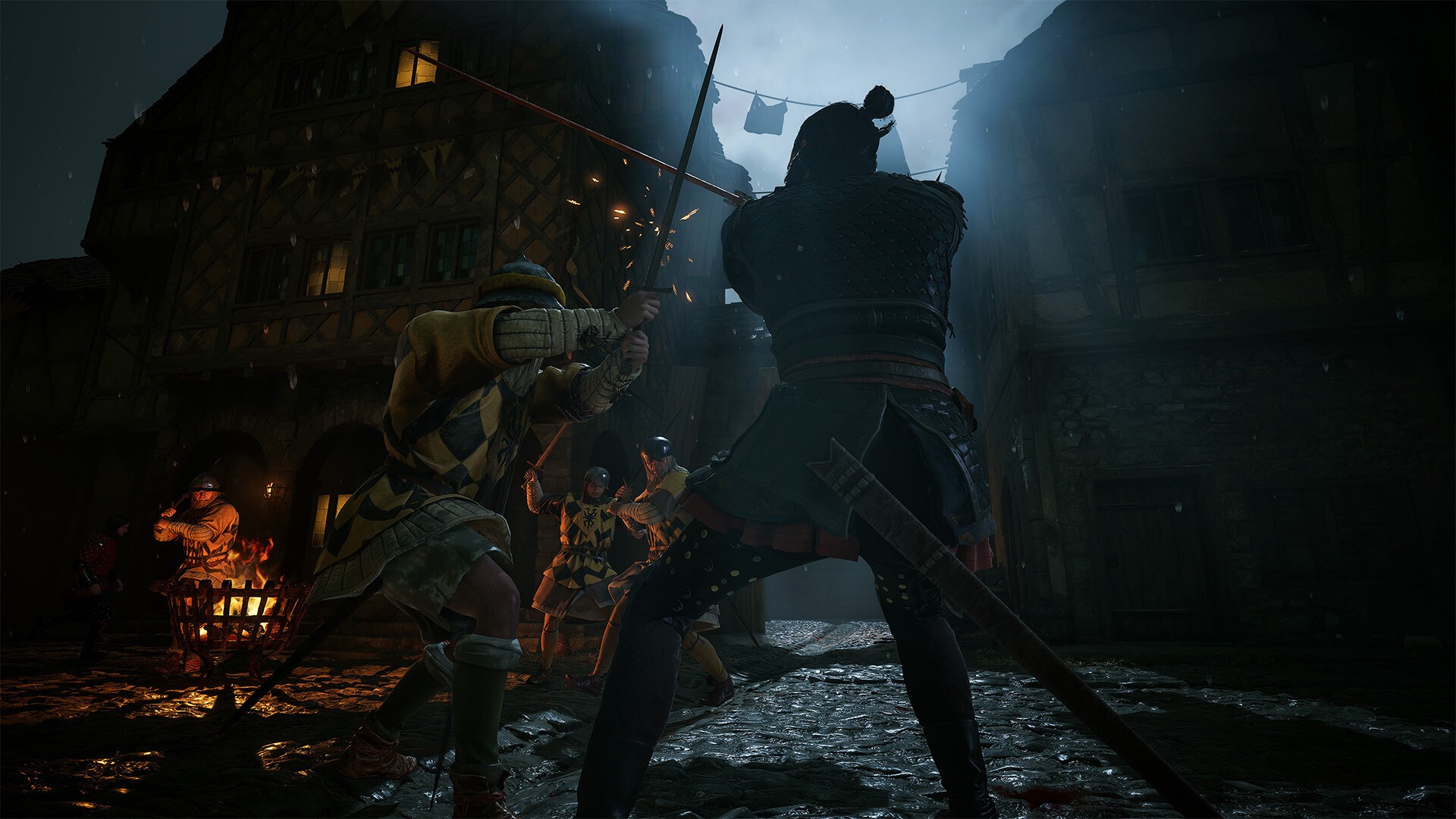
As for the character models, it is nice to note that all of the NPCs players can have actual conversations with are unique, though the generic townsfolk walking around only have roughly twenty or so outfits between them. Monster designs and the terrifying locations players travel through are wonderful, and it also must be said that combat is both impactful and visceral. Perfectly blocking an incoming attack only to flow into a guaranteed critical hit feels wonderful, especially when an enemy is at low health, as Coen will generally perform an execution of sorts, be it a standard finishing blow, slicing an arm or a leg off, or straight up decapitating an enemy. Speaking of gore, as mentioned earlier, there is literally a vampire ability that detonates a target into an explosion of blood that literally splatters everywhere, and even sliced-off limbs will bleed extensively so prepare for a fairly brutal experience when taking on a squad of guards.
The Blood of Dawnwalker features a wide range of voice actors for the many characters that players will interact with from all age ranges, so it is rather surprising how well they perform, especially when it comes to dealing with the whispering of kobolds, eerie voices of the fae, or voices speaking inside Coen’s own head from other vampires he’s slain and taken into himself. It is something of an issue, however, that the human guards only have so many lines they can bark at Coen in combat, so players will often hear the same phrases repeated fairly often in battles with soldiers. The background music for the game is fitting and subtle when it needs to be and eerie all the same when players are traversing ruins or haunted locations.
Overall
There are few games that come around and can enthral a player like The Blood of Dawnwalker can. Rather than worrying about managing their time in the game, players will be finding themselves managing their real-world time to sink countless hours into Vale Sangora to try and find out every possible secret they can with the time allotted, all while enjoying the dual nature of the fine-tuned human/hex combat and vampire sides of combat and traversal. Even then, this can barely be scratching the surface, as there are entire sequences that players can approach in completely different ways depending on their actions, meaning that it is certainly worth trying more than once even if the game lacks a New Game+ of any kind. Combine that with multiple ending approaches and a story that is so detailed and layered, and is already primed to continue in the future, and The Blood of Dawnwalker is a shining example of what developers can do when they have the freedom to embrace something new.
Capsule Computers review guidelines can be found here.

