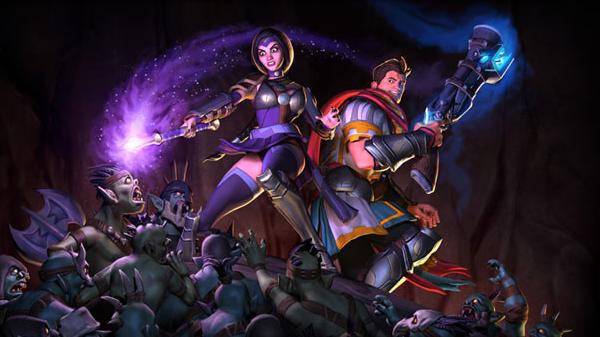
Robot Entertainment, the developer that brought us Orcs Must Die!, has announced that it will be releasing Orcs Must Die! 2 this summer. Adding the Sorceress as a new player character, the sequel will feature co-op and a brand new campaign taking place days after the original. Not to mention new enemies in addition to those you enjoyed killing so much the first time around. But, that’s not all as there will be new spells and traps to use too, harnessing a revised upgrade system.
Sorry though XBLA fans, this time around it looks to be a PC exclusive. But, those fans from Orcs Must Die! will receive bonus content by owning the original PC version. Those going to Pax East will have a chance at a playable version at Robot Entertainments booth. Otherwise you’ll just have be content with the video and wait until it drops this summer.
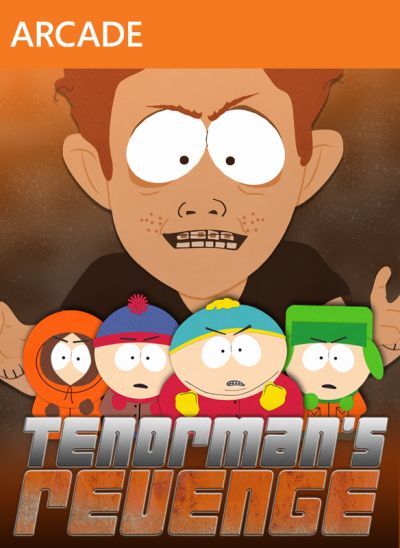
South Park: Tenorman’s Revenge Developer: Other Ocean Interactive Publisher: Microsoft Game Studios Platform: Xbox Live Arcade Release Date: March 30
Overview
Licensed games are sometimes terrible, usually adequate and rarely fantastic, but almost always rely on the brand recognition to sell. South Park: Tenorman’s Revenge falls squarely in the middle category – it’s a satisfactory attempt at a platformer, but it’s the South Park coat of paint that will move units.
Story
To the outsider, Eric Cartman seems like your everyday spoilt brat. But South Park fans know he’s a deeply disturbed individual, and you really don’t want to piss him off.
Ninth grader Scott Tenorman found this out firsthand. After tricking Cartman into buying a bag of his pubic hair, he copped the full force of one of the most sadistic revenge plots ever on TV – basically, Cartman had Tenorman unknowingly eat his own parents.
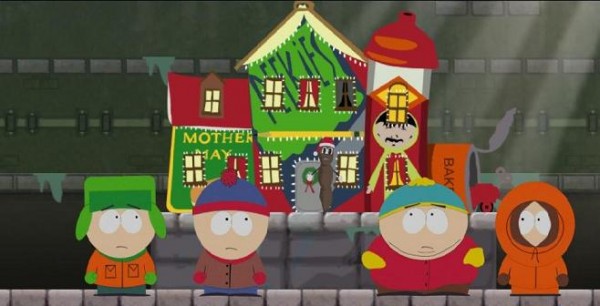
So yeah, if anyone has grounds for revenge against Eric Cartman, it’s Scott Tenorman. This game sees that revenge exacted with a well-aimed strike – he steals Cartman’s Xbox hard drive. Faced with the arduous task of again sitting through every cutscene of LA Noire, and replaying every level of Arkham City, Cartman, Kyle, Stan and Kenny chase Tenorman through time (for some reason), fighting his army of Ginger bots. Oh, and it’s narrated by atheist otters from the future.
Yes, it’s weird, but this story sounds on par with most episodes as far as craziness goes. Fans of the show expect unusual storylines from South Park, but while episodes will satirize pop culture, politics, celebrities or current issues, the game’s narrative lacks any real sense of purpose.
The regular, exaggerated references to Cartman as the story’s hero, and labeling him “Eric the Awesome and Cool”, has potential for the story to turn out to be a self-serving work of fiction written by Cartman, much like the Woodland Critter Christmas episode. This would excuse some of the issues of implausibility and character inconsistency, but no: this is just happening, apparently.
The worst crime Tenorman’s Revenge commits is trying to cram too many fan favourite elements into one game, and not really handling any of them faithfully.
How can Scott Tenorman, a regular teenager, suddenly travel through time, build giant mechs of himself, and run factories that mass-produce robots? Why is time travel a major narrative element, when most locations are in the present anyway? And what do the future otters have to do with anything?
With cameos from popular characters like Mr. Hankey, Towelie, Satan, and a very bland boss battle against Manbearpig, it feels like clinical fan service: throw in as many characters, locations and items from the show as possible, and they’ll be happy. Never mind that without the trademark satirical edge, and almost no humour at all, the developers have missed the point entirely.
The dialogue between the four boys also falls flat, obviously lacking input from the show’s writers. With each cutscene, little effort has gone into advancing the narrative or maintaining the personality of the characters. Dialogue consists entirely of banal comments on previous or impending events: “I’m glad that’s over with”, “let’s keep moving”, etc. It adds nothing to the story, and has no relevance to the character speaking each line.
So with uninspired, almost detrimental use of the South Park license, one might wonder if the game could redeem itself with interesting gameplay.
One would be wrong.
Gameplay
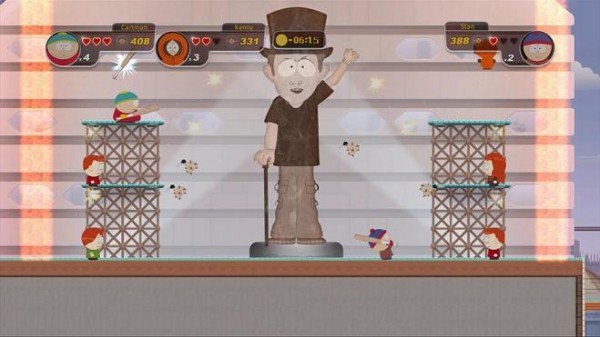
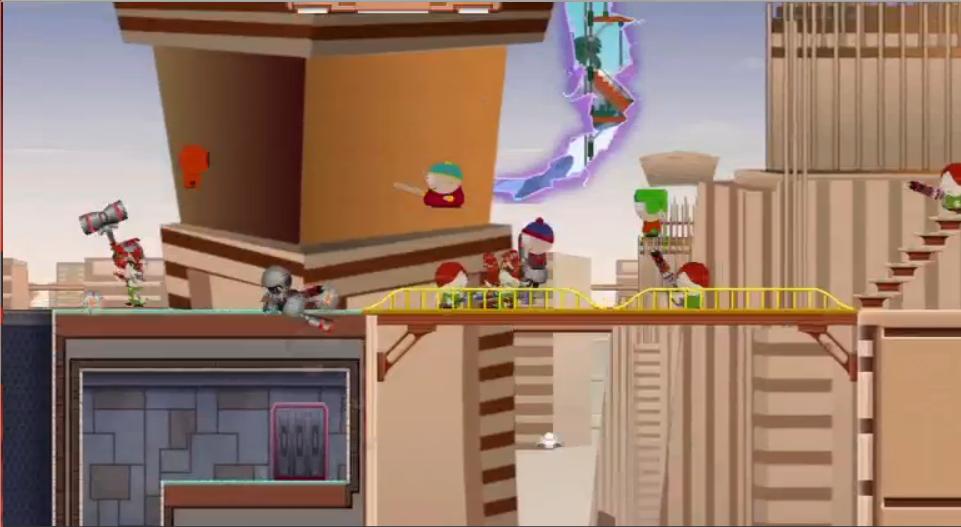
Tenorman’s Revenge follows all the rules of basic platform games, but doesn’t attempt anything deeper. Players take control of either Kyle, Stan, Cartman or Kenny, with co-op play allowing up to four players at once. All the genre hallmarks are accounted for: floating platforms, ladders, switches, doors, crates, arbitrary pickups, enemies defeated by jumping on them, you know the drill.
Very little deviates from the formula, but the elements are handled well enough to make the game fairly enjoyable.
While exploring the levels, players can’t help but collect time particles, which are littered everywhere to the point of absurdity. Time Cores are rarer pickups required to unlock later levels, and collecting the three Mega-Man figures hidden in each level will raise your score.
The level designs are decent, but far from special. Multiple paths make things more interesting, and provide a rather clever way of encouraging both repeated single-player playthroughs and multiplayer co-op sessions. Each of the four boys has a special power mapped to the B button, which lead to areas only they can access. Kyle can pass through certain barriers, Kenny can perform a high jump, Stan throws footballs to hit out-of-reach switches, and Cartman can bellyflop to bust through some walls.
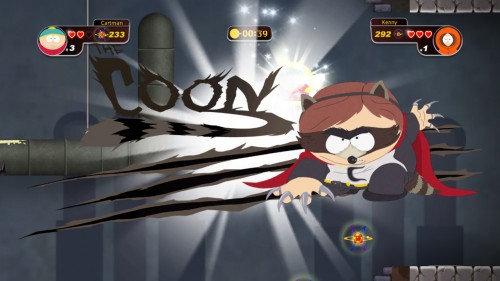
Then there are powerups that let the boys temporarily take on their superhero alter-egos, from the epic Coon and Friends saga. Kyle becomes the Human Kite, which allows him to glide; Stan becomes Toolshed, allowing him to drill through weak floors; Kenny becomes Mysterion, granting him invulnerability; and Cartman embodies the Coon, letting him scale walls.
Unfortunately, none of the powers are particularly fun to use. They’re practical, for getting around, but they aren’t inherently enjoyable.
Levels can be completed regardless of which character you play as, but these abilities and superhero powers lead to bonus rooms and areas that need to be explored to collect every Time Core and Mega-Man. Unfortunately, the bland gameplay doesn’t inspire you to go back to get everything. Only the most compulsive completionists will bother.
Even playing through levels the first time, moments of tedium will set in. Combat involves either jumping on enemies, or using basic weaponry like bats, crowbars or lasers. It gets old fast, and often can’t be avoided: frequently, you must clear spawning enemies out of an area before you can proceed.
Co-op is mildly more fun than single player, but it doesn’t contribute much to the game. It allows you to access multiple characters’ secret areas in one playthrough, but levels are not designed with teamwork in mind.
Visuals & Audio
The show has a simple but distinctive art style, and the game nails it. It looks like an episode. It might have a few less frames of animation, but it doesn’t hurt the papercraft aesthetic.
The characters walk with the jerky, bouncy movements of their television counterparts. Enemies are ripped straight from the show, with Ginger kids, the future atheists, mutant towels, and Mephesto’s genetically-enhanced, five-assed animals, among those that you’ll be fighting.
The settings for the levels will also be familiar to fans, as you chase Tenorman through the town’s sewer system, PiPi’s Water Park, Tynacorp (the company who created Towelie), the atheist/otter future, Heaven, Hell, and finally confront Cartman’s nemesis at his deranged Chili Con Carnival, where he almost exacted revenge in the epic 200th episode.
Their environments are faithful to the series, and they often feature cameos of related characters. The visual aesthetics give the basic platforming some appeal, but once you realize it’s essentially just different skins on the same gameplay, it does wear thin.
It wouldn’t be a South Park game without the original voices, and thankfully Trey Parker and Matt Stone have lent their vocals to the characters. It’s just a shame they didn’t offer their writing talents as well.
I suspect that the music was done by the same people who score the TV series, as it sounds very similar. It underscores the action in much the same way as on TV, while not being too imposing.
Overview
Tenorman’s Revenge is definitely only for South Park fans. There’s absolutely nothing here for newcomers, and even diehard fans may struggle to care enough to finish the game. It’s a very basic, somewhat flawed platformer, wrapped in a clumsy attempt to please fans, but it’s serviceable enough for a few hours’ entertainment.
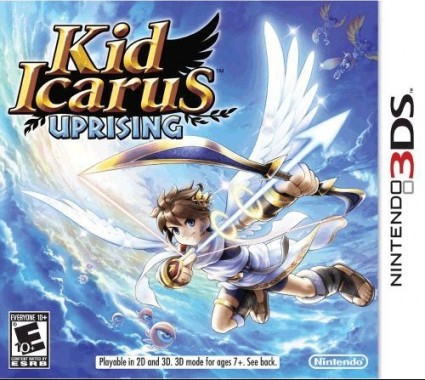
Kid Icarus: Uprising Publisher: Nintendo Developer: Project Sora Platforms: Nintendo 3DS Release Date: March 29, 2012 Price:$41.00 – Available Here
Overview:
It has been 25 years since Kid Icarus was released on the Nintendo Entertainment System. A quarter century later the franchise has finally, FINALLY, been given the continuation it always deserved. In that entire 25 year span since the series conception there have been 3 Kid Icarus titles, including Uprising. The second of which was a Game Boy game that has mostly been forgotten in the annals of time.
So why after so long did Nintendo decide to revive what was essentially a dead franchise? Well it all traces back to Smash Bros. Brawl for the Nintendo Wii. When deciding the character roster for the game, Nintendo decided to include Pit, the protagonist of Kid Icarus. Defying all expectations, Pit became a fan favourite character and amongst the most played characters online (overshadowing even special guest characters such as Solid Snake). The fans wanted more of Pit, they wanted more of Kid Icarus. Nintendo gave them what they wanted, and then some.
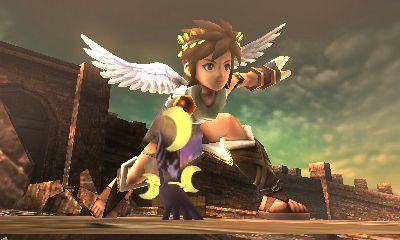
Kid Icarus: Uprising is more than any fan could’ve asked for. It is to Kid Icarus, what Metroid: Prime was to Metroid. It has taken all the elements fans loved about the original and took it to a whole other level. Pit is most certainly back and thank the gods for that.
Story:
Nintendo have shown in the past that they are quite capable of telling deep stories in their games through multiple different methods. Kid Icarus: Uprising is possibly their most admirable story effort to date. Like Starfox Adventures and The Legend of Zelda: Skyward Sword before it, Kid Icarus: Uprising features a complex plot, a strong cast and a remarkably deep mythology underneath it all.
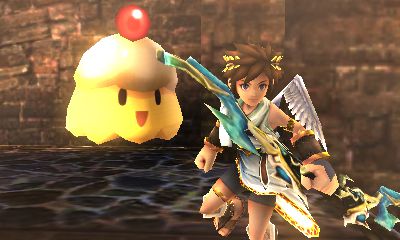
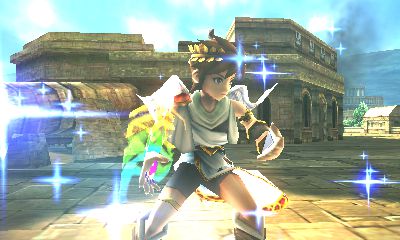
Pit proves himself to be a worthy hero in his own right, but more so an interesting hero. A large portion of the plot revolves around the question of whether or not Pit’s actions are justified. Is he right in killing these creatures, because he deems them evil? Or is he the one who is evil in the eyes of the creatures? This is further amplified once Pit’s dark self is brought to life. Pit’s dark self, named Pittoo, beckons Pit to realise his darker side, to embrace that his actions will never be good in the eyes of everyone. When it comes to war, everyone is wrong.
Honestly I was shocked at the level of depth and profound meaning of this game’s plot. I expected something far more simple, what I got was instead yet another further push from Nintendo to express a message in their games. I was definitely reminded of the whole ‘animal cruelty’ plotline from Pokemon: Black and White. It’s certainly an interesting direction Nintendo have been taking and I must say that I found Kid Icarus: Uprising as mentally stimulating as much as it was pure enjoyment, striking a unique balance that Nintendo needs to keep implementing moving forward.
Gameplay:
It’s hard to discredit the Nintendo seal of approval. They have made a name for themselves that has transcended the industry itself. Everyone knows Nintendo and seeing that name tagged on the case of a game is usually all that is needed to let people know that it’s a quality title. They have just built up that mind share with quality title after quality title. Kid Icarus: Uprising is no different.
Uprising marks yet another in a long line of brilliant Nintendo games. The game implements a unique yet incredibly addictive formula that truly feels fresh amongst the plethora of rehashes and remakes that have flooded the market as of late.
The game has a lot on offer for players. With Solo, Multipler and Training modes there is a lot to see and do. The Solo mode is where you will play through the story mode, collect different gear (usable in Multiplayer), customize said gear and receive accomplishments throughout the mode.
Jumping into this mode first of all I found it a little jarring at first. The control scheme is without a doubt a unique one and has a rather steep learning curve. While playing through the Solo mode, you will pick up on it pretty quickly though, but this could be a deterrent for those looking for something familiar. It’s anything but familiar, but it plays excellently if you can wrap your head around it.
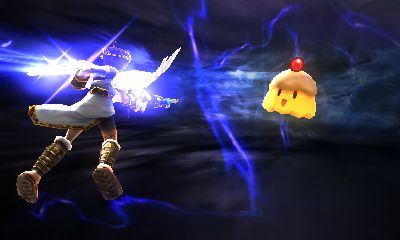
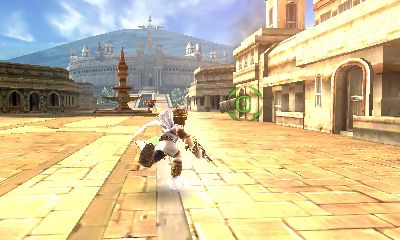
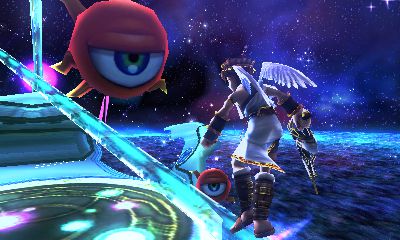
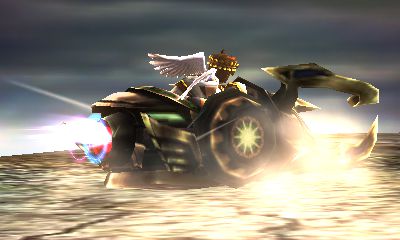
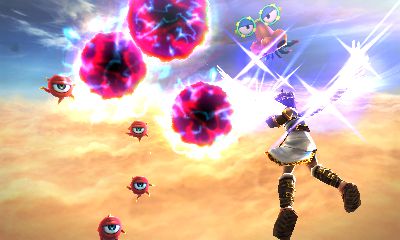
As for the story mode itself, each level follows the same structure, a flying portion followed by a land portion and then ending with a boss battle. In the hands of a lesser developer this could become repetitive and tiresome, however here it is absolutely addictive and flat out fun. The level designs are each unique and a pleasure to explore, especially when backed by the interesting plot and character banter that overlays the experience.
For those concerned that the story mode would be short, fear not it is as a matter of fact incredibly long. There is a great deal to do and see and the plot just continues to get thicker and thicker as you go on and when you think it’s over, think again.
The Multiplayer mode is a rather enjoyable little mode, that could do with a few more match types, but the two it has are good enough to keep players enthused for quite some time. There is the Light vs. Dark match type, which is essentially a Team Deathmatch type mode, pitting (no pun intended) teams of players against one another for an allotted period of time with players eventually becoming Light or Dark Pit, who must then be killed in order to win the battle. It plays well enough, and the arenas are each creative and distinctive. My only qualm against this mode is that the inclusion of the Light and Dark Pit was a little unnecessary for what should just be a straight up Team Deathmatch. There is also a Free for All match type which is pretty much the same thing except you can kill anyone. I found this match type to be more enjoyable as the pacing was faster and much more simplified.
Finally, we have Training mode which is an enjoyable little playhouse for players to test out their weapons. It does it’s job, but could’ve used a bit more variety in enemy interaction.
All in all, Kid Icarus: Uprising is a bona fide quality game. If there was ever a reason to own a 3DS here it is. This game is pure enjoyment and is the game to own on the Nintendo 3DS.
Visuals and Audio:
For a 3DS title, Kid Icarus: Uprising does not disappoint at all aesthetically or aurally. It’s amazing to see how far handheld gaming has come and Kid Icarus: Uprising is a beauty to behold, with visuals superior to the majority of Nintendo Wii titles. The environments, character models and effects are gorgeous and really compliment the presence of Gods and Goddesses in the game. Visually it is one of the best the 3DS has to offer, second only to Resident Evil: Revelations (which looks Xbox 360 quality). Unfortunately however the 3D effect does not add much to the experience and actually becomes somewhat distracting during long playthroughs.
Aurally the game’s soundtrack and voice acting go above and beyond the call. This is not just your average voice work, this is career defining voice acting, with Antony Del Rio deservedly earning a shout out for his amazing portrayal of Pit. He perfectly conveys the moral compass as well as inner conflict that comprises Pit and carries a lot of the story on his shoulders. The soundtrack itself is beautifully orchestrated and harkens back memories of that little game on the NES 25 years ago. That little game that has finally gotten the encore it’s fans always wanted.
Overall: Kid Icarus: Uprising is a remarkable game that not unlike Metroid: Prime before it, takes a beloved 2D game and turns it into something special. Something that does not come along everyday. It’s something that so many companies couldn’t do when the 3D wave hit and that is to successfully transfer the feeling of the 2D game into the 3D realm and push it beyond all expectations.
The game itself is a revelation. It’s fresh, exciting and above all a lot of fun. It’s been a long time coming for Kid Icarus fans and it’s my pleasure to say that this game has taken the Kid Icarus franchise to the next level. This is the game to have if you are a 3DS owner. Nintendo needn’t leave luck to the heavens with this one, as they have a massive hit on their hands. After 25 long years, Pit and the Goddess of Light have finally, and I mean FINALLY, taken flight.
Coming soon in mid-May, we can expect a new line of Xbox 360 controllers to hit the market. Dubbed as the Special Edition Chrome Series, these new controllers will be available in red, blue, and silver. In addition to their brightened appearance, Chrome Series controllers will show off the transforming D-Pad feature. For those unaware of this feature, it allows gamers to raise the D-Pad from its original position to enhance directional commands.
A new accessory will bring with it a higher price. The Chrome Series will have an estimated price of $54.99 (US) individually and will have color availability according to the region of release. Will a Chrome Series controller be your shiny new pet? For more information about check out the controller page here.
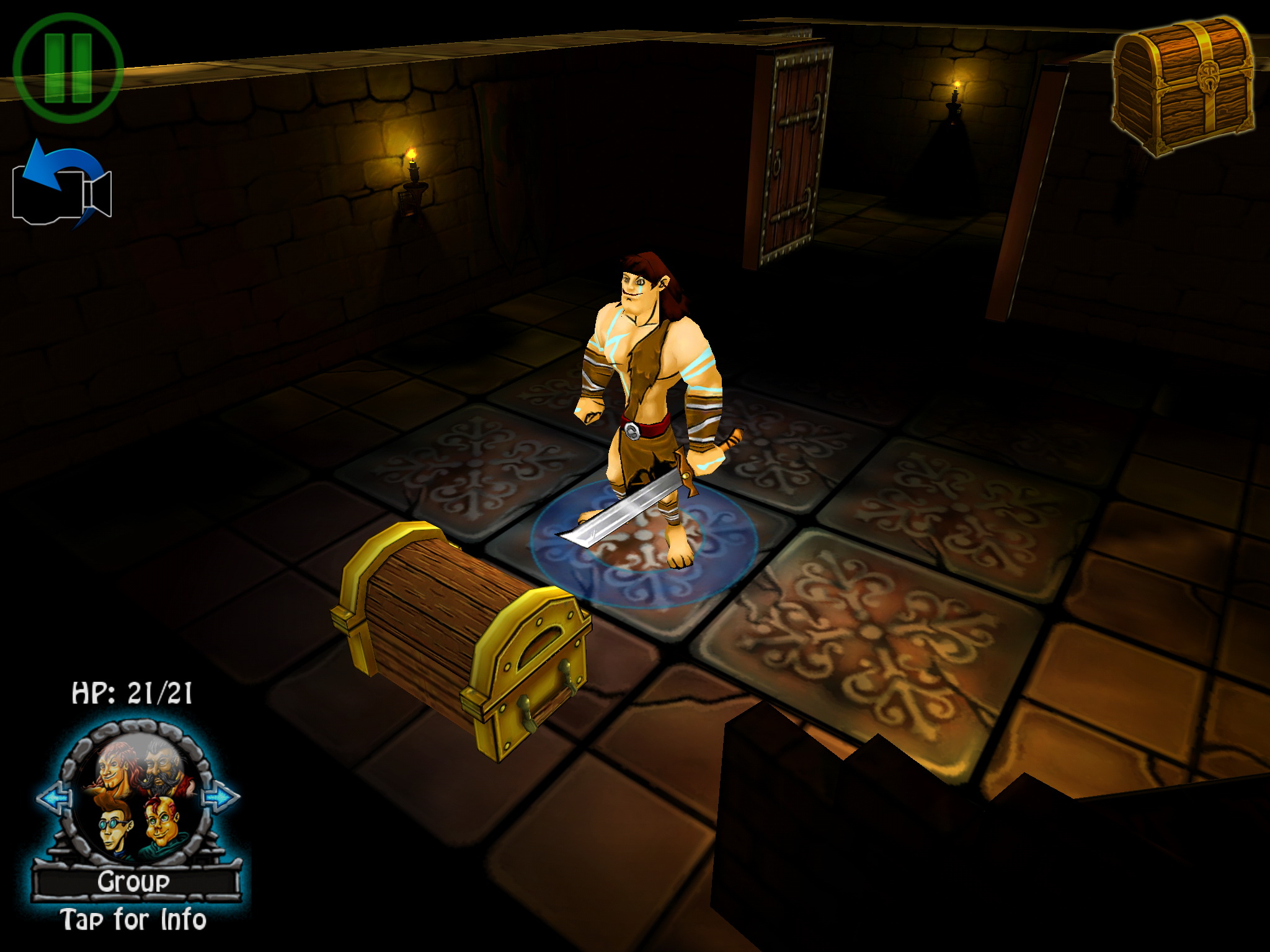
Ayopa Games tactical RPG for iOS devices, Dungeon Crawlers, will soon be getting a new update. The update, due for release April 5th, will bring not only new content but also brand new visuals optimised for the new iPad. Best of all, the new update also comes with a temporary price cut – with Dungeon Crawlers being priced at $0.99 instead of $3.99.
Ayopa games note their brand new features as:
Enhanced graphics to take full advantage of the Retina Display on the new iPad, including super hi-res GUI and visuals!
Dynamic lighting that illuminates the dungeon as you walk, as well as more detailed textures. Dynamic lighting is only available for the new iPad, iPad 2, and iPhone 4S.
Chapter 5, the stunning conclusion to the campaign, is here. Experience the final chapter of the Dungeon Crawlers story, with new levels and enemies.
A new store has been added to the main menu where players can buy gear for their characters, such as potions, armor, weapons, and items that cast status effects.
In-app purchasing has been added to let you purchase gold for use in the store
A level select option is also available so players can replay levels to earn gold and experience.
A new “Stupid Hard” difficulty level for truly hardcore players, and a rebalanced (easier) Easy mode for newcomers.
And, of course, better balanced gameplay overall, more accurate damage calculations, and a host of performance improvements to reduce crashes on older devices such as iPad 1.
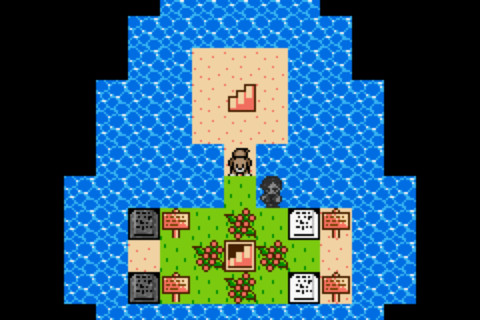
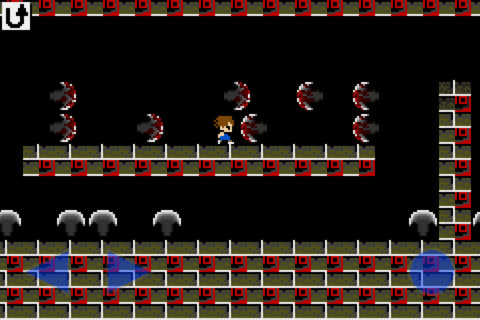
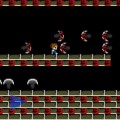
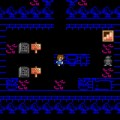
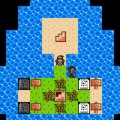
Square Enix today have released 774 Deaths on the iOS. What’s this 774 DEATHS all about you say? Well it might look all cute and cuddly with its 8bit graphics and all on the outside but on the inside 774 Deaths is a murderously difficult action platformer that is certain to chew up and spit out even the world’s best gamers.
Inside, you’ll find 9 unique rooms and 33 mysterious doors, with each stage more demanding than the previous. Are you ready to put your life on the line in one of the most grueling games ever made?
Features
– Over 74 hours of gameplay!
– Over 774 ways to die!
– Share your deaths with the world via Twitter!
– Game Center functionality (game progress)
If you think you have what it takes and can man up to the challenge that 774 DEATHS can throw your way and prove to yourself that you are indeed HARDCORE, then click on the buy now link below and spend that 99c (Currently 774 Deaths is on special at 75% off till the 9th of April then it will go back to its original price of $3.99). As from what I’ve seen so far, this is certainly one difficult and challenging game that could potentially make you pull your hair out with one hand and throw your iOS device up against the wall with the other. But hey since when did this stop all you hardcore gamers out there!
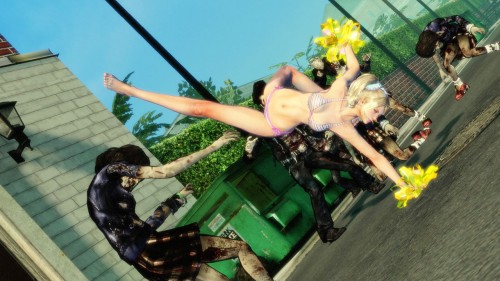
Lollipop Chainsaw is being scored by Akira Yamaoka (of Silent Hill 2 fame) and Jimmy Urine (of Mindless Self Indulgence fame). Today we get a ton information on the game’s official soundtrack, which on top of the original score by Akira Yamaoka and Jimmy Urine, will contain several licensed songs.
The full tracklist for the licensed music is as follows:
Lollipop – The Chordettes
Pac Man Fever – Buckner & Garcia
Rock ‘N’ Roll (Will Take You To The Mountain) – Skrillex
The Way of the Fist – Five Finger Death Punch
Stop Reading, Start Doing Pushups – Destroy Rebuild Until God Comes
Riot Rhythm – Sleigh Bells
Turtle Crazy – Toy Dolls
1,000 Cigarettes – MSTRKRFT
Heroes Of Our Time – Dragonforce
Nemesis – Arch Enemy
Needled 24/7 – Children of Bodom
Mickey – Toni Basil
You Spin Me Round (Like A Record) – Dead or Alive
Empire State Human – The Human League
Cherry Bomb – Joan Jett and the Blackhearts
Speed – Atari Teenage Riot
You can also view some behind the scenes footage of the game’s soundtrack process in the video below, where Akira and Jimmy share some of their insight.
Sine Mora Publisher: Microsoft Developer: Digital Reality & Grasshopper Manufacture Platforms:Xbox 360 Release Date: 21/03/2012 Price:1200 Microsoft Points
Overview:
The shoot ’em up (shmup) genre is viewed by many to be stagnant, because at a cursory glance they all play and feel almost exactly alike, with some aesthetic and design differences. However, purists will tell you otherwise as these games are all about the intricate details that many of us fail to notice and appreciate. Things like hit boxes, bullet patterns, and even the pattern of the type of shot are all intricate details that play a major role in the core gameplay mechanics, and the understanding of which is absolutely crucial to mastering the game. Thankfully there has been some profound evolution in the shmup design philosophy and the best example here is Treasure, as they were able to give the genre a lasting reputation thanks to their groundbreaking titles like Radiant Silvergun (1998) and Ikaruga (2001).
Gamers still seem get a major kick of out the pure gameplay bliss and intensity that shmups provide, and as such still have a demand. The Xbox 360 in particular has become the new home for the genre, particularly in Japan where there are still full priced disc based releases for these games, and also a really good selection on Xbox Live Arcade.
With companies like Cave viewed as current the leader in the shmup market releasing numerous titles like DoDonPachi, and the lack of any new Treasure shooter since the legendary Ikaruga, the genre started to become a niche thing again with most new releases not offering anything more than what only hardcore loyalists would appreciate. That all changed when Grasshopper Manufacture (No More Heroes, Shadows of the Damned, Lollipop Chainsaw) and Digital Reality announced a new game called Sine Mora, a game that they claimed was going to breathe new life into the tried and tested genre and take it to the next level.
The buildup for this game looked promising, and it became clear that Sine Mora had a lot of ambition in terms of what it wanted to accomplish. It was over ten years ago when Ikaruga made a profound contribution to the evolution of shmups, and Sine Mora was hyped as the next big thing for the genre. The game has now been unleashed exclusively on the Xbox Live Arcade, does it succeed at what it intended to do?
Story:
Sine Mora is backed by this really amazing lore and has a very rich and immersive in-game world. While the game is an intense twitch-heavy shoot ‘em up at the end of the day, it still gives you the feeling that you are part of this really big world without showing you too much of it. Only a few games have managed to invoke that kind of feeling, games like Panzer Dragoon and the first Gears of War game.
The premise of Sine Mora revolves around a large scale war with a time travel twist. What’s compelling about the story is that it sheds a lot of light on the lore, cultures, and inhabitants that make up the in-game world, and it becomes clear how well developed it is. Much focus is on the personal turmoil and journey of the game’s various characters, riddled with themes of revenge, discovery, and personal dilemmas.
The game has a rather interesting cast of characters, you learn much about their past, their experiences, and relationships, and watch how they face triumph, anguish, and absolutely brutal irony. They are really compelling and powerful, and they tell a pretty deep story.
The narration style of Sine Mora is almost identical to that of Panzer Dragoon Orta, as it narrates the story in a very surreal and vague manner that focuses on the perspectives and personal insight of the game’s characters, rather than providing you with a general overview. The world is as the characters of the game portray it to be, and that’s a really fascinating style of narration. There is a large amount of dialogue exchanged between characters during gameplay that is often hard to keep up with but for a fast paced shooter like Sine Mora, this really is the best way to go. Overall, it works and you feel like you’re part of an epic tale amidst all the frantic shooting action.
Visuals:
Sine Mora is an amazing sight to behold in terms of both the graphics engine and artistic direction. The game looks truly remarkable and exceptional, packing a visual punch that will leave you dazed and awestruck.
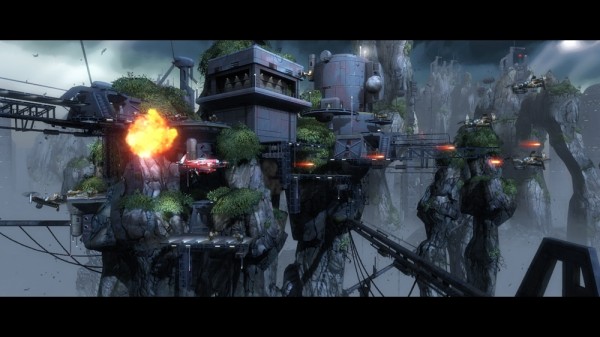
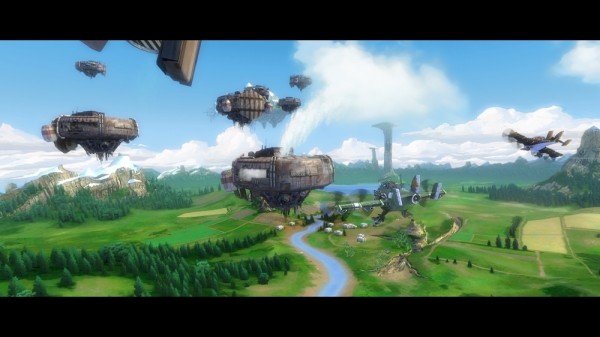
The art style of Sine Mora is incredible and it has a strong surrealist vibe to it. The game has a fairly large cast of characters and in terms of artistic design, they are unlike the usual Japanese manga/anime designs you would expect as they look truly unique and refreshing. The art direction has this strong ‘Diesel Punk’ essence to it that really shines in the in-game world design, boss designs, and character attire, as they all have the aesthetics of World War period with a postmodern technological twist to them.
All the characters are anthromorphic in nature, humanoid looking animals such as a leopard and a bison. Their art style is truly refreshing, with the character illustrations handled by Gez Fry who introduces a unique surreal style to character designs that are almost akin to what can be found in games like Panzer Dragoon Orta. The designs of the monstrous mechanical behemoths that serve as the game’s bosses benefits from the artistic magic of Mahiro Maeda, most notable for the iconic Neon Genesis Evangelion anime franchise. Fry and Maeda together give life and character to the world of Sine Mora.
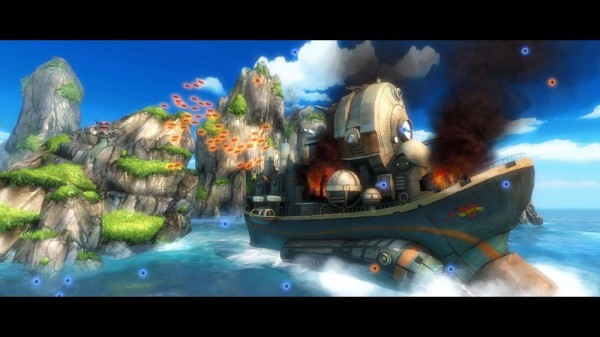
The artistic splendor doesn’t stop here as the levels in Sine Mora feature some truly stunning backdrops, unlike most shoot ‘em ups where backdrops are boring and repetitive. The locations that will see in this game include beautiful coastal areas, ancient runes, luscious green jungles, dark and brooding factories, underwater caravans, and even cities bustling with life. There is so much variety and attention to detail in the backdrops, with lots of nice animations and particle effects.
The graphics engine does an excellent job to bring life to game’s art style and attention to detail. It has a nice clean 3D look with some jaw dropping set pieces and character models. The particle effects look brilliant too, particularly the water effects, and it makes good use of lighting and colour tones.
Fans of the long-running Worms franchise may know that the studio behind the games, Team 17, has operated without the input of Andy Davidson, the series’ original creator, for the last fourteen years.
Team 17 announced today that Davidson has rejoined the studio, in an unspecified creative role.
Davidson presented the original concept to Team 17 at a trade show in 1994, after entering the prototype in a contest run by a games magazine. The studio took him and his prototype on board, until he left for personal and professional reasons a few years later.
“I left Team17 feeling I hadn’t finished what I wanted to achieve, but for professional reasons I knew I had to walk away”, he said. “It’s nice to be back at Team17, it’s as though there’s been a revolution in the studio itself – there’s a real creative buzz about the place.”
Of course, this “revolution” is probably due to the upcoming Worms Revolution, announced on Friday. Andy’s first order of business will be to provide creative support on the new title, as well as developing some new ideas he’s been working on.
It will be interesting to see what impact this might have on the studio, and specifically the Worms franchise. Maybe we’ll see some new IP on the horizon.
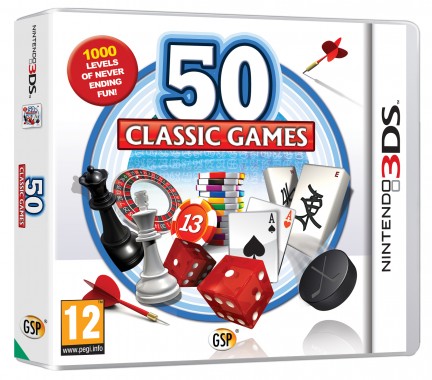
50 Classic Games Developer: Cerasus Media Publisher: Avanquest Software Genre: Mini-game Platform: Nintendo 3DS Release Date: Out Now
Overview:
You may remember we reviewed a similar mini-game compilation from the same publisher, 1001 Touch Games, the major difference being that was on the original DS whereas 50 Classic Games is a 3DS game. Now, I know you may be thinking “50 games doesn’t nearly compare to 1001”, but, as I established in its review, there wasn’t in fact 1001 individual games. The total there included the different levels within the same mini-game in order to generate such a total. The real total was probably more likely in the region of 50, or alternatively, if you applied the same practice of counting the levels to 50 Classic Games, the figure would be nearer to 1001.
Gameplay:
I don’t mean for this to be a comparison of the two games, but as they’re both very similar and both from Avanquest Software, I can’t help it. I am also going to start with a rather dull topic on the game: the menus. Although 1001 Touch Games’ menus were satisfactory, it seemed to lack finesse in the organisation department, as it seemed more like a mess of mini-games than a carefully maintained database. The menus in 50 Classic Games, on the other hand, are sleek and professional, putting 1001 Touch Games’ menus to shame.
The 50 games are divided into four categories: Board Games, Card Games, Action and Puzzles. This makes it incredibly easy to go in and select the specific game you’re looking for, as there can be no doubt or confusion as to which box the mini-game you had in mind would be in. So there we are. Menus. It shouldn’t matter but it does. It just gives the indication of a higher level of polish, and there are even neat touches like marking played games with a star, which helps identify your favourites.
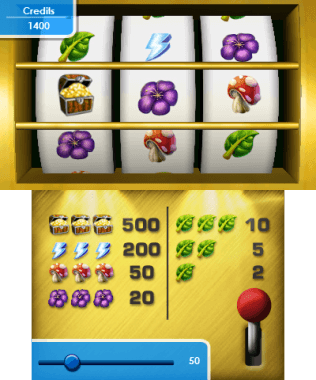
Now for the games, and boy is it a good collection. The four different categories ensure a fantastic range. Firstly, there’s Card Games, which is home to the likes of Blackjack and Texas Hold ‘Em poker, which are great to have access to for a quick game on the move, especially for those who enjoy these card gambling games more than your average person. Sadly, there’s no cumulative total of chips, which I’m sure some people would have found satisfying if it had been included.
However, it is a bit too easy to get a large haul of chips, for one single reason – and I’m not talking about being a good poker player. It’s easy to win in these betting games because of the weak AI. Unfortunately, the computer players seem to have been programmed to fold whenever you raise the stakes really high. Simply put, build up the pot by calling and betting small amounts, then when the pot is big enough, you only have to throw in all your chips and the computer players will chicken out to leave you with the entire pot.
If anything, this weak AI draws attention to another issue: there’s no multiplayer. It was disappointing to see it wasn’t included in 1001 Touch Games and it’s disappointing to see there’s no mention of it in this. This makes the weak AI a bigger problem than it needs to be. Half-witted AI is to be expected and isn’t a problem if you have the option of playing intelligent human players, but without multiplayer you are stuck with these morons, detracting from the gameplay experience a fair old whack.
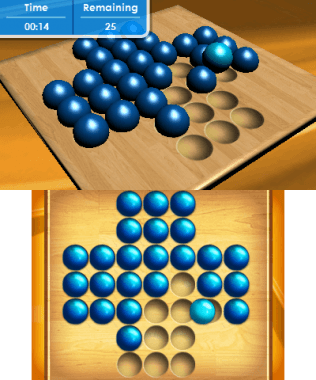
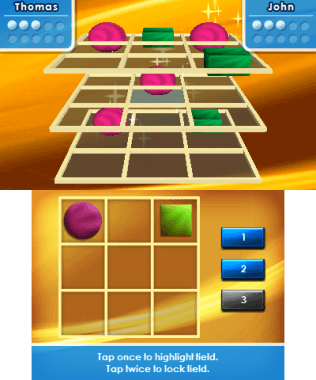
Elsewhere, there are other top notch games in the other categories. Most of their success is down to the genius of the concepts behind the classic games, rather than anything on the developers’ part, though the conversions are still good, as all the rules come through in tact. For example, there’s chess, peg solitaire, battleship, match-3 – these games on their own can provide hours of entertainment, and they are only part of a wider package.
Then there’s the puzzles, which can last you ages thanks to many of them having multiple levels and difficulty settings. For instance, Mahjong has 300 different puzzles to work your way through. Occasionally there were issues with interpreting puzzles when they were too small or being looked at from an odd angle – Mahjong for the former and a crate-pushing game for the latter.
Visuals & Audio:
Through almost no fault of its own as it has merely tried to adapt to use the 3DS’ 3D upper screen, 50 Classic Games has jeopardised the functionality of some of the games for 3D. Most of the time, it’s just an ugly effect which it is advised you keep switched off, but sometimes, like in the aforementioned crate-pushing game, they have changed the game in order to suit the 3D. In that particular instance the game adopts an isometric diagonal viewpoint to emphasise the puzzle coming out of the screen at you, although what this does is make it fiddly to manipulate the puzzle using the circle pad from this angle.
However, visual problems aren’t commonplace throughout – it is just a select few games where problems have been caused by the 3D. Otherwise, the cross-use of the touch screen and the upper screen works well, especially on action games like darts and air hockey.
Overall:
Overall, another top notch game compilation from Avanquest Software. These really are classic games – of the lot, there are only a few duds. It’s not without its problems – the occasional visual difficulty, the at times mediocre AI, the lack of multiplayer – but the game is enjoyable in spite of them.