DanceDanceRevolution Classroom Edition was announced and released as a means for schools to encourage their students to have healthy activity through the means of the game. The game itself was helped funded by The California Endowment for their Building Healthy Communities plan and now the game has been integrated into all eight middle schools of the Fresno Unified School District.
Hoping to set the trend for the rest of the state of California, the Fresno middle schools students will utilize DDR Classroom Edition, which tracks steps, body mass index (BMI), and caloric burn rate. What makes this somewhat different than your standard DDR game is that instead of limiting the game to a maximum of 4 pads for players to use, DDR Classroom Edition allows up to 48 wireless pads to track each student’s progress separately.
It’s great to see games being shown in a positive light to help school kids to get more active and hopefully to live healthier lives, as one of the main targets for improvement DDR Classroom Edition hopes to help is childhood obesity. Time will tell if DanceDanceRevolution Classroom Edition is everything they want it to be, so here’s to all those kids in the Fresno middle schools. Get up and get down.
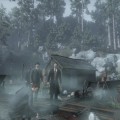
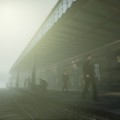
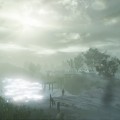
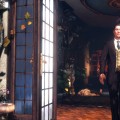
Frogwares Studio is ditching their homemade engine and taking up the Unreal Engine 3 for their latest addition to the Sherlock Holmes franchise, Crimes & Punishments. Boosting graphical quality and detailed environments, the Unreal Engine 3 will break players away from sidelining the investigations to become fully involved. Crimes & Punishments puts the player in the driver’s seat with several crimes to solve where decisions provide multiple conclusions.
Those that appreciate the traditional Conan Doyle’s novels will be please to hear that the story for Crimes & Punishments has taken the same route. To catch a glimpse of the coming title gaze at the screenshots provided below. Follow Frogwares’ progress of the title at their Twitter (@Sherlock_Game) or Facebook (here).
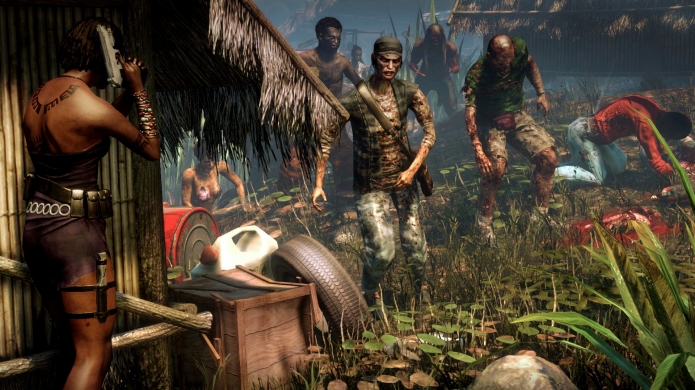
So we know that Dead Island sold well enough to warrant a sequel, seeing as that will be coming out April. But just how many copies of the first game have been sold since its original release back in September 2011? Well, according to publisher Deep Silver the game has just passed 5 million copies sold, including retail and digital versions of the game. Seeing as those sales cross 17 months, that is a pretty solid worldwide sales rate.
Deep Silver, and its parent company Koch Media, are fairly impressed with their numbers and are hopeful that it will translate to good sales for Dead Island Riptide when it releases. But not to be thought of as a one-trick pony Koch Media’s International Commercial Director Menno van der Bil has stated that, “Further new IPs with an innovative angle and maybe even a surprising touch can be expected from Deep Silver.” Plus with their acquisition of Saint’s Row and Metro, they now have already established IPs to be part their “overall IP strategy”.
Namco Bandai have announced that they have commenced a 50% off sale for selected titles and DLC on the PlayStation Network. The discounted titles range from PlayStation 3, PSP and PS Vita games as well as DLC of course.
The titles on discount for 50% off are as follows:
PlayStation 3:
RIDGE RACER 7: 3D License Version – $9.99
NAMCO MUSEUM ESSENTIALS – $4.99
NOBY NOBY BOY – $2.49
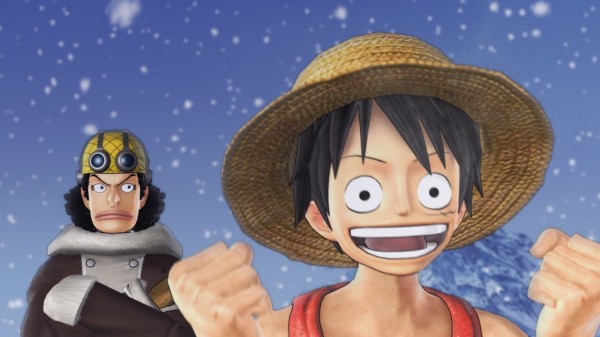
ONE PIECE: PIRATE WARRIORS – $24.99
PlayStation Vita:
RIDGE RACER – $12.49
TOUCH MY KATAMARI – $12.49
PSP:
SOULCALIBUR: Broken Destiny – $19.99
TEKKEN 6 – $19.99
NARUTO SHIPPUDEN: Ultimate Ninja Impact™ – $19.99
DLC:
ACE COMBAT ASSAULT HORIZON DLC – prices between $1.99 to $7.49
Dark Souls: Atorias of the Abyss – $7.49
ONE PIECE: PIRATE WARRIORS DLC Pack – $7.49
What do you think of Namco Bandai’s 50% off PlayStation Network sale? Will you be picking up any of these titles? If so, which titles? Let us know in the comments section below what you think of this awesome sale.
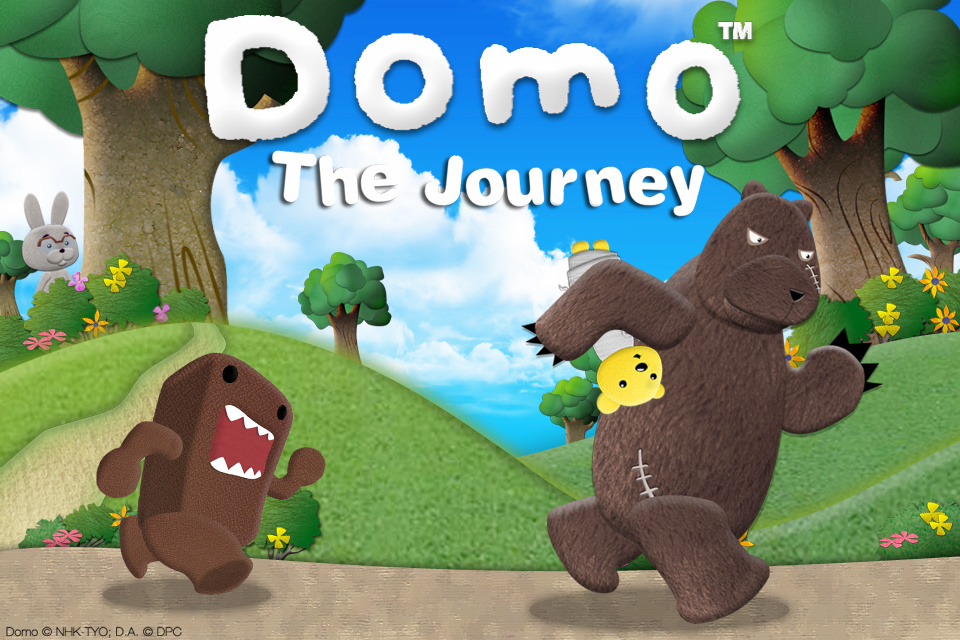
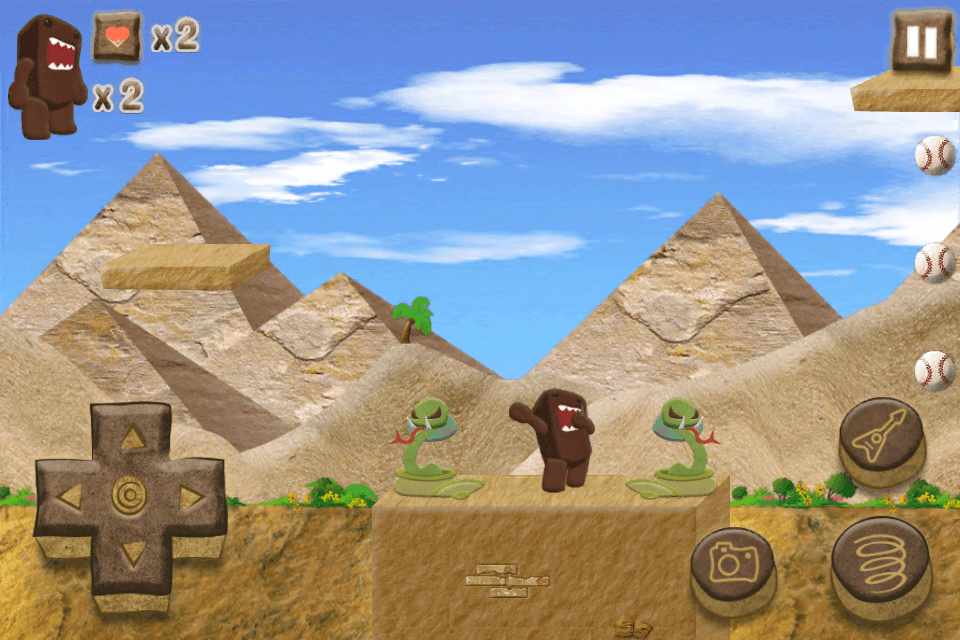
Domo: The Journey Developer:Playlithium Publisher:Horse Feathers Inc. Platforms:iPad, Ipod Touch, iPhone (Reviewed) Release Date: 21/01/2013 Price: $1.99 – Available Here
Overview:
For those unaware, Domo is the beloved mascot of Japanese television station NHK, where he often stars in his own stop-motion sketches during commercial breaks. In the western world however, he is pretty much just a less-feminine Hello Kitty. Domo has been starred in various forms of media from english manga to even video games (mostly on the DS), now Domo hits iOS devices in Domo: The Journey. Unfortunately however, the entertainment value is much like that Domo keychain I once owned: pocket sized.
Gameplay:
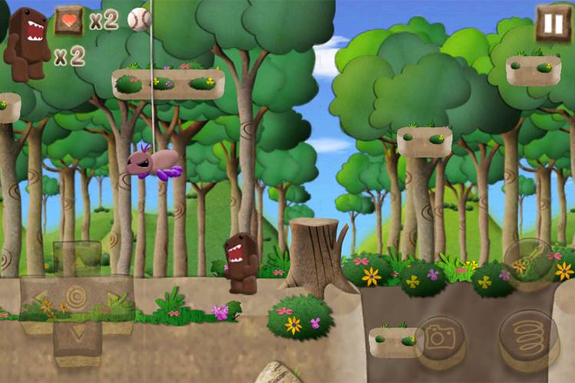
Simply put, Domo The Journey: is your typical generic platformer with no aspirations to be anything more. You have an virtual D-pad to move your character around, and you have to get to the goal at the end of the level. Sometimes you can get power ups like a guitar or a camera to fend off enemies, and these have to recharge. Those two sentences pretty much describe the entire game’s premise. The controls are clunky and unresponsive at times, and occasionally collision detection can be an issue. Jumping isn’t flawed, but it is does take some getting used to as while Domo can double jump, his second jump is significantly shorter than his first, which players may take some getting used to. Level design is uncreative and at times seem unorganized with just a bunch of platforms thrown onto the screen randomly, especially in the later levels.
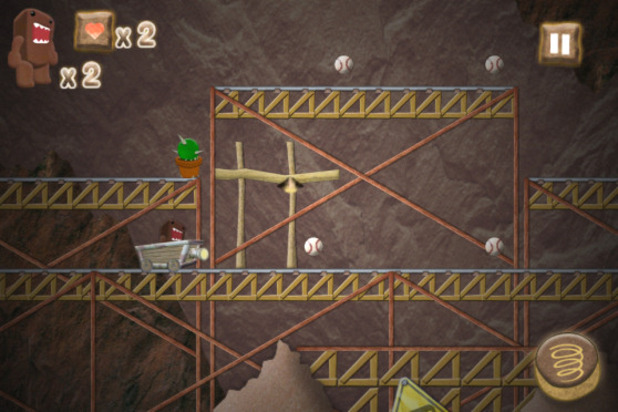
On occasion the game will try and freshen things up with things such as a Donkey Kong-styled mining cart or snowmobile levels, but these fail to make the game any more fun or less frustrating. On rare occasions there are boss battles,which are not always at the end of each zone, that require little strategy and frankly aren’t any more exciting than the standard stages. The final boss in particular is pretty stressful as much like the rest of the game it’s filled with bugs and collision detection issues that just make you want to scream. You’d think this game had no testers at all…but according to the credits there was three of them. A shop is also available to buy upgrades and such, but these are all extremely over priced. Thankfully you do get some credits for free each day, but this doesn’t help too much. So unless you want to slave away for unnecessary long periods of time your be forced to buy coins with your real money (freemium style) which not only seems unfair, but also unnecessary. Either that or you go without, your choice.
Audio & Visuals:
Domo encounters similar problems with the audio & visual aspects along his journey. While the music may be uninspired it isn’t terrible, but the sound effects could use some improvement. Hearing Domo jump for example is an odd and annoying noise and being a platformer that’s one sound effect the developers should’ve had nailed from the get go. The worst offender is the animation, which tends to be very choppy; and not in the cool stop-motion animation way the original Domo sketches are like. Alongside collision detection issues, animation responses can be off, so knowing when either your or an enemy is damaged can occasionally be a problem. Also if you lose one life there is a death animation, but if you lose all lives it cuts straight to the game over screen. It’s a small nit-picking problem, but Domo: The Journey is filled with small issues like these. Aside from that, stages are rather static with not much going on. Art design and colors do the job right, but keep in mind the main characters are licensed by NHK so it’s not much to credit the developer on.
Overall:
Long story short, Domo: The Journey is an unpolished disappointment with very few redeeming qualities. Gameplay is buggy, controls are stiff, collision detection can be a problem, animation is choppy, sound effects could use some improvement and makes little to no attempts at doing anything creative. Even the most hardcore Domo fans will be let down by this title. If this was free or $0.99 maybe it’d be easier to go easy on this title, but keep in mind it’s on sale for $1.99 and is filled with problems. Better luck next time Playlithium.
Capsule Computers review guidelines can be found here.
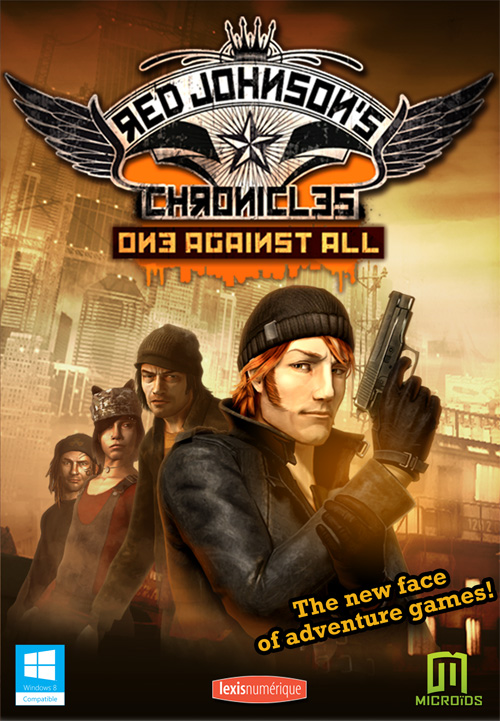
Red Johnson’s Chronicles: One Against All Developer: Lexis Numérique Publisher: Anuman Interactive (Microïds) Platforms: PC (Reviewed), PSN, XBLA Release Date: Out Now Price: $19.99 (Available Here)
Overview
Red Johnson’s Chronicles: One Against All is the 2nd entry into the Red Johnson’s Chronicles series. Much like its predecessor, ‘One Against All’ was first released on the PlayStation Network, before marking the series’ début on Xbox Live Arcade and finally making its way onto the PC in 2013, a year after it’s initial release. The first game had some great puzzles, but many experience-dampening issues (review here). Has Red redeemed himself in this second adventure?…
Story
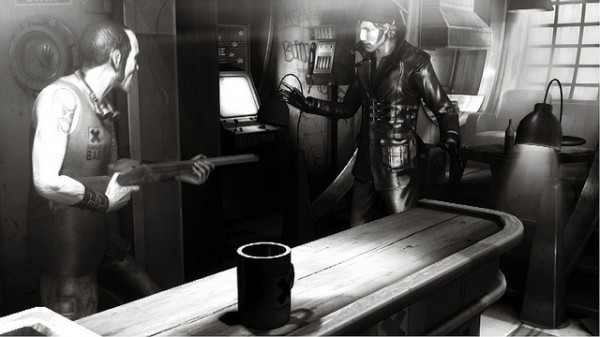
The story takes into consideration the events prior, but quickly flashes forward 6 months after the intro, which shows how the cliffhanger confrontation at the end of the first game concluded (I would warn SPOILERS, but you won’t play this for the story…trust me). Red Johnson now has a $150,000 bounty on his head, put out by crime boss Uncle Teddy. He decides to find a place where he can lay low, hence the 6 month hiatus from his usual surroundings. He now frequents a crappy bar in the docks district, laying claim to a decrepit underground subway station as his hideout. But, Red soon finds out that he’s a living, breathing trouble magnet, and he can not simply run or hide from it…
The dive’s french waitress, named Abbie, gives Red a box and a complimentary drink. The box turns out to be a computer, and the first riddle is quickly unraveled by Red, which displayed a well-timed warning that his drink was poisoned. Red promptly throws down the cup, and discovers a severed finger was inside. It’s clear Red isn’t as safe as he hoped. Red loses no time in returning to his hideout to analyze the finger – with his almost magic-like ‘analyzer’ (creative name!) – which results in a harrowing revelation…the finger belongs to his younger brother, Brown. Yes…Brown Johnson…
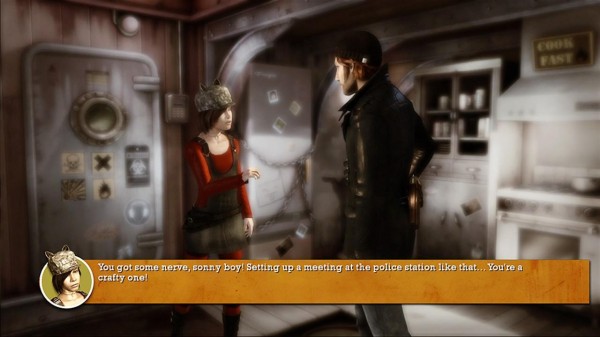
Oh, and his search for who sent this threat and who, perhaps, has his brother, leads him to find his older Brother…Black Johnson. I can’t make this up people. Throughout Red’s journey to save his brother, we learn a lot about his past and his relationship with his family. Characters such as the enigmatic Saul, incompetent cop Officer Robert and hopeless drunk Ringo return and join new entities, the strange and cryptic Derlik and the dangerously devilish Niki. The story develops well enough, but it’s not the highlight of the game. It’s not that it’s necessarily bad, but it just doesn’t grab you.
Gameplay
Unfortunately, there’s not much I can say about the gameplay that I haven’t already said in my review of the series’ previous instalment (link above). The control scheme issues I noted have not been rectified, which really irritates me. I just don’t understand how it has been ignored all this time. I must mention, however, that the meaningless choices (such as which screw to unscrew first) have been excised and that there are much fewer gesture-based elements and quick time events. Also, Saul returns to take on the same purpose as in the first game; being your human hint-guide.
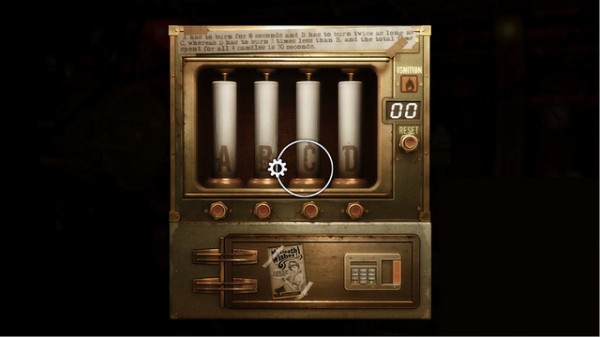
The puzzles are just as hard, if not harder. Niki leads Red on somewhat of a scavenger hunt as part of one puzzle, which is a fleeting, but new wrinkle in the game. The blacklight has been replaced by the UV lamp, which can pretty much be brought up on most every puzzle, instead of being restricted to specific ones like the blacklight. But, that doesn’t mean it is needed on every puzzle, so that in itself is somewhat of a meaningless alteration. Something I do like is the fact that clues now cost different values depending on how helpful they are. Clues all being $200 was a criticism of mine in the first’s review, so I’m happy to see this change.
Visuals & Audio
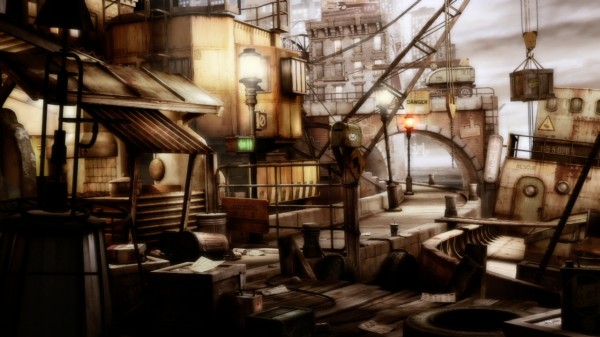
‘One Against All’ retains the same visual theme, tonality and color scheme as the first game, but takes place in a different setting, albeit still a section of Metropolis. A far cry from Red’s headquarters, his hideout is a dirty, abandoned subway station; a real mess with discarded cans of processed foods, stray pieces of (probably damp) newspaper and an exposed electrical wire hanging from the ceiling. This consistency in visual design is something that does wonders for Metropolis’ reputation as a dingy, run-down city. Other locations communicate the same vibe, like ‘Brown’s Squat’, and ‘Duncan’s Dive’ which I’m sure you can easily envision just by reading their titles. The latter will certainly be familiar to anyone who’s been to a old, grotty bar in their lifetime.
The character designs are a lot more flamboyant and unique this go around, with each new character’s look clearly speaking to their personality. Derlik flat-out reminds me of The Riddler from Batman (the Arkham City version). Now, I know the Riddler’s hat is a bowler and not a top-hat, but I’m speaking on the overall air about him…the look in his eyes, and also the voice-work. After all, he is the evil mastermind of the game, leaving puzzles for Red to solve. Niki is another eccentric character. Being a female bounty hunter, they had to sexualise her (it was expected) and make her appearance that of a sadomasochistic mistress, wearing a complete black leather get-up. It reads well, but it’s a bit of a cliché.
Audio-wise, most of the established music from the first game is present in its original form, so I guess we can always consider it, along with the visual theme, to be the consistent thread in the presentation of the series moving forward. The old loop that plays during cut-scenes, however, has been replaced by a darker, more subtle one that has a better flow and doesn’t abrasively restart after every quick-time event encountered (one of my complaints from the first game). During certain puzzles, a more tense and foreboding background track has been included, and a stinger plays now during revelations that make the scene feel more dramatic. It mostly gels well, except for the stinger as it’s a bit camp and doesn’t exactly hit at the climax of the scenes it’s used in.
Overall
Red Johnson’s Chronicles: One Against All is of a (slightly) higher production value than its predecessor, but it shows. The presentation is more dynamic, especially in the cut-scenes; the voice-work on Red Johnson himself is much improved, and the dialogue is less ridiculous, carrying a darker tone. But, even though certain gameplay features/mechanics were improved upon – such as the increasing cost of successive clues, which I had hoped for – the control system is largely unchanged and is still a major problem for me. A shame that nothing was tweaked in the most important aspect of its design.
Also, I found the game to be shorter than the first, which is disconcerting considering it’s priced at a higher price point than the first game. Overall, however, with many of the presentational flaws being resolved – including my audio-related complaints from the first game – I have to give this sequel a higher score. It could be argued that I was too tough on the original to begin with, but if developer can’t get the control scheme on a point-and-click adventure right, in two outings, I can’t in good conscious give a higher score.
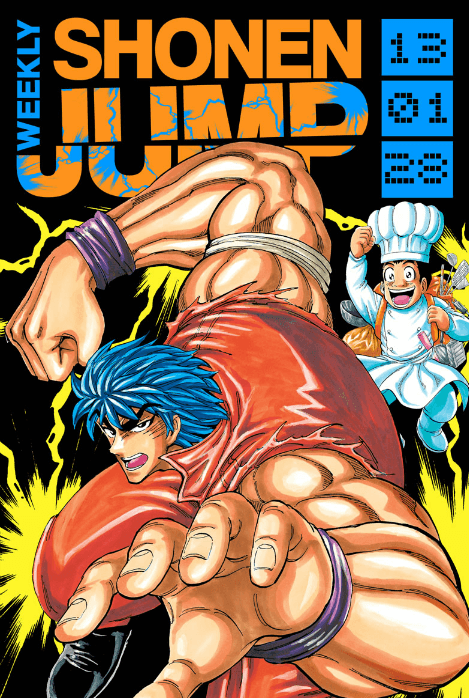
Weekly Shonen Jump Issue 1-28-13 Publisher:Viz Media Release Date:January 28, 2013 Price:$0.99 per issue – Available Here
Overview: One of the biggest complaints that people raise against the English manga world is the fact that translations of their favorite manga take far too long and lag too far behind the original Japanese releases. Well Viz Media has started to make a shift in the manga world by making their digital Weekly Shonen Jump simultaneous with Japan’s releases for a number of series. We’ve seen the first issue debut does the follow-up issue for January 28th keep things going?
Toriko: Toriko takes the cover page and front place in this week’s issue with a two-page color spread featuring Toriko facing down the powerful Starjun. When we last saw Toriko the Gourmet Corp had invaded the Cooking Festival competition and Starjun had managed to capture poor Komatsu with Toriko staring him down.
This chapter focuses heavily on set-up for the next few chapters as the Heavenly Knights pair off against the Vice-Chefs of the Gourmet Corp while demonstrating some of their abilities early on in the clash. The artwork is exceptionally detailed with many of the main characters showing off their skills while a few monsters sent by Gourmet Corp continue to roam the field. The translation seems well done with sound effects translated as well. This chapter serves as a good set-up for the battles on the way which will likely take up the next few months of Toriko’s manga.
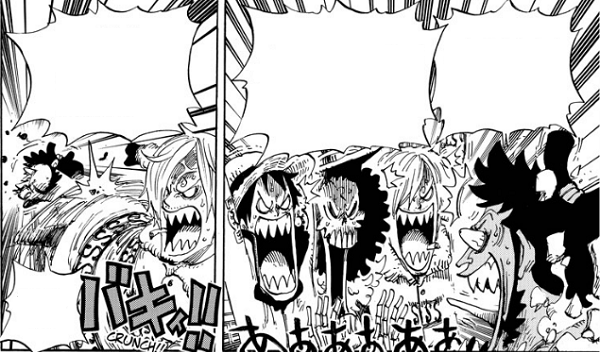
One Piece: One Piece follows after Toriko with the Straw Hat pirates and the Marines finally finishing off the last of Caesar’s forces and his back-up. Now that these two teams have managed to put an end to this threat, they must plan their next move and try to sort out their differences.
Chapter 696 focuses heavily on the after-math of this large arc as the split up members of Luffy’s crew finally come together now that the battle is done and begin to wind down. Not only do we see some of the series’ comedy return to One Piece in this chapter but a few previously unresolved issues are quickly fixed within only a couple of panels. This chapter crams a lot of detail and characters into one chapter and feels rather rushed as they try to tie up a few final plot points before revealing the next step in Luffy and Law’s plan.
Naruto:
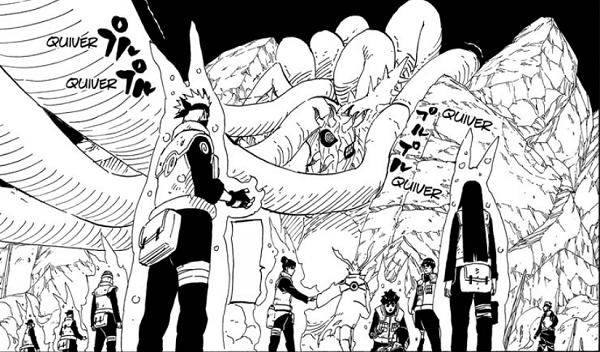
The last chapter of Naruto saw the Ninja War reaching its peak as Neji, the first main side-character, killed off by a powerful attack from Obito. As Naruto begins powering up the army with the Kyuubi’s chakra his conviction towards defeating Obito and Madara has never been stronger and the army launches their strongest counter attack yet.
After last week’s emotional impact from Neji’s death, Naruto and his newly powered allies say their final goodbyes for Neji’s sacrifice and put into action the plan laid out by the HQ before it was destroyed. As such, this chapter mainly focuses on the massive Ninja army unleashing various attacks and restriction techniques to deal what may be the first actual damage to their enemies. Not only does this chapter focus heavily on emotion such as Lee’s final goodbye to Neji but it also features a number of powerful moves being unleashed, a number of which taking up a two-page spread as they slam into Obito and Madara. However it seems things are about to slow down significantly next chapter as the focus switches to Sasuke’s group.
Nisekoi:
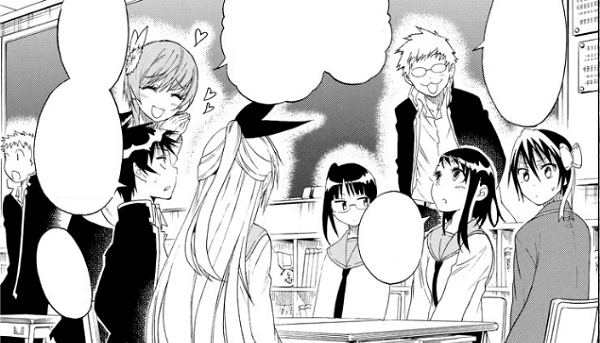
After a few chapters of random pieces of story and character development spread across various slice-of-life rom-com events which have been quite funny, it seems that things are about to move into plot development territory.
As the days have gone buy it is approaching Christmas time and while the gang is trying to sort out their Christmas plans and hold a party, Chitoge suddenly grows very concerned. It turns out that her mother is coming home to spend time with the family and if her opinion is anything to go by, Raku better straighten up and play the fake boyfriend part well or he’ll be at the wrong end of a vicious and powerful woman. The series always excels at offering hilarious slice-of-life comedy and over-the-top facial reactions and this chapter is unofruntalte light on both of those things. While it still offers a few laughs, the obvious focus here is set-up for an actual story-arc. As the story begins to move forward again, we’ll have to see how Raku handles Chitoge’s mother.
One-Punch Man:
This new manga certainly entered into things with a bang. Featuring a rather oddly drawn hero called One-Punch Man the hero took down a vicious looking demonic creature with only one blow after it managed to destroy a very large area.
Considering the fact that the series literally started last week, we’ve seen no backstory so far for what One-Punch Man is about and this second chapter looks to expand things by going back in time three years. In this chapter we see a new creature and even stranger character design that honestly looks terrible as the hero receives a little bit of backstory, but not enough to expand much of anything. As such, this chapter feels more like filler backstory than anything else which is disappointing in only the second chapter.
Bleach:
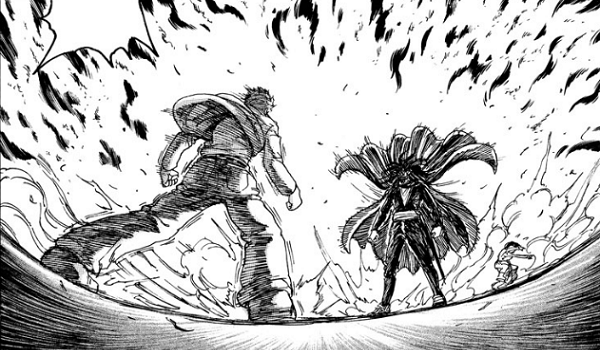
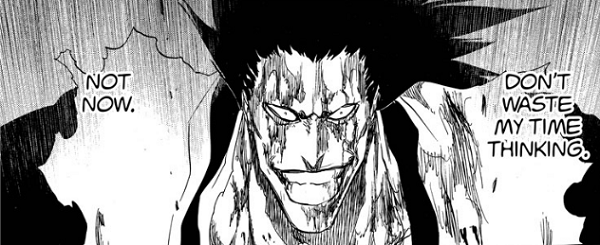
Last chapter it was revealed strongest warrior in the 13 Guard Squads of Soul Society isn’t quit who we thought it was as Kenpachi must now face off against a character in mortal combat that has done a complete about-face as far as personality is concerned, Unohana.
Would it be bad to say that it feels like this chapter was over in around thirty seconds? Well perhaps not, since this was certainly an easy translation job for Viz’s team with only a few text bubbles and the entirety of this chapter focuses on the intense combat between Unohana and Kenpachi as we learn that these two characters have quite a bit of backstory to them which will likely be revealed over the course of their life and death struggle to train Kenpachi into a stronger fighter.
Cross Manage:
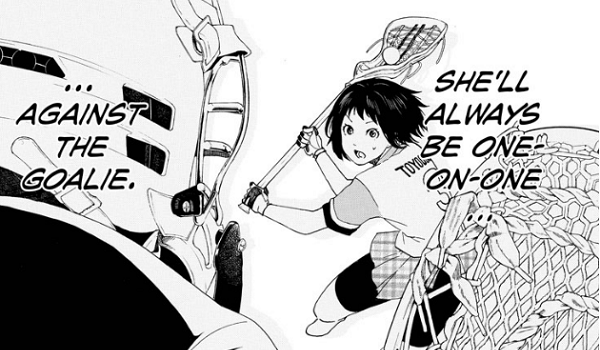
The first match that the girls’ lacrosse team turned out to be quite difficult last chapter but through the team’s great teamwork and persevierence the girls have managed to push towards a victory in the first game of the lacrosse tournament. As such the team must work hard to aim towards another win.
Sadly I’ll admit that I am unfamiliar with this series as a whole, but this chapter focuses on the girls’ second game while the manager Sakurai explains his team positioning to the Soccer Club manager and the woman who has a crush on him, Hayami. For those curious about the rules of lacrosse and some of the game’s positions this chapter serves well to explain a few situations while also exploring a bit of romance between the dense coach and the girl who admires him. As far as artwork goes, some characters feature odd artwork but the lacrosse game itself and the rule explanation was handled well.
Kintoki:
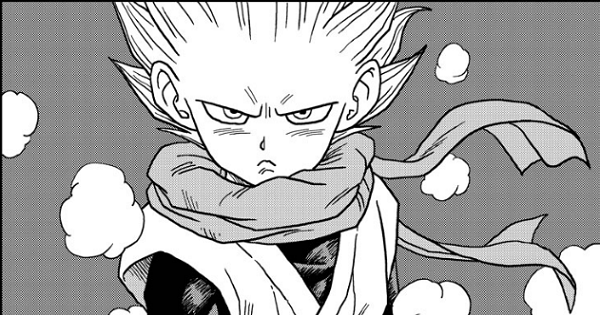
This is quite the special issue because of one reason, it includes Kintoki. Kintoki is a one-shot (meaning one chapter only) manga from the famous Akira Toriyama known for the hit series Dragon Ball. As such, it is always huge news whenever he puts pen to paper again and now that he has, this thirty page story has been included in the latest Weekly Shonen Jump featuring a rather familiar looking art style reminiscent of his Dragon Ball days.
The story follows Toki, the last of the Kinme Clan, a group of people known for golden eyes and amazing combat abilities. He lives alone in the wilderness but when one of his visits to the closest town puts him at odds against a young lord, Toki must fight against his lackies and reveal his abilities. To say that this one-shot was full of nostalgia would be an understatement thanks to how similar many of the fighting sequences and appearance of the characters were to the iconic Dragon Ball manga. The story itself is also rather interesting and I could see it becoming a full blown series if Toriyama chooses to take the story beyond a simple one-shot.
Overall: This second issue of Viz’s Weekly Shonen Jump keeps the pace moving rather fast with a number of action packed chapters mixed in with plot advancing chapters with only a couple in-between fillers. Unfortunately, One-Punch Man is floundering right off the bat, but that is made up for with the impressive battles found in Naruto and Bleach. Of course for those looking for more than action, Nisekoi continues to provide a few laughs while Cross Manage’s focus on the second game and rules of the game keeps the manga interesting.
Of course, any issue featuring the well-known Toriyama is already something special, but the story introduced in Kintoki could easily be taken to the next level. Ultimately this issue contained some rather impressive artwork and some good story development, though those looking for more of Toriyama’s work should keep an eye out for next week’s issue when the fully colored Dragon Ball Z manga chapters begin debuting.
Age of Enigma: The Secret of the Sixth Ghost Developer: Casual Box Studio Publisher: Big Fish Games Platforms: iPad (Reviewed), Windows PC Release Date: August 01, 2012 Price: $4.99 Get It Here
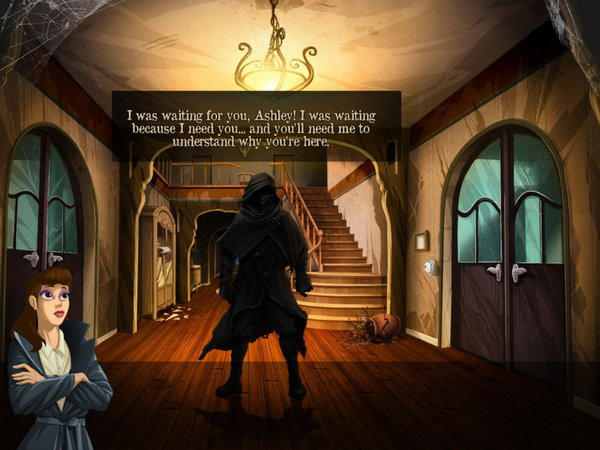
The Age of Enigma: The Secret of the Sixth Ghost is an adventure game for adults featuring a young girl named Ashley. She has been brought to a haunted house by a shadowy figure named Nathan to help free the six trapped ghosts in the house. Players will need to solve a variety of puzzles to help Ashley escape from the haunted house and the horrors trapped inside.
Story
The story follows Ashley who has been haunted with nightmares of an old house. One day, an invitation is slid into her door, bringing her to the exact house of her nightmares. The shadowy figure Nathan informs her that she is a medium and that she must use her powers to free the six ghosts trapped in the house. Each of the six ghosts come from different time periods, who have something that is keeping them in this world, unable to meet their Creator. The plot fits the casual genre that Age of Enigma: The Secret of the Sixth Ghost inhabits. The story is not particularly long or fleshed out, but there is enough to keep players interested and to hold the game together nicely. The plot is a little dark with talks about the death and hell, so I would not recommend handing this game to your local ten year old to play.
Gameplay
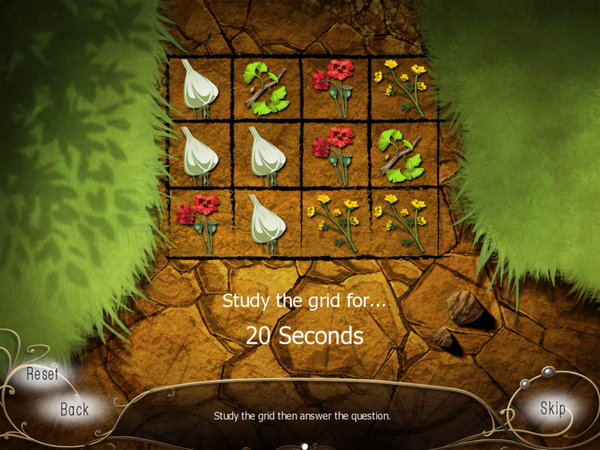
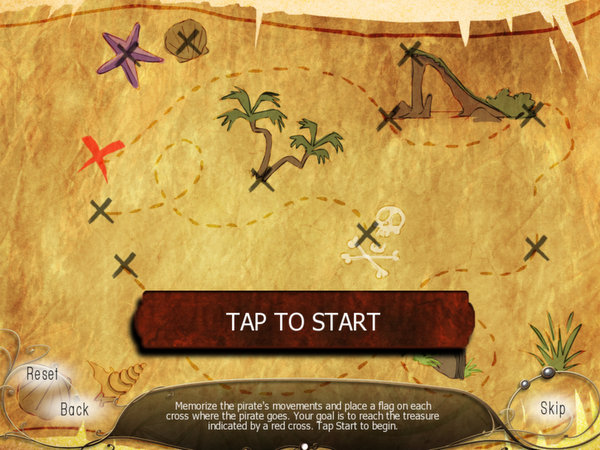
Age of Enigma: The Secret of the Sixth Ghost plays like the classic point and click adventure game. The gameplay generally breaks down to wandering around the dream world or the haunted house to hunt down items that are needed to help solve or access puzzles. Then, the player will complete a short puzzle to proceed with the game. There are two difficulty levels in the game. Casual mode has simplified dialog with the adventuring component of the game simplified with highlighted hot zones. Adventure mode provides detailed conversations and the players are left to themselves to find the hot zones. For the exception to the fifth ghost, the puzzles are varied and at a good level of difficulty. If the player is stuck, the player can choose to try a simpler version of the puzzle. There are three possible difficulties for each puzzle, but I personally found all but one of the puzzles could be completed with a reasonable amount of challenge.
The iPad version of the game is ported from the original PC game. The point and click genre has always been friendly to touch screens. Age of Enigma is no different. Players can choose to either click on objects then click on the target like a mouse or use the more familiar dragging motions of the iPad. The only problem I noticed is that with small hot zones, the correct positioning was to drag the item on top of the hot zone. Most touch screen users are more used to dragging their finger onto the hot zone and releasing. This was a mild annoyance.
Visuals
The visuals in Age of Enigma are excellent. Most of the game works well on the Retina display. The one portion that was clearly not designed for Retina screens were the cut scenes. They were extremely fuzzy, a sure sign of a very low resolution video being enlarged too much to show as a full screen video on the Retina display’s monstrously large resolution. The rest of the game does not seem to suffer from the same problems, as the graphics are sharp with no noticeable fuzziness. The animations are a little on the simple side at times, but this rarely takes away from the game.
Audio
Age of Enigma is partially voice acted. The conversations between Ashley and Nathan are voice acted, but the rest of the conversations in the game are not. The voice acting is not the worst I have heard, for the most part the actors deliver their lines rather well. However, there seems to be no chemistry between Nathan and Ashley. It is as if the actors reading the lines never heard the other’s performance and simply just did their interpretation. In the beginning, it was not an issue, but by the end of the game, the disjointed nature of the voice acting became pretty noticeable. The sound effects and music in Age of Enigma were excellent. Never getting repetitive or taking away from the mood. Although not completely necessary, Age of Enigma recommend using headphones over the iPad’s speaker and I happen to agree.
Overall
Age of Enigma is priced at the higher end of iPad games at $4.99. Currently the game is free to download, but requires the $4.99 in app purchase to unlock the whole game. Although a bit on the short side, Age of Enigma is a high quality casual adventure game that is sure to please any player looking for a casual game to play on the public transit commute to work. I highly recommend people to at least download the free portion of the game and to give it a try. Like Ashley, you may soon find yourself sucked into the game.
Capsule Computers review guidelines can be found here.
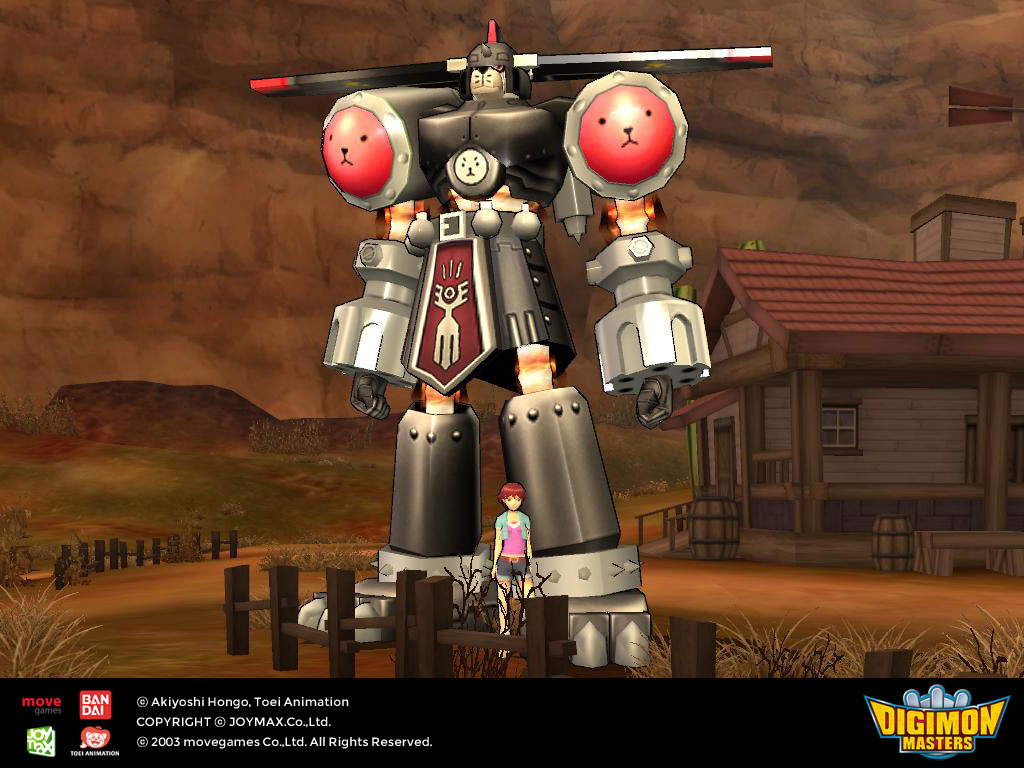
Fans of the Digimon series and players of the Joymax MMORPG, Digimon Masters, will be happy to know that the developers have added an additional two Digimon to the roster of collectable monsters in the game. The first of these additions is the Digimon Arkadimon. The Digimon is described to being a threat to Mega level Digimon despite being at the Fresh stage. As it Digivolves, it gains additional claws, making it quite formidable. The second of these Digimon is Black Saint Galgomon. This can be obtained by using a special digivolution item called ‘Black Saing Wing’ which will be made available on the 5th of February.
Overall it looks like an amazing update from the team. For more news, be sure to check out the Facebook page.
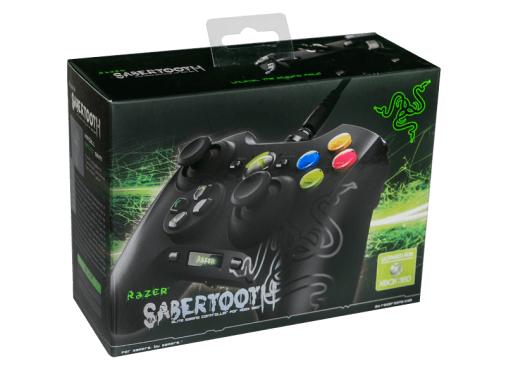
Razer Sabertooth Controller Manufacturer: Razer Platforms: Xbox 360 & Windows PC Price: $79.99 Get it Here
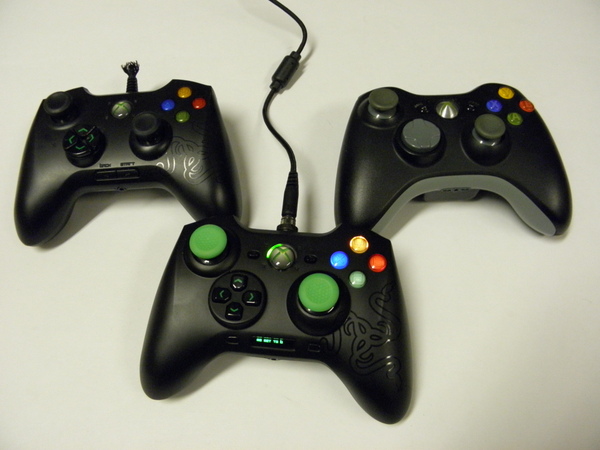
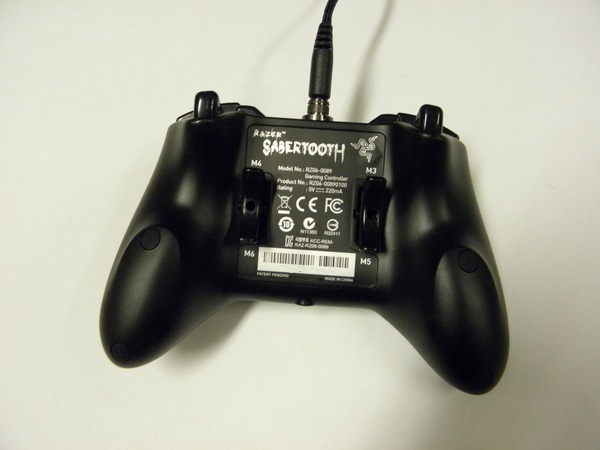
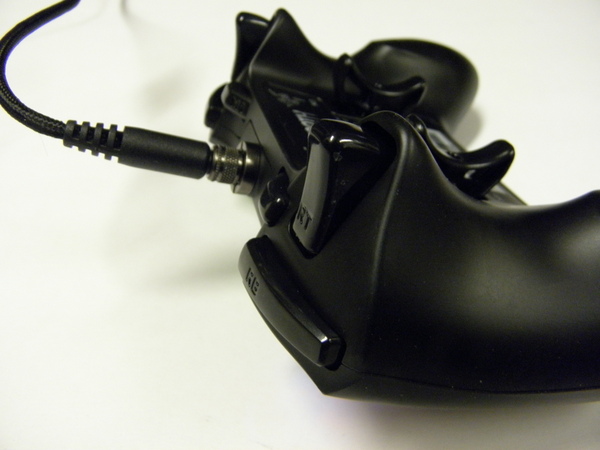
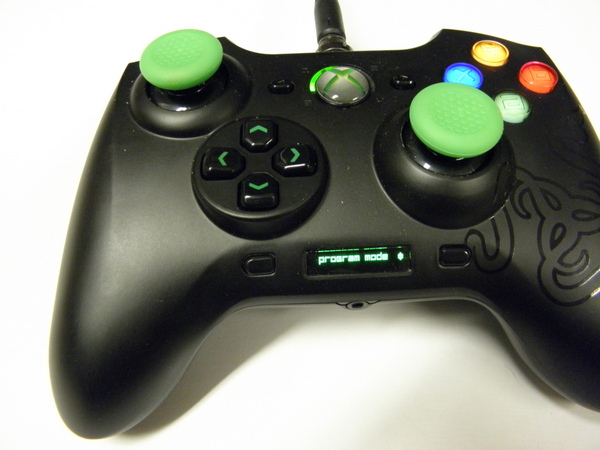
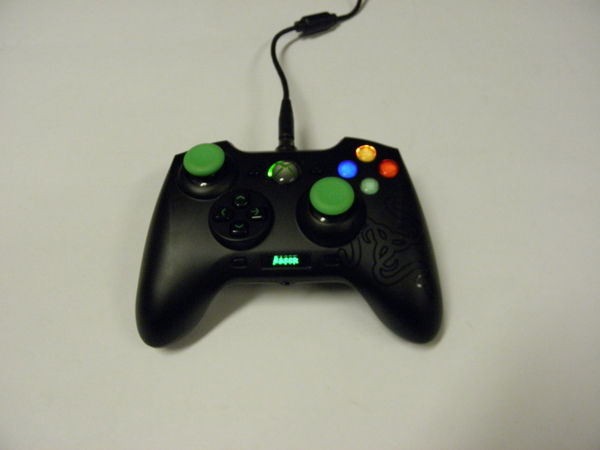
The Razer Sabertooth is the follow up to Razer’s first foray into the controller market, the Razer Onza. The Sabertooth maintains the Onza’s shell, but changes the position of the two macro buttons on the shoulders of the controller and adds two rocker switches that provide a total of four extra macro buttons on the bottom of the controller. Additionally the tension thumb sticks have been removed in favour of Xbox style thumb sticks. The Start and Select buttons have been moved to be near the Xbox Home button, the shape of the triggers, and the height of the four face buttons have been raised to better replicate the original Xbox 360 controller. The D-Pad has been changed to a Playstation 3 style D-Pad. A removable cable has been added for easier transportation. The Sabertooth also sports an OLED screen with two buttons surrounding it that manages all the programmable features on the controller.
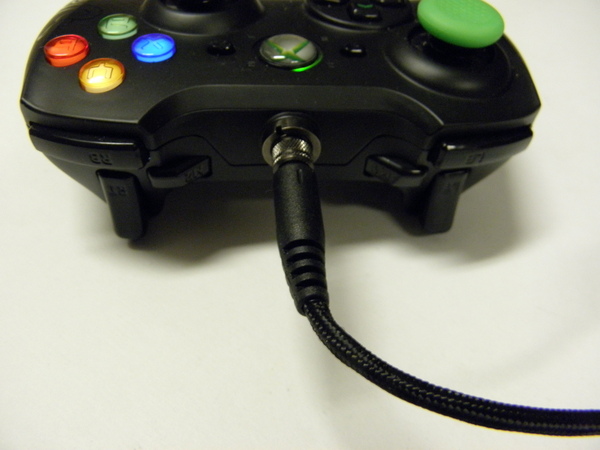
The Razer Onza Tournament Edition has been pushed down to a mid-tier level with the introduction of the Sabertooth. Early in the Onza’s lifespan, it was plagued with long term durability issues. Razer gone to great lengths to highlight the improved durability. The removable cable is one of the more noticeable changes to the controller. My previous Onzas had a tendency to bend severely at the end of the rubber stress relief. With the new cabling, the Sabertooth’s cable curves out gently, putting less stress on the cabling. Razer points out that they have improved the materials used in the Sabertooth over the Onza. Hopefully, this should result in better long term survival for the Razer Sabertooth.
The Razer Onza is packed into its box with a travel case. Inside the travel case is the controller, the removable cable, two Razer green thumbstick cap, two rubber pieces, and a small screwdriver. The green thumbstick caps are made out a silicone type material that greatly improves on the grip of the thumb sticks. As a person who suffers from sweaty hands, I really appreciated this small touch. The small screwdriver and the two rubber pieces allow the rocker macro buttons to be completely removed from the controller and covered up to keep debris out. This is an excellent option for those who find the macro triggers intrusive.
The wiring is a thick braided cable that does not tangle easily. Razer has provided a generous amount of cabling with the Sabertooth, so it will reach the couch easily. The cabling has an easily detached plug on the end found in wired Xbox controllers that will cut the cable instead of yanking the Xbox 360 out of the media centre or where ever it is stored. The short piece of cable that includes the USB plug and the safety plug is the same as the Onza.
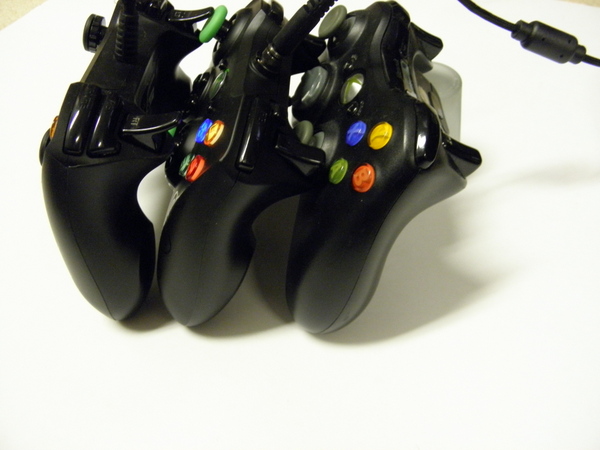
The first experience using the Sabertooth will be a little alien no matter if you have previously used the Onza or the stock Xbox 360 controller. The Sabertooth’s design lies somewhere in between. The triggers are similar to the stock Xbox 360 controller, as a result I found the travel distance to trigger a response was a bit longer than the Onza. The wedge design of the Sabertooth’s triggers makes it difficult to choke up on the triggers to provide a shorter travel distance that the Onza was capable of. Unfortunately, this required a bit of learning curve to perfect the triggers. It seems that Razer has chosen to shorten the transition between a stock Xbox 360 controller to the Sabertooth. The Razer Sabertooth uses the Onza’s body which is a slightly less flared out angle than the stock Xbox 360 controller. I personally found the angle to be extremely comfortable to hold for extended periods of time.
The face buttons are about the same height as the stock Xbox 360 buttons, however, they retain the same mouse button like feel as the Onza’s. As a result, the travel distance required to actuate the button is barely anything. This will shave a split second off the button’s response time. For the average person, this really won’t change much, but for a twitchy game like Call of Duty, a split second could be the matter of life and death. The Start and Select buttons use the same mouse button click. However they are about half the size of the stock buttons and sit much more aggressive height on the controller. I found locating the Start and Select buttons by touch was a little harder and less natural feeling than the stock controller.
The D-Pad is an absolute work of beauty. Razer redesigned the D-Pad to look more like a Playstation styled D-Pad. I was never a huge fan of the Onza’s D-Pad. I always found it clunky when handling diagonal directions. The Sabertooth’s D-Pad to be responsible and incredibly comfortable to use. Some things on a controller are best not messed with, and the D-Pad is one of them.
The Sabertooth’s thumb sticks mimic the Xbox 360’s stock thumb sticks perfectly. In my very unscientific comparison, the amount of force required to move the thumb sticks on the Sabertooth and the Xbox 360 felt exctly the same. For the Sabertooth, Razer chose a software solution to handle the sensitivity of the thumb sticks instead of a physical solution in the Onza. The thumb stick’s sensitivity can be set independently of each other, allowing players to perfectly tune the performance of the thumb sticks to their tastes.
There are a total of six macro buttons spread between two places on the Sabertooth. M1 and M2 are located in between and towards the centre of the triggers and shoulder buttons. Razer said this allows for more accurate presses of the button compared to the Onza. I found this to be absolutely true. Unfortunately, I have extremely small hands. For reference, I wear extra small or really large children’s gloves normally. So with a normal grip, I could hit the M1 and M2 buttons with the very tip of my fingers. With a slightly modified grip, I could press the buttons a little easier. For 99% of the male population, there should be no issues, but people with smaller hands may want to think about getting some hands on time with the controller if the shoulder macro buttons are extremely important to them.
The two rocker macro triggers on the bottom of the controller has quickly earned its way as my favourite part of the Sabertooth controller. The motion to pull the rocker towards the user is an extremely natural motion, excellent for buttons that will be used a lot in a game. Flicking the middle finger outwards is a very quick motion, but I found it was best left macroed to buttons that were used occasionally. Using the six macro keys, I found it completely possible to almost never have to leave the thumb sticks in FPS games. This provided a definite split second advantage and probably will assist a lot of players in such tactics like drop shots. In practice, the triggers require a reasonable amount of force to actuate and have a nice click to them. I had a few occasions where I accidently pressed one of the macro triggers when I was surprised and naturally tensed up. In my hours of testing the controller, I can literally count the times it happened on one hand.
The Razer Sabertooth has an green OLED screen that allows the user to turn off and on lighting andvibration functions. Additionally, the controller’s macro buttons and thumb stick sensitivity can be programmed through this screen. The Sabertooth saves two separate profiles, allowing for programming one profile for say FPS games and the other for games requiring a more traditional button and stick configuration. There are two buttons flanking the OLED screen. The one of the left swaps between profiles while the right handles the programming functions. Learning how to program this did require the help of the instruction manual. Once I learned the basics, I was able to handle the programming with ease. One problem to note is that as an Onza owner, the program and profile buttons are located where the Start and Select buttons were on the Onza. During my initial familiarization period with the Sabertooth, I found myself hitting these buttons then wondering why my macro buttons were completely changed or why my controller suddenly became unresponsive.
The controller is compatible with both the Xbox 360 and Windows PC. There are no drivers to install for the Windows PC. I plugged it into my computer running Windows 7 and the computer immediately recognized the controller, installed the drivers automatically, and I was playing games on Steam Big Picture in no time.
The Razer Sabertooth is a fantastic controller. Razer seems to have taken user response about the Onza and created a top of the line controller. It is definitely oriented towards the FPS crowd, but any heavy Xbox 360 user will appreciate the extra features of the Sabertooth. There is a bit of a learning curve with this controller, but those who tough it out will be rewarded. At $79.99, is definitely an extremely expensive controller for the occasional Xbox 360 gamer. A generous amount of pack-ins like the travel case and thumb stick covers provide some extra value for the price. I highly recommend the Razer Sabertooth to any hard core gamer who is willing to deal with the wires. For current Onza owners, the decision to upgrade is a little murkier. If you are completely in love with the tensioned sticks and the Onza’s triggers, you may want to hold out on an upgrade. However, if you found the Onza to be too much of a departure from the classic Xbox 360 controller, the Razer Sabertooth will bring you the best of both worlds.
Capsule Computers review guidelines can be found here.