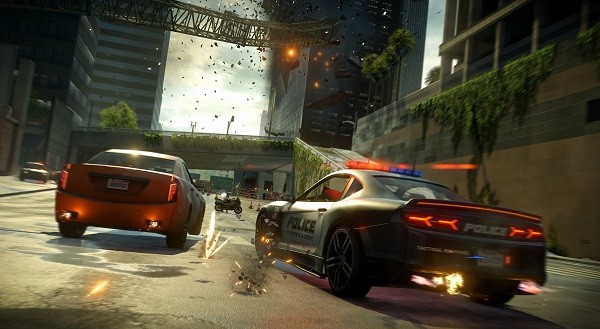
Battlefield Hardline‘s end of March launch date is quickly approaching. EA and Visceral Games released a brand new launch trailer featuring clips of in-game cinematics and multiplayer gameplay. The trailer teases the game’s plot and some of the new features coming to the long running Battlefield series.
Battlefield Hardline is set to launch on March 17th in North America, March 19th in PAL regions, and March 20 in New Zealand for PlayStation 3, PlayStation 4, Xbox 360, Xbox One, and Windows. The game will cost between $89.95 to $99.95 AUD based on platform and the season pass will cost an additional $59.99 AUD.
The game’s cops and robbers theme is a departure from the franchise’s traditional large scale military conflicts. It is the first Battlefield title to be developed by Dead Space developers Visceral Games, as DICE is currently developing Star War: Battlefront and Battlefield 5.
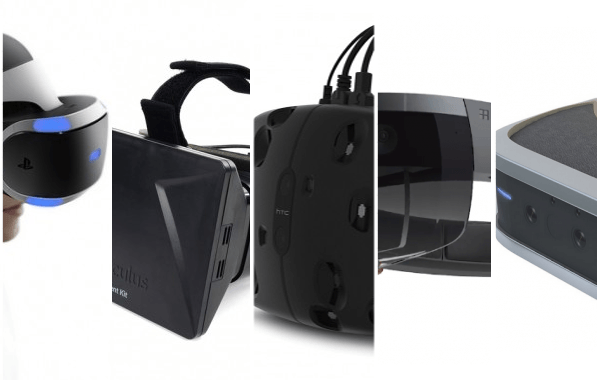
Virtual Reality seems to be the ‘big thing’ that every company is trying to get in on first. With the Game Developers Conference 2015 wrapping up, a lot of big companies have put their name in the V.R. hat as they all try to come out with the greatest reality morphing device. It can get a little confusing keeping up with it all so we’ve created a summary containing all the important information such as who is creating what, expected release dates and unique features. Should you wish to learn more about any one of these projects, each project title will take you to the official website for that device.
Project: Project Morpheus
Company: Sony
Release Date: Q2 2016. Will cost less than $1000.
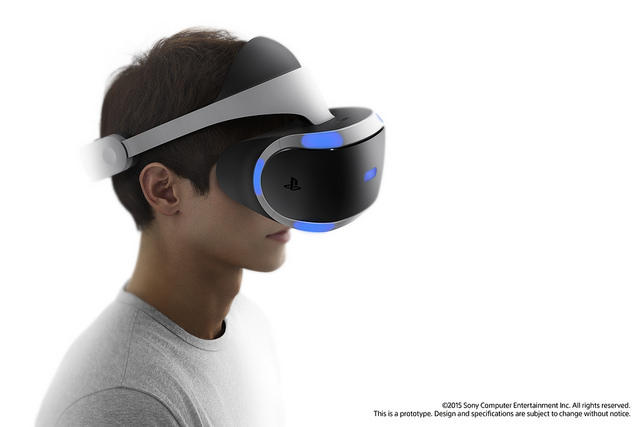
Sony have been far from shy revealing details of Project Morpheus as of late and the device looks very promising after receiving a huge update for the second prototype. Project Morpheus will feature a single 5.7″ OLED 1,920 x RGB x 1,080 display and 120Hz refresh rate, helping to eliminate any low resolution issues, remove flicker and help overcome one of the biggest problems V.R. is facing in the industry, motion blur. Sony makes its money off consumers so it’s no surprise the Morpheus is designed for player comfort, featuring a light build and a quick release strap to remove the device. The headset will feature inbuilt 3D audio so that your ears aren’t left out of the experience. Project Morpheus will be powered by the PlayStation 4 requiring players to own the console to experience the headset.
Project: Oculus Rift
Company: Oculus VR
Release Date: Development Kit 2 Available Now for $350 U.S., can be shipped Worldwide
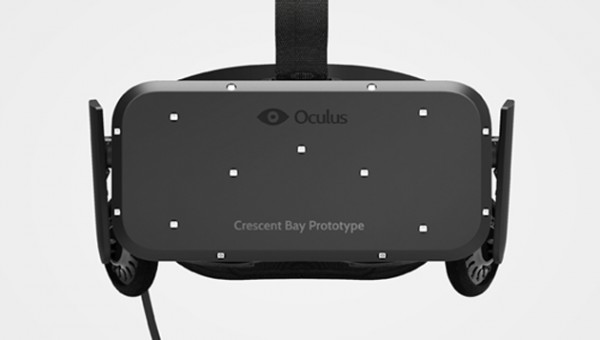
Pretty much the device that brought Virtual Reality into relevancy several years ago, Oculus Rift is still pushing to be one of the leading V.R. devices with a little help from Facebook who purchased the company behind the device last year. The Rift offers a resolution of 960 x 1080 per eye on OLED displays, positional tracking for your head movements, 75 Hz refresh rate and a low persistence display to help eliminate motion blur. It is easily the most developer friendly device on the market with heaps of integrations with Unity 4, Unreal Engine 4 and UDK. Basically the technology is a little behind on Sony’s Morpheus but the Rift is more open to developers and players with it’s PC compatibility. Anyone is able to purchase one and a heap of games have already been made compatible with the Rift.
Project: HTC Vive
Company: HTC/Valve
Release Date: U.S. Spring 2015 (Developer Edition Only)
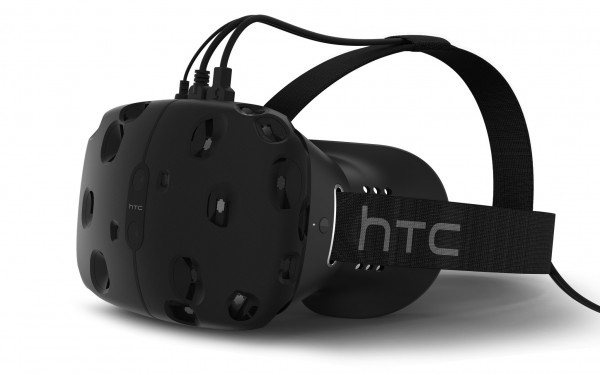
The big new boy in the V.R. space formed from a collaboration with two power house companies, the Vive has had heaps of good impressions from the most recent GDC. The Vive sports a 1,200 by 1,080 pixel screen in front of each eye, both with a 90 Hz refresh rate and promises it can display photo realistic imagery. You can pair the headset with a pair of Steam VR base stations (sensors you place in corners of the room) to track your physical location which means you can actually get up and walk around unlike many of the other devices on this list. The development kit comes with two long controllers that you can hold in each hand that can track you hand and arm movements and seems much more better suited to a V.R. experience then a single game controller, allowing your hands to move freely.
Project: HoloLens
Company: Microsoft
Release Date: Unknown (Development Kit Available Late 2015 Rumoured)
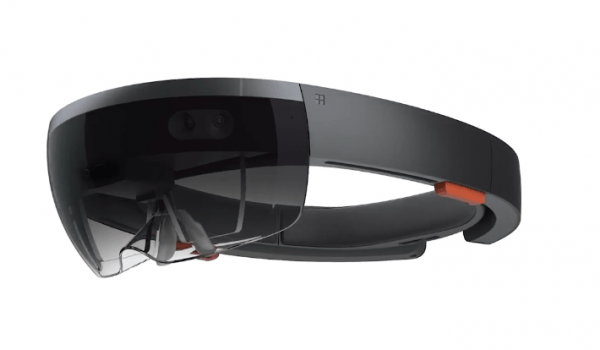
Let’s face it, Kinect has failed to bring any sort of revolution to gaming and is pretty much restricted to games aimed at children. Hoping they can actually affect some change, Microsoft’s new device the HoloLens functions as more of an augmented reality device than a strict virtual reality device. The lens at the front is transparent, so instead of being fully in the games world you will see the real world with holograms overlayed in it, picture holograms all around you with say a Skype chat box appearing while you walk or Minecraft but all over your living room. Not much has been said on actual specs, but the HoloLens features a very powerful, inbuilt Holographic Processing Unit which keeps the device completely wireless and allows the unit to recognize hand gestures as its main control form. HoloLens also features built in spatial sound, so you will hear Holograms when you are an appropriate distance to them making them seem more natural in your environment. Another great feature is it is not tied to any other software or hardware.
Project: Magic Leap
Company: Magic Leap ($542 million dollar investment from Google)
Release Date: Unknown
Definitely the most mysterious project on this list, the Magic Leap project is one crafted around love but is still in early prototype stages as you can tell by the picture we had to use. While most of the devices here use Stereoscopic 3D to essentially trick our minds into seeing images, Magic Leap will use light projection to make incredibly realistic projections appear in the real world, which according to the CEO respects the biology of the human eye-brain system in a safer way. We don’t know much about it yet, but this is definitely a project to keep your eyes on as the company is promising to blow us away and show us an all new V.R. experience.
Project: Gear VR
Company: Samsung
Release Date: Available Now in U.S. for $200
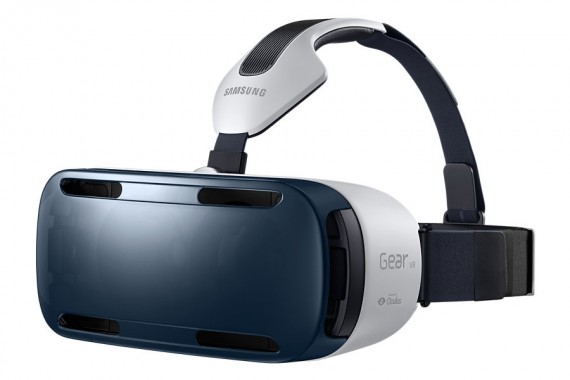
The only device on this list available now to the general consumer market, the Gear VR will require you to own the Samsung Galaxy Note 4 (or any future released Note series device) as it uses the phones high quality 5.7″ Quad HD AMOLED screen as the display and does not have one of its own. The Gear VR is more like a V.R. Android Mobile Interface and is seemingly more limited than many of the other devices on this list, however it will let you enjoy some cool stuff like 360 degree videos and navigate menus with hand gestures and touch controls.
Project: MindLeap
Company: MindMaze
Release Date: Development Kit Available Late 2015
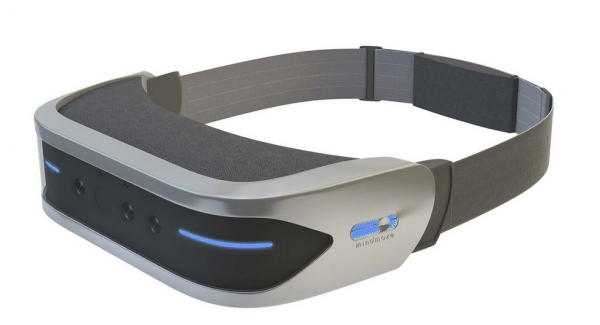
The MindLeap is one of the smaller players in the market but that doesn’t mean it has nothing to offer. There is one huge difference with this device that makes it stand out from the crowd, it uses your actual brainwaves as the controls instead of physically controls or hand gestures (although there is still functionality for the former control method). This is great news for both tech heads and disabled gamers. Another big stand out is that the device is not strictly virtual or augmented reality but can easily be switched between both with a single button flick. The device will come with a 3D camera to track your movements and work in sync with the headset to provide a complete V.R./A.R. experience. MindLeap will be able to be used with a number of games across a number of platforms including mobile devices and consoles. The device is also expected to be a big part of the medical science sector, especially in regards to rehabilitation and neuroscience.
The Virtual Reality space is definitely showing promise and it has always been a bit of gaming dream that one day we would be able to actually step into the shoes of the onscreen characters and feel like we are in the game. Now with the appropriate advancements in technology, that day doesn’t seem far away. Let us know in the comments below which V.R. project you are most excited about and how you would like to see the technology used in games. If you know of any other major projects being worked on in the V.R. space that we missed pleased let us know about it as we would love to check it out.
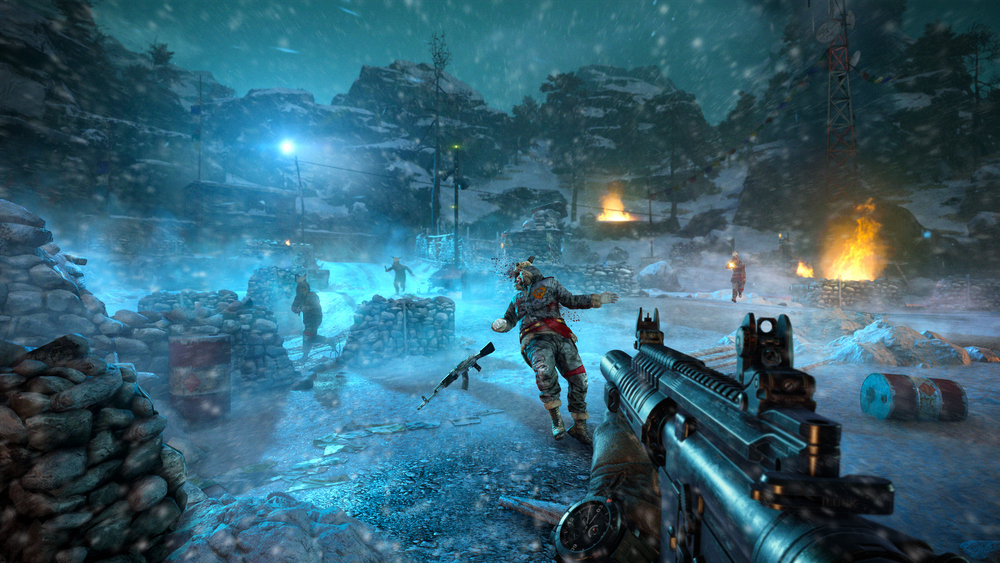
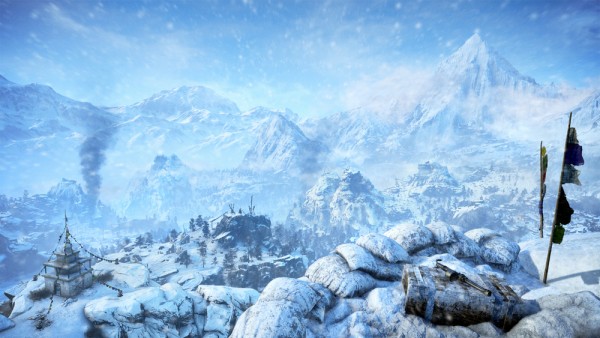
The latest piece of DLC for Far Cry 4is launching this week. “Valley of the Yetis” will be available on March 10th on Xbox Live for Xbox 360 and Xbox One and on Windows via Steam and Uplay. PlayStation 3 and 4 owners will be able to get their hands on the DLC on March 11th.
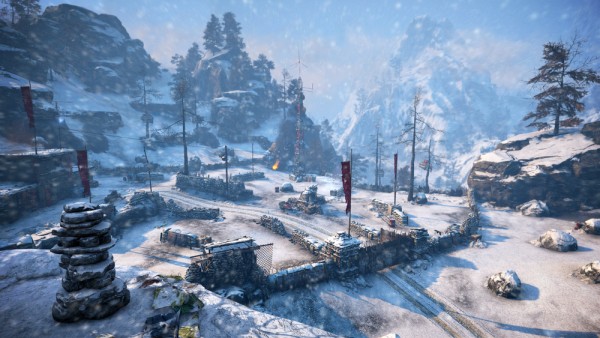
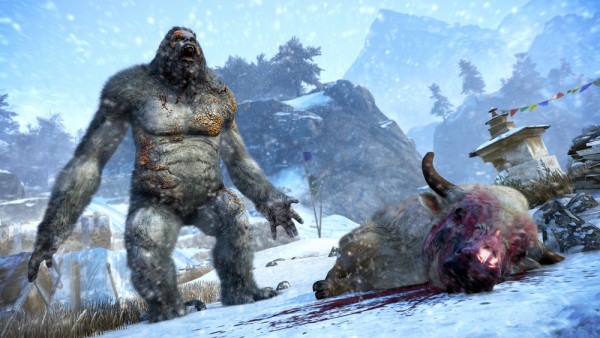
“Valley of the Yetis” takes Ajay Ghale to a mountainous ridge in the Himalayas filled with dangerous cultists and packs of bloodthirsty yetis.
The DLC will be available on its own at a yet to be announced price or as part of the season pass priced at $29.99 USD.
The DLC features:
·A New Open World: Explore and survive a new environment in Kyrat. The beautiful and majestic top of the Himalayas await.
·Defend and Upgrade Your Camp: Capture an enemy relay station to use as a safe house. Players will need to fortify the camp by completing side quests during the day, and defend it from waves of attackers at night.
·Uncover the mystery: A mysterious cult inhabits this valley and now hides a secret based on ancient legends. Discover the secret behind the cult of The Awakened Ones and survive the yetis.
Indie Gala and Capsule Computers are celebrating the big 50 with bang. This week’s Every Monday Bundle contains eight indie games, all of them redeemable on Steam.
Talisman – The officially licensed video game of the popular board game of the same name.
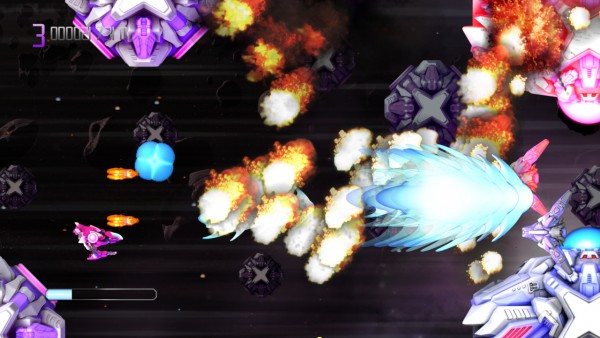
Redux – A challenging shump inspired by arcade games of yesteryear.
Ephemerid – A rock opera about a paper mayfly that has was a finalist in several major indie game events.
Air Guardians – A futuristic flight combat sim designed for new players to the genre.
Borealis – A visually trippy game that challenges players to avoid getting hit, while the procedurally generated game throws missiles at the player to the beat the music.
But to Paint a Universe – An adventure game following a girl looking to repair the broken sky.
Monomino – A colourful puzzler inspired by the classic game Lemmings.
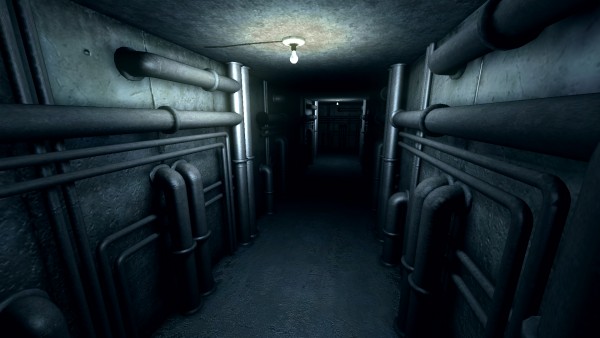
One Night – As the security guard of the office, it’s up to you to keep out thieves, but a stranger has broken in and is about to spill the dark secrets hidden in the office.
For the first 24 hours of the sale, the entire bundle costs only $2.49. After that, the price rises, so grab your copy at Indie Gala.
Square Enix announced at PAX East that Final Fantasy XIV: Heavensward, the first expansion to Final Fantasy XIV: A Realm Reborn, will launch for PlayStation 4, PlayStation 3, PC, and Mac on June 23rd with early access beginning on June 19th.
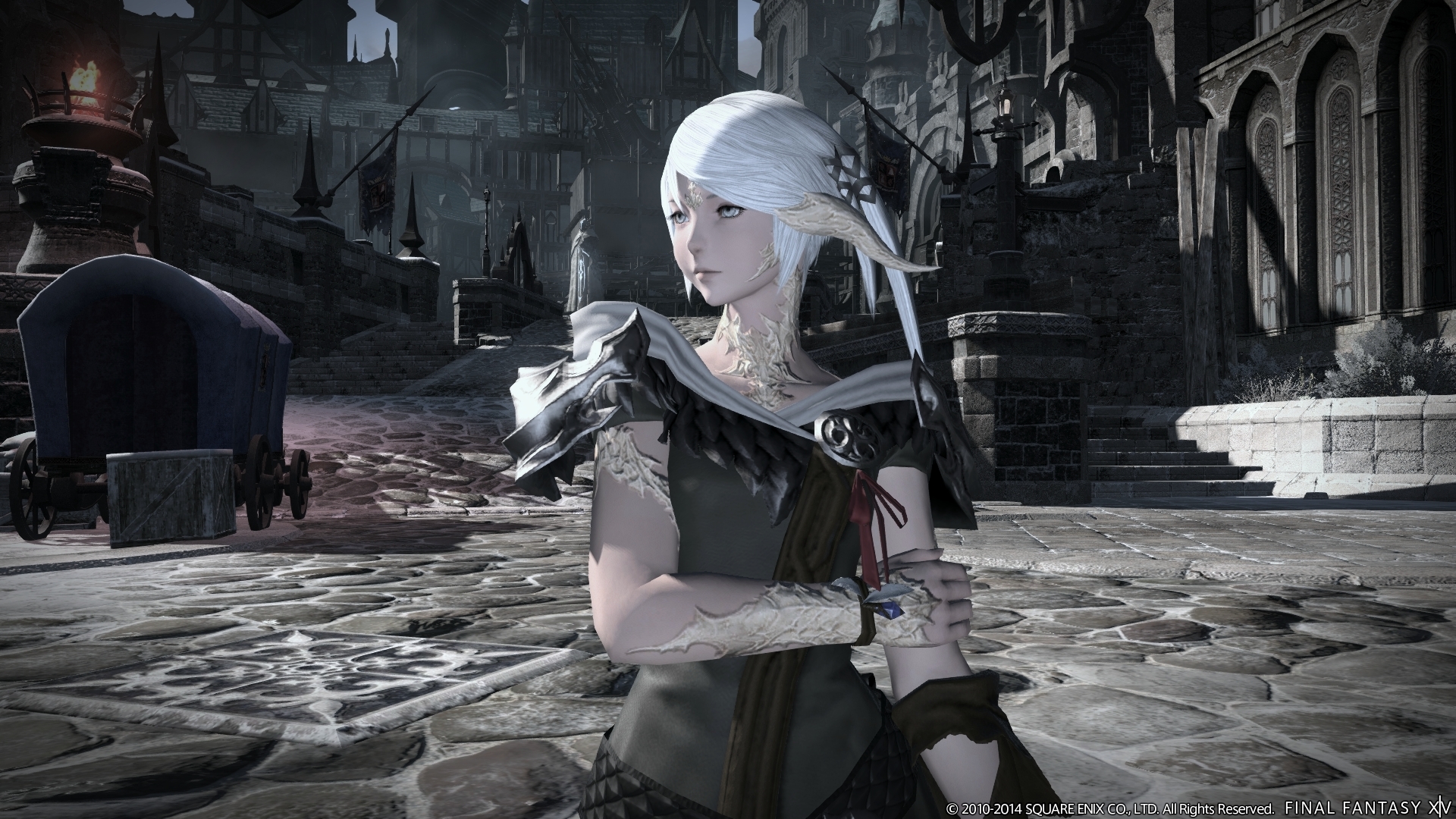
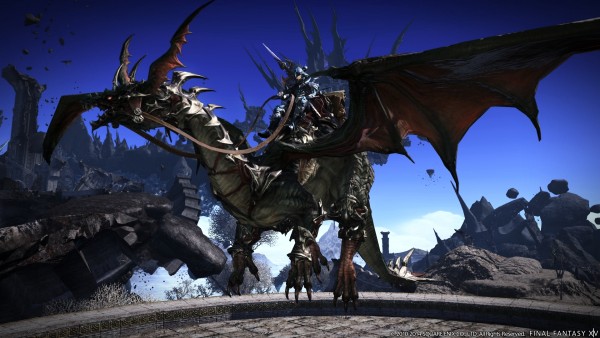
This expansion will introduce three new jobs in the form of Dark Knight, Astrologian, and Machinist, a new playable race featuring curved horns and scaled skin called the Au Ra, flying mounts including single-rider airships and flying chocobos, new equipment, new raides, and adding plenty of new zones to the world of Eorzea. You can check out a preview video of the expansion below.
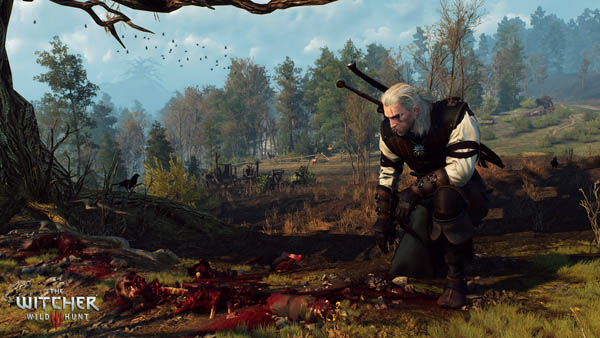
During PAX East in Boston CD Projekt RED debuted a seven minute long gameplay video for The Witcher 3: Wild Hunt giving players a guided tour of some areas in the No Man’s Land, which is one of the regions players will be able to explore once the game is released for the PlayStation 4, Xbox One, and PC worldwide on May 19th.
In the trailer you will see Geralt face off against a number of different basic enemies as well as the secret behind a phantom on the trade route as well as fighting against a Royal Wyvern to save some villagers.
Fans of the series have been waiting quite a while, so long in fact that there were jokes going around that a third season would never be announced but this weekend that announcement came. YuruYuri‘s mangaka Namori announced that a third anime season for the series has been greenlit. At the moment no exact details have been announced but you can check out the announcement artwork below.
This news comes shortly after an hour long OVA following the cast on a camping trip was released on home video in Japan. Considering NIS America has licensed and released both seasons of the YuruYuri anime in North America, it will be interesting to see if they will pursue the OVA and the third season whenever it makes its debut.
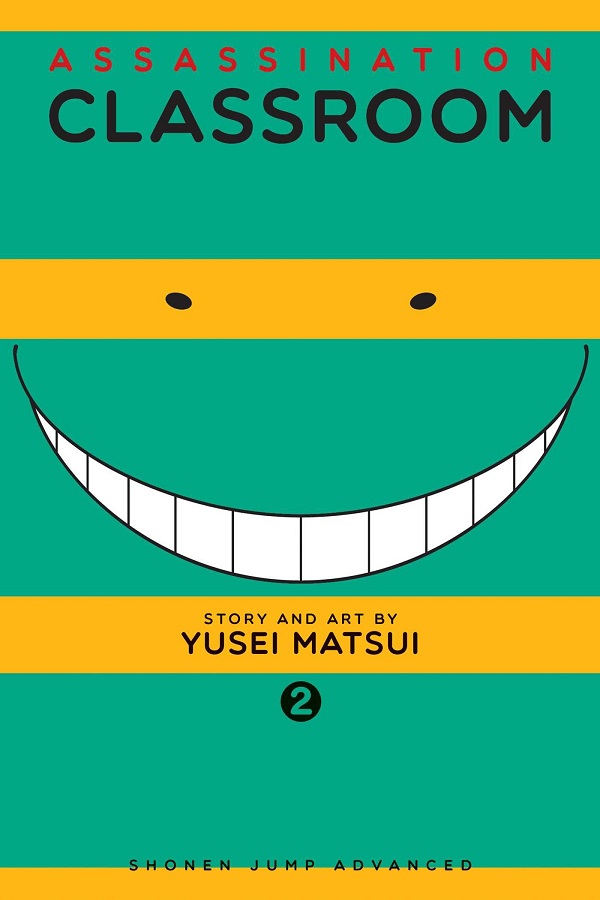
Overview Despite the large amount of manga series that take place in a school setting, very few series actually take the time to create a story utilizing an entire class. We’ve already seen how different Yusei Matsui’s Assassination Classroom tackles the concept of a school in the first volume and now that the second volume of this unique comedy manga has hit stores, is the story worth continuing?
Story Despite the best efforts from some of the students of Kunugigaoka Junior High’s Class 3-E, only one has even come close to harming Koro-Sensei, their super powered teacher who is promising to destroy the world by the time they graduate. As such, a new teacher named Irina Jelavich has been assigned to Class E under the guise of a language teacher while her true nature is that of a merciless assassin that uses her feminine wiles to eliminate her target.
Even with the introduction of this new teacher, Class E must also deal with upcoming midterms that they are woefully unprepared for while also planning for an upcoming school trip. Class E already has experienced a far different classroom experience than everyone else throughout the first volume but in the second volume things only get better.
As you may surmise, there are three mini-arcs that take place throughout the second volume of Assassination Classroom though the final arc does not reach its conclusion in this volume and leaves readers at a cliffhanger. In many ways this makes the second volume of Assassination Classroom better than the first as the first volume that would lose momentum anytime a new classmate was introduced only to be relegated back to being a side character immediately after the events.
Thanks to the back to back story arcs in volume two this is no longer an issue and it seems that Yusei Matsui has found a relatively perfect length for these mini-arcs as they run three to four chapters in length depending on their importance to the overall story. The first arc features the introduction of Irina Jelavich who believes that she is more than capable of taking down Koro-Sensei and thanks to her hostile attitude and unwillingness to teach the students, Class E quickly turns on her but once this issue is resolved not only does the class receive an interesting new teacher that has issues adapting to a normal life style and still readily uses her beauty to get what she wants but a fresh set of jokes stemming from her.
The real highlight comes from the midterms as we see just how revolting Kunugigaoka Junior High is. Previously readers were introduced to Class E being the worst class in school and were treated poorly because of this, but in this arc pulls back the curtain on why Class E exists and how it became that way and it is all thanks to the principal of the school, Gakuho Asano. Asano serves as an all seeing enemy that forces even Koro-sensei to obey his whims and utilizes various cruel and dirty tricks to ensure that his learning system, one that uses the mistreated members of Class E as an example of what can happen to them if they choose to not work their very hardest, stays in place, even if it means that everyone in Class E must suffer.
With the introduction of a truly evil principal that is pulling the strings to keep Class E in line and a well-established new teacher, who is called Ms. Vitch once the students are on friendly terms with her as opposed to Hellabitch, the story continues to move at a strong pace as we the school experience continues on with the addition of these new faces and small developments with the rest of the cast, including Karma and Koro-sensei as he does his best to help his pupils grow and teach the students who see no way out of their current lives other than to assassinate him.
Artwork The artwork throughout volume two remains similar as before as it features a very clean look that with simplistic but memorable character designs for the core cast of students. There is a certain element this time around that really does deserve mentioning and that is the way the students visualize the tests they take. As the class takes their midterms they visualize various questions as monsters that need to be slain which is a real unique take on the situation. It also should go without saying that Koro-sensei remains a highlight throughout the volume thanks to his humorously drawn expressions and attitude.
Extra Content Assassination Classroom Volume 2 begins with two pages that describe the story so far as well as a brief introduction to the various characters that have been focused on so far. Following this, at the end of every chapter there is both a sketch and brief description for a character or extra little pieces of information about either the school or a matter mentioned in the chapter while the start of most features artwork of the members of Class E. Finally to close out the volume there is a mini chapter featuring a crossover with the non-localized manga The Mishaps of Kusou Saiki that is then followed by some brief character design notes and a message from the author.
Overall With the addition of the smart but also immature professional assassin Jelavich and the viciously evil Principle Asano forcing Class E down, Assassination Classroom Volume 2 manages to outperform its predecessor by relying on interesting min-arcs and introducing new characters to keep things fresh. Despite how serious things can be at times, especially with the midterm arc, there is still plenty of humor to be found here, mostly thanks to Koro-sensei, Jelavich, and Karma. It does feel like the whole assassination element is taking a bit of a backseat for now as very few characters try to take Koro-sensei down but this Assassination Classroom seems to only be getting better as it goes on.
Capsule Computers review guidelines can be found here.
Overview
Kirby may have had a great number of releases, but Nintendo have waited a bit before having the lovable mascot debut on the Wii U. Maybe the reasoning behind that was due to the development of Smash, but its also because Kirby titles have to have nothing but quality before releasing – and while the platforming is great, HAL have always enjoyed putting our pink hero in new situations with gimmicks galore. After Return to Dreamland and Triple Deluxe brought us more foundation for the franchise, Kirby and the Rainbow Curse calls for something more unique. Utilizing the same mechanics as Kirby’s Canvas Curse and Yoshi’s Touch and Go, this release is out to please visually, with a bit of a sturdier challenge than before. How does it fare for the Wii U? Let’s find out.
Story
Kirby and the Rainbow Curse starts out like most Kirby titles, with our little hero innocently playing with Waddle Dee in the fields of Dream Land. Just a few moments later, the sky opens up and a new villain by the name of Claycia drains the world of its color, sucking the life out of every living thing in sight. That is where we meet Elline, a magical little paintbrush who falls into the world, restoring Kirby and Waddle Dee so they can put a stop to the menace once and for all. That is the little plot that awaits, and its quite charming. Sure, it doesn’t take any risks for the series or deliver much outside the norm, but Kirby fans will be pleased as the same atmosphere is completely in tact, inviting the players yet again on a memorable little adventure that is played in a brand new way of sorts.
Gameplay
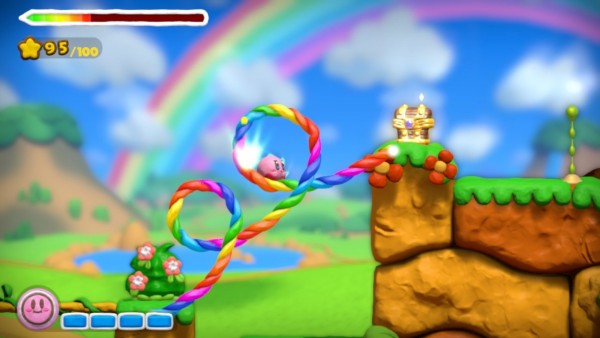
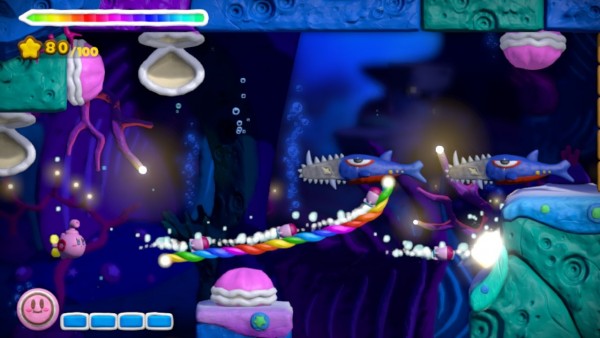
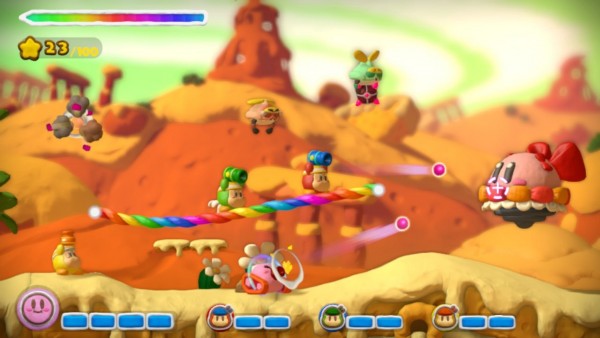
Rainbow Curse is very similar to Canvas Curse in many ways, but the two titles really shouldn’t be compared. Instead of copying abilities from enemies, Kirby has to smash into them at a certain speed, gaining momentum from your magical little stylus controlled paintbrush. Yes folks, you will be just using the Gamepad for this title, as everything you do is stylus controlled, with the gimmick being a rainbow colored rope that the player must create for a ball-shaped Kirby to roll on. Making ramps, loops, and allowing Kirby to gain speed is how stages are finished, with a great number of little puzzles to figure out throughout each stage. For instance, water may be pouring down to slow Kirby to a halt, but with your rope you can get the little guy moving and also paint another rope to block the waterfall entirely to keep everyone nice and dry. Another scenario you will see are spikes that can take out Kirby quickly unless you draw a path to keep him protected. Its a simple mechanic, but one that requires the player to pay attention to every piece of the stage so they get the most out of the playthrough.
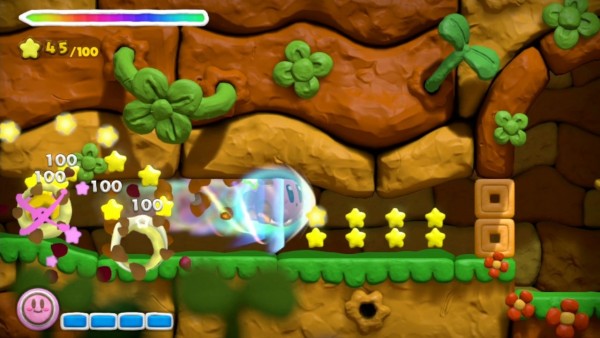
It isn’t all about rolling along your own thread though. While that works fluidly and the stylus is very responsive, the player also gets to take part in vehicular stages of sorts, with Kirby transforming into a Rocket, Tank, and Submarine. We saw these types of vehicles before in titles such as Epic Yarn, but with the gimmick on display, it does give a new way to enjoy them. Those wanting a little something extra will be happy to know that Kirby does obtain a power-up, allowing him to grow and shoot at a very fast speed, destroying anything in his path for a short amount of time. It only costs 100 stars to perform this tactic, which gives players a better reason to collect every star they see throughout each stage as the maneuver is very useful as a good number of secrets and collectibles can be found using the extra power.
Exploration is something that is rewarded, and those who take the time to toy with their surroundings will find a prize in every corner. Collectibles such as figurines can be found in treasure chests, which are hidden well in every stage. Sure, this is a Kirby title and it is not going to be a sturdy challenge, but when you set out to obtain everything such as stars and chests in a particular area, the difficulty does go up greatly as there are plenty of items that are placed in dangerous areas. Boss battles end each area well enough and are done in a great way. For instance, a standard bout with Whispy Woods is not exactly what the player will find as new obstacles make themselves very present to make for a more unique take on something we have experienced in just about every Kirby game to date. I still don’t know how that stupid tree gets himself on the opposing side of Kirby every time, but its a quirk that assists in providing familiarity to an already blissful experience.
Those who want a bit of extra meat can look towards the multiplayer, where local players can assist through Wiimote control, taking the roles of Waddle Dees. The Dees don’t do alot other than pick up Kirby and attack enemies, but it is a fun little extra. Challenge mode brings a lot of content with it, as these short stages allow players to collect medals by quickly creating a rope to solve an environmental puzzle. I’ll be honest, a good number of these are tough – which makes me wonder why HAL didn’t add that difficulty to the story mode. With that said, hardcore fans wanting to test themselves will find a lot to do after beating the main game through this mode. Amiibo support is rather minimal as it just gives Kirby power-ups, but that is just fine as the little bonuses act as a way to make the game easier and allow for more interesting second visits to each stage.
Visuals
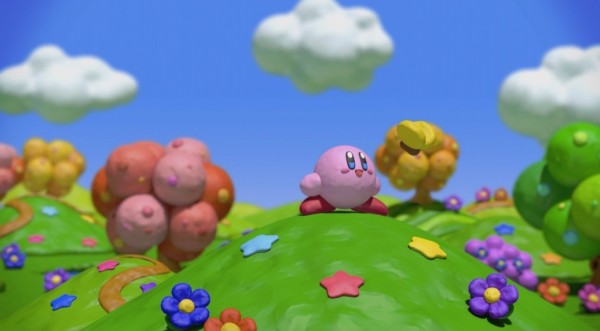
The clay aesthetic bodes well in Kirby and the Rainbow Curse, giving us a world full of color. Cutscenes appear to use stop-motion animation, with doors stretching out frame by frame to lay out the next area and Kirby literally making a splat when falling from a long jump. Its different, but quite endearing. Personally, I never was a fan of clay in the art world, but it works with Kirby’s universe, giving this particular release a gimmick to call its own. Every bit of this world really is made of clay and while the mechanics never bring that into the mix really, the stages are definitely beautiful little art pieces from beginning to end. I guess I also should bring up that you are required to look at the “non-HD” Gamepad for this adventure, but honestly, this title is made for the Gamepad. Sure, you can look up and see it in a better format, but the mechanics are more important than the visuals here, and you can enjoy them all the same on the smaller screen.
Audio
The soundtrack for Kirby and the Rainbow Curse is very pleasant. I wouldn’t say it was the best set of music for Kirby ever as most seems to be tracks that have been remixed to better fit in this world, but fans will enjoy what they hear and be whistling to the tunes in no time. The sound effects are also well crafted, with Kirby’s little yells and environmental noises bringing Dream Land full circle. Its all about the same as before, but again, the gameplay is so much of the forefront of this title that the rest, while great – simply paints a more complete picture of a world much traveled.
Overall
Kirby and the Rainbow Curse is a fine debut for the pink mascot on the Wii U. While it doesn’t provide an entirely original experience, it still is refreshing and a joy to play. Nintendo seem to use Kirby to test the waters for other titles, and with this being the first real touch-screen only adventure for the platform, I must say that what we have here is an effort that paves the way for the merging of the handheld and console market for Nintendo. Rainbow Curse is a charming and fulfilling game that slides right into that “hidden gem” category, giving yet another high mark for a franchise known for its consistency.
Capsule Computers review guidelines can be found here.
Did you guys all know that it is a pretty big time of the year for games? GDC and PAX East just wound up, which means there were a tonne of new game announcements and updates. Of course Microsoft was leading the charge with their ID@Xbox programme, so we here have banded together to bring you a special GDC-centric episode of Xbox Newsbeat. So kick back, put your feet up and catch up on all the latest goss from GDC.
Phil Spencer Announces Developer Tools to Bring Games to Billions
Microsoft boss Phil Spencer took to the stage at GDC to announce the company’s next steps. More specifically, Spencer detailed how the company would be putting a strong emphasis on game development by giving developers the tools they need to succeed. Below is a summary of the details shared with the game developers at GDC:
Xbox Live SDK Available for Windows 10: Xbox Live SDK for Windows 10 is currently in the hands of managed partners, who will use it to create new games, but soon it will be available to a broader set of developers. This SDK will provide access to the vast majority of Xbox Live services currently available on Xbox One, under a shared set of APIs, integrated with the Windows Store.
Windows Universal App Platform:Windows 10 brings together one core operating system, one application platform, one gaming social network, one store, and one ingestion path across all Windows PCs, Tablets, Phones and Xbox One consoles. It will be easier than it has ever been for developers to bring content to PCs, tablets, phones, Xbox consoles, and future Windows 10 devices like Microsoft HoloLens.
Windows Store:For developers, the promise of one store across devices means they will now have the ability and flexibility to deliver content across PCs, console, tablets, and phones, easily and quickly. Similarly, by enabling new experiences such as cross-buy, developers now have more flexibility on the features they deliver to gamers across Windows devices.
Universal Development Centre: The Universal Development Centre is the developer portal for building and delivering games to the Windows Store. It provides fast, lightweight game submission and update capabilities within the developer’s direct control, as well as access to key metrics to help understand their games performance.
DirectX 12:DirectX 12 enables PC developers to have a new level of power and control. It is a single API developers can access across Windows devices.
Accessories: All wireless Xbox gaming accessories will be designed for and supported on both Xbox One consoles and Windows 10 PCs moving forward. Later this year, Microsoft will be delivering a Wireless Adapter that will allow consumers to use current Xbox controllers and future devices wirelessly on a PC.
Elite: Dangerous is coming to Xbox One:Elite: Dangerous will be coming to Xbox One this summer. Developed by famed designer and Frontier CEO David Braben, Elite: Dangerous combines elements of space adventure, resource trading, and combat simulation to create a wholly unique experience that’s quite literally out of this world.
ID@Xbox Program Comes to Windows 10: Many ID@Xbox games have shipped, hundreds of games are in development, and more than 1,000 independent studios have Xbox One development kits in hand. Microsoft revealed that ID@Xbox will be expanding to help developers succeed by reaching gamers on Xbox One and Windows 10.
Gigantic Comes to Windows 10 and Xbox One:Microsoft announced a partnership with Motiga to bring its first game, Gigantic, to Windows 10 and Xbox One. Gigantic is a five-on-five third-person battle arena game with a beautiful fantasy art style where you select from an array of heroes with distinctive powers and play styles and wield your way through areas to defeat your opposition’s Guardian.
Microsoft HoloLens: As announced on January 21, Microsoft HoloLens is the world’s first fully untethered holographic computer running Windows 10. Developers in the Windows ecosystem will be able to create games to reach the masses through a system where they can designate their games distribution even for future devices – devices like Microsoft HoloLens. The reaction to Microsoft HoloLens has been incredible. While there are going to be many uses and industries that take advantage of Microsoft HoloLens and everything that holographic computing has to offer, gaming is a huge opportunity.
New ID@Xbox Games Storm GDC
While game developers are getting some pretty new toys for the future, us gamers are getting some right now! Below is a list of some (but far from ALL) of the games that Microsoft announced as coming from their ID@Xbox program in the coming months:
Bedlam (RedBedlam)
Beyond Eyes (Team17)
ClusterPuck 99 (PHL Collective)
Cuphead (Studio MDHR)
Earthlock: Festival of Magic (Snowcastle Games)
The Flame in the Flood (The Molasses Flood)
Fortified (Clapfoot Games)
Game 4 (The Behemoth)
Goat Simulator (Double Eleven)
LA Cops (Team 17)
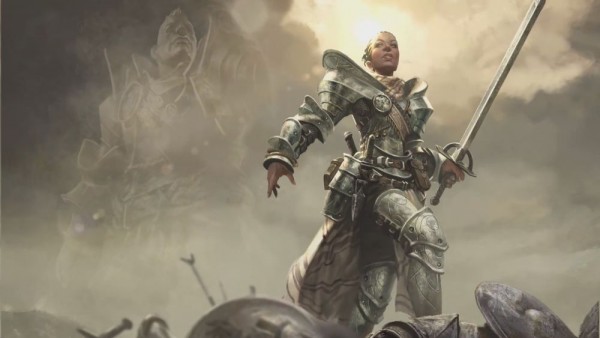
Magic Duels: Origins (Wizards of the Coast)
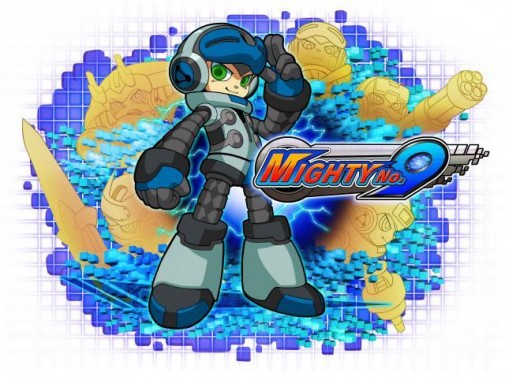
Mighty No. 9 (Comcept)
Pixel Galaxy (Serenity Forge)
R.B.I. Baseball 15 (MLB.com)
Rivals of Aether (Dan Fornace)
Shadow Blade: Reload (Dead Mage)
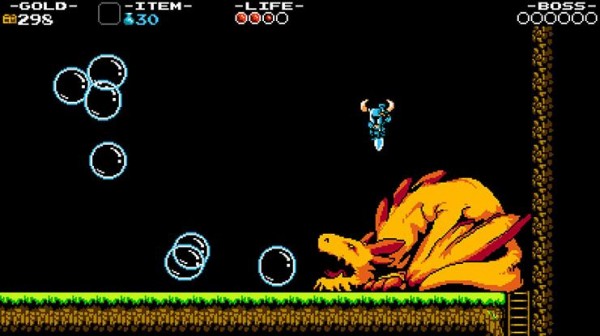
Shovel Knight (Yacht Club Games)
SMITE (Hi-Rez Studios)
Submerged (Uppercut Games)
Super Dungeon Bros (React! Games)
SWORDY (Frogshark)
The Sun and Moon (Digerati Distribution and Marketing)
ZHEROS (Rimlight Studios)
So you can expect the Xbox Live Marketplace to be filled with a tonne of games over the next few months. Some of the big hitters to look out for are Magic Duels: Origins, Goat Simulator, Shovel Knight and Mighty No. 9.
Phew, that is a lot of info to digest under two short headlines. I hope we didn’t burn you all out on the sweet gaming news. Which of the upcoming ID@Xbox games excite you the most? Let us know in the comments below and make sure you stay tuned to Capsule Computers for all the awesome Microsoft news as it becomes available.