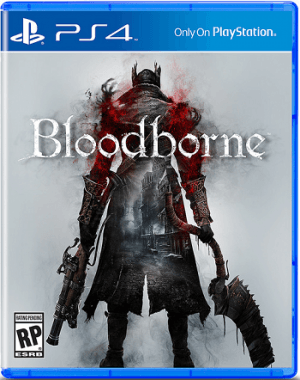
“What’s Bloodborne?” “Oh it’s like Dark Souls but with werewolves instead of dragons.”
That was a conversation I had with someone when I first loaded up From Software’s latest action RPG, and while it is great starting place for a conversation, it is far from accurate. The spiritual successor to Dark Souls, Bloodborne takes a lot of those mechanics and elements that fans around the world have loved for years and polished, tweaked and changed enough to give a brand new experience that may just very well be the best game on PS4.
Story
Like the Souls series of games that preceded it, Bloodborne’s story is told a little more cryptically and subtly than many other games. Instead of long, wordy cut scenes that are filled to the brim with exposition, Bloodborne tells its tale through the actions of the player character, the NPCs of the world and the items you find along your quest. In this way, it helps to immerse you into the game’s world in a very natural way. When you move to a new city you likely won’t know all the landmarks or the lives of its residents straight off the bat and Bloodborne integrates that feeling of unknown right into the game.
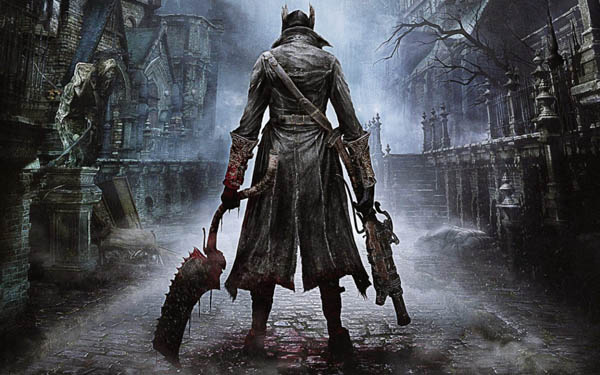
What we do know from the outset is that you are a hunter who has been tasked with ridding the city of Yharnam from a plague, and to find its origin. You aren’t the only hunter present however, as many others have joined in on the crusade, but very few are your allies. Bloodborne does a great job of making the player feel isolated and alone, even more than Dark Souls ever could.
Gameplay
Bloodborne is the spiritual successor to Demons Souls and the Dark Souls franchise, and as such it shares a lot in common with these games. The controls are almost exactly the same as they have been since Demons Souls first launched in 2009, which will give longtime players of the franchise a leg up in getting used to the controls. However, there are some notable differences from the previous games that really help Bloodborne stand apart from its predecessors.
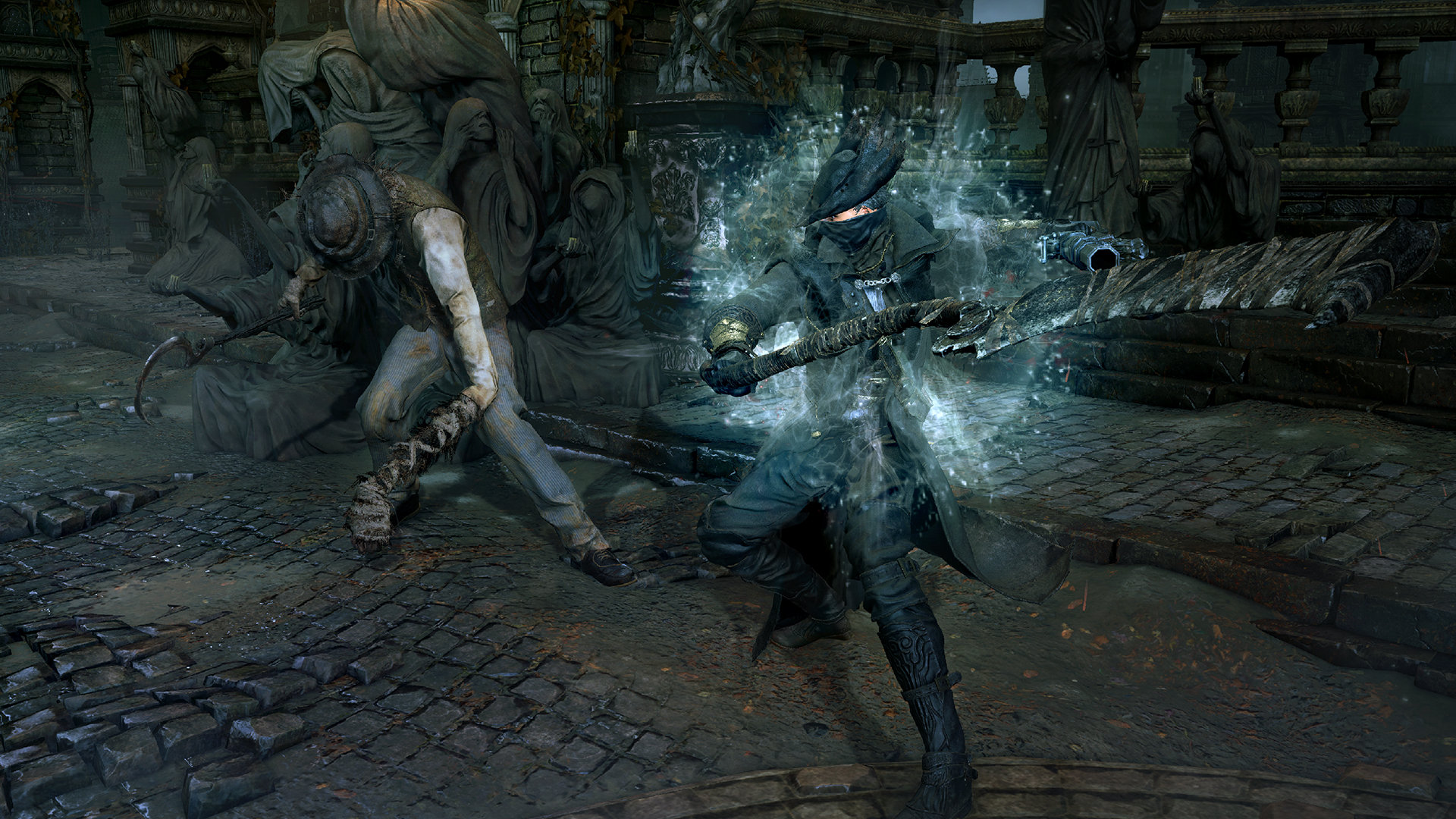
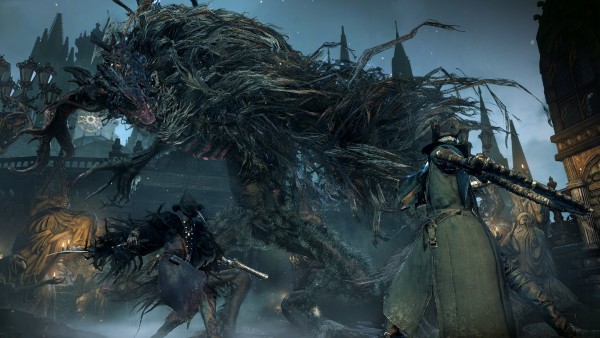
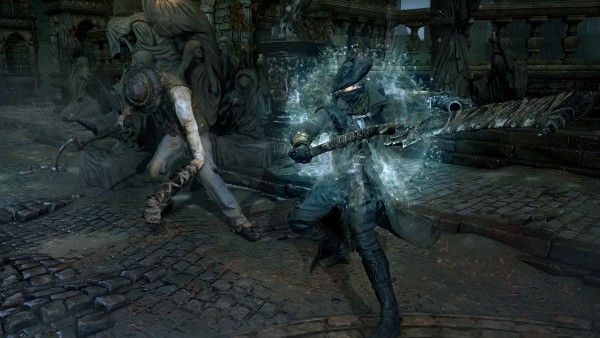
Firstly, Bloodborne is a far more aggressive game than any of the three Souls instalments. Instead of holding up a shield and watching to attack, you will be jumping, ducking and weaving your way through enemies in order to try and bait them out so that you can finish them off. At the same time, the enemies themselves are more wild and aggressive than I had come to expect from a From Software game. The most standard of enemies can and often will push you to your extremes. The focus on combat and aggressiveness also means that Bloodborne is a fast game. The pace never seems to slow down and there is hard,y ever room for a breather.
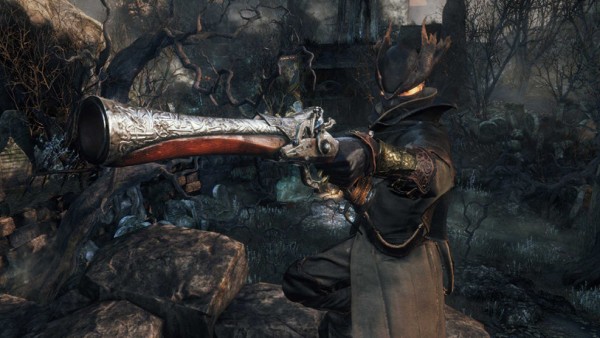
Another major different is that the weapon (and armor) selection are slim in contrast, but everything operates in a unique and different way. Instead of finding the best longsword in the game, you will find the weapons that suit your play style and work from there. The melee weapons also feature the ability to transform, which offers a different mode and means of attack. One of the starting weapons (and my personal favourite) was a sword cane that operated like a short sword, but once transformed became a whip that was excellent for clearing out crowds of enemies.
I thought long and hard about how to word my experiences with the actual gameplay of this game, and the best description I can come up with is; soul crushing. Bloodborne will break you, there’s no ifs and buts about it. The very first area is probably the most difficult that I have ever experienced in all of my years of gaming. Thrown into a city that is over populated by manic infected townspeople and given a weapon that is better suited to spreading butter than hacking off limbs makes for an incredibly tiresome starting area.
Playing Bloodborne will push you to your utter limits and challenge everything you think about yourself as a gamer. All hope is not lost though. Because the fact that the game kicks your ass for hours on end just lights that fire inside us all and makes us get up, find the strength to keep going and finally overcome. Then when you do finally beat that boss or run that gauntlet of enemies, you get that feeling of satisfaction and euphoria that almost cannot be described. After finally beating the game’s second boss, I actually jumped up and screamed “f*** yeah! Suck my f***ing d***!!” I was just so overwhelmed and excited about my accomplishment that obscene profanity seemed to be the only way to properly express myself.
Video & Audio
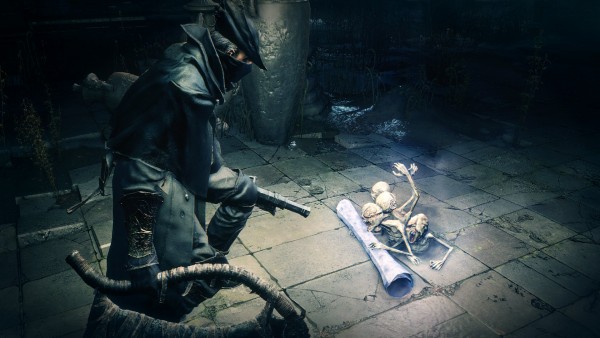
Unlike its predecessors, Bloodborne moves away from the fantasy world of dragons and castles, and i stead is set in a Victorian-era, gothic horror inspired city. From the moment you load up the game, the entire world feels different to anything that has come before. The game’s first area is designed so that you have multiple different paths you can take to make your way through the city streets, while at the same time those paths feel closed off and narrow.
While the setting has changed, the attention to detail has not. Bloodborne’s landscape is littered with tiny little intricate details, that if you ever have a moment where you aren’t being hunted down by plagued townspeople, are just impressive to look at.
The audio here, as in most From Software games is very subdued. The quiet ambient noises work really well with the setting and game’s method of storytelling to make the player feel like they are truly alone In the middle of a nightmare. The soft sound effects are broken but by the screams of the infected as they try to turn you into mincemeat.
Overall
Bloodborne is the most challenging, frustrating and downright difficult game I have ever played, and I cannot get enough. The level of difficulty means that the reward for overcoming a wave of enemies or a giant grotesque boss is a feeling beyond compare. From Software have done an amazing job in taking the mechanics that players had become all too familiar with in their Souls games, and tweaked them just enough so that the gameplay, while reminiscent of those past titles, feels fresh and new. While the difficult of Bloodborne is likely to turn off many, those who persevere will find an incredibly rewarding experience that is not only the best that the PS4 has to offer, but might be the best game available on current gen consoles.
Capsule Computers review guidelines can be found here.
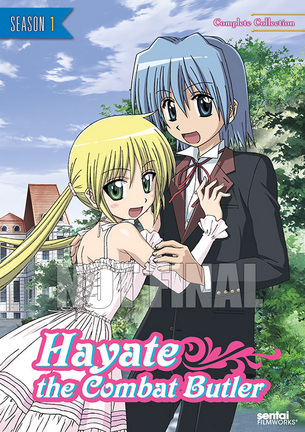
Sentai Filmworks has just announced that they have acquired the home video distribution rights to the first season of the harem series Hayate the Combat Butler. Season three, subtitled Can’t Take My Eyes Off You, will be available on DVD and Blu-ray on April 28.
The series follows “Hayate Ayasaki, a good guy who’s down on his luck and desperately trying to alter his fate. One day he runs into a girl named Nagi Sanzenin, and his life is changed forever.”
Keiichiro Kawaguchi directed the adaptation of Kenjiro Hata’s manga series, which has been published in Weekly Shounen Sunday since 2004. The music was composed by Kotaro Nakagawa, who may be known by anime fans for his music in many other works including the popular Code Geass series. Jun Watanabe was the sound director for this season. Masaaki Sakurai was the chief animation direcor, and Osamu Horiuchi was the character designer. Synergy SP handled the animation production for this season.
The 52-episode DVD and Blu-ray box sets will be available on August 18, 2015. On-disc extras will include the textless opening and ending animations.
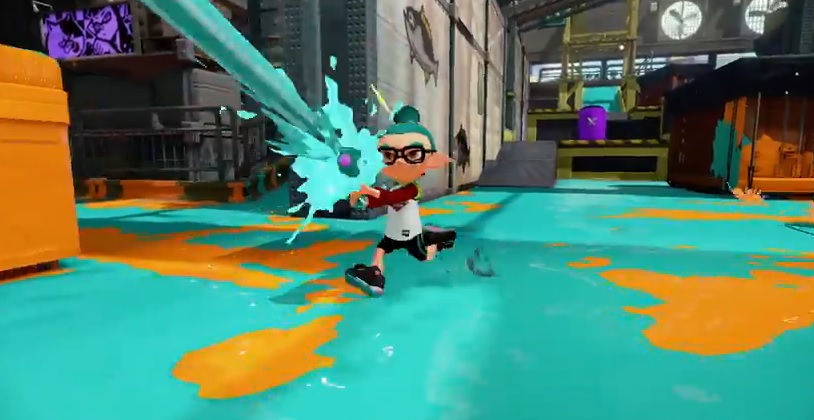
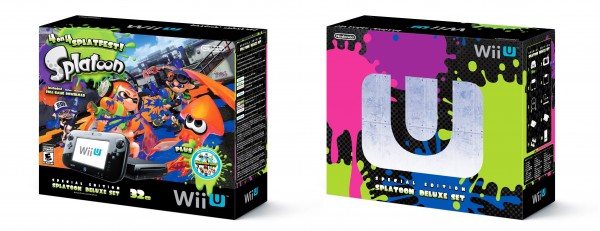
I almost forgot about Splatoon until the recent surge in promotion from Nintendo. The squid covered shooter is ready to make a splash on the Wii U next month, and a new trailer has been released featuring a very excited narrator and a lot of beautiful HD visuals to get us ready for its release.
But wait! There is more. Best Buy has exclusive rights to a new bundle for the Wii U that will feature the game inside, and will be priced at $299.99. Now no matter what, as long as some of these units come off the shelves, we should be able to see some sales rack up for the hopeful new IP. Check out the trailer below and prepare for the release of Splatoon and this bundle next month.
No matter what your perception is of the world, one thing we all seem to agree on is that no one truly wants any good thing to end. In the video game universe, controller connoisseurs cried foul quickly regarding the last stage of Mass Effect, which in my opinion is the most realized story that had ever graced a console at the time. Who can forget the controversy where millions of fans sent hate and anger across the web, just to get more depth and understanding from a 120+ hour adventure? On the music front, acts such as The Rolling Stones and Tina Turner have made careers out of “One Last Tour” announcements, giving their dedicated, lifelong fans one more chance (or hope, if you will) to see and hear their favorite performers before they pull the plug and retire. As we know by now, there isn’t ever a “last tour” for both of the performers I’ve mentioned, but it’s that thought of a full stop that sells tickets to sellout level proportions.
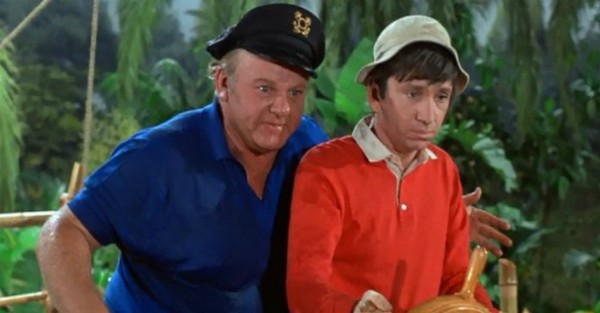
Television is a beast in and of itself when it comes to pop culture. This is a medium that people follow, and no matter how good or entertaining your show may be, the plug can be pulled at any moment due to ratings or a contract dispute. Nothing sucks more than having your favorite show cancelled prematurely, and while the ending is usually tainted, several sitcoms have been better for not having an ending. Take a look at Gilligan’s Island and the Brady Bunch. Both shows were created by Sherwood Schwartz, and both are constantly in rotation on some channel (even as I type this) as their legacy wasn’t made by a final moment, just a journey that just seems to loop infinitely in the minds of fans due to a chain of memorable episodes that have become timeless to viewers of all ages. I honestly imagine that both of these programs would have ended in a terrible way if they stayed on the air, as if you have seen the made for TV movies and specials that followed…well, they were shit.
This isn’t about the cancelled television shows or any one sitcom that was pulled early. This edition of Pop Capsule is about the end, and with that, we need to get back on track and start the conversation. For the record, I am only considering shows that had an episode labeled as a “series finale” at its original airdate.
Oh yeah, be ready as SPOILERS are obviously ahead…
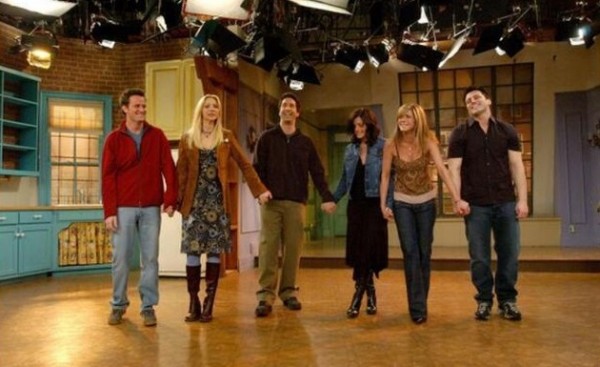
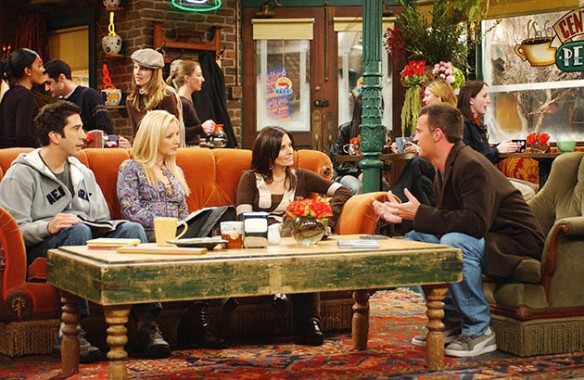
In my own lifetime, no televised comedy had more hype surrounding those last minutes than the story of six lives that intertwined daily, Friends. I find it funny that just typing the title “Friends” places that famous Rembrandts’ theme song in my brain while a small smirk crosses my face. Friends was a show about life and dealing with the transition into adulthood, and during its run, became one of the most beloved comedies of all time. Friends was successful for a lot of reasons, but the true key to its success wasn’t Rachel’s hair or any other random pop culture phenomenon it bestowed, but instead an ensemble cast that worked off each other’s chemistry.
It is very rare when any television show that lasts more than five or six seasons retains its cast throughout its entirety, but due to some dedicated actors and NBC’s deep wallets, this show went the distance and lasted for ten whole seasons. Hell, even Gunther (the barista at Central Perk) managed to keep his job for ten years. I clearly remember that every year after 2000, every single entertainment news show would do stories daily on “Will Friends Return?”, or “Is this the last season?”, and while the show didn’t end until 2004 – that should easily give you an idea of how important Friends was to its audience. After all that time of watching Monica, Ross, Rachel, Joey, Phoebe, and Chandler live their lives, it finally came time for the fans to let go.
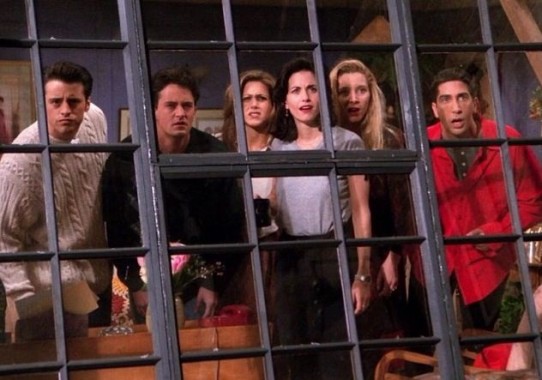
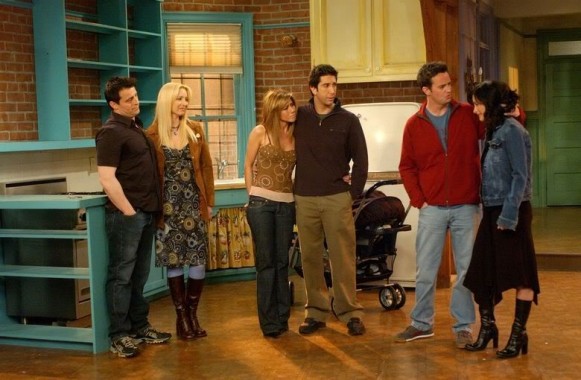
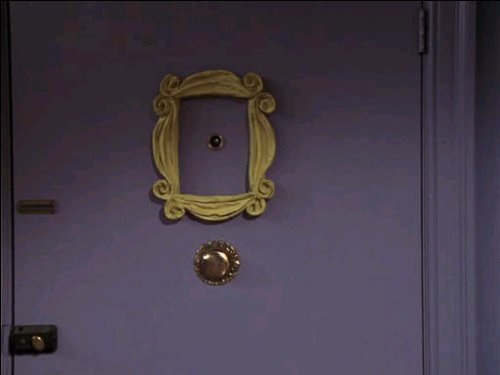
For the Friends’ series finale, many expected all of the stops to be pulled out. Guest stars out the ass, references galore, and a non-stop celebration to take us into that final curtain call. Sure, we wanted the world, but that isn’t what we got. Instead, Friends ended by ending in a very literal sense. Monica and Chandler were finally ready to start a life of their own and were moving out of the apartment across the hall and into a new house due to their newly adopted twins. Rachel and Ross finally decided to be together, and Joey and Phoebe just kind of existed, supporting their friends as they always did and standing as a six-piece unit until the last shot of the framed peep-hole on the apartment door faded to black. There was no death. No hidden messages, no random fan service. This ending is fantastic nevertheless though, as Friends finished by allowing its characters to finally move on in life. For a sitcom, ten years is honestly pushing it as so many “jump the shark” by trying to add characters or death or cheap storylines into the plot. This show will live on in history because it never needed to do any of that, as the ensemble of characters were so rich in terms of personality that even during a dull story arc, there were still laughs and people that we, as an audience could relate to and laugh with, during the good times and the bad. It sucks to move on, but there comes a time when you have to make that choice. Friends picked the perfect moment to make its exit and did so in a manner that was both fitting and eloquent, cementing itself as a ratings juggernaut while giving us one last chuckle out the door.
I don’t just want to focus on the best finales here, by any means. Sure, this is about series finales that had an impact, but what if the impact you had just wasn’t enough? The Office was Friends’ non-official successor. NBC tried for years, even during the early years of The Office to replace Friends with another ensemble.
Sadly, every show for the next year or two ultimately failed.
Through their failure however proved that fans were ready for something different, and the U.S. version of The Office was just what the doctor ordered (damn, that sounded cheesey). Before I start speaking about The Office I first must address the little shits who are out there, and I know you’re out there as you interrupt me in real life when I speak about this show, thinking in your head or saying it out loud regarding how much better the British version was. I don’t care how great it was as I am not referring to that version and you can jump on the Mayflower and ride back to England to go give Ricky Gervais a stapler sized fluffing for his work, as we are speaking solely about the Steve Carell-lead sitcom that had a fantastic run for nine seasons.
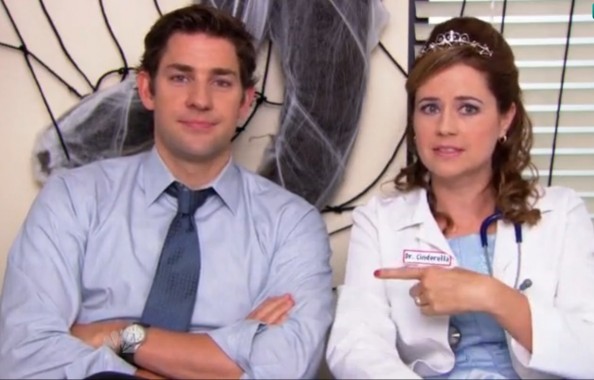
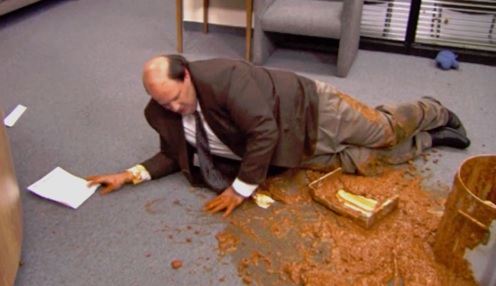
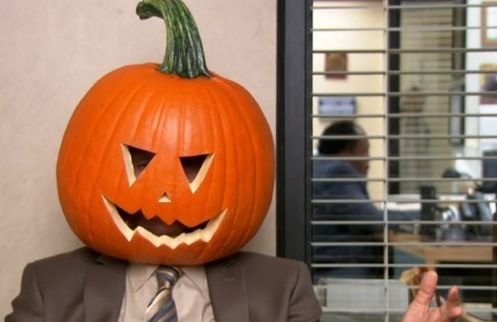
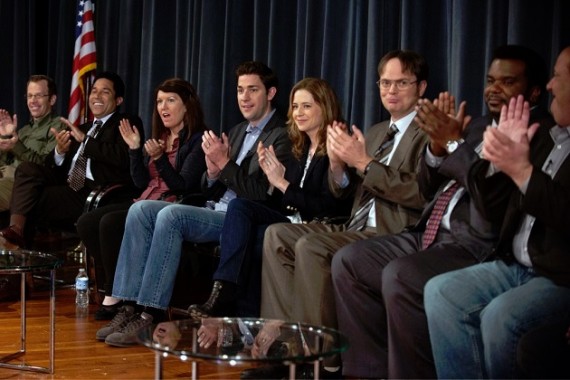
The Office was a show about a small group of people that were being filmed for a documentary that captured their day to day lives working in a paper supply company. When it started, the focus was really only on a young associate by the name of Jim, a secretary named Pam, an intern, a suck-up, and their eccentric boss, Michael Scott. As time progressed, we got to know all of these characters, and the once background faces became more relevant to the story, making for yet another large ensemble cast in a televised sitcom. It was and still is a hilarious show that had a great number of talented writers who used details and quirks to define the characters within the show. Sure, I liked Michael Scott fine, but as I watched the show I began to get behind so many other characters that seemed like they would just be filler when the show debuted.
It wasn’t just about the characters in the main credits. It was about the interactions of an entire workplace. Have you ever went into work only to be around your co-workers? That is what The Office felt like. On top of the decent main story with Jim, Pam, Michael, Dwight, and so on, we had these once little characters that actually stole the spotlight in nearly every episode. Kelly Kapoor was the pop culture fantastic who was quick to gossip and judge. Toby Flenderson was the awkward older guy that everybody ignored. Stanley was the disgruntled soul who was ready for retirement. I could go on and on, but there was indeed a large cast at work that were a blast to follow due to their larger-than-life personas. I get frustrated when so many people run down this show for its last few seasons. Sure, Michael Scott left, but by removing him we got to see more characters in the spotlight and that made the show even more interesting. It’s like when you get a new employee at work and you hate them by default, and then get to know them and realize that they are human, and then it’s not so bad.
The critical reception of those later seasons is not an easy thing to ignore, and while I felt season 7 and 8 were fine, the season that lead up to the end (9) was actually a mixed bag. We got two new characters who were made to be close, but not exact replicas of Jim and Dwight by the name of Clark and Pete (I had to google Pete’s name just now, he was that forgettable). Andy also changed, going from a lovable oaf to a complete dick who was unfunny – even when the joke was on him. Jim and Pam also went through a marital crisis, and Kelly and Ryan moved away. The show just was not as much fun to watch, as it tried to be serious and then funny and then serious again, as if it was switching directions after each episode during the last season. There were even themes of a potential affair. Really, you’re going to make me watch two people fall in love for eight years just to tease that? Right before the finale hit, those wrinkles got ironed out rather well and the show patched itself back together, just in time to end completely.
The finale took place after a time jump of a year. The documentary was finished, a few employees moved on (or got fired), and we got to see a lot of the past cast members reunite as they spoke of the past few years to cameras for the special features of their documentary DVD. I know I didn’t like the last season much, but the finale was honestly perfectly fine thanks to a few moments. Dwight and Angela finally got married, Pam decided to move the family for the sake of Jim’s dream job, and the rest seemed to all find their little place in the story to go out on a high note (for the most part, anyway). Erin, who had been a main cast member since the middle of the show’s run took the emotional moment from the finale, finally being reunited with her parents. That was one of the brilliant takeaways from The Office though, as little things that are serious to one person become just another story when you’re in that setting amongst everyone else. Erin’s moment was the most important as throughout her time on the show she wasn’t a main face, but remained memorable. She was quirky, light, and innocent, and would playfully speak of her parents or being an orphan for a quick laugh. During that moment where she was reunited, it was finally relevant for the show to be serious as someone who always took the backseat got to carry some weight in the biggest episode of the series. Call it a promotion of sorts.
Michael Scott didn’t even get that honor, as while present, he kind of faded to the background as the finale rolled along – allowing the cast that carried the show to its final point to get their last hoorah. Many say the show ended when Michael left. I understand that sentiment completely as he was a huge character, but displaying that opinion undermines how well The Office was actually written for most of its tenure. It wasn’t about Michael, nor Dwight, nor Jim, nor Pam. It was about Dunder Mifflin, a paper company where people were employed, and we as the viewer got to watch.
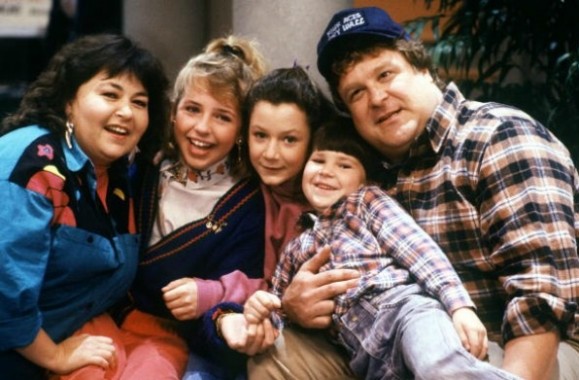
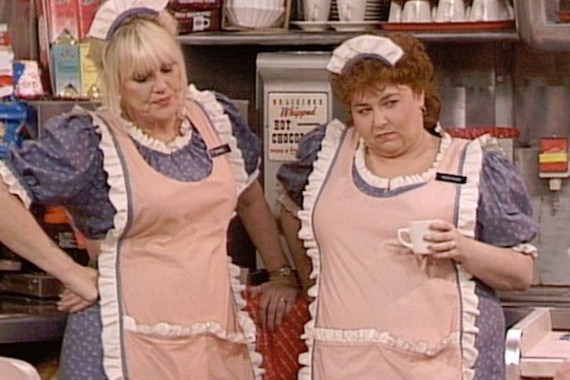
For the third sitcom, I guess I will write about the one that hit closest to home. It is rare when I ever find a sitcom that is often relatable, as hell – most are of families that are what we should aspire to be. That is the point, right? Leave it to Beaver, Happy Days, and all of the rest had this cookie cutter image about what a family should be. Up until more unconventional sitcoms started, such as Family Ties, we never got a chance to have a varied cast in a primetime slot that featured a family. In the late 80’s, Roseanne changed everything.
I should start speaking about Roseanne by saying that there is nothing wrong with displaying happiness on television. That seems to be a theme that more and more writers of these modern shows are trying to shove in our faces. You know, the whole…
LOOK HOW DIFFERENT THEY ARE!
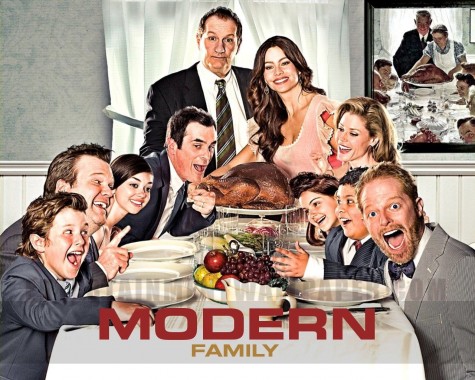
I never liked Modern Family because it came across as way too forced, pasted together for cheap laughs. Sure, that family is diverse, but in Roseanne it just felt natural. Everyone started on the same page but as the kids grew, they became individuals with personalities. Roseanne was a sitcom about a family that were not well off (or blue collar, if you will), but that wasn’t really the point. Roseanne was about one woman who dealt with shit every day that we all experience. A crappy boss, disrespectful people, social ignorance, and so on. As the show progressed it seemed to try to push boundaries by including cultures that had not been featured on television. We saw main characters come out of the closet, domestic abuse, adultery, and death, all mixed into a formula where the audience would laugh along by the time the credits ran. It was smart television that could appeal to the lowest common denominator without sacrificing its intelligence.
By the last season, the sunset was already in the clearing. The show still had strong writing, but these characters were starting to age a little too much, and let’s be honest…no one wanted to watch DJ go through his teenage years. The Conners won the lottery after just facing a near-fatal heart attack with Dan, and everything got confusing real fast. Suddenly, Dan left Roseanne for another woman, Roseanne was traveling the country with Jackie going to spas and so on, and the kids that we spent years getting to know faded into the background. Many call the final season of this show the worst for good reason. To any viewer who didn’t stick around until the end, it was convoluted, confusing, and not funny at all. I personally found it to be fun, even if some of the charm was dimming just a bit. When the last episode aired however in two parts, we got to see a lot of those loose ties mend together. Did it make up for the mess? Well, yes and no.
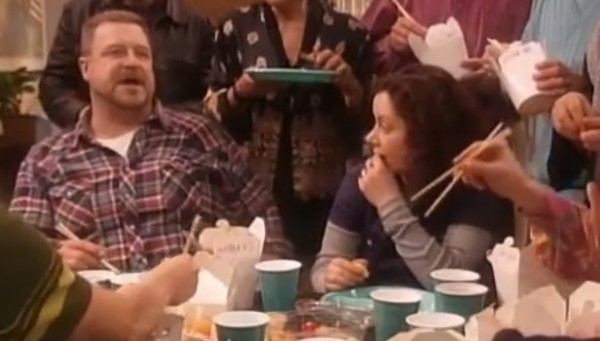
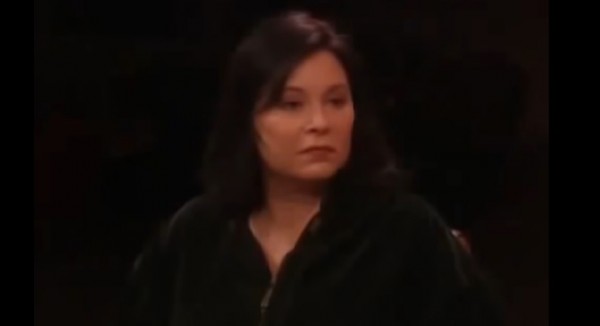
The last scene of Roseanne is appropriately set at the dinner table, with the entire family (including Nancy, Leon, and several other familiar faces) gathered in one setting, sharing that social experience that greeted us for years through the opening credits. Everyone is laughing, joking, and so on – right before Roseanne begins to narrate. She goes from person to person, detailing that what we, as the audience had seen over the years were not all true events, as everything was actually Roseanne writing a story of her life in a fairy tale fashion. Whatever she disliked, she changed in her writing to make life finally go her way. For instance, David was actually Becky’s love interest, while Mark and Darlene were a couple because she thought they fit better the other way around. Her mother never became a lesbian, but her sister Jackie was. I know what you’re thinking, that is a bit to chew on. It keeps going for around a minute before all is revealed. Roseanne slowly looks over at Dan, only for the camera to pan to an empty seat. The background soon goes black and all we as the viewer see is Roseanne, giving an empty look as the narration continues.
As it turns out, the Conner family never won the lottery. Dan died of his heart attack and the whole last season was just her trying to write away the pain by creating happy situations that could never happen. It’s a painful scene to watch and one that I have viewed time and time again as at first, it didn’t make sense (I was ten after all during the original airing). Over the years though I feel like I have grown to love this finale up and down, as the last few minutes made a huge impact while still remaining eloquent and in line with the concept of the show’s premise. It isn’t the moment that Dan’s death is revealed that remains memorable, but those that come after when you hear a woman talk about her human vulnerability and pain, as she went sentence by sentence over all of the emotion she felt. The last bit of dialogue is by far some of the most powerful lines ever stated in a sitcom, as they hit hard when I was young but came back even harder when I went through the same sort of pain myself when my mother died.
As I mourned during those first few weeks, this scene kept popping up in my head, and let me tell you that fiction or not- that moment where Roseanne turns her head at that empty chair is as real as it gets. It’s a feeling of emptiness and being completely helpless, and I feel like even though this was a television show and completely fiction, I have never related more to an experience on television until the same event occurred in my own life. I was a kid who watched a lot of shows, old and new with my mom (including Roseanne and Friends). She was my rock, and losing her turned my life into a roller coaster that is simply trying to find an even field to ride on. That is what makes sitcoms great though. No matter how fucked up our lives are, we can still laugh and relate with the same characters every week and re-watch the same show until every line and moment is stapled to our brain. I am not saying that Roseanne or any other piece of entertainment made anything better, but it did make me feel less alone as it taught me that I was not the first to feel that kind of hurt and that I too would be “ok” due to some fantastic writing. Some may say that Seinfeld’s ending was brilliant and that I should have listed it, but I never felt any sort of connection with that show as while it had some funny episodes, I was the wrong age at the wrong time and never got a true understanding of the characters.
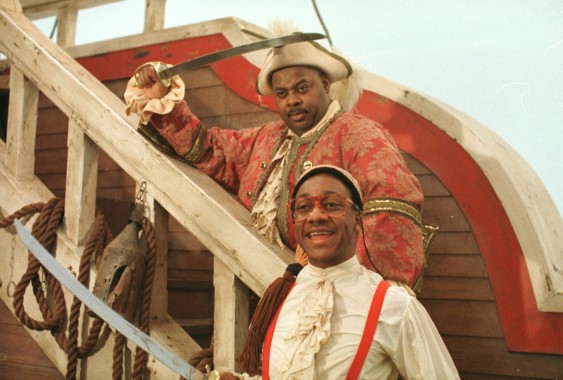
Other shows shot themselves in the foot before ending, even after long runs. Look at Family Matters. It started out as an amazing family sitcom that was a spin-off of Perfect Strangers. Add in a lovable yet annoying neighbor named Urkel and the show became unstoppable. After about three or four seasons however, the gimmickry kept going and going with the show becoming a true work of ridiculous fiction that wasn’t even fun to watch anymore. I also loved All in the Family which was before my time, but when the spin-off killed off Edith, it kind of tainted the reruns in general for me. Boy Meets World however had an amazing finale, but due to the fact that is was more a coming of age show rather than your by the book sitcom, I feel like that is for a completely different piece in the future.
It’s hard to find a place to make a full stop when your purpose is to make an audience forget about their own problems and chuckle at a screen for thirty minutes a week, but with the right writing and finesse, we can see a finale from a sitcom that makes us remember the end as well as the journey in-between. Sure, we may not remember the last moments of legendary players and believe me, there were a ton of simply “fine” endings I left out, but when it comes to being memorable, I think the three I listed above will have a longer shelf life and overall greater legacy because of their attention to detail and quality up until that last minute.
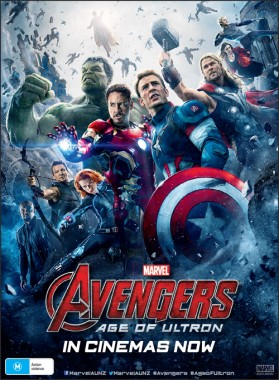
The movie we have all been waiting for is here. Avengers: Age of Ultron has hit the silver screen and while a few of the movies since the Earth’s Mightiest Heroes first outing in 2012 have gotten a bit of a mixed reception, fans all over the globe have been eagerly awaiting the return of Captain America, Thor, Iron Man, and the rest of the gang. So let’s start with the important question: does Avengers: Age of Ultron deliver? Yes. yes it does.
Story
Avengers: Age of Ultron once again brings together the biggest names in Marvel’s Cinematic Universe (and some of the smaller names too) in an epic team-up event that absolutely delivers on all fronts. Comedy, drama, action, love, witty banter – Age of Ultron has got it all. The film opens up with the team already assembled, hunting down Loki’s lost scepter which had fallen into Hydra’s hands after the fall of S.H.I.E.L.D. (as shown in Captain America: the Winter Soldier, and expanded upon in Agents of S.H.I.E.L.D.) After a cool opening action sequence, we are given what appears to be the end of both the HYDRA/S.H.I.E.L.D. and Chitauri invasion story-lines that guided a lot of the MCU since the first Avengers movie.
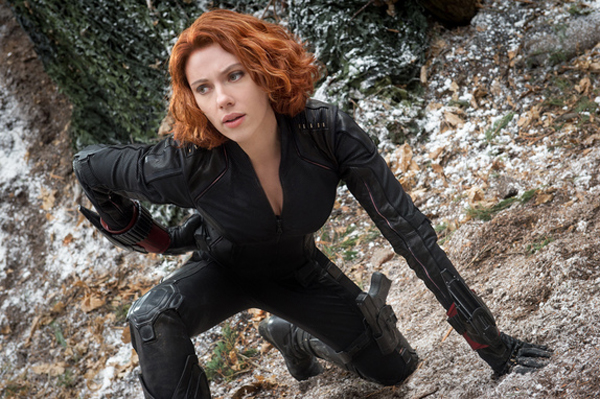
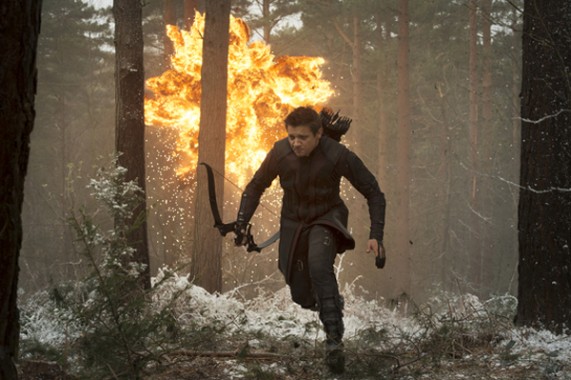
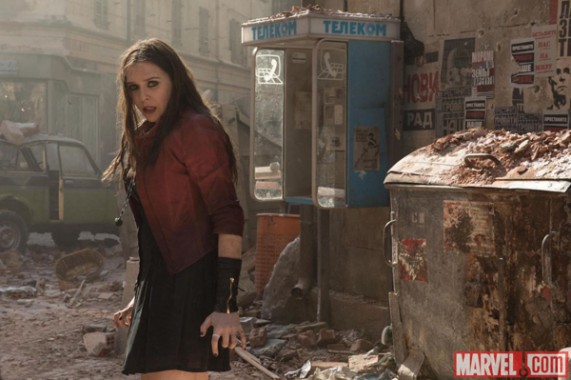
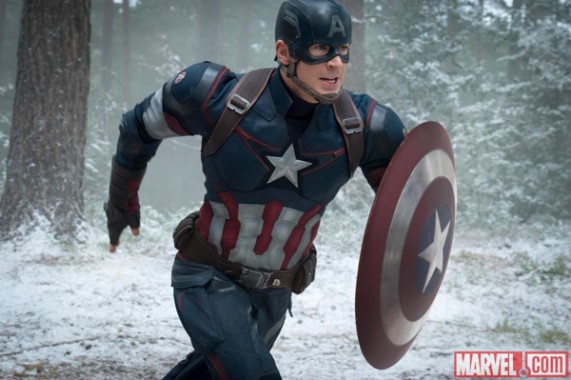
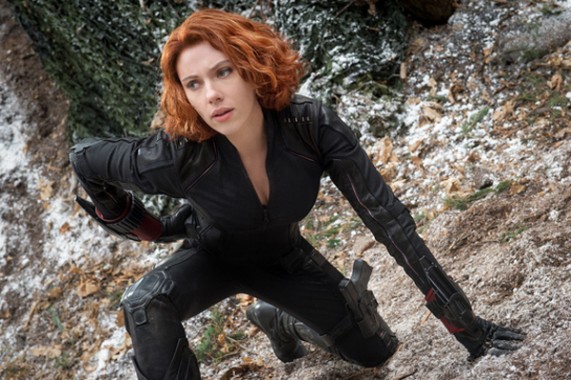
The cast this time around is absolutely jam-packed. The big-hitters; Captain America (Chris Evans), Iron Man (Robert Downey Jr.), Thor (Chris Hemsworth), Black Widow (Scarlett Johansson), Hulk (Mark Ruffalo), Hawkeye (Jeremy Renner) and Nick Fury (Samuel L. Jackson) retun, and are joined by characters like War Machine, Falcon, Maria Hill and Peggy Carter. In addition, the cast is filled out with newcomers Pietro and Wanda Maximoff (played by Aaron Taylor Johnson and Elizabeth Olsen respectively) and Vision (Paul Bettany) which combined result in what is by far the biggest ensemble cast that Marvel has put together on screen in one film.
With so many characters, I was worried that the film would feel bloated or that some characters would be put by the wayside in terms of importance, but surprisingly everything fit together perfectly. Screen time is shared amongst all of the main cast, with Hawkeye, Black Widow and the Maximoff twins edging out the rest of the team. Every character gets their own well-defined story arc through the course of the movie, and these help to further flesh out these characters and in many ways help them feel more vulnerable and human than ever before.
Tonally, Age of Ultron is very different from what I expected. A lot of the trailers and promotional materials had painted a picture of a very dark, brooding and intense movie. However, while far more serious than its predecessor, there is still a lot of lighthearted fun to be had. The banter between all of the Avengers is snappy, on-point and definitely Whedon-esq. Even Ultron himself, who appeared to be a cold, calculating, homicidal maniac was sprouting one liners as often as he could – which helps link him to his “father” Tony Stark.
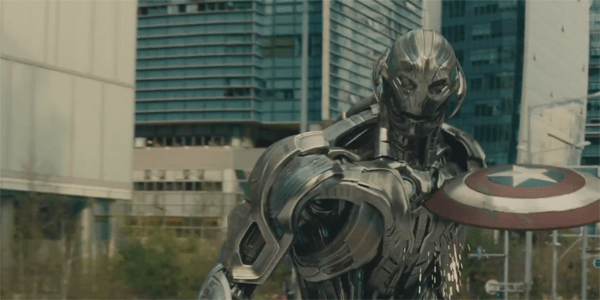
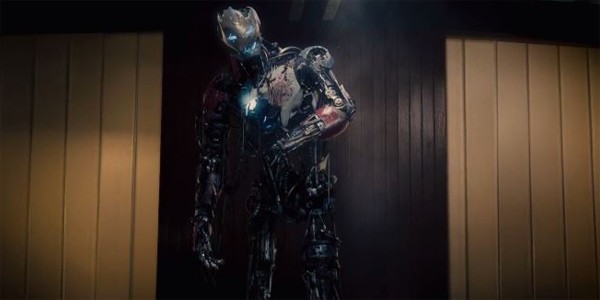
Ultron is perhaps one of the most fleshed out movie villains that we have seen in the MCU. He is a very three dimensional character that could go from Tony Stark-like humor to straight up evil villain in the blink of an eye and that’s what made him so terrifying. A lot of that boils down to Spader’s incredible voice performance, which really brought gravitas to the character. Not only that, but Ultron suffers from an almost Shakespearean character flaw in that he believed what he was doing was what was right.
Part way through the movie, after an incredible multi-set battle between Ultron and the Avengers, and then amongst the Avengers themselves, we are introduced to the Vision, an android that was planned to be a perfect body for Ultron but is given his own thoughts and personality. Whereas Ultron has a flawed, warped perception of peace (based in no small part by his creator’s own thoughts and fears), Vision is more of an idealist and an optimist. He values all life and wishes no harm to anybody, but at the same time sees that Ultron must be destroyed if humanity is to survive. Paul Bettany’s soft voice and eloquent, almost poetic speeches about life and the world really help to showcase the contrast of ideals between the two androids.
The original Avengers movie felt like a bookend to Marvel’s first phase of cinema, grabbing all of the story threads and tying them together in a neat and downright awesome package. However, Age of Ultron feels almost the exact opposite. While some of the key plot points and character developments from Iron Man 3, Thor: The Dark World, Captain America: the Winter Soldier, and even Guardians of the Galaxy are all present, this movie feels more like it is more about setting up the ground work for what’s to come. We learn that Thor has to travel back to Asgard to face an unknown threat, Tony and Rodgers have a bit of a falling out (setting up for Captain America: Civil War) and we hear more about the Infinity Stones and how they will affect the future of the MCU. Don’t get me wrong, they executed this to near perfection and have made me eager to see where all these new plots lead, but I was a little disappointed that this movie felt like the beginning of Phase 3, rather than the epic conclusion of Phase 2.
Visuals and Audio
Marvel films by their very definition need to use a lot of CGI to make things work and Age of Ultron is no exception. One thing to note however is the fact that Marvel do this REALLY well and allow you to create that suspension of disbelief and completely immerse yourself into the story. Characters like Ultron, Vision and Iron Man flying through the air looked as real and natural as ever before (if not more so) and unless you go actively looking for faults, the CGI and live action all blend together to create a visual spectacle. One thing I will say is that to me, Paul Bettany’s Vision just looked a bit… off when standing among his peers, but I can’t quite put my finger on why that was.
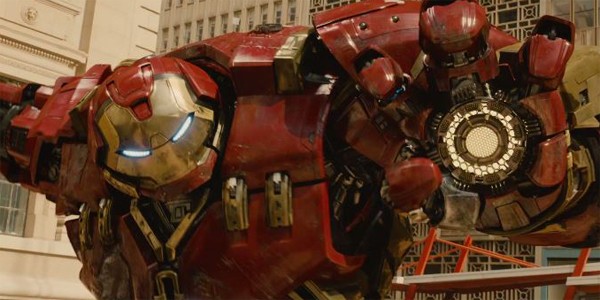
At its core, Avengers is still an action movie and it does action really well. I know a lot of people loved the single following shot in the first movie, and if you were one of them (I know I was) the. You’ll be thrilled to know that is basically how Age of Ultron opens up! From the very outset of the movie we see our heroes in action and in such a way that we are hooked. Fro. There it’s giant battles on rusty cargo ships, and the highly anticipated Hulkbuster Iron Man vs Incredible Hulk battle through a populated city and three or four other hugely impactful set piece battles.
The Avengers and their robotic adversary do a lot of globe trotting i. This film, but there is hardly any time to check out the scenery before a battle is tearing it up. At one point I was a little worried that they would be heading down a path similar to Man of Steel where entire cities are absolutely levelled, but (and this may be a deliberate poke at DC and Man of Steel’s criticisms in particular) the Heroes are always trying to lead the battles away from innocent people, checking their surroundings and always ensuring that the safety of everyone around them is their top priority. It was cool to see these giants and gods caring about the people around them and placing their life as a higher priority than stopping the enemy. Like the rest of the MCU, Avengers: Age of Ultron is presented in a variety of formats, including IMAX, and 3D (which is really all the rage nowadays isn’t it). While some films can be greatly enhanced by the extra dimensions, AoU is not one of them. In fact, just a few minutes into the movie and I had completely forgotten that it was even being presented in 3D.
Capsule Computers review guidelines can be found here.
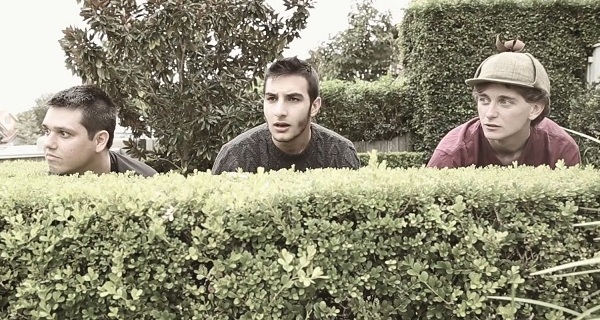
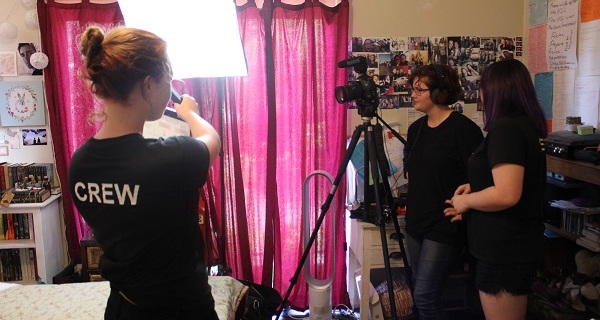
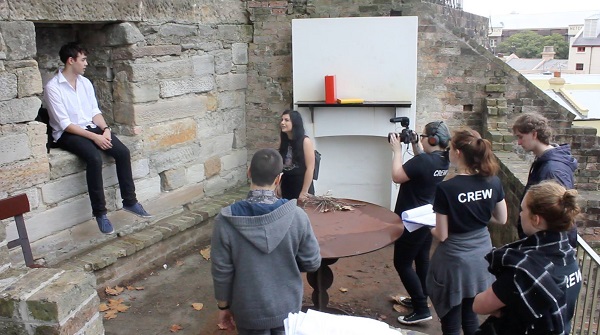
Quite recently I was made aware of a small-scale, Australian web series called Call me Katie by an acquaintance of mine. The series is a number of short, vlog-style videos and is a loose adaptation of Shakespeare’s Taming of the Shrew. The series aims to engage with its audience on social media platforms as videos are released by allowing you to directly communicate with the characters in the series. This, I believe is an interesting concept if they can garner enough feedback and creates an interesting exploration of online media culture. Since we’re all about helping out small, indie productions here at Capsule Computers; I thought it would be good to have a chat with the brains behind Fat Goat Productions and ask them a couple of questions.
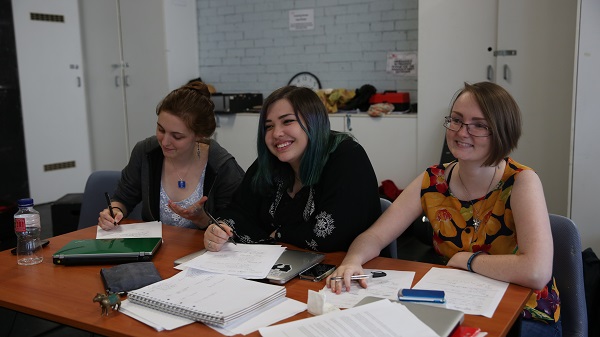
The subjects in this interview are Erin Smith (Creator and Director), Cleo Venner (writer), and Bokkie Robertson (Head Writer and my acquaintance).
What inspired Call me Katie? Why did you choose to adapt Shakespeare’s Taming of the Shrew?
Erin: I was inspired by previous web series such as The Lizzie Bennet Diaries and Nothing Much To Do, which showed me how effectively stories can be conveyed through the vlog format. I wanted to create an engaging story but I also wanted an element of social commentary about it.
Bokkie: We all agreed that Taming of the Shrew is our least favourite Shakespeare play – but it’s okay because we’re pretty sure it was Shakespeare’s too. He evidently doesn’t think women should subjugate themselves to men, because Cleopatra and Beatrice and Viola are so kickass. The induction at the beginning seems to be his way of going “Guys, it’s all a play. Stop freaking out.” The whole thing might also be a total satire. Some people even think it was commissioned by a guy who really wanted a play about male supremacy. So there’s that.
Erin: So we wanted to take the original play and address the issues raised in it by reimagining it in a contemporary context. Our series is only loosely based on the original, as we move away from Shakespeare’s plot to explore gender politics and its role in relationships and society. We also revise the heteronormative and patriarchal overtones of the original.
That’s a very noble goal. Why did you guys choose to produce the series as a number of vlog posts? How did that come about?
Erin: We found the vlog format to be very engaging in its naturalism and realism. It also opens up the possibility for a transmedia aspect to the series, as the involvement of various forms of social media help to create more dynamic and holistic characters that the audience can almost see as real people.
Cleo: Social media and instant entertainment are such an integral part of today’s society that we felt utilising them in our adaptation would be an effective method of communicating such contemporary ideas. It also allows for audience interaction.
What do you have in mind when you talk about “audience interaction”?
Cleo: Basically we mean that audience members can like and comment and subscribe in a very immediate way, which is different from, say, a TV show. Characters in shows and movies may have Twitters and Instagrams, but you can’t go and interact them. The way we’re doing the show, you really can. We plan to reply to audience comments in character, and have in-character Q&As answering audience questions.Cool. What has the experience been like while working on the series?
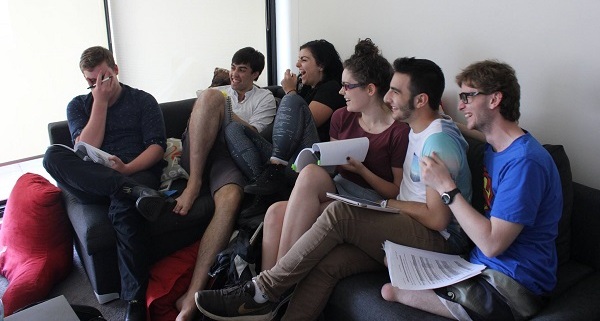
Bokkie: Erin came up with it and drafted me in late last year. At first it was just us sitting in the Dymocks cafe for seven hours, ordering too many drinks and laughing too much. We basically plotted the whole thing that day, and it’s great seeing how far our characters have come since then. They used to just be these shadows with names that kind of sounded like their names in the original. And now we have actors!
Cleo: And they’re so nice! They’re great to work with and just seem to really get the characters. It’s amazing how they’ve taken our words and made them their own.
Sweet! What advice would you give to other groups looking to make their own indie productions?
Cleo: I think mainly what I’ve observed is that regular meetings for detailed character development make a huge difference to the quality, and also getting things done early on so it’s less stressful later. Getting things done before uni meant I was able to actually have a meaningful role in it.
Bokkie: Yeah, sitting around for literally six or seven hours at a time and just talking through everything that occurred to us was what got us to where we are now. It sounds like a trek, but mostly it was just heaps of fun. And, like, all the fancy academic-sounding stuff that Erin’s said isn’t entirely where we started off. We definitely went “Okay, we want to talk about these current issues and address these facets of the play”, but then after that foundation was laid it became “Haha, wouldn’t it be funny if this happened? Or what if this guy does that? *laughing for five minutes*.” Then we kind of retrospectively went “Oh wow, we have something with real depth and meaning that’s going to be important and relevant to a lot of people.” So my advice would probably be not to focus on all the things English teachers tell you writers focus on, and instead spend more time making it a good story and having fun!
Erin: And my advice would be that a successful indie production doesn’t start with money, it starts with people. No matter how much you spend on fancy equipment and software, it all comes down to how engaging and innovative your story is and how effectively you and your team can make it come to life. We were so lucky to have had so many people express their interest in the project and offer to help in any way they could, and we cast an incredible group of actors who are as excited about the story as we are, and that is what got our original idea off the ground.
What’s next for Fat Goat Productions?
Erin: Disbandment.
Bokkie: In a nice way though! A third of the production team will be moving to England at the end of the year.
Cleo: We’ve only just started filming so it’s a long way off. We haven’t really thought about it much.
Erin: We’re just focusing on making Call Me Katie the best in can be. Then we’ll panic about the future.
Ha! Well I guess all good things must come to an end… some sooner than others, evidently. Thank you for your time and I wish you all the best of luck with Call me Katie.
If you want to check out Call me Katie yourself, you can find one of the vlogs below. To interact with the characters and find out more about the series, you can find them on Facebook and Tumblr.
If, like me, you need to wash out the bad (misogynistic) taste of something like Top Five, you can find the rest of the series here.
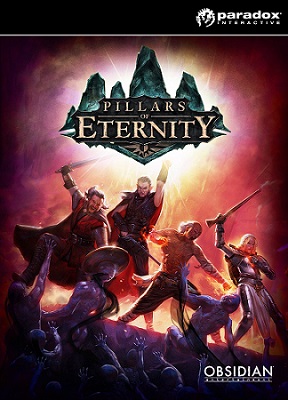
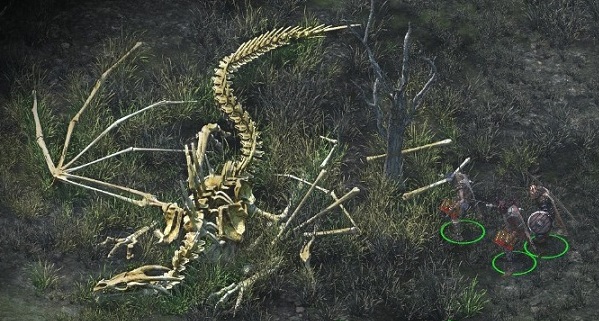
Pillars of Eternity is a difficult game to write a review for. Not because it’s bad, but because there is just so much ground which needs to be tread when examining this title created by Obsidian Entertainment and published by Paradox Interactive. The game follows on in the vein of classic RPGs (which I very much love) and is made by the same studio which made Fallout: New Vegas, Wasteland 2, and South Park: The Stick of Truth. I saw that a lot of praise has been heaped onto this title by other, less-capsule-shaped publications. I am now able to say earnestly that this praise was well and truly earned.
Story
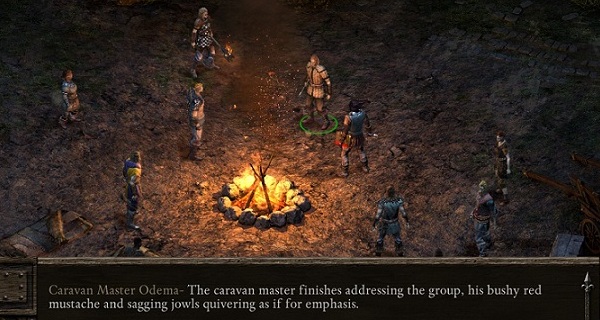
The story is fairly dense high fantasy faire, just the way we like it, as the player starts out as a traveller amongst a convoy of settlers, seeking to find land in a frontier village. A magical storm strikes and forces you take shelter in some nearby ruins where you come across a mysterious ritual being performed by shadowy figures. The magical storm strikes again at the climax of the ritual and awakens within you the ability to see souls (both living and dead) as what’s called a ‘Watcher’.
The story unfolds from there as you explore the land of Dyrwood in the aftermath of a holy war, while a terrible affliction affects the land and causes children to be born without souls. As you search for a way to undo or come to terms with your condition, you will meet and unravel the many mysteries of this land. Along the way you’ll be encounter many interesting characters to join your party and at one point you actually end up with your very own keep to manage.
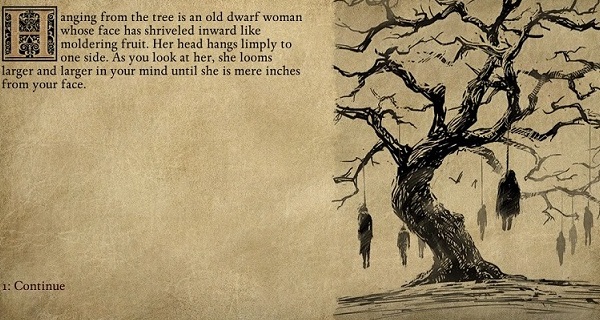
I have not been able to get through all the story at time of writing (hell, I feel like I’ve barely even begun to scratch the surface), but suffice to say that I will certainly be coming back to see how the narrative arcs. The writing and prose are of an excellent quality which is very fortunate as there is so much of it which you’ll either read or have narrated to you.
The mythos that’s created here is suitably rich and the game does a fairly good job of immersing you into its lore gently. It may still feel overwhelming to begin with, but after you’ve spent a good number of hours (and trust me, you’ll want to spend a LOT of hours here) you’ll be able to recognise and draw upon your own knowledge of places, politics, and pantheons. It’s clear that there is a strong influence from established fantasy universes (like Dungeons and Dragons) but the game avoids going into too many clichés of the fantasy genre.
Gameplay
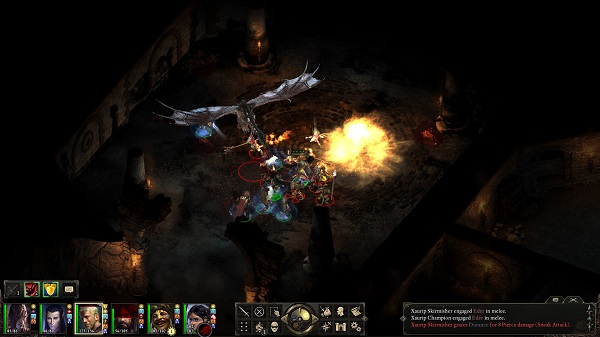
The game takes its cues from classic isometric RPG games like Baldur’s Gate and Planescape: Torment. The player can control up to 6 individual characters and move them around the map by clicking. The action takes place in real time but each character/monster has limited uses of their abilities and their actions requires a cooldown. Time can be paused and slowed as sped up to help you plan through fights. On harder difficulties planning, forethought, and meticulous execution becomes a necessity if you wish to take on more difficult opponents.
The combat is satisfying and tense and in this regard, the game has done the impossible for me and made the dungeon crawl (normally the most boring part of an RPG) into something dynamic, strategic, and fun. Each new engagement generally requires you to think about how you’re going to tackle the problem as well as managing the health of the party. Characters do not die when they lose all their stamina but instead are knocked out for the duration of the fight or until they are revived. What doesn’t replenish so easily is a party member’s health which steadily goes down in accordance with how much damage they take and is only replenished by resting at camp or in an inn. If they lose all their health, even if they’ve never been knocked out, they can become maimed or die.
Feeding into this system are the stats, skills, and talents which you can customise for each character. There is a significant amount of depth here when it comes to customising your character (or just an insane amount of choice) and what you choose to specialise in can affect the role-playing elements of the game. Certain dialogue options becoming available due to a particular character having a particularly high stat or skill.
Problems arise in the pathfinding AI as too often got stuck in trying to find a path to wherever it is I told them to go. Furthermore, each character does not engage in combat by default and so can end up standing around uselessly during a fight unless you’re micromanaging them through every step. There are also a number of smaller glitches I encountered (such as not being able to pay my keep garrison their wages for whatever reason) which still need to be ironed out with patches. My qualms with the game largely come down to nitpicking, but I feel that it is in your interest that you should at least be aware that the game is not a complete knockout…
Visuals
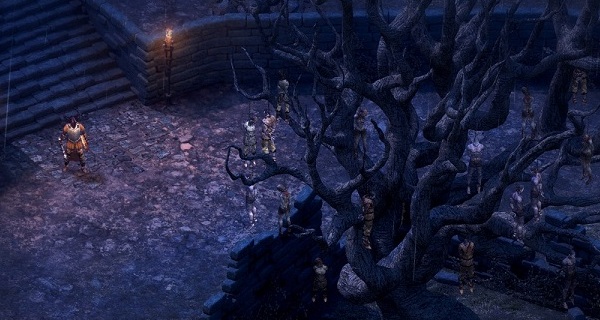
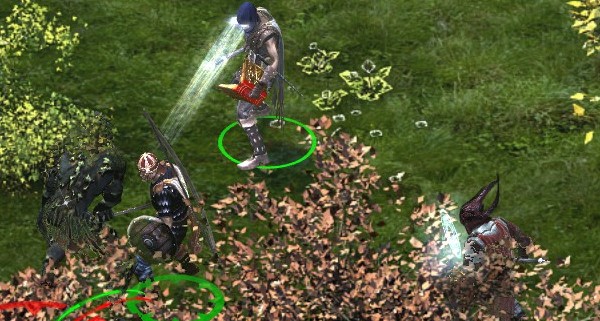
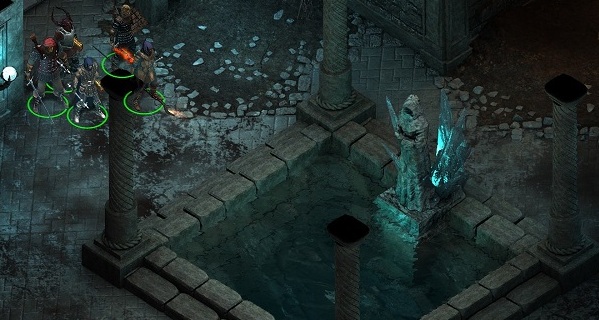
The art design in the game is distinct, pleasant, and of a high quality. The designs of the environment help to make each zone its own entity (except for some areas which have are recycled from one level or another). The character animations are also suitably well done with magic spells and prayers each getting what looks to be their own unique animation.
As pretty as the background is, it can at times become quite impractical as characters go (literally) behind the scenery and the player is unable to see the action. Luckily, these instances are few and far between however.
Audio
The soundtrack in this title is of an exceptional quality. The tracks this game has to offer are a welcome companion when travelling across the fantasy wilderness or when fighting for your life in some gods-forsaken dungeon. The combat music in particular is particularly memorable and will now be stuck in my memory to be brought out when the situation calls for it.
The voice acting is also quite good, but I do wish that there had been more of it implemented in the game as it appears to have been done in a patchwork manner.
The game also features some enjoyable creator commentary by various members of the design team. It is quite enjoyable look behind the curtain in hearing their stories and learning the thinking that was put into specific points in the game.
Overall
Pillars of Eternity is a fine example of a contemporary isometric RPG. The story is engrossing, the visual and audio design are spot-on, and the gameplay is superb. This game is good. Damn good. Save for a couple of issues here and there, it is damn near perfect. Kudos to the folks at Obsidian Entertainment!
Capsule Computers review guidelines can be found here.
It’s been almost two decades since the last entry to the storied King’s Questadventure franchise. This year will bring a new reboot to Sierra’s long running franchise by The Odd Gentlemen.
The Los Angeles-based developers sat Creative Director Matt Korba and Producer Lindsey Rostal down in front of the camera to talk about the game’s development and meeting King’s Quest creator Roberta Williams and Sierra co-founder Ken Williams. Based on the developer diary, The Odd Gentlemen seem very aware about the pressure and excitement of rebooting such a long running franchise.
The new game stars King Graham, now an old man, telling stories about his youth to his granddaughter Gwendolyn. King’s Quest will launch sometime in fall 2015 for PlayStation 3, PlayStation 4, Xbox 360, Xbox One, and PC.
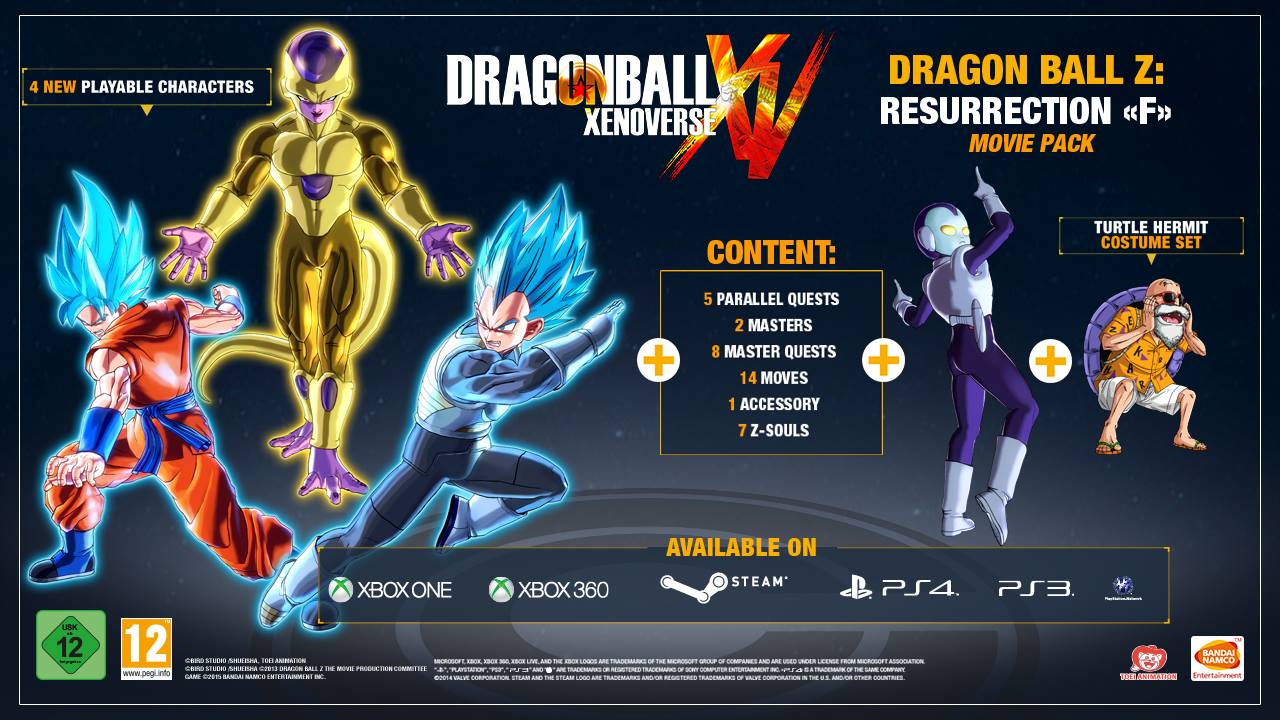
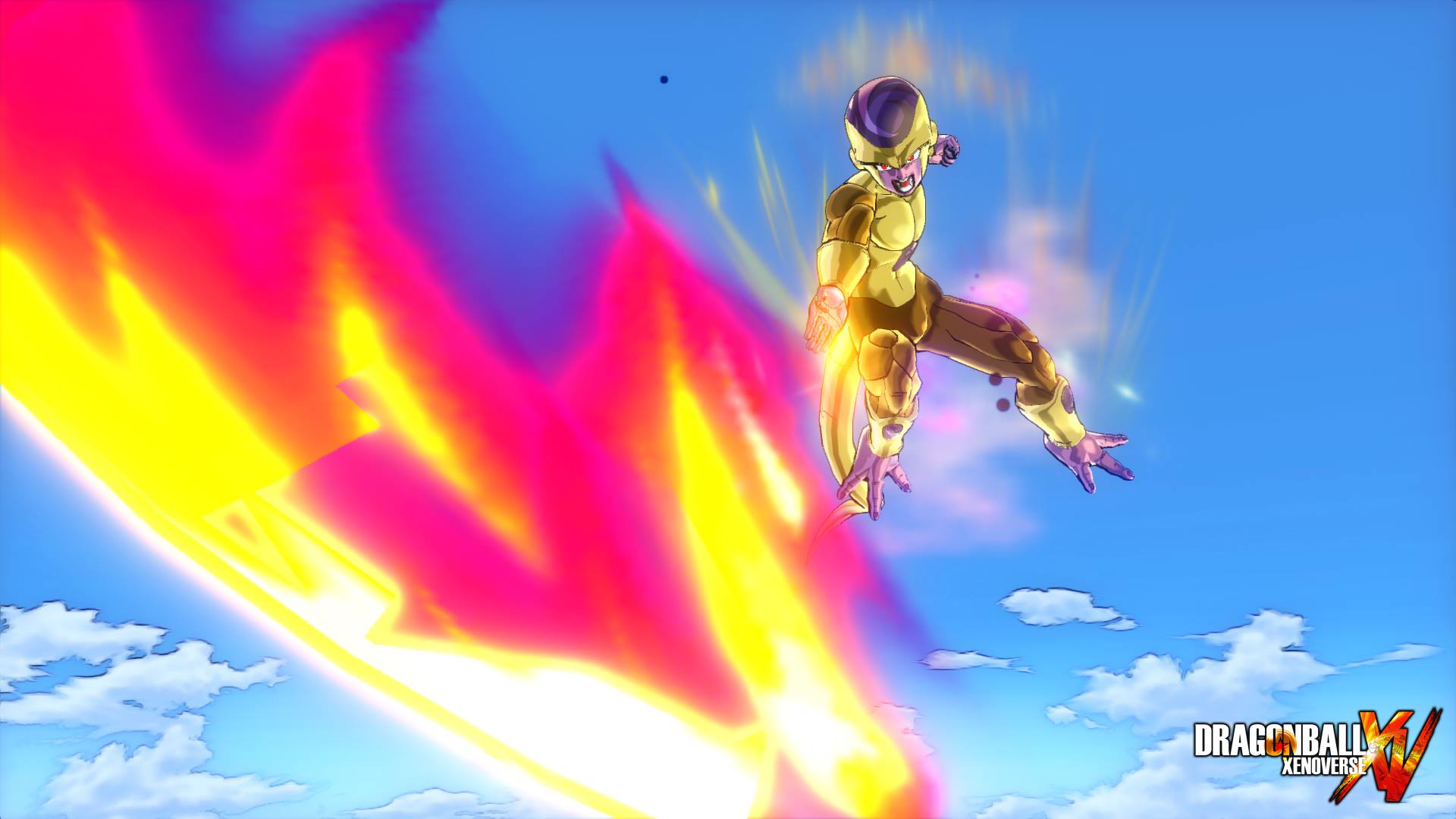
As per the usual cycle of a Japanese leak followed by an official announcement from the English branch, Bandai Namco have confirmed the contents of the third and final (as far as we know) DLC pack for their well performing Dragon Ball title Dragon Ball Xenoverse. The third DLC pack revolves around the new movie Resurrection ‘F’ and officially contains:
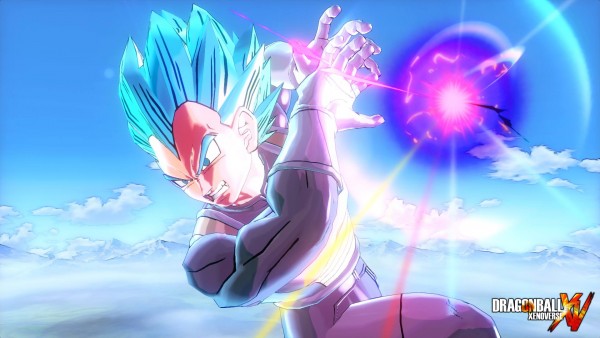
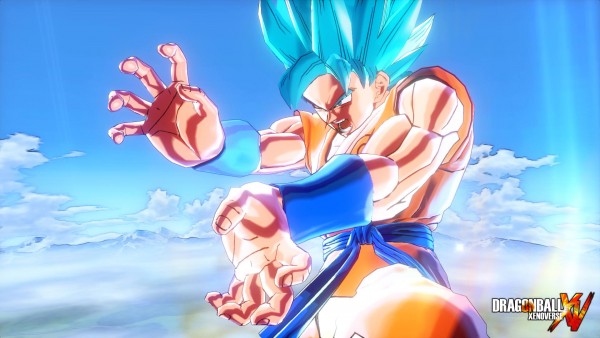
• 4 Playable Characters: Super Saiyan God Super Saiyan Goku, Super Saiyan God Super Saiyan Vegeta, Golden Frieza and Jaco the Galactic Patroller
• 5 Parallel Quests
• 2 Masters: Jaco the Galactic Patroller & Elder Kai
• 8 Masters Quests
• 14 Moves
• 2 Costumes: Turtle Hermit & Gohan’s Tracksuit
• 2 New Accessories: Tagoma’s Scouter & Turtle Hermit set
• 7 Z-Souls
Definitely some cool elements there including Elder Kai as a mentor, making him the only non-playable teacher. On a more sour note however, it looks like there will be no new story content with this pack which seems like a missed opportunity. A well known hacker in the Xenoverse community was able to learn all of the new skills in advance of their official announcement and there are a good mix of strike and ultimate skills including everyone’s favourite missing technique the Instant Transmission Kamehameha!
Interestingly, no mention of the Japanese exclusive Resurrection ‘F’ costumes for the players custom character were announced which was pretty surprising as I thought they would definitely be included with the pack for English speaking audiences. Hopefully they will be made available for us at some point in the future. Let us know your thoughts on the new DLC pack in the comments below and tell us which aspect of the pack you are most looking forward to. There is no official English release date but expect it soon as Japan is supposed to get this lot of DLC before the end of the month.
Overview Everyone has a different sense of humor and while many people might enjoy a certain brand of humor, others may scoff or simply shake their heads at what others find funny. The slice-of-life genre is filled with different types of comedy series, many of which tend to feature an all-female cast doing random cute things or at the very least taking place in a school of sorts. As such, when Hozuki’s Coolheadedness first started airing it was a very different type of comedy series with an off-brand style of humor. So now that the series has been released in the West is it worth picking up?
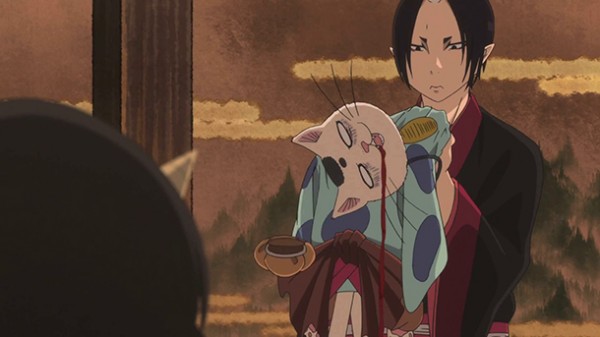
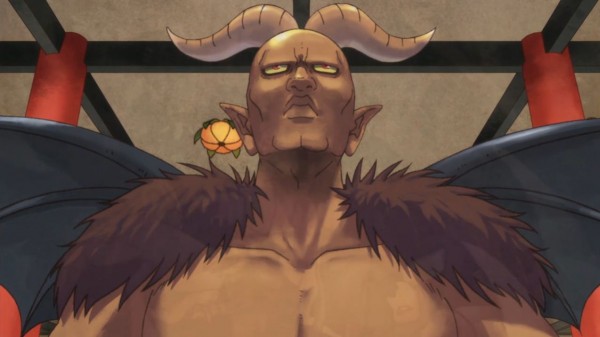
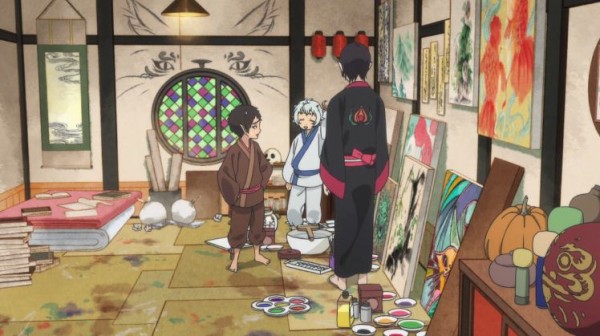
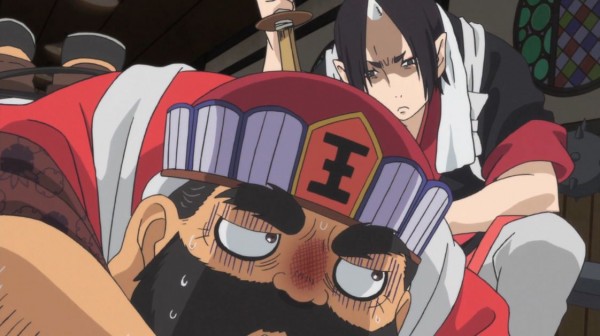
Story Considering the massive number of people on the planet, managing Hell might seem like a hell of a hard job, especially when Enma, the King of Hell, is usually too busy passing judgment on souls or simply doesn’t want to handle specific tasks and is acting lazy. Because of this many of the smaller issues, such as staff shortages in one of the 272 different types of Hells present in the series or handling other religion’s dignitaries, tend to slip through the cracks and when that happens it is up to Enma’s Deputy Chief, Hozuki, to take care of things and make sure that all of Hell is running as efficiently as possible.
Despite the amount of jobs laid at his feet and being the second-in-command in Hell, Hozuki is more than just a stone-faced bureaucrat capable of intimidating anyone and quickly handling tasks in a calm (but occasionally frightening) manner. He is also a man of many different hobbies such as taking care of goldfish plants, interacting with his co-workers, and adoring any type of animal he comes across.
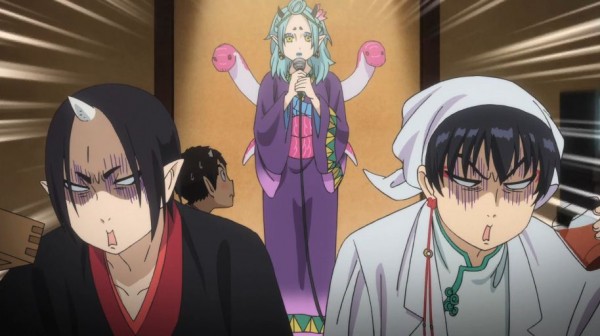
Thanks to the way that Hozuki’s Coolheadedness is set up, it is very similar to a workplace comedy but set in Hell where there are numerous fantastical areas and demons mixed in with an extremely heavy dose of legends and mythology. Enma plays the inept but good-natured boss that Hozuki usually has to reign in or clean up after all while dealing with the various issues that arise in Hell, such as the appearance of Momotaro, Beelzebub, and more.
The setting creates a lot of potential for humorous and really interesting situations but whether or not you’ll actually find most of the events that take place in Hozuki’s Coolheadedness funny is the main issue.While there is no denying Hozuki’s Coolheadedness is an interesting and intelligent series that delves deep into legends, features plenty of social commentary, takes jabs at politics and more, the style of humor in this series is as dry as a bone.
This dry humor is something of a rarity in many anime series and those looking for it will find plenty here but this is certainly not a series for everyone as it rarely actually tries to be funny and usually provokes laughs either through witty commentary or by the way that Hozuki deals with situations when they arise or even how ridiculous things tend to get. In fact, very few jokes are actually delivered in a decent manner and even the whole concept of turning hell into a bizarre office of sorts wears thin. This may not have been such an issue if Hozuki was an engaging character but he is far from it.
It is also worth noting that there is an immense viewing barrier to Hozuki’s Coolheadedness. As mentioned before, numerous characters from legends, mythologies, and religions appear and play various roles in the series and those who may be unfamiliar with some of Japan’s more obscure legends may struggle with the way that the series handles the jokes with these characters. Sentai Filmworks has tried to rectify this issue by providing large swathes of text that appear on screen to try and explain jokes and various cultural references but this often means that if you don’t already know what is going on you’ll likely need to either pause and read the information or completely take yourself away from the events happening in the show in order to quickly read why you should be laughing.
Visuals While the way that Hozuki’s Coolheadedness handles its humor and setting is unique, it is also unique in the manner that Wit Studio chose to present and animate the series. The animation studio has chosen to use a floating world (ukiyo-e) style of presentation to create a unique looking series with gorgeous and haunting backgrounds.
It is interesting to note that most of the characters are a bit more standard looking with various demonic features added for flair, though mythological creatures are designed to look similar to how they have usually been described. The aforementioned translator notes to explain various things are generally located at the top of the screen but as mentioned, they occasionally run four to five lines deep and obscure the series from time to time.
Audio As one would expect for a series steeped in different kinds of lore but primarily Japanese lore, Sentai Filmworks has released Hozuki’s Coolheadedness with only the original Japanese voice track. This is a fitting choice as it not only fits the theme of the series better but a decent amount of the series’ humor actually comes from Hozuki’s stoic tone.
The soundtrack for the series is surprisingly fantastic at times as it implements numerous traditional Japanese instruments to fit the setting of Hozuki’s Coolheadedness. As far as the opening and ending themes are concerned, the opening theme is surprisingly catchy to the point it will be difficult to get out of your head after watching the show while the ending themes are unfortunately very unremarkable.
Extras Hozuki’s Coolheadedness: Complete Collection comes only with a clean version of the opening animation, clean ending animation, and trailers for other Sentai Filmworks releases.
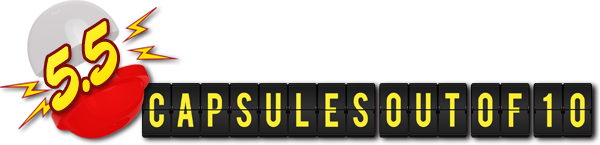
Overall As mentioned before, everyone has different tastes and a series like Hozuki’s Coolheadedness will fit the tastes of a very select audience. The dry humor, stunted jokes, and heavy reliance on lore makes the series as different from your average comedy anime as they come but being different doesn’t always mean it is good. While amusing at times and featuring artwork that is absolutely gorgeous and a fitting score, this unique take on a workplace comedy unfortunately leaves much to be desired and even well-versed viewers will find it to be generally unfunny.
Capsule Computers review guidelines can be found here.