IGNITE THE REVOLUTION IN ASSASSIN’S CREED® III REMASTERED, AVAILABLE NOW
Relive the Beauty
and the Brutality of 18th– Century America
Sydney, Australia — April 1, 2019 —, Ubisoft has announced that Assassin’s Creed® III Remastered, including Assassin’s Creed® Liberation Remastered, is now available on the PlayStation®4 computer entertainment system, the Xbox One family of devices including Xbox One X, and Windows PC. Additionally, all solo DLCs from the original game will be included: Benedict Arnold Missions, Hidden Secrets and Tyranny of King Washington.
Developed by Ubisoft Barcelona, Assassin’s Creed® III Remastered features single-player content in 4K
and HDR on PlayStation®4 Pro, Xbox One X and Windows PC. The vision was to bring this
classic game to match the quality of the current Assassin’s Creed games by
taking advantage of newer technology. With increased model improvements and
Physically-Based Rendering (PBR), Assassin’s Creed III Remastered displays more
visually accurate images using real world light and material properties that
make the world feel more alive.
Experience the Assassin’s Creed universe on the eve of the American
Revolution and play as Connor, the warrior son of a Native American mother and
British father. As the bloody revolution draws near, your clan is threatened by
a powerful group seeking to crush the American Revolution and control the
thirteen colonies. After the devastation of your village, you pledge your life
to preserve freedom. Unleash your deadly skills in a decades-long quest that
will take you from the chaotic city streets to blood-soaked battlefields in the
hostile American wilderness and beyond. Explore colonial Boston, New York, the
frontier and various epic naval missions, meeting legendary American heroes as
you conspire to annihilate all those who threaten Liberty.
Assassin’s Creed III Remastered
includes Assassin’s Creed Liberation Remastered, which tells the unforgettable
journey that takes Aveline from the crowded streets of New Orleans to
voodoo-haunted swamps and ancient Mayan ruins. Assassin’s Creed III Remastered
will be available on the Nintendo Switch™ system starting May 21.
For
more information on Assassin’s Creed, please visit: assassinscreed.com.
For
the latest on Assassin’s Creed III Remastered and other Ubisoft games, visit news.ubisoft.com.
ABOUT
UBISOFT
Ubisoft is a leading creator, publisher and
distributor of interactive entertainment and services, with a rich portfolio of
world-renowned brands, including Assassin’s Creed, Just Dance, Tom Clancy’s
video game series, Rayman, Far Cry and Watch Dogs. The teams throughout
Ubisoft’s worldwide network of studios and business offices are committed to delivering
original and memorable gaming experiences across all popular platforms,
including consoles, mobile phones, tablets and PCs. For the 2017–18 fiscal year
Ubisoft generated sales of €1,732 million. To learn more, please visit www.ubisoft.com.
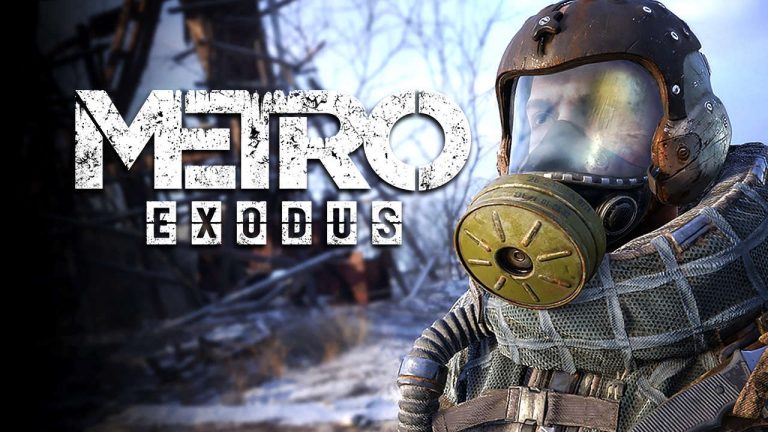
Metro Exodus publisher Deep Silver has disabled a good number of Steam keys that were stolen from a factory and sold by an unofficial key reseller.
The release of Metro Exodus on PC had a turbulent history. Initially, the game could be preordered on Steam and physical copies were also being sold with a Steam code inside. All of that came to a stop when Deep Silver announced that the game would only release on Epic Game Store. No more Steam preorders and no more Steam keys to get from authorized key resellers. If you managed to preorder a game or buy it from an official key reseller before the announcement, you were safe and your order would still be honored. And if you bought the game from any other place that Steam, Humble Store or Razer Store, you might have a bad surprise waiting for you upon starting a Steam client and not seeing Metro Exodus in your library.
Deep Silver notified everyone in a Steam post on Thursday:
These keys have been obtained illegally from the factory where physical key printing had taken place prior to the announcement of exclusivity with Epic Games, due to the criminal nature of these keys, all unlicensed keys have been deactivated and activation/download of Metro Exodus without the executable file is no longer possible,” it said.
“In addition, the software will be removed from the Steam library of any players using an unauthorized code. The keys being sold on this platform are stolen goods and are therefore illegal.
“If you have been affected we strongly recommend you contact the seller who sold you the unlicensed key and demand a refund.” The only supported key sellers for Metro Exodus were Humble Bundle and the Razer store, Deep Silver said.
“We were not aware that [the stolen keys] had gotten into the wrong hands,” it added. “The binaries were disabled on these keys from the beginning, the community brought it to our attention that the games they had from the reseller were not updating. After an investigation, we have become aware that they were stolen.”
What’s that saying? “If something sounds too good to be true, it probably isn’t’. Or in this case, if you find a shady store selling games/keys for half of the price compared to everywhere else, you should think twice before buying anything.
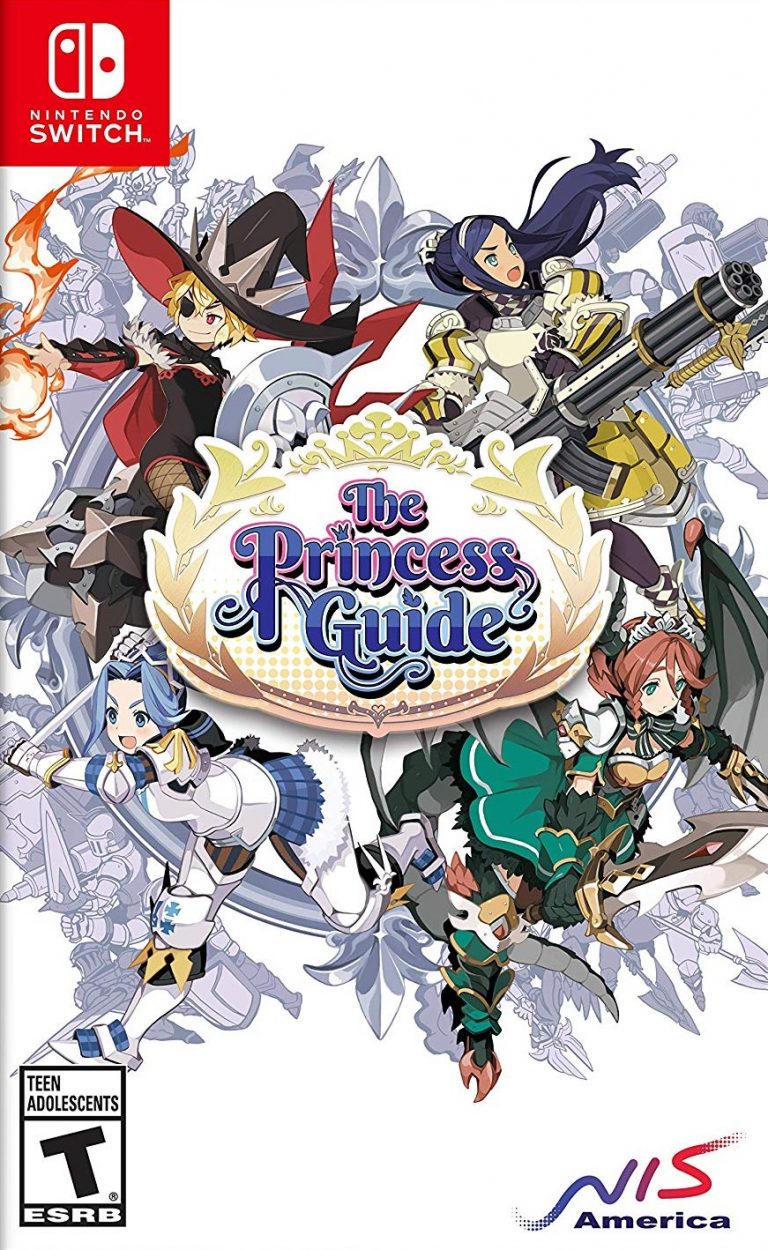
Among the well known Japanese developers there are a few lesser known companies that are willing to take risks with unique ideas and few take as many chances as Nippon Ichi Software. While they have their mainstay franchise the developer has been experimenting with a number of fun takes on different genre over the years and now with The Princess Guide offering a unique take on a hack and slasher with a dash of RPG mechanics, is the game worth your time?
Story
After fighting countless battles and coming out as a heroic warrior capable of winning almost any battle, players step into the shoes of a retired soldier who can be named and customized as either a male or female with a handful of different personality traits that slightly alter dialogue from time to time. Through their exploits the warrior has managed to become known far and wide both on the battlefield for their skills but also from their knowledge as numerous books and articles have been written before the plot begins about the player’s capabilities as a soldier. As such when four different princesses put in a request asking to be trained by this soldier, it is up to the player on who they want to train.
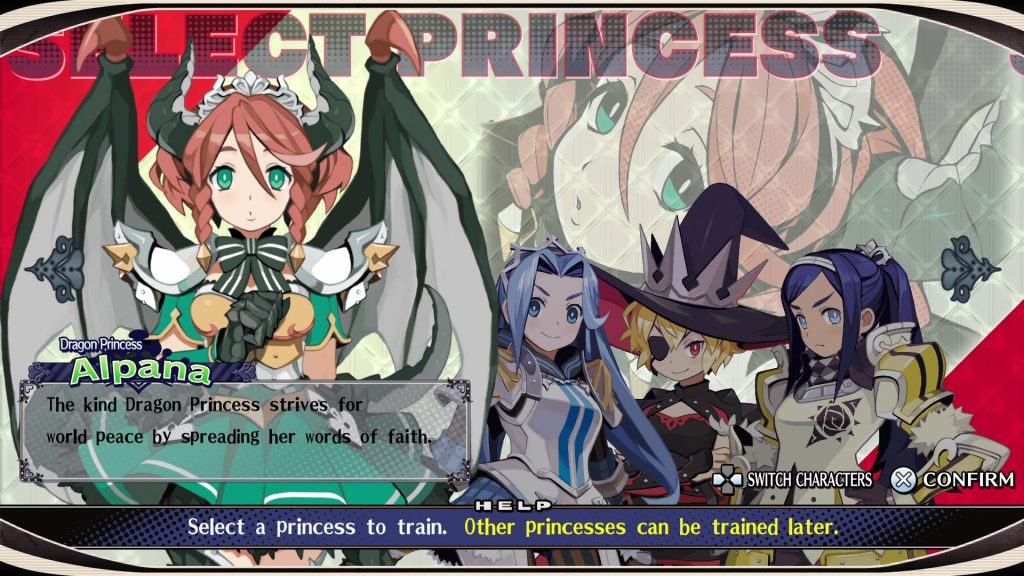
The four princesses players have to choose from are not only extremely lively and unique feeling from one another but also have a different feeling to them. From the way they address the player character, such as Hero, Boss, or simply Teach their personalities really shine through thanks to the localization efforts from the team. The four girls happen to be the dragon priestess Alpana who is rather demure and is highly religious, the ever hungry and energetic Liliaretie that manages her own personal king’s guard, a child prodigy named Veronica whose magical powers have catapulted her to the top of her guild and left her with a cocky attitude, and Monomaria who has fallen into mercenary work to survive her family’s fall from grace.
Now it is worth noting that while you may start training only one princess players will still eventually be able to work with them all throughout the game before putting more of their focus into finishing off the game’s storyline with a specific princess. This means that players will still be able to see a bit of what each girl has to offer and their personality before delving deeper into a certain storyline which is a nice touch. That being said, some storylines do play out in a more entertaining fashion than others though this can come down to personal preference depending on who you end up taking a shining to the most, though even the lesser stories still hold up rather well thanks to some strong writing for these girls.
Gameplay
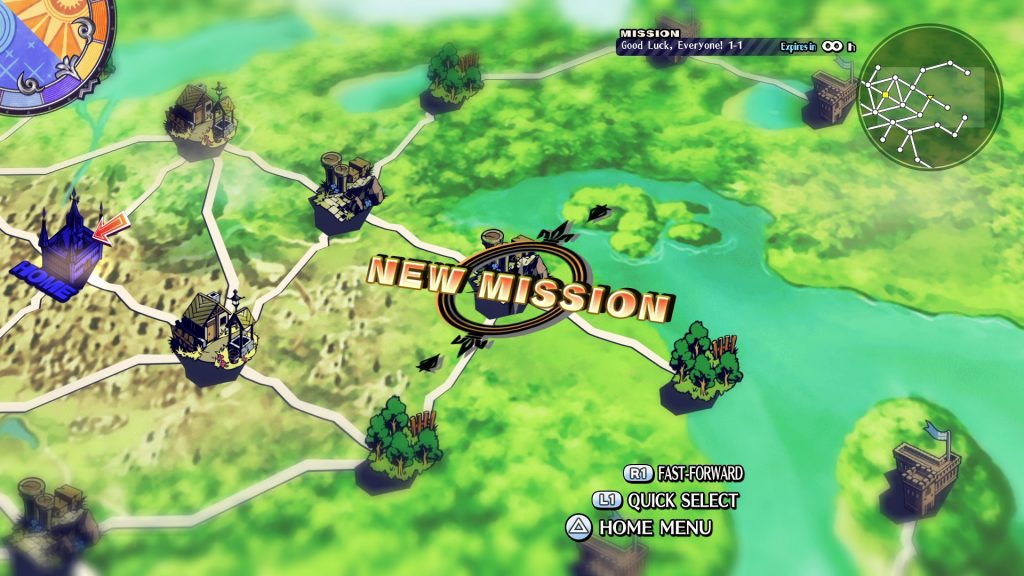
After selecting which one of the four princesses players will want to start with they will find themselves placed in an overworld where they can command either their own hero, the princess, or hired commanders, to move around the map. The world map will feature a number of little nodes as well as enemy units that move around the map but for the most part moving between these nodes is a simple affair with some containing treasure chests and others starting either main missions, side missions, or simply dropping the current unit into a fight for grinding purposes.
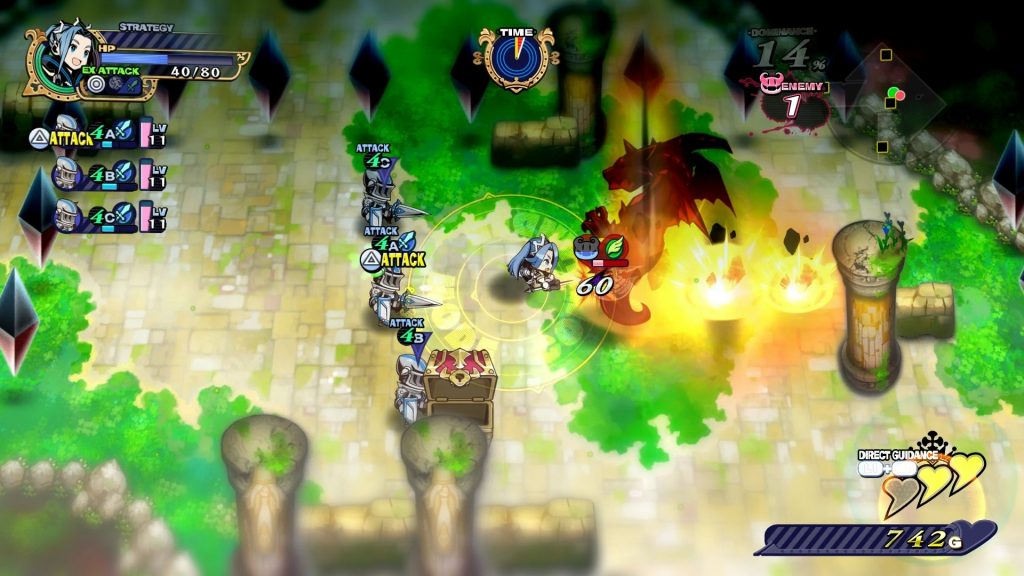
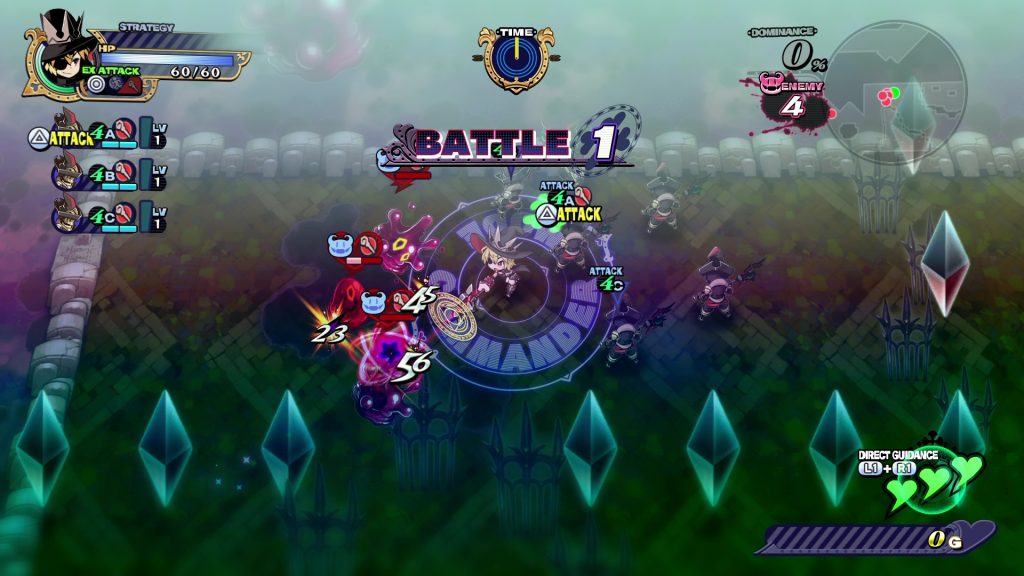
Once an enemy is encountered that commander will enter the battle alongside a small collection of soldiers that accompany them in every mission. These fights will take up the majority of your time in the game as players must travel through a dungeon area and defeat foes along the way to reach the end or simply survive against waves of foes by using hack and slash combat techniques. Every princess plays in a different manner with their special abilities while other units mostly fall into standard hack and slash style with certain skills being derived from the current weapon they have equipped.
Fighting against the waves of enemies in The Princess Guide can be both fun and frustrating at the same time depending on the layout of a stage and the enemies you happen to be facing off against. Players have no ability to actually block incoming attacks and depending on how many enemy types spawn at a time and the layout of the map, a quick loss can be ensured no matter how prepared you might be. This is partially due to the fact that healing units in this game is fairly limited when not controlling the princess as you must either take possession of limited mana tower relics scattered throughout the area and receive healing from them or acquire a high enough dominance level for that stage that you can initiate a “triage” strategy. Relics generally can be used as traps that can be triggered to deal damage to enemies while strategies provide various boosts to the commander’s soldiers though you will want to be prepared beforehand as enacting a strategy requires an annoying number of button inputs if done in the middle of a fight. Unfortunately even the fun aspect does begin to fall by the wayside after you’ve spent enough time grinding that the combat begins to feel a bit monotonous but more on that in a bit.
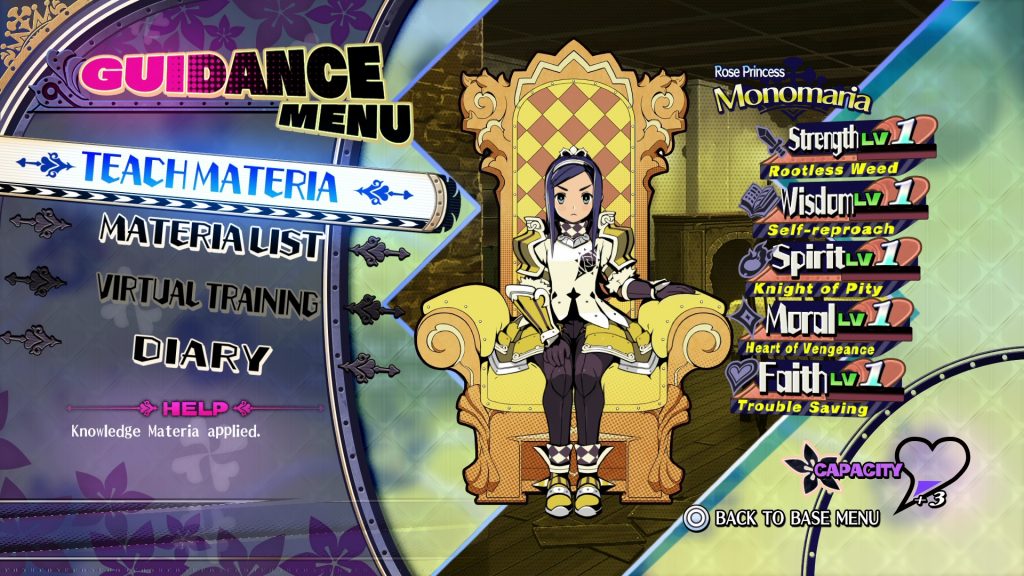
With the princess players will at least have one additional maneuver to fall back on and that is the “Direct Guidance” mechanic. Players can use this mechanic three times every stage to either praise or scold the princess and provide a number of buffs to her. This generally can be used to restore her health or give a boost to various stats and it can really help turn the tides of a losing battle, especially since you can even guide the princess from the clutches of defeat and potentially revive her. This guidance also comes into play with Materia that will be used to actually power up the princess’ various stats. By defeating specific enemies, claiming relics, simply winning battles, or being praised and scolded enough times various Knowledge Materia can be earned and then applied to the girl back at base. These various boosts do help strengthen the character and even unlock additional skill points that can be used to power up the teacher commander as well, though you will need to do some needless digging to actually find out how to properly boost their stats.
Properly boosting both the teacher and the princess’ abilities is essential to properly beating the game as there will need to be some grinding involved to complete some later battles in the game. Unfortunately these difficulty spikes often feel like they arose more of the game’s design choices rather than being unprepared for a fight so it usually ends up falling down to making sure you can and power through these spikes more than anything else.
Visuals & Audio
If there is one thing that The Princess Guide happens to excel at is being very colorful and featuring some nicely drawn character portraits even if they do animate like someone put them on fast forward. Every one of the four princesses’ unique personalities shines through in their design and even the chibi designs of the characters when they enter battle are nicely handled. That being said, players will notice that the text formatting in the dialogue segments can be rather rough at times with only a few words taking up an entire line, not something that is truly a problem but an odd choice.
With the release of this game NIS America has only provided the original Japanese voice track which works well enough as the characters are all handled well enough here with the soundtrack featuring a nice mix of music that fits for both battle and the many dialogue scenes throughout the game with special attention being given to each of the girls’ main themes.
Overall
The Princess Guide is an interesting little game that has quite a lot of charm to it. Almost every one of the four princesses that you can teach in the game are great in their own ways and the odd style of combat makes the game great for short bursts of play if you happen to be taking the Switch on the go. That being said, the amount of grinding you will need to do to overcome certain design choices and some frustrating menu designs drag down the experience.
Capsule Computers review guidelines can be found here.
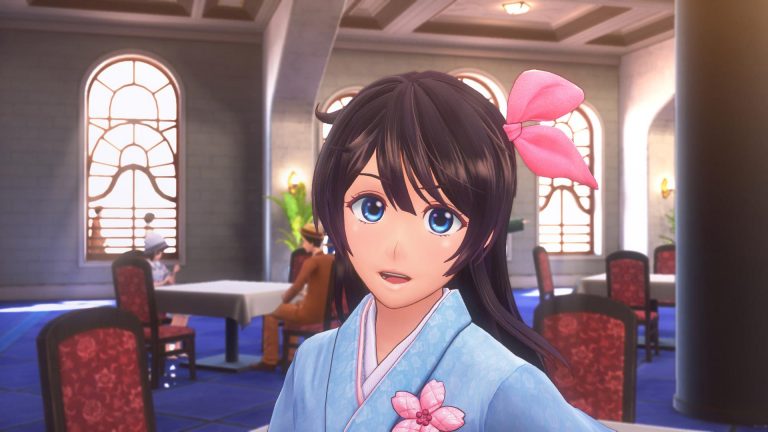
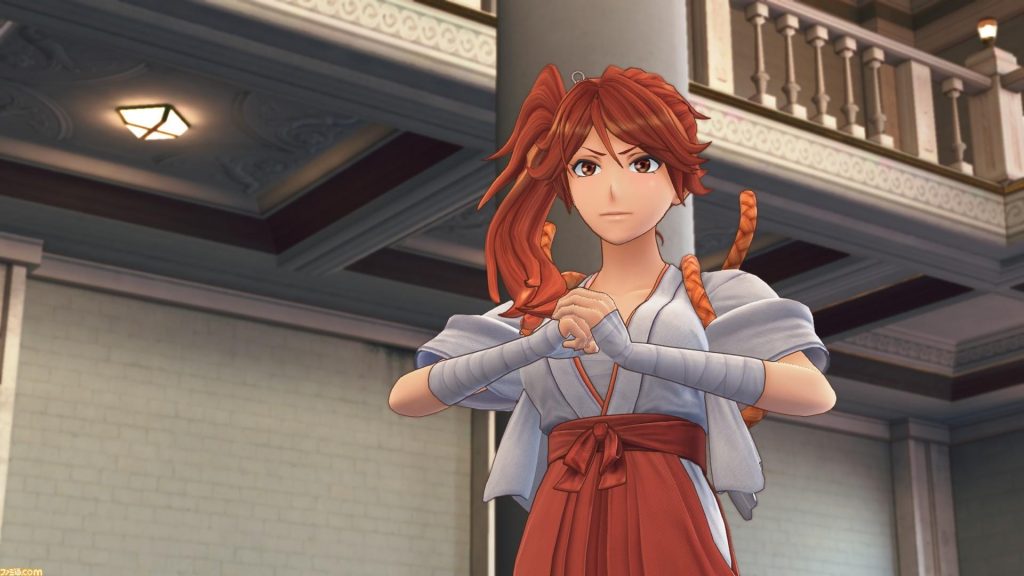
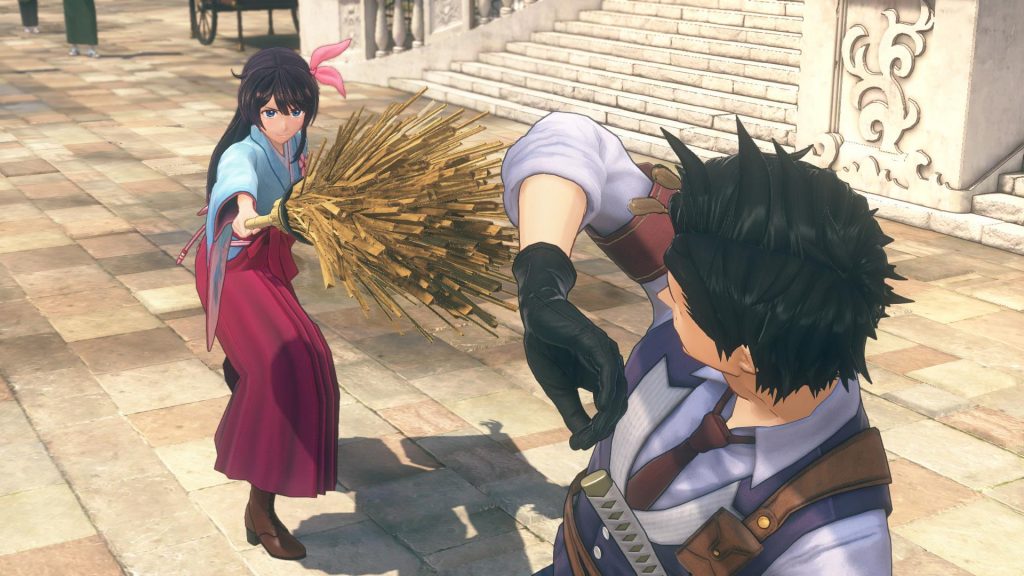
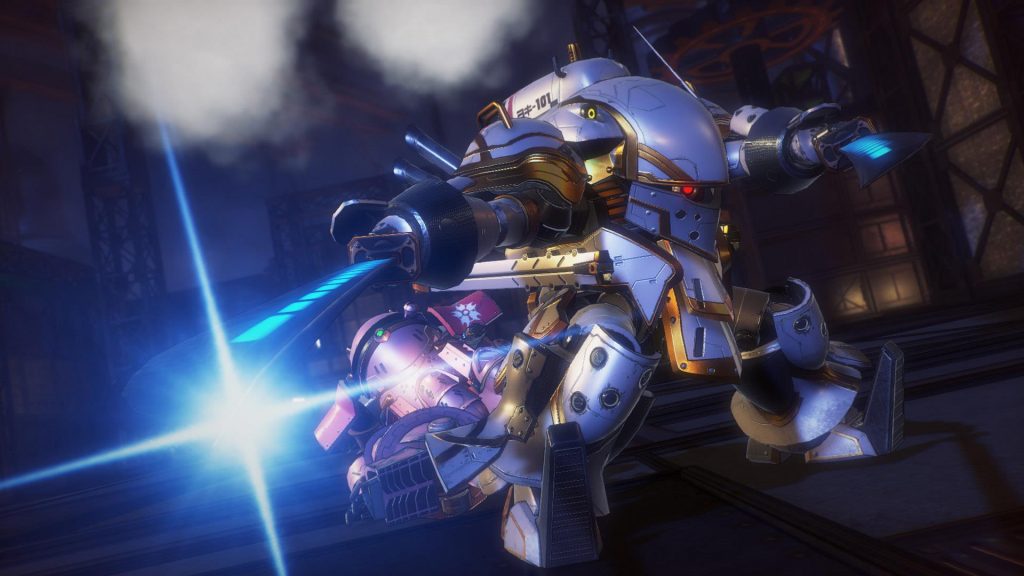
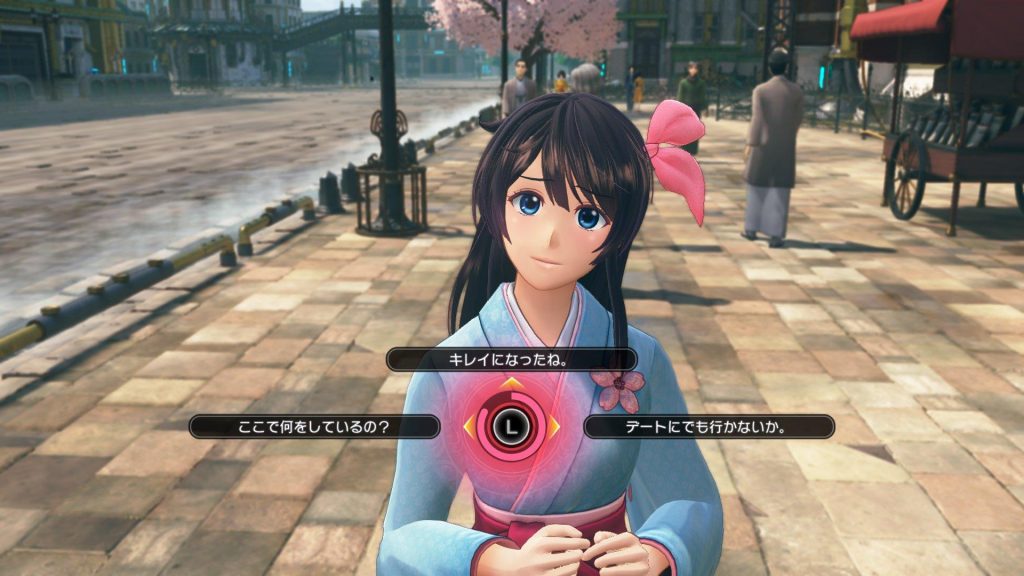
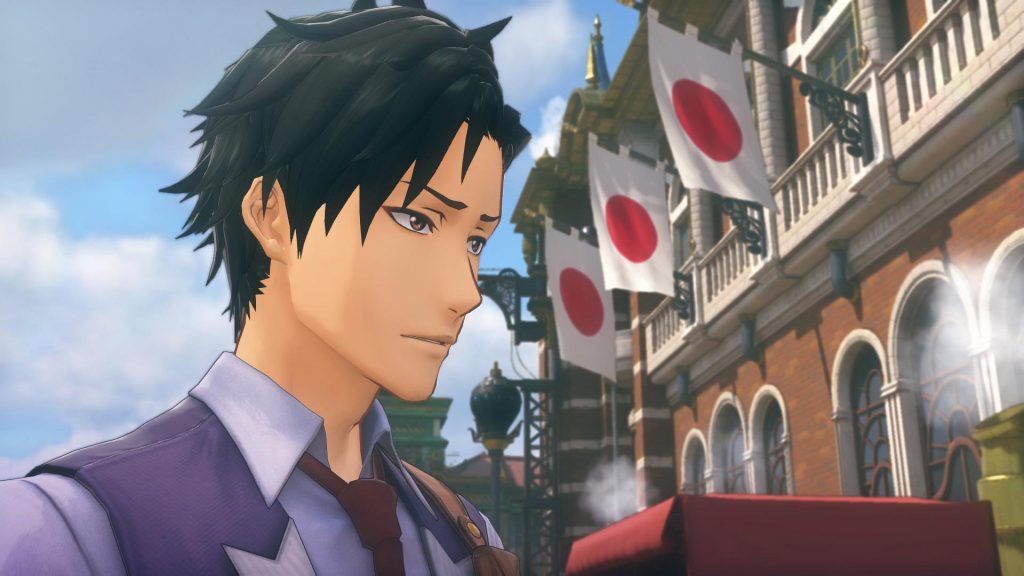
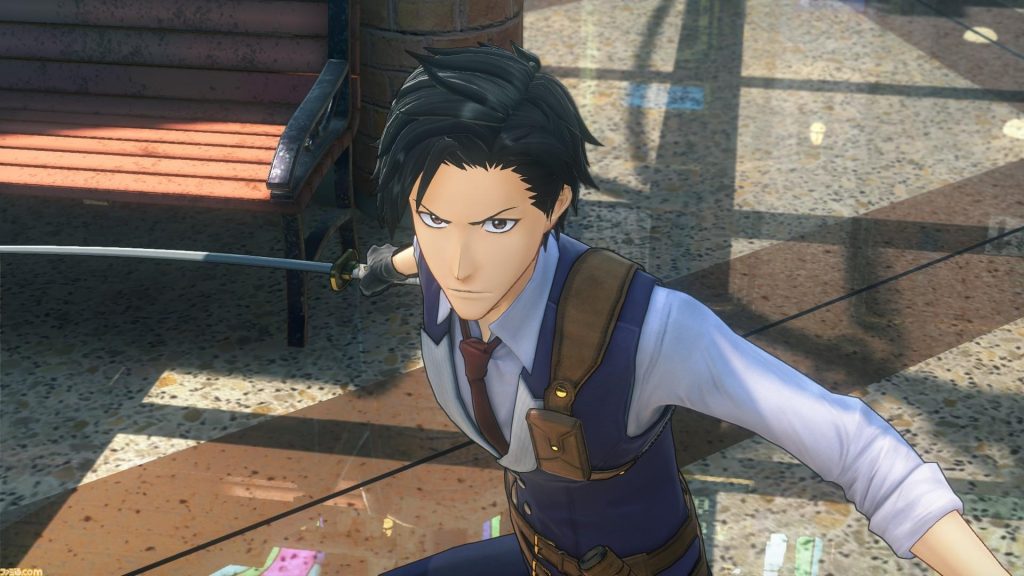
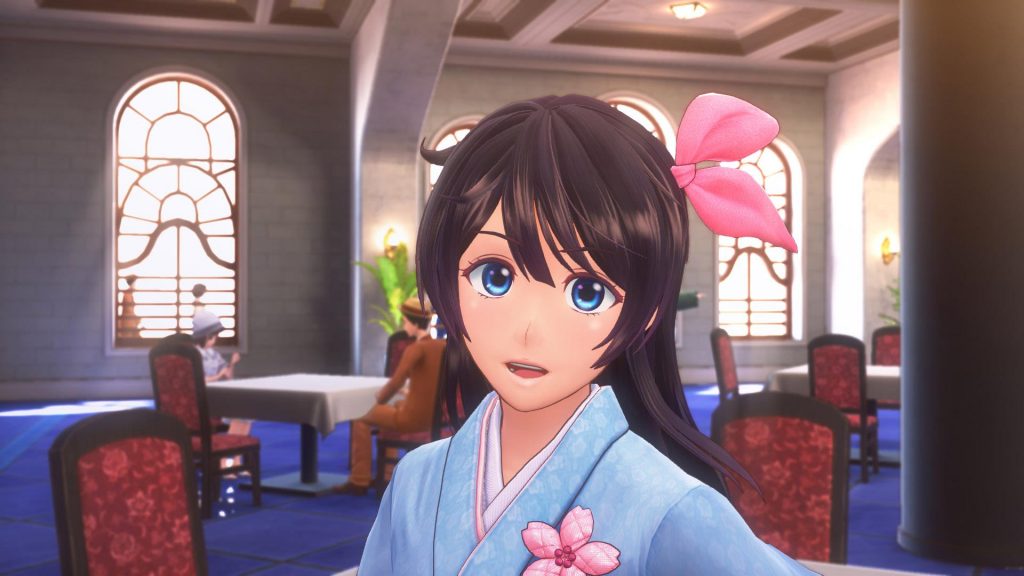
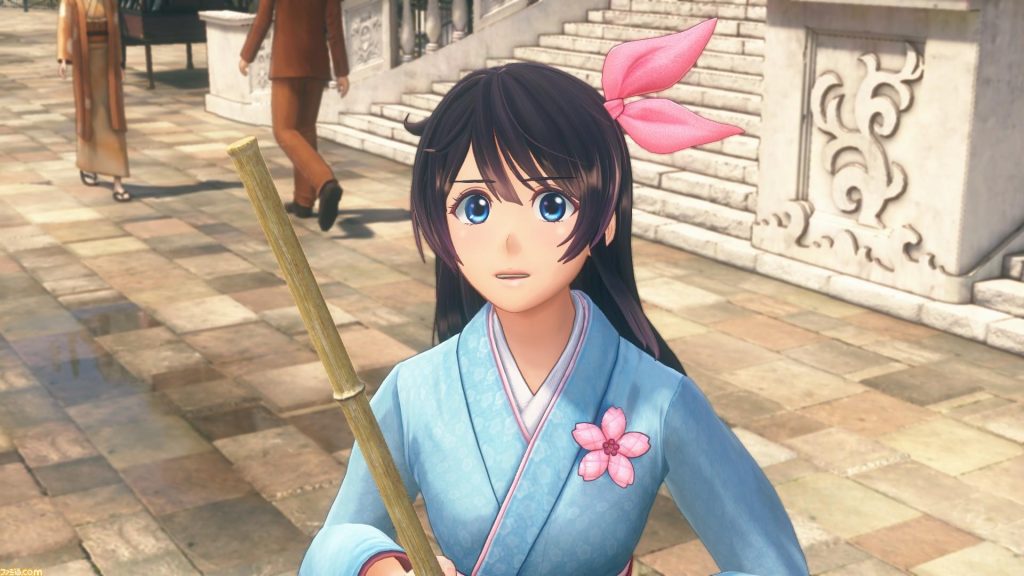
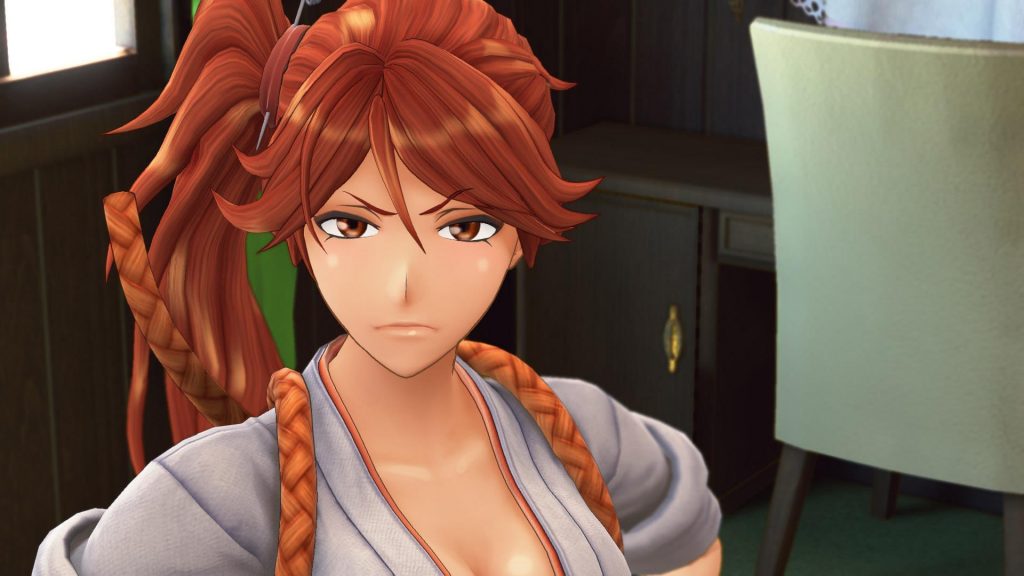
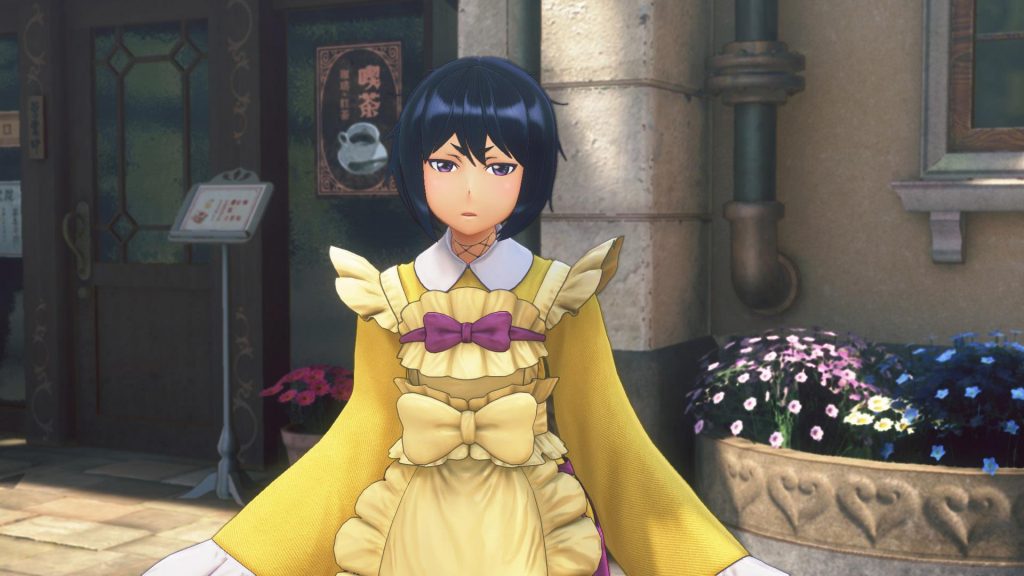
For many years fans of the Sakura Wars series were wondering whether or not Sega would ever revisit the series since, other than appearing in crossover games, the franchise has been left dormant for over ten years. Well now we know that not only is the series continuing with Project Sakura Wars but it is also already confirmed for western release. Sega has announced that the “dramatic 3D action adventure” will be released in the winter in Japan and in North America and Europe in spring 2020.
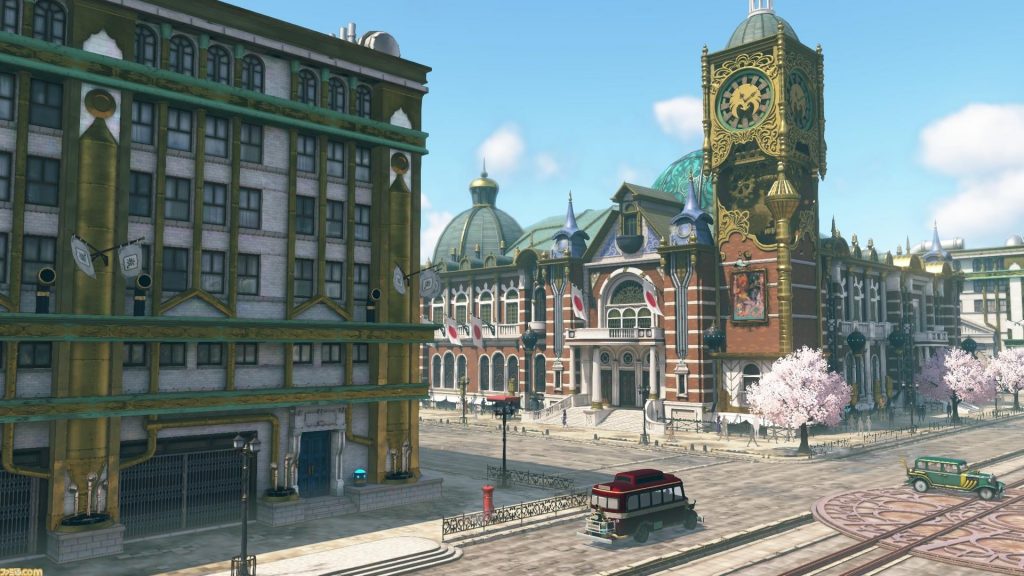
Project Sakura Wars will be set in a romanticized version of 1940s Imperial Tokyo. 10 years ago, a cataclysm resulted in the devastating loss of the Imperial Combat Revue of Tokyo, the capital’s global defense force operating out of the Imperial Theater. The theater has since fallen on hard times and risks closure. As captain of the new Tokyo revue, it’s up to you to mend the hearts of your troops and restore the Imperial Theater back to its former glory.
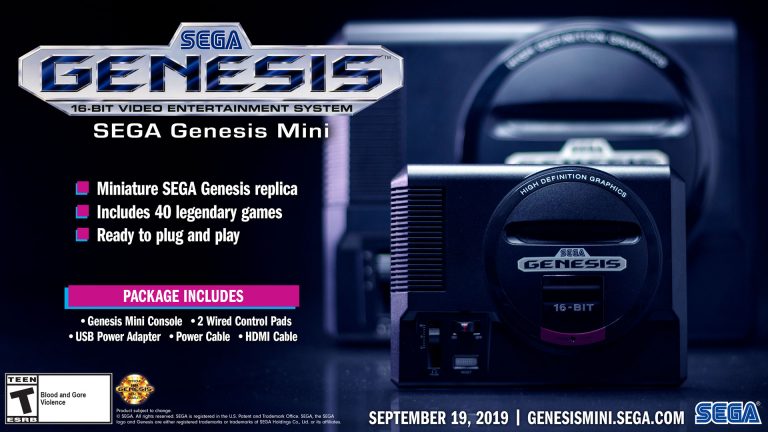
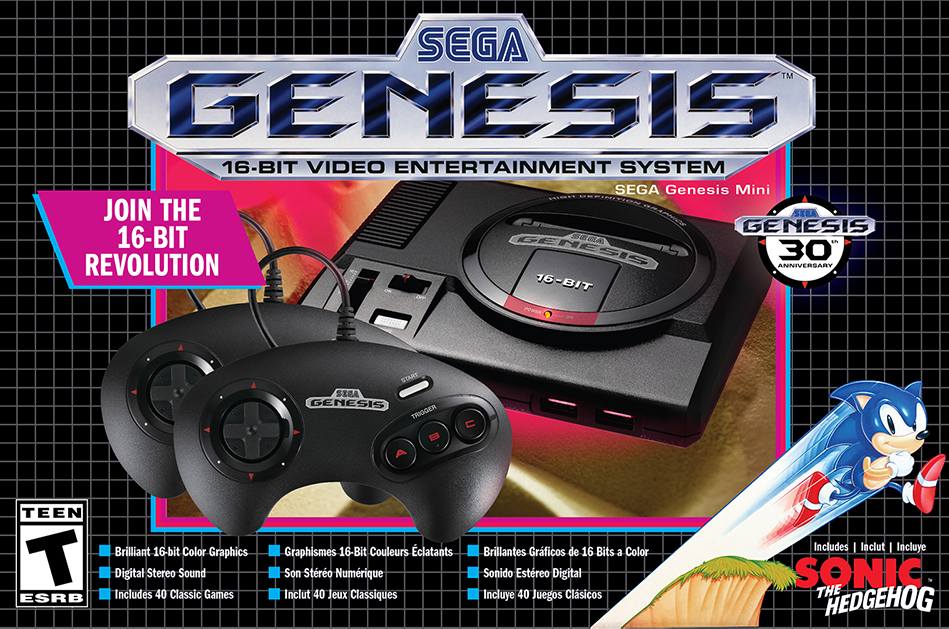
Sega has announced plans to release the Sega Genesis Mini / Mega Drive Mini worldwide on September 19th where it will be launching with a total of forty games priced at $79.99. The full details about what games will be included when the Sega Genesis Mini will be released have not been released at this time but Sega has stated that the first ten games will be Sonic the Hedgehog, Ecco the Dolphin, Castlevania: Bloodlines, Space Harrier II, Shining Force, Dr. Robotnik’s Mean Bean Machine, ToeJam & Earl, Comix Zone, Altered Beast, and Gunstar Heroes.
It will also come with two replica three-button USB Genesis controllers, One USB to Micro-B power cable, One power adapter (North America only), and One HDMI cable. The mini’s design is based around the Model 1 Genesis that released in October 1988 in Japan and August 1989 in North America.
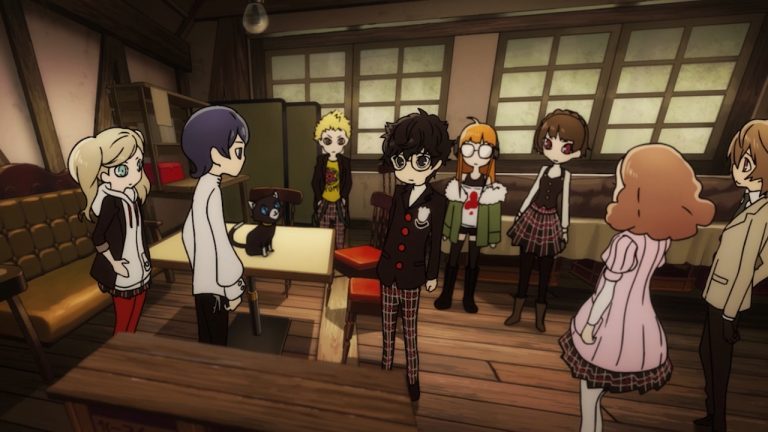
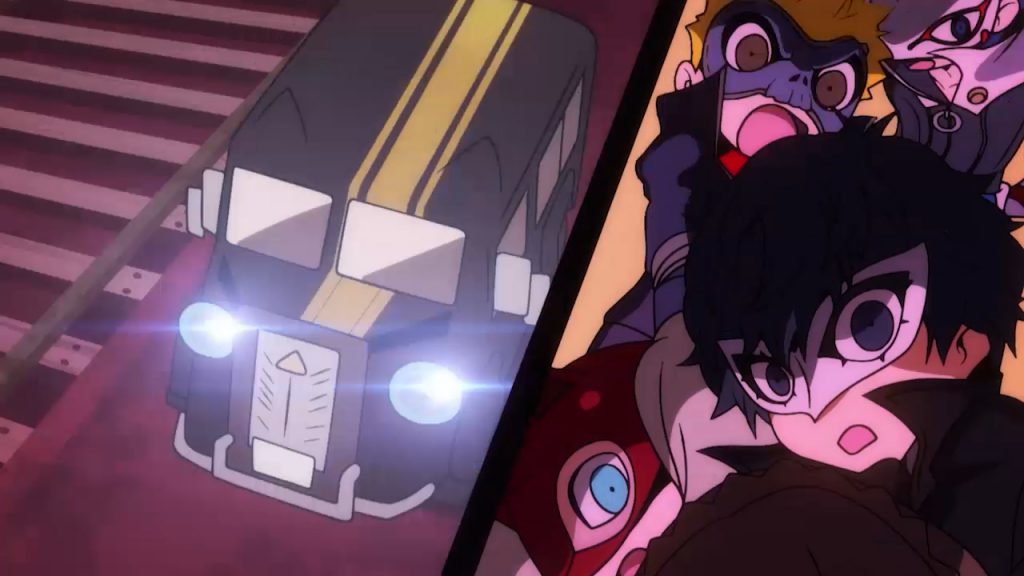
Since Persona Q2: New Cinema Labyrinth is going to focus heavily on the Persona 5 cast Atlus USA has released a new trailer that introduces every member of the cast, showing a little bit of their abilities in battle, and a sampling of how they will sound with the Japanese dub. While not focused on in this video, Persona Q2: New Cinema Labyrinth will feature characters from Persona 3 as well as Persona 4 though it is worth noting that the heroine from Persona 3 Portable is said to have the biggest role of all the characters in the game.
You can check out the video below and keep an eye out for Persona Q2: New Cinema Labyrinth when it is released on the 3DS in North America and Europe on June 4th.
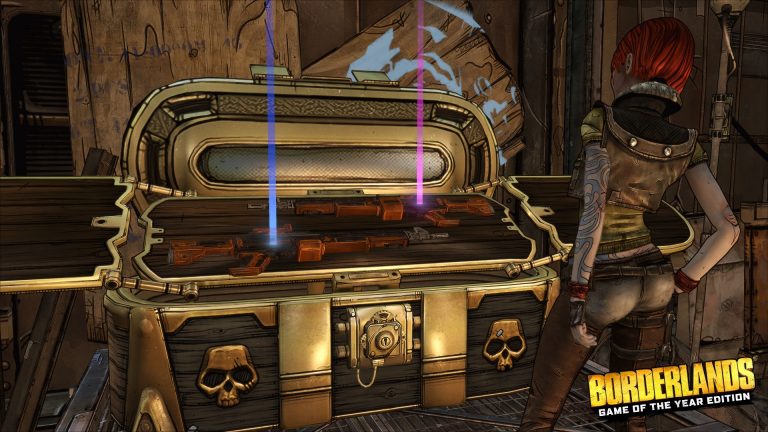
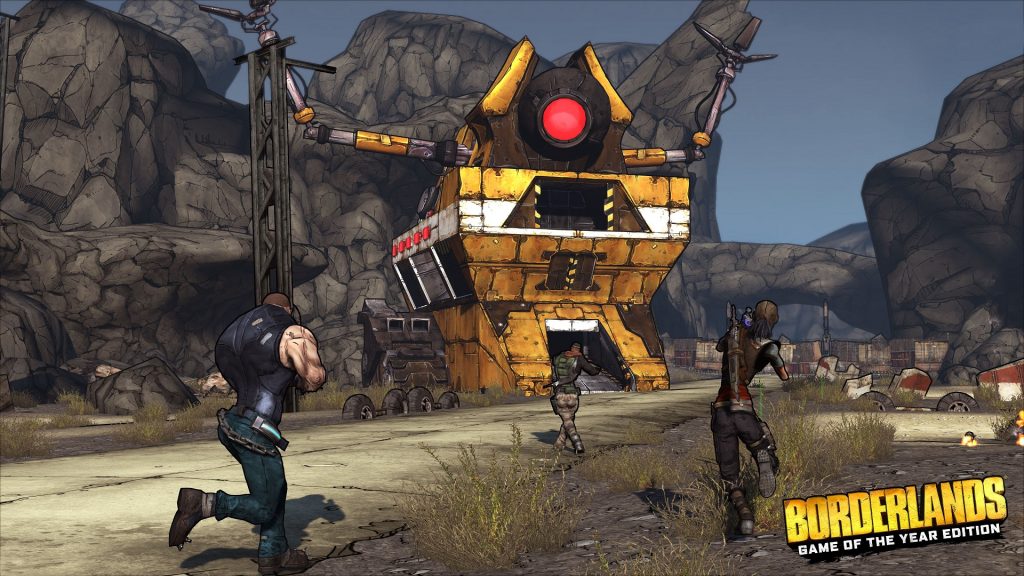
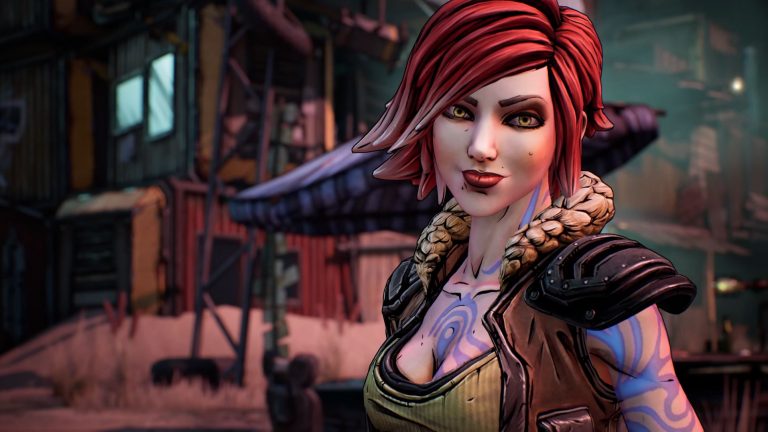
Those who may never have played the original game in the Borderlands series will soon have a new chance to as 2K Games and Gearbox have revealed that Borderlands: Game of the Year Editionwill be getting released next week on April 3rd where it will be available for the PlayStation 4, Xbox One, and PC.
This announcement follows the earlier reveal of Borderlands 3 and is going to be the perfect chance for people to re-discover, or perhaps discover for the first time, how the “shlooter” series began. Borderlands: Game of the Year Edition will contain a substantial visual upgrade, numerous quality of life improvements, brand new weapons, all DLC that was originally released for the game, and more.
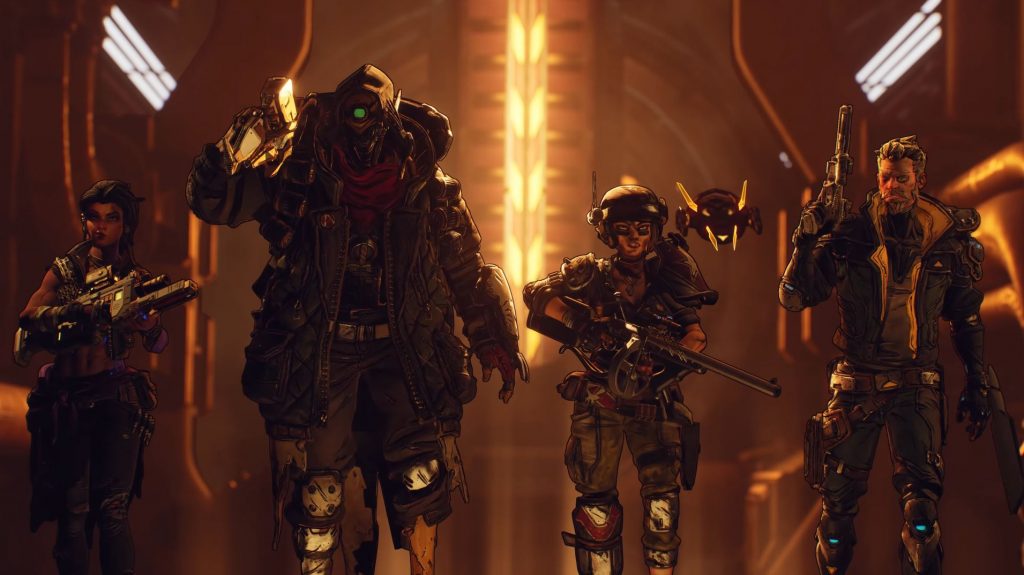
In what has been a long time coming Gearbox has officially announced that Borderlands 3 is on the way with a decently sized reveal trailer that gives us a look at many familiar faces, including those from Tales from the Borderlands, as well as a glimpse at the four new playable characters that will be introduced in this game.
In the video, found below, we see some of these characters’ abilities being shown off as well as a number of the crazy weapon types that will appear in the game, one of them being a gun with legs of all things. Gearbox and 2K are expected to announce more information for the game on April 3rd as currently no release window nor platforms have been confirmed.
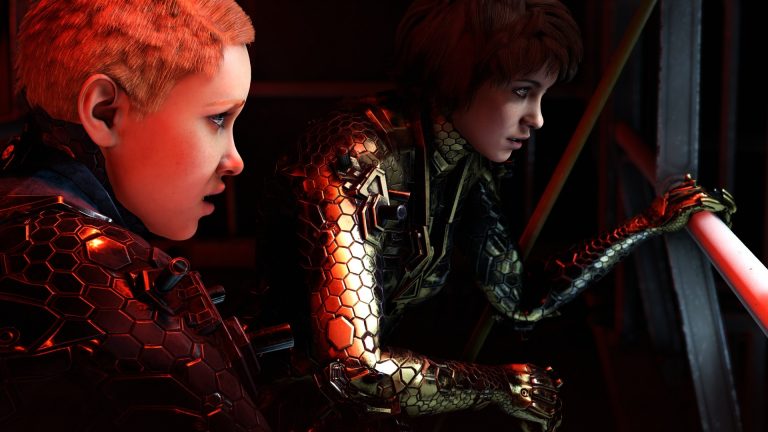
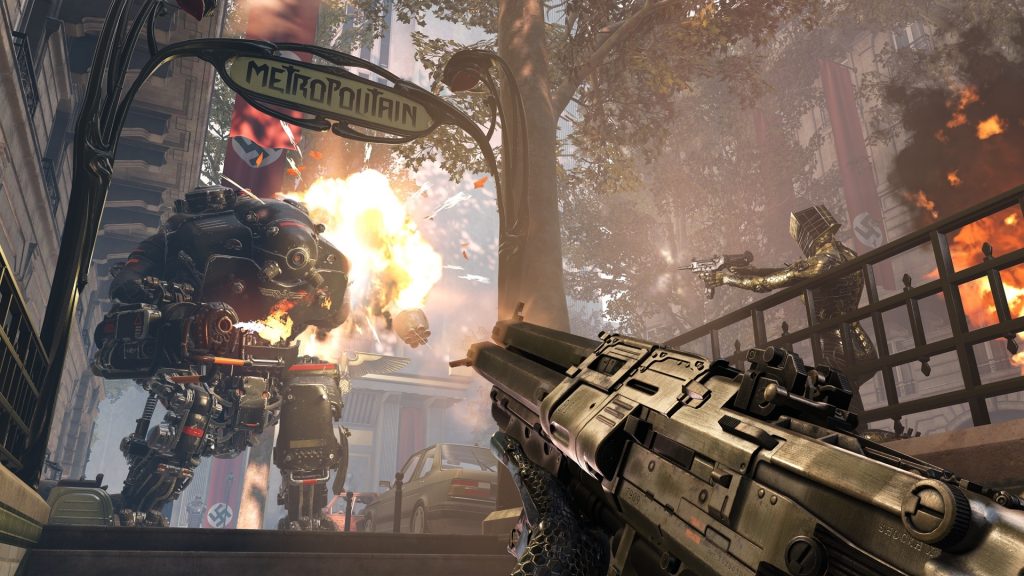
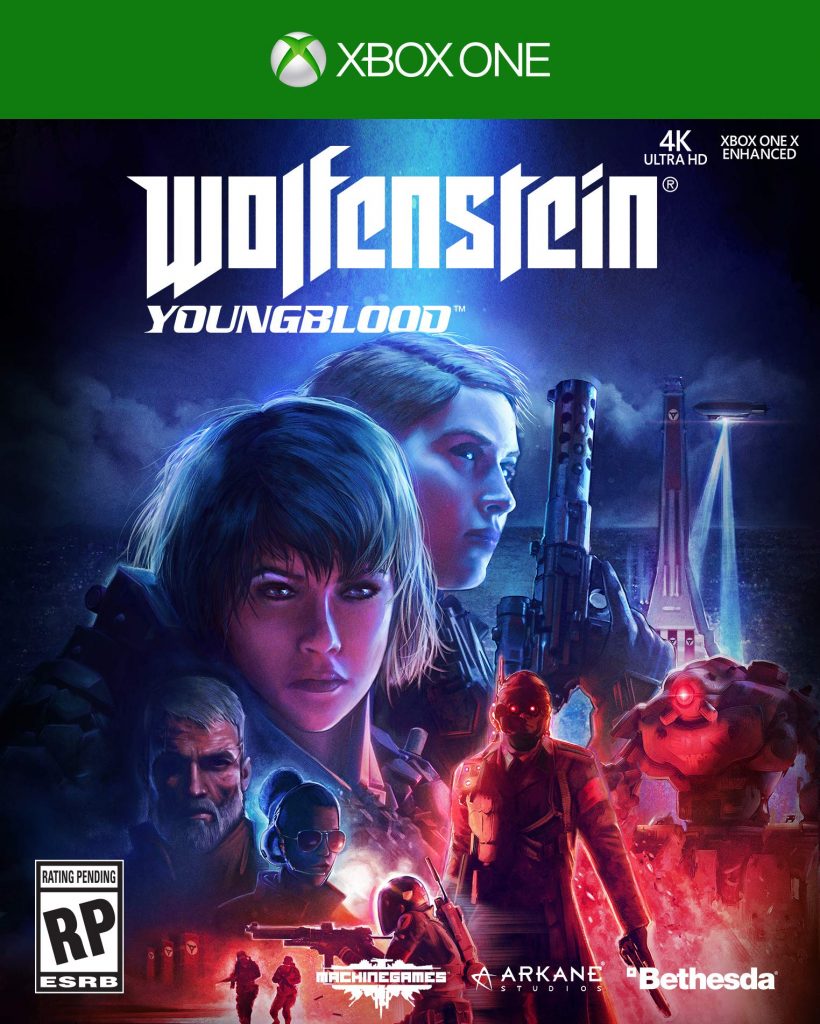
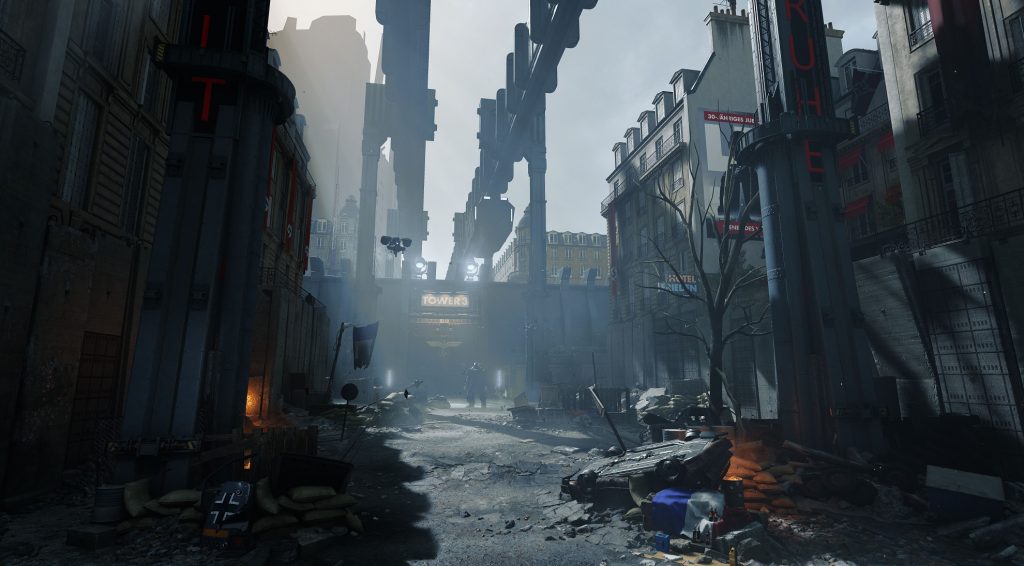
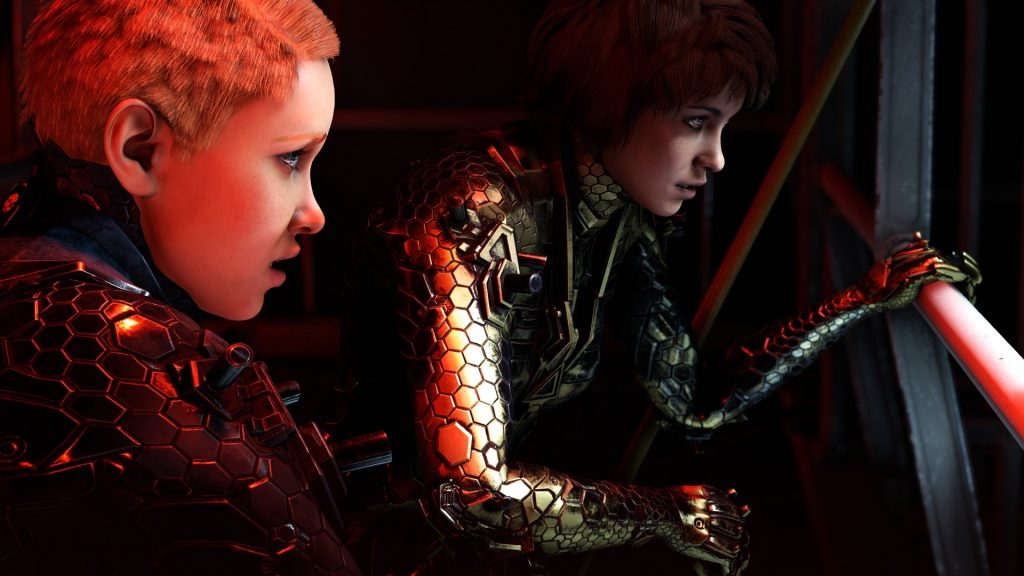
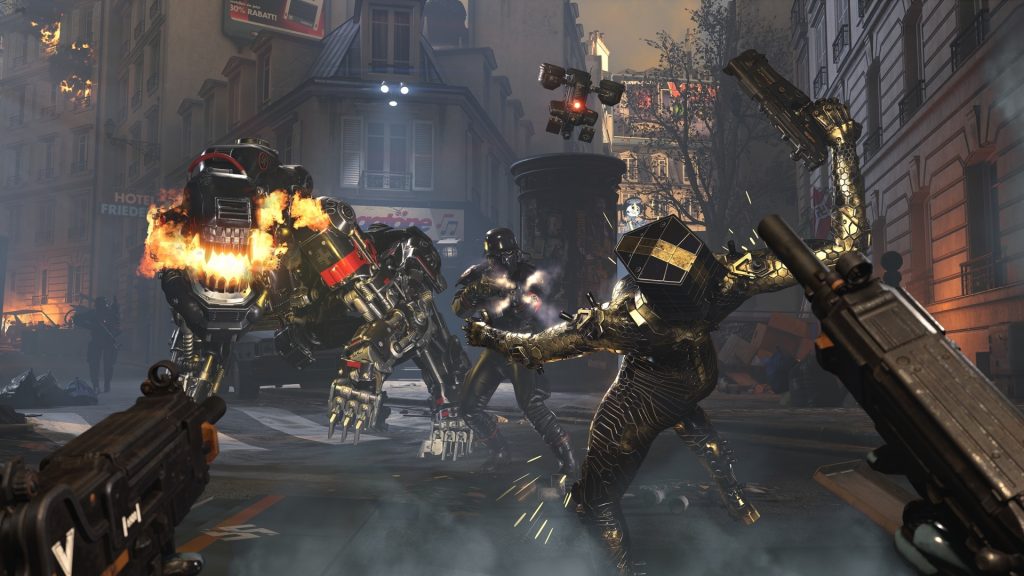
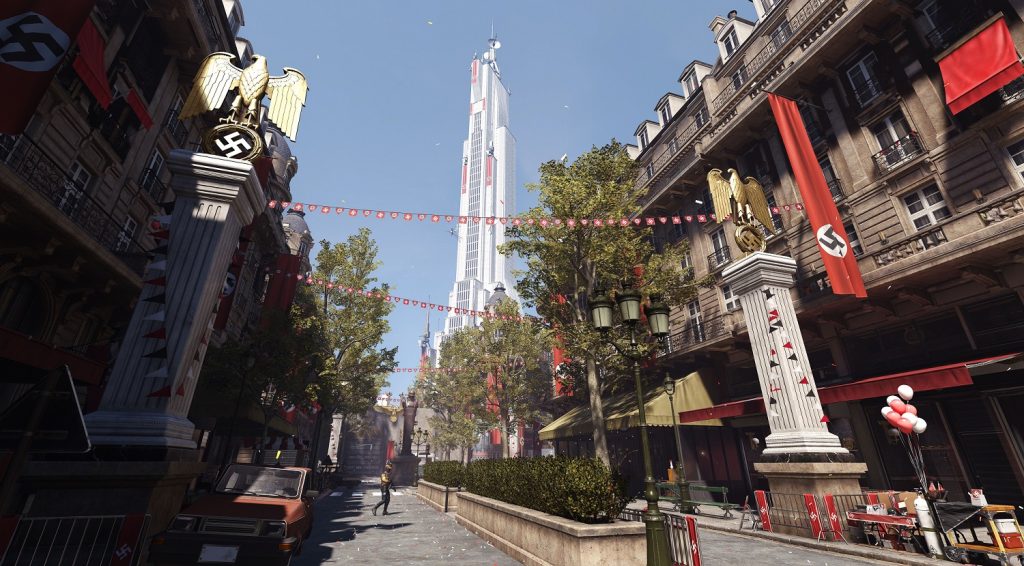
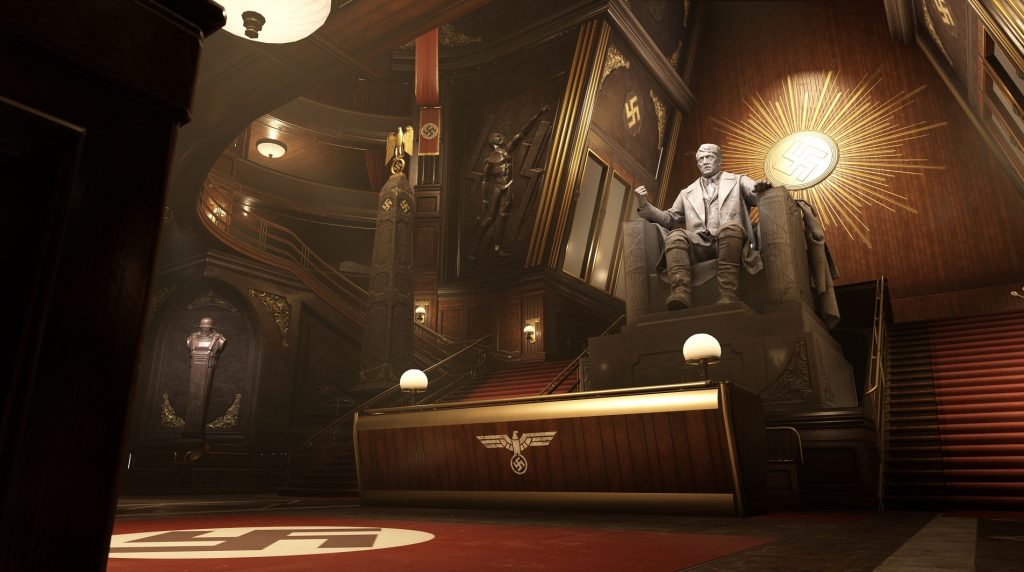
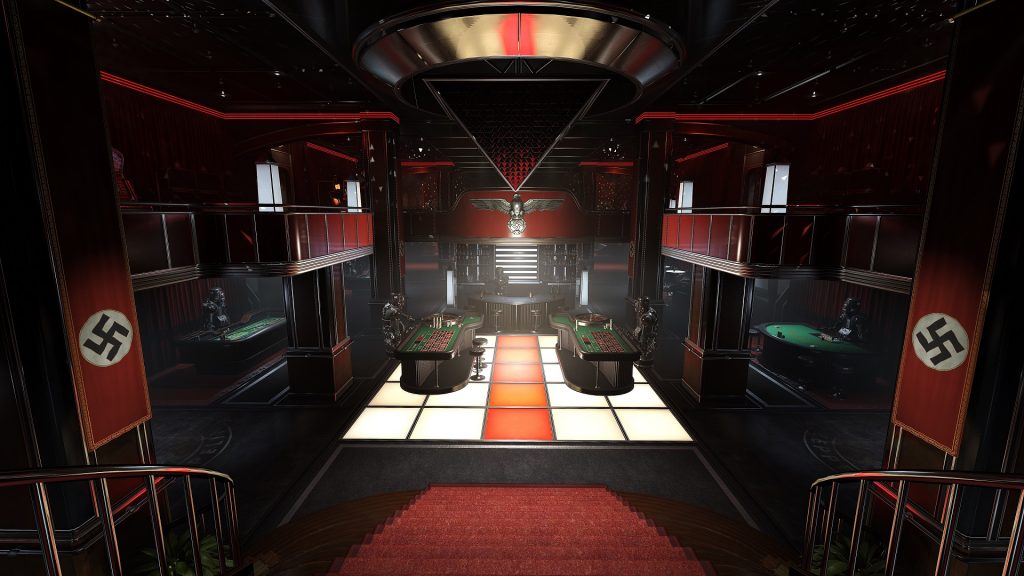
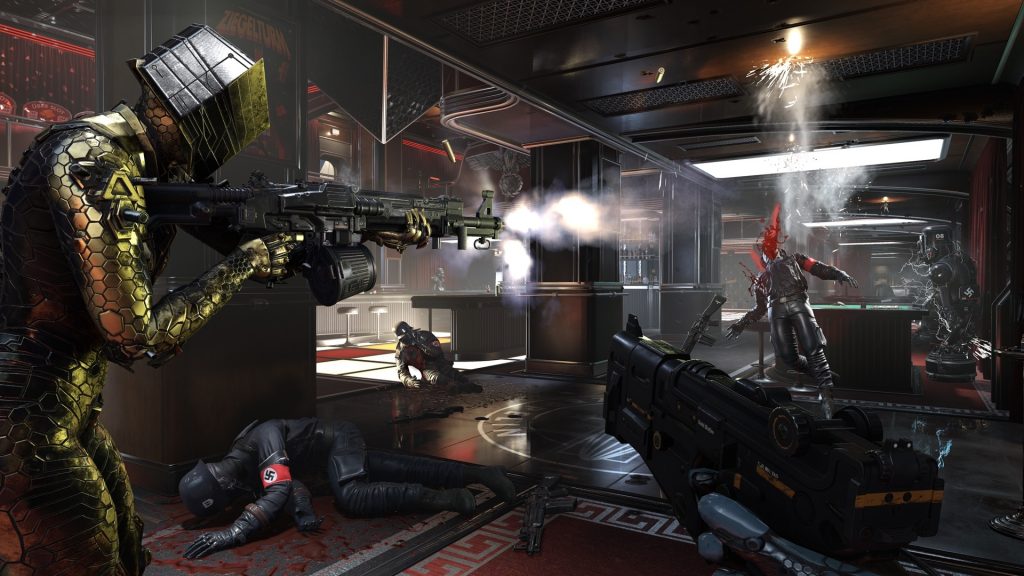
After being announced last year we haven’t heard much about Wolfenstein: Youngblood but it looks like we now have a release date as Bethesda and Machine Games have announced that the game will be arriving on July 26th. To go along with this announcement the company also revealed that alongside the previously confirmed PlayStation 4, Xbox One, and PC platforms that the game will also be heading to the Switch on the same day.
Wolfenstein: Youngblood is set nineteen years after the events of the second game and BJ Blazkowicz, hero of the second American Revolution, is missing. After spending years training and receiving guidance from their father, Jess and Soph are forced into action as they team up with a new cast of freedom fighters and brave the unsettling sights and sounds of twisted, alternate reality 1980s Paris.
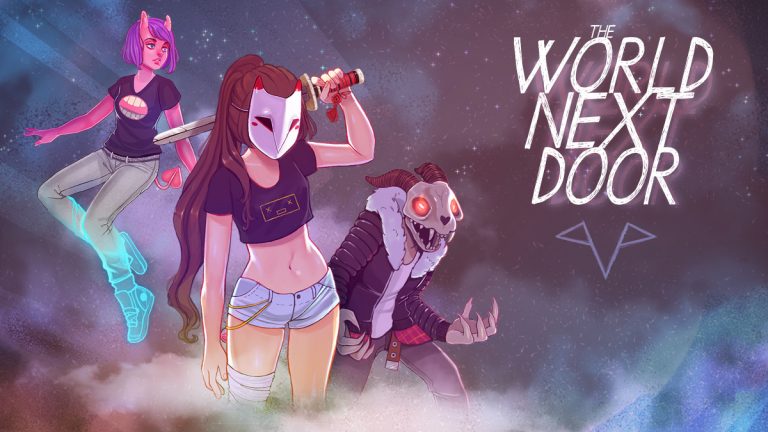
When someone hears the name Viz Media they tend to think of the numerous manga and anime that the company has published in North America over the years. Now it seems that the company is looking to expand a bit as they have partnered with Rose City Games to bring out an indie title named The World Next Door. Blending match-3 style combat and some visual novel story scenes, is this title worth your time?
Story
It is interesting to note that The World Next Door does have a short prologue comic and while reading it isn’t really required to understand the game it does provide players with some initial context before diving into the game. In The World Next Door the Earth has a parallel dimension that it is connected to by portals that open up roughly every twenty years and connect it to an alternate realm known as Emrys where magic is a reality and numerous races of all kinds live their lives. While in the past it is described that war had previously raged anytime these portals opened now these two realms see this as a chance to connect with one another in harmony.
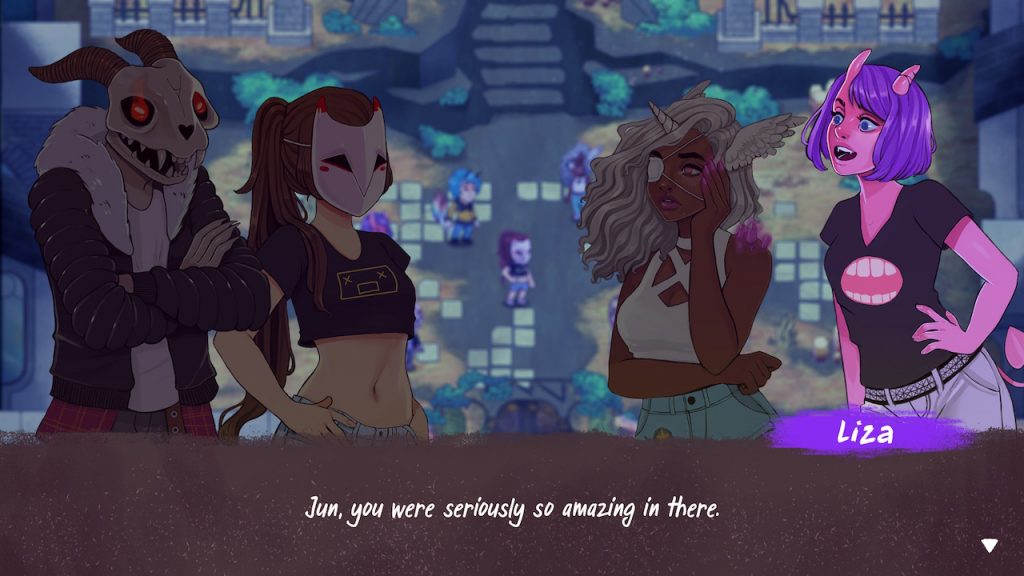
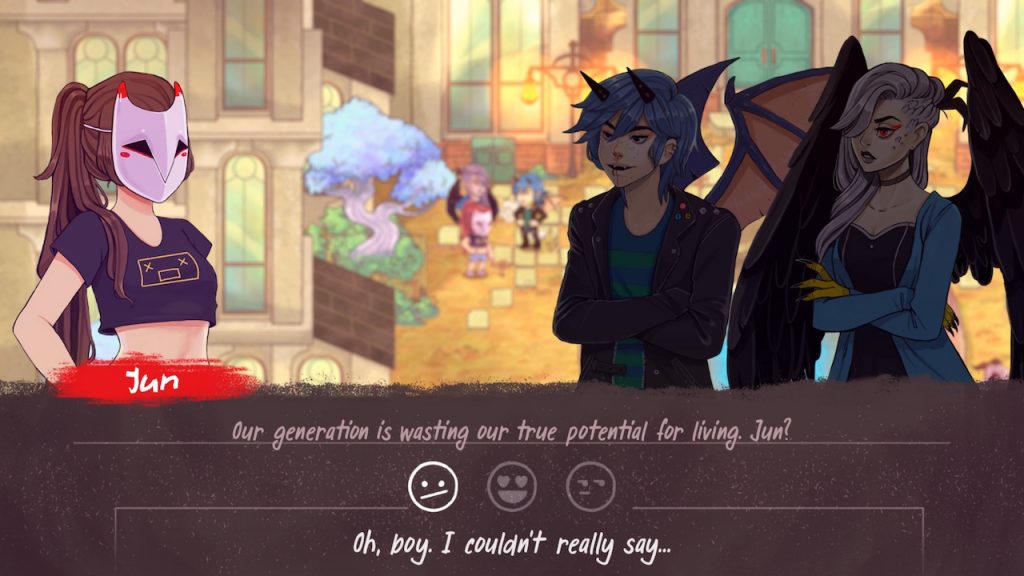
So much in fact that there is a lottery held to select various humans to travel between realms because so many people want to interact with the other side. Jun just so happens to be one of these lucky lottery winners and she is overjoyed with the fact that she can meet with her internet friend Liza and explore the world of Emrys for a day. Unfortunately after meeting many of Liza’s friends and doing a bit of illegal spelunking Jun ends up trapped on Emrys after the portal to Earth closes. Trapped with no way home, Jun, Liza, and the rest of the group must discover a way to get Jun back home as the magical realm of Emrys apparently will kill a normal human if exposed to it for too long.
The World Next Door doesn’t hesitate when it comes to throwing a number of new and interesting pieces of lore and characters at the player but what it does have an issue with is actually turning these things into more than barebones groundwork. Throughout the game players are introduced to a number of Liza’s friends as well as a few other members of her social circle but over our time with them we end up learning very little about any of them. What makes this more disappointing is the fact that the game offers a number of seemingly important social interactions with these characters. Many of them will have limited time quests that involve tracking down an item, answering a series of questions, or tackling a number of difficult puzzles or battles in a row to possibly bond with them.
Along those same lines players are informed that they can only text a number of characters at the start of a given day but other than seeing a few extra lines of text that generally play out the same for every character, actually fulfilling all of these conditions does nothing to really develop them any more than what they were introduced as. In fact even the lore aspects of how certain characters are part spirit or dragon is left by the wayside other than an explanation for their overall design.
This leaves players with a story that rarely moves beyond its own premise of attempting to get Jun home. Various events do occur that put the player and their friends at risk but so many plot points are just left hanging by the time the credits role, other than stinging the player with one resolution in credit artwork, that players will feel like there is just so much more to actually offer in The World Next Door than what they were given, especially since so many events and circumstances are left completely unexplained.
Gameplay
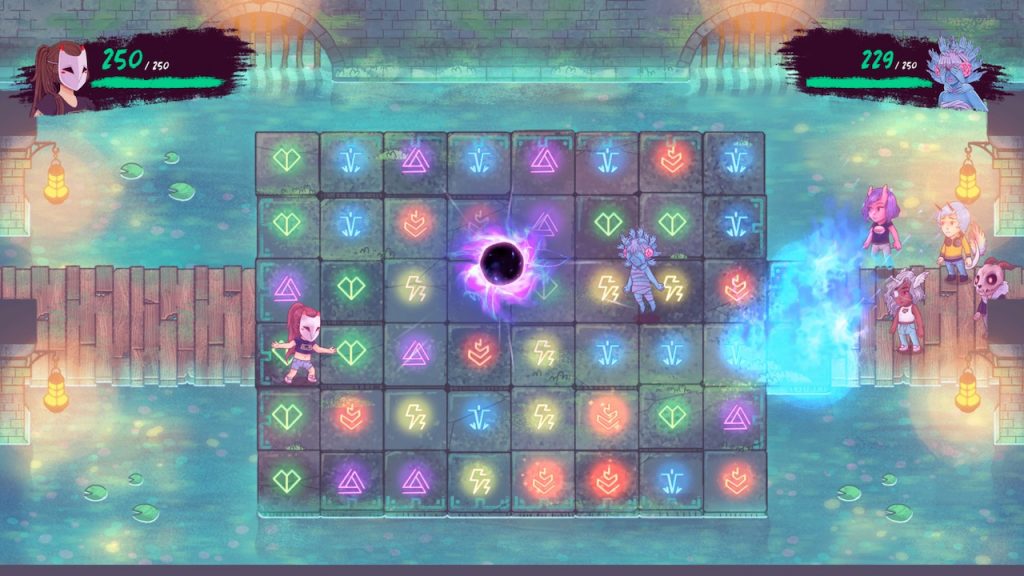
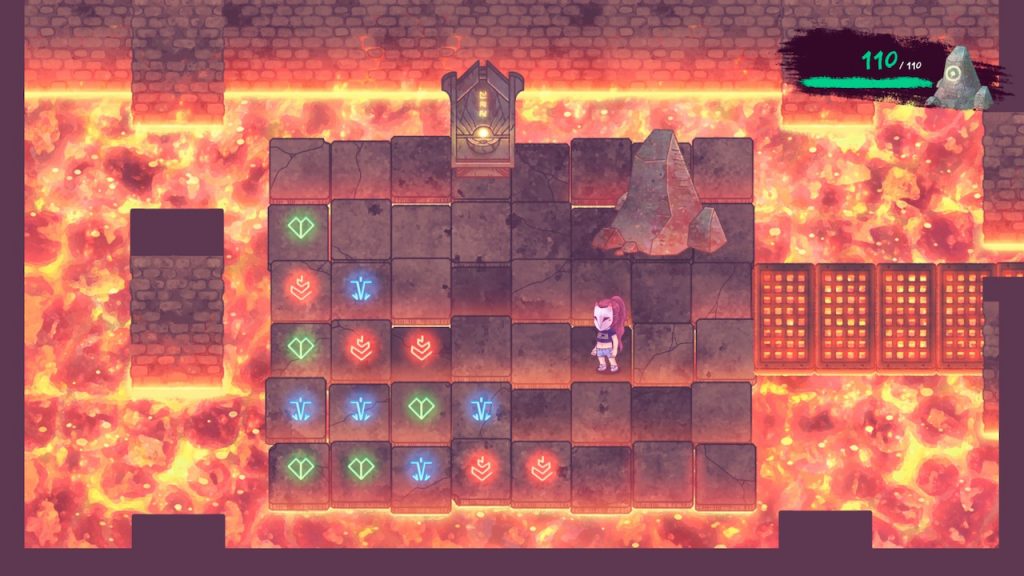
Most of your time in The World Next Door is spent traveling through shrines and fighting against enemies called Grievances using magical powers. Even as a human Jun is capable of wielding magic that is derived from runic glyphs that appear from the floor. Jun has the ability to move one rune at a time to any other place on a stage and any set of three can be activated to trigger a magical spell, with the more runes in a combination allowing for a more powerful version of that spell. There happens to be a healing spell accompanied by a number of offensive ones that cast fireballs, slow moving black holes, direct strikes, and stunning floor shocking spells.
Casting a spell next to an already prepared collection of runes will temporarily boost the power of that spell as well, allowing players to tie together a series of powerful attacks to fend off foes if they need them. Using more than three runes in a spell also spawns a special rune that can be formed into a special design to call upon the help of your friends. Each friend has a different spell and powerful spell that can be used to devastate the enemy and you gain access to more designs as you advance through the story.
That being said, if you are looking for a real challenge then The World Next Door really doesn’t offer too much of one. Most enemies choose simply to bum rush Jun in an attempt to deal damage while others can cast spells from a distance but simply dashing out of the way of these attacks are an easy enough affair. While exploring dungeons there are also numerous healing wells that will fully restore health lost between battles but these will rarely be needed unless you end up in a bad way at the end of a previous fight though this generally should only happen near the end of the game once a few more tactical foes start appearing.
Boss battles do change things up slightly as most bosses can trigger various stage effects that either remove ruins that have been placed on the ground, temporarily block the use of all runes, or throw down stage hazards that must be avoided. Even here though most of these battles don’t end up being too difficult but there is an “easy” mode that makes it so Jun is invulnerable to all damage if you end up having trouble with the game.
Outside of fighting players will generally just be finding various objects scattered throughout the world and solving puzzles, though for what reason is unknown. Various side quests can be obtained from talking to various NPCs in town or finding items inside of a shrine but other than a few bits of extra dialogue most of them only reward the player with an item that has no real purpose and an explanation that doesn’t really add anything to the lore. Even completing optional puzzle challenges reward the player with items that seem like they will play a role somewhere down the line end up having no use.
Visuals & Audio
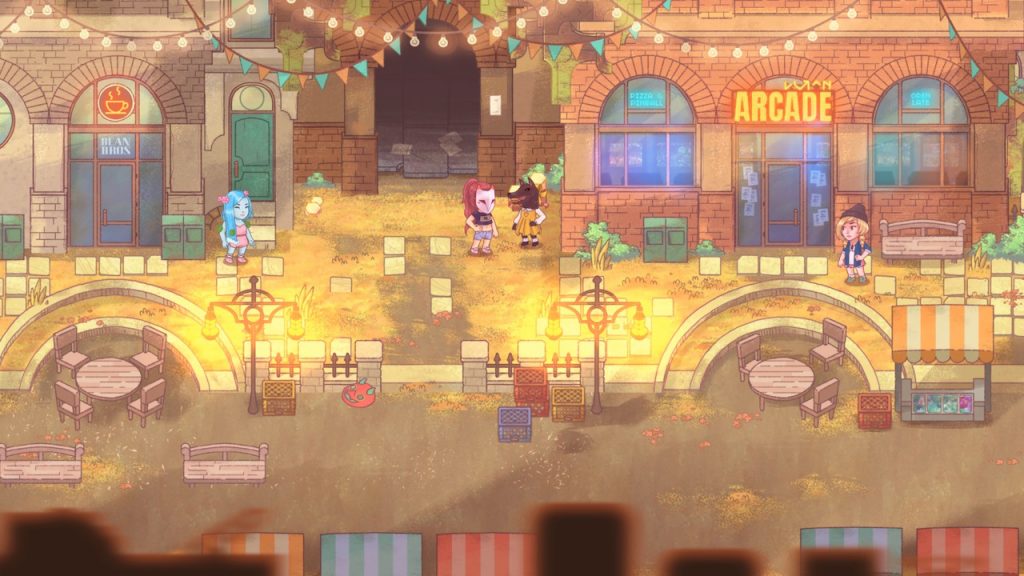
One of the best elements of The World Next Door are the designs of the game’s characters. Jun features a fairly standard human design but the use of the mask is nicely handled and the various magical beings of Emrys are quite varied in species with some unique designs mixed in with the group. The standard enemy designs are fairly basic in nature though the boss designs are nicely detailed though the designs of the shrines are as generic as they come. The same can unfortunately be said about the limited areas players can explore in the base city as there are only four screens to be seen here.
It is interesting to note that the game only features one voiced character while the rest of the cast is simply given gibberish voice work. The spoken character is simply a television reporter that players can interact with between missions. The soundtrack does feature a nice little array of background music but nothing that stands out in any noticeable way.
Overall
The World Next Door may be a solid title but it also is one that feels like it is half baked. The world of Emrys is an interesting place to see and is filled with a colorful cast of characters that we only get to interact so much with while the lore is barely tapped into during the game’s short run time. Numerous plot points feel like they are left by the wayside in what ends up being a rather short title that feels like it could have been so much more. Instead we find ourselves a game with solid enough match-3 combat that is a bit on the easy side and a storyline that, while set in an interesting world filled with characters begging to be given more time, is cut short.
Capsule Computers review guidelines can be found here.