



Marvel’s Wolverine
Developer: Insomniac Games
Publisher: Sony
Platform: PlayStation 5 (Reviewed)
Release Date: Available Now
Price: $69.99 USD – Available Here
Overview
When it comes to super hero games, there were many hit and miss titles throughout the years as they were generally tied into rushed movie tie-ins. In fact, the last time we saw a Wolverine game was to help push X-Men Origins: Wolverine movie back in 2009. Since then though movie tie-ins have died off and super hero games have thrived as a result, seeing countless exceptional games released over the past decade and now one of the best developers has had their hand on bringing Logan back in all his rage-filled glory. After a few successful Spiderman games, Insomniac Games has been challenged to deliver a satisfying action game with a far different hero beneath the cowl in Marvel’s Wolverine and while it manages to deliver in most aspects, it falls short in others.
Story
Set in a different world from what many fans know, Marvel’s Wolverine starts off with Logan living as a near feral beast in the Canadian wilderness only to be discovered by a psychic mutant that offers him a hand and a place to belong. Thirty years later, we find that Logan, Wolverine, has been part of this man’s team since. Team X as they are called have spent decades trying to find and protect mutants that would be hunted down by others simply because they were different and while they have lost allies along the way, the last major loss made Wolverine leave the team. It isn’t until he learns that the leader of the organization and the man that saved him, Nathaniel Essex, has been taken captive by human-supremacist tech billionaire Bolivar Trask, that he returns to the team consisting of Mystique and Sabretooth to rescue him.
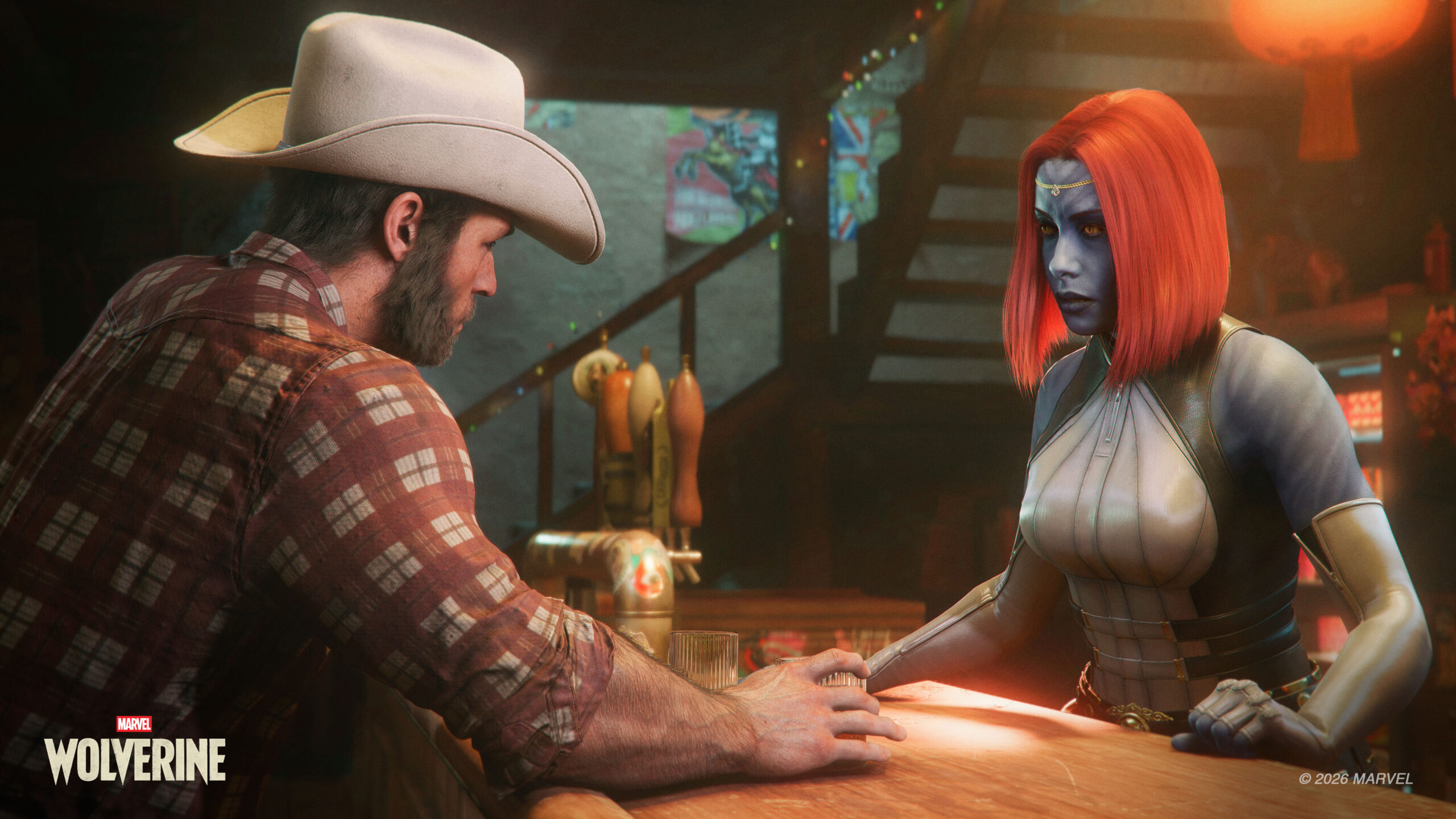
Upon taking down Trask’s forces and learning that he is working on something far more sinister than simply kidnapping the leader of the mutant protectors, Wolverine and the rest of Team X start looking for answers and soon stumble upon a group of other mutants living in hiding, including Jean Gray, only for them to be captured by the Reavers hired by Trask and brought to his facility. In an effort to save these mutants Wolverine soon learns that not only is the fate of mutant kind at risk, but the danger spans far beyond Trask and involves even the enigmatic Hand.
Marvel’s Wolverine is a bit of an… interesting take on everyone’s favorite raging ball of claws. Insomniac plays with the player’s expectations by having Essex and Team X replace what many would expect to be Professor Xavier and the X-Men while also tempering and tamping down the general simmering anger that always is below Logan’s surface. It’s an odd move and one that clashes often with how he acts from moment to moment but it does let him show a bit more emotional depth when something sad happens, even if it doesn’t fit the character. Similarly, Logan’s interactions with most other characters such as Sabretooth are a far cry from anything longtime fans of the character will recognize, though at least how he handles Jean Gray and Mystique are familiar.

While we won’t go into anything here, it is worth noting that the overarching storyline of Marvel’s Wolverine is not only extremely predictable from the moment players see who Essex is but largely unimpressive. Watching Wolverine and Team X battle through Trask’s security forces, the Reavers, the Hand, and so on are all familiar beats that anyone familiar with mutant storylines have seen countless times before and even late game “twists” are telegraphed so far in advance that it makes me wonder if they were meant to be predictable or trying to lampshade a reveal for newcomers to Wolverine in his entirety. Even the final boss and cliffhanging “stinger” are as predictable as they come, making the title far more enjoyable perhaps for someone completely unfamiliar with Wolverine or the X-Men in general.
It doesn’t help that the game is entirely linear to the point that narrative collectables are unmissable but also feel like an afterthought. Notes and voice logs provide a bit of background to some character actions but they are, as said before, predictable. Whiskey bottles in stages can give little memories about Logan’s past with Team X but are mostly flavor text, and even the “Nightmare Doors” that make players complete a challenge to unlock part of Logan’s buried memories are given the bare minimum of presentation. Showing a carved object significant to the memory as Wolverine narrates it against a blank screen. Despite their importance to the story, the presentation is terrible, making us wonder if there were supposed to be cutscenes at some point that instead were left on the cutting room floor. One nice thing that is worth noting is that players with a keen eye will often catch plenty of references to other mutants through objects in the environment during slow moments in the story which is a nice touch.
Gameplay
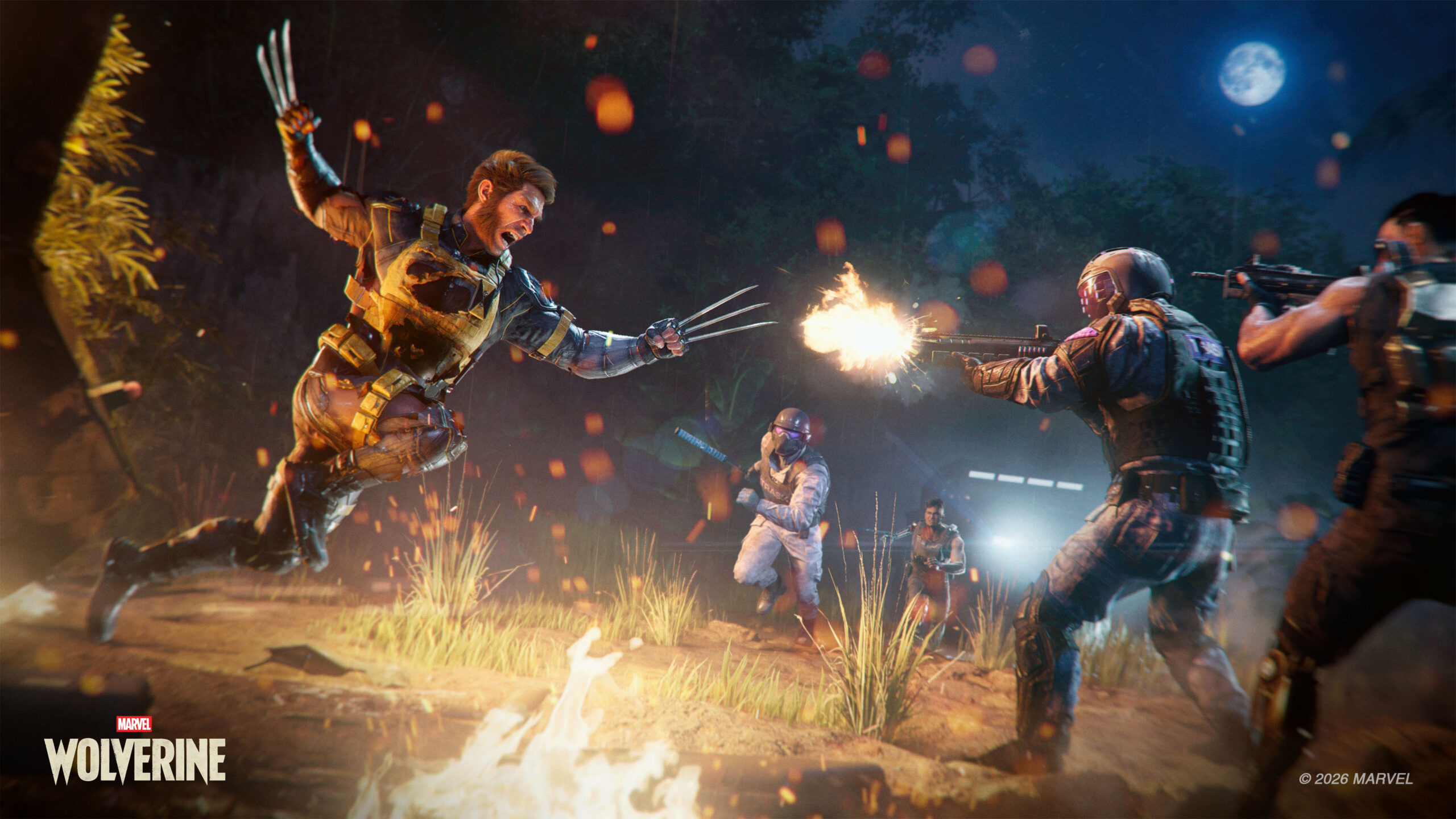
When it comes to combat Marvel’s Wolverine is as straightforward as a brawler action game can be. Quite literally in fact. Combat is fast and fluid with players being able to chain together powerful light attacks into heavy finishers, kick enemies to break blocks or send them into hazards or off ledges, pounce at enemies marked at a distance to tear apart at them, all without missing a beat and absorbing any damage coming Wolverine’s way. As one would expect, Wolverine will regenerate health slowly throughout a battle unless enemies have deployed “mutant inhibitor” devices nearby which prevent his healing from activating. Alongside standard combo strings players can parry enemy attacks to stun them, letting Wolverine unleash a barrage of stabs and an execution on them, yellow critical attacks that when parried can insta-kill the attacker, and red unblockable attacks that must be dodged.
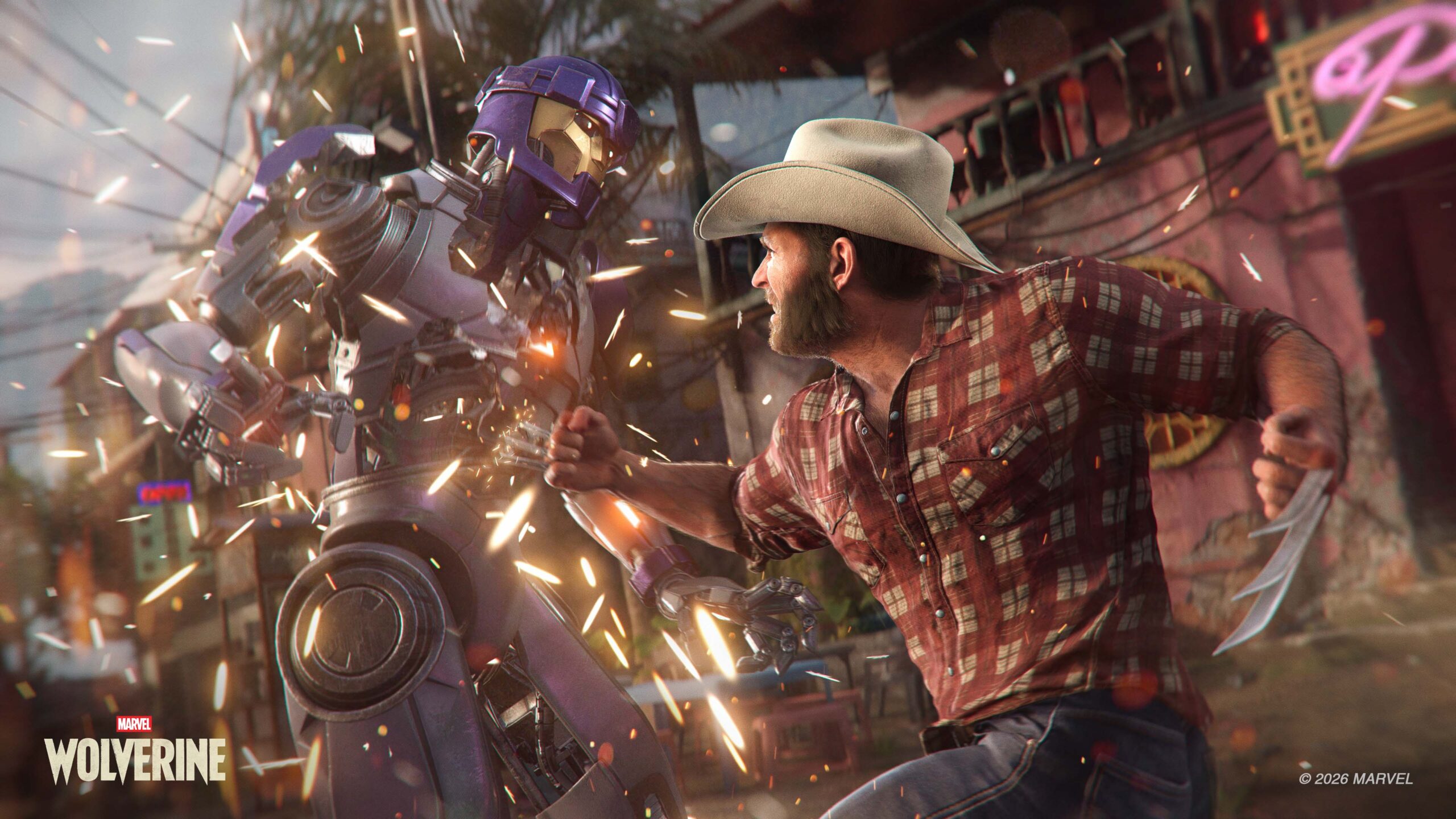
As players progress through the game they will level up and gain various skill points in a very generic list of abilities that range from passives to active abilities with active abilities having a cooldown. These can range from a spinning claw attack that devastates foes in an area around Wolverine and shatters guards when fully upgraded to hyper-focusing his healing factor for a moment of time, restoring his health rapidly during a fight. Other elements include things such as increased stealth take down range and the like, but stealth never feels like it is properly handled here, even if he can see enemy movements by following their steps or heartbeat. Wolverine’s stealth kills are about as subtle as a piercing scream and tend to reveal his location, especially long-distance stealth kills. Plus there’s never really an incentive to actually be stealthy, making it feel like a shoe-horned mechanic rather than anything fleshed out.
The most unique aspect of Wolverine’s brawling style is not only the aforementioned regeneration but also his rage meter. The rage meter has three different tiers, with the first tier providing slow regenertion, second tier unlocking harder hits, combo finishers, and the ability to trigger Wolverine’s “Last Stand” mode that will revive him to full health at the cost of the entire meter for a short time. Finally in the third rage state Wolverine enters his berserker state, plunging the world into darkness and red bodies where he deals massive damage to enemies and can often trigger one hit kills that can be chained together into a brutal and visceral slaughter that’ll leave the area stained red with blood and severed limbs when battle ends.
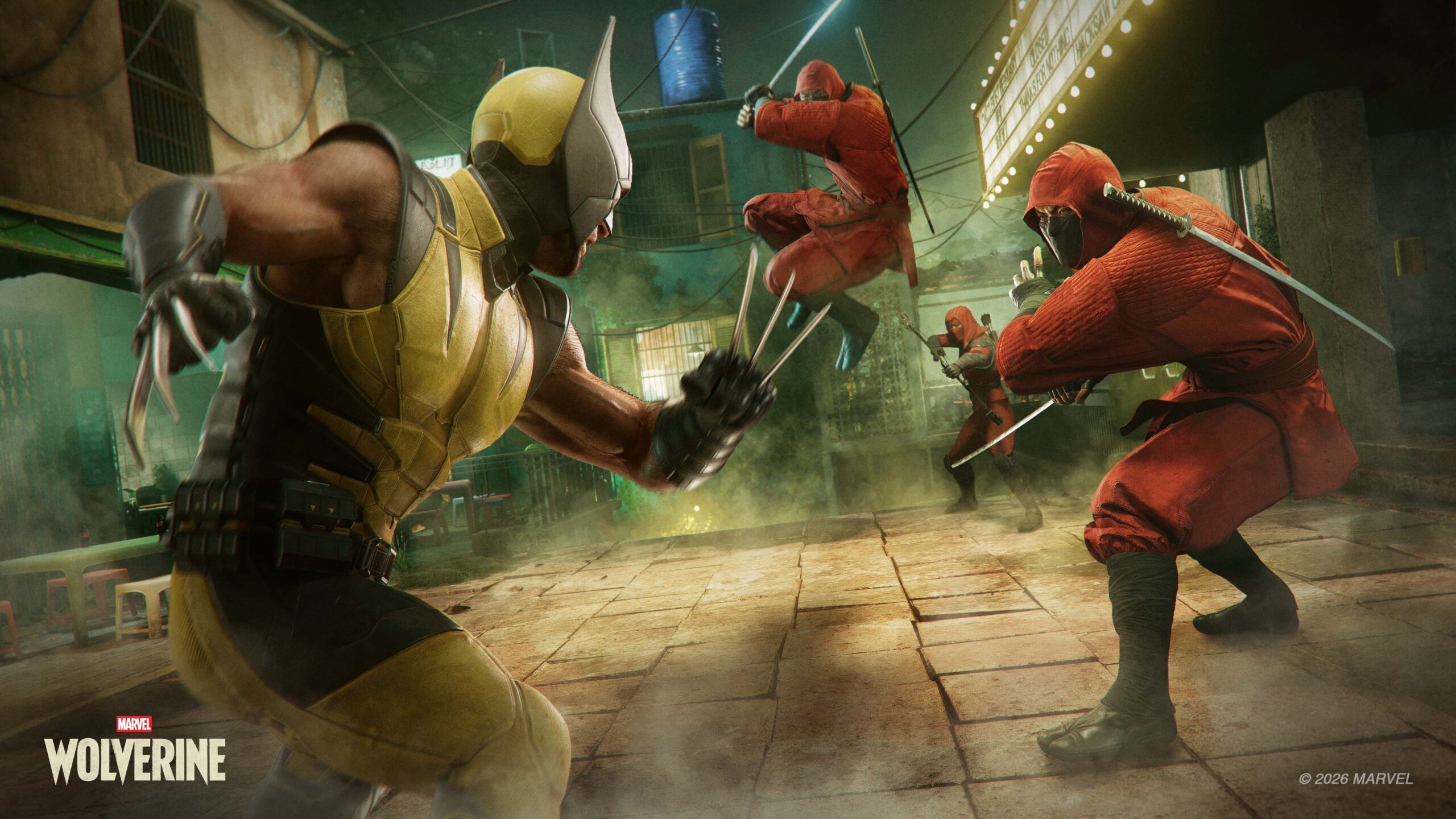
Various other gimmicks come into play as well such as sinking his claws into fire and turning them into “Hot Claws” that deal more damage for a short time, having Wolverine’s max health reduced while he’s impaled by a weapon, and things like that to try and keep things feeling a little fresh but for the most part once players have seen most of what Wolverine’s fighting style consists of in the first few hours, that’s pretty much exactly how he will fight for the rest of the game. It is also worth noting that any time a “quick time event” is displayed either in combat against a boss or during traversal, there is literally no timer or even fail state. Players can ignore the event or press an entirely different button and succeed either way, making them glorified pauses to try and add superficial immersion.
Thankfully, at least for the most part, the boss battles are absolutely exceptional throughout Marvel’s Wolverine and are often quite the challenge. While we won’t spoil who players will be facing off against, despite their predictable nature, these multi-stage boss fights and gimmicks are a blast to fight against and make Wolverine’s combat feel like it is actually impactful most of the time. That is with one exception being a giant enemy boss that ends up making use of the same tired formula of all giant enemies in video games, swinging its arms down to attack only to leave them there to be sliced up and repeating the process until it dies.
Despite being an entirely linear experience, Insomniac Games has taken an extremely patronizing approach with players here. While many elements of “assistance” can be turned off, players will find that they are often guided to their next objective with a direct line, often down a straight hallway, while Wolverine repeats what he should do next if the player happens to look around a little. In fact, every major collectable has a notification of some kind. Whiskey bottles will develop their own glowing scent lines when the player is close, leading them slightly off the proper path, chests containing outfit materials beep and radiate giant glowing blue circles, and the aforementioned Nightmare doors that provide players with challenges to unlock Wolverine’s memories are literally guided to with purple roots springing up from the ground and guiding players to them. Even traversal is as simple as can be thanks to the fact that any way forward is marked with white paint, cloth, or even flashing lights making it impossible to get lost or even make players feel like exploring a little.
Visuals & Audio
It must be said that Insomniac Games has crafted an absolutely gorgeous game here with Marvel’s Wolverine, showing some of the most gruesome looking combat that fans of Wolverine can expect. Not only does Wolverine suffer physical damage from incoming attacks that shred his suit in places or tear open his flesh and expose the adamantium skeleton beneath but his claws will slice through enemies in similar fashion. Enemies will have their uniforms destroyed in devastating combos before being finished off with a brutal stab to the face, neck, or straight up being decapitated or having their arms sliced clean off. When Wolverine enters his full rage mode is where things take an even more stylish gruesome tone with the screen turning black and white minus the red enemies Wolverine will execute using instant kill moves that are his most brutal.
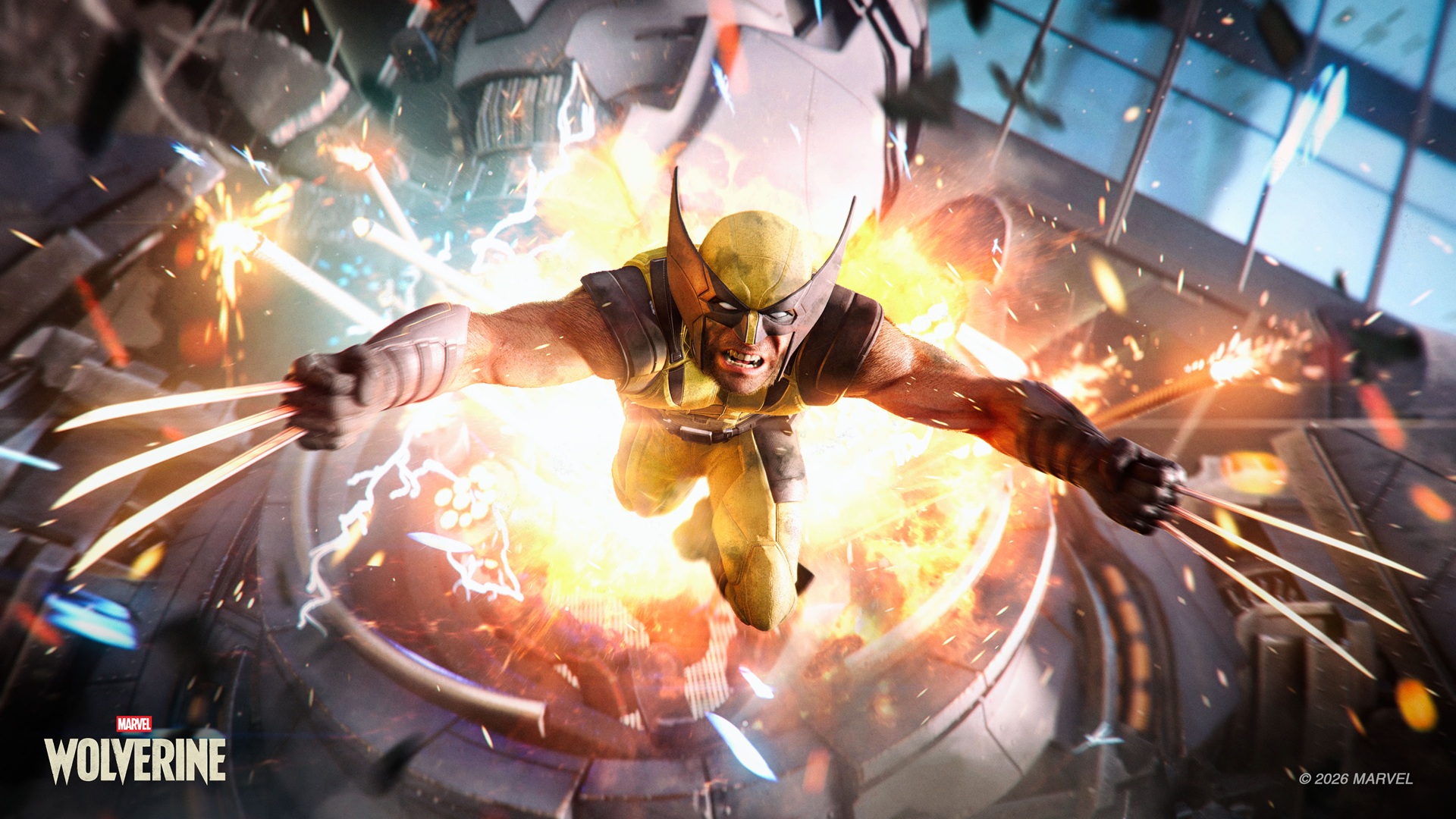
The cutscenes themselves and character models are also extremely impressive looking and players can choose to have Wolverine’s cowl up or down to better see his reactions in some scenes if they so wish. It’s also nice to note that there are a large collection of outfits and uniforms that Logan can wear during missions and all of these are destructible to varying degrees and happen to look great, minus the cel-shaded cartoonish ones that instead look incredibly out of place.
The voice work throughout the game is handled exceptionally well by the English voice cast with the new actor handling Wolverine’s voice fitting the character quite well, including his signature “bub” lines being mixed in here and there. As for the soundtrack the game features some impressive background music throughout the title including some special music for boss fights and there is even a streamer mode for those who want to stream the game to others.
Overall
Marvel’s Wolverine is a bombastic brawler that is as brutal as they come and is easily the best Wolverine game that we have seen hit the market, delivering visceral combat and a gorgeous presentation all in one package. Unfortunately despite how good the actual combat feels and the impressive visuals, the storyline itself is as predictable as possible and has been done before for anyone familiar with the X-Men storylines. Combine that with the lack of replayability and just how basic some elements outside of the combat are, and Marvel’s Wolverine finds itself lacking in many regards, though it still delivers the type of action that fans of the character love.
Capsule Computers review guidelines can be found here.

