


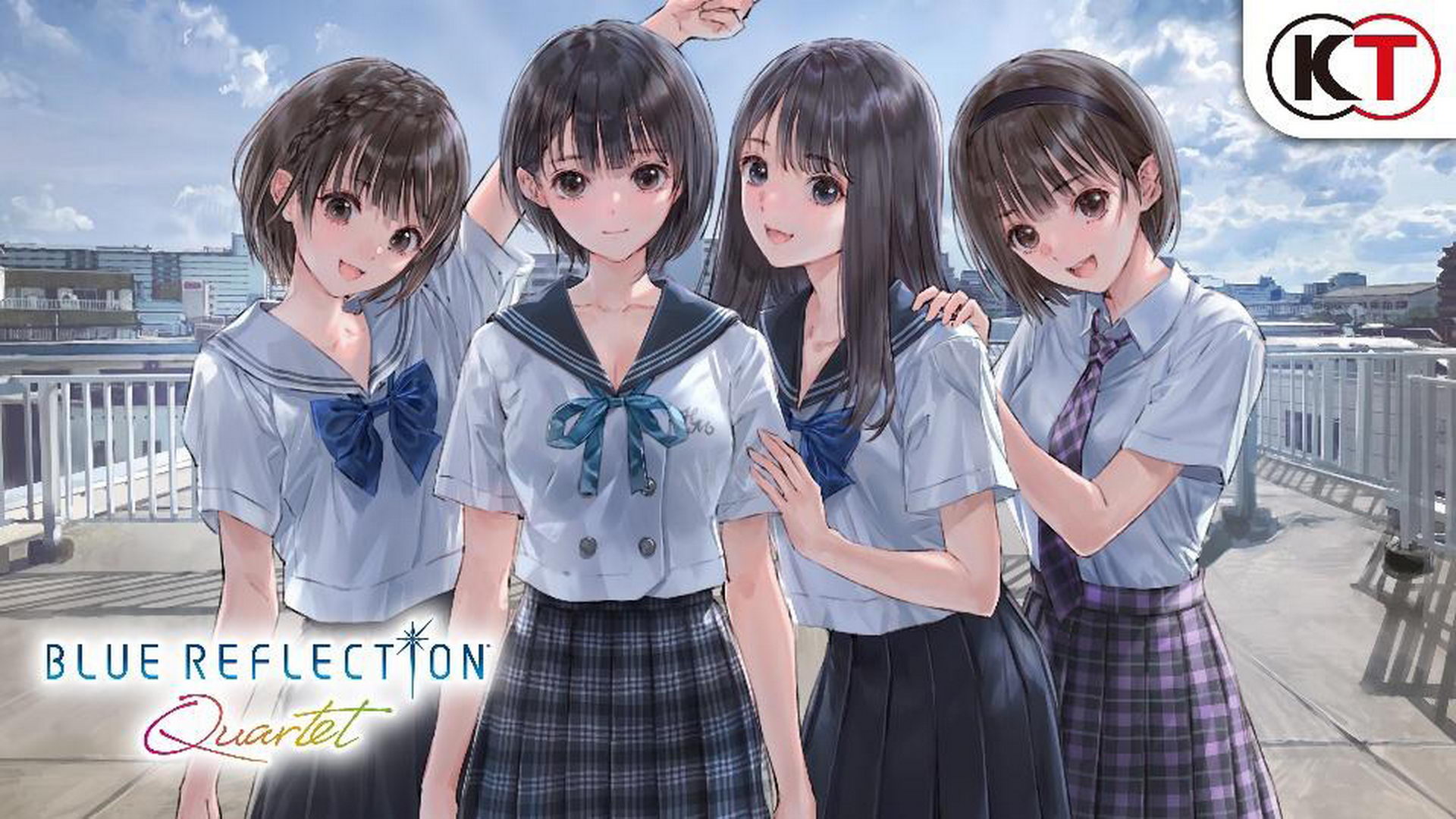
Blue Reflection Quartet
Developer: Gust
Publisher: Koei Tecmo
Platforms: PlayStation 5 (Reviewed), PC, Switch, Switch 2
Release Date: Available Now
Price: $49.99 – Available Here
Overview
Taking a unique sounding franchise and trying to take it beyond its initial platform and attempt a multimedia effort can be exciting for fans, but rarely has it worked out and while Gust’s efforts with the Atelier franchise were better than most with two anime adaptations and a mobile gacha game that may have failed in the West but is still going strong in Japan, their other attempt hasn’t been nearly as successful. Despite releasing two solid JRPGs with Blue Reflection and Blue Reflection: Second Light, the anime Blue Reflection Ray was poorly received and the mobile gacha game Blue Reflection Sun barely lasted a year before being “end of serviced.”
In an attempt to recoup some of these lost rays of light Koei Tecmo and Gust have gathered all four games together into one modified package in the form of Blue Reflection Quartet, bringing all titles in a single package with modifications across the board, both good and bad. The question is, is there anything new here for fans of the series or is this simply a newcomer only game?
Story
While not the strongest of the entire package but certainly the second simply because it not only tells an actual storyline but works to build up the entire lore of the franchise as a whole is the original Blue Reflection. Here, players take on the role of Hinako Shirai, a talented ballet dancer whose knee injury is threatening her future. Upon entering her new school term she is thrust into the mysterious “Common” and introduced to two mysterious sisters named Yuzuki and Lime who help her transform into a magical girl known as a “Reflector” and do battle with the manifested emotions and monsters that lurk within the Common.
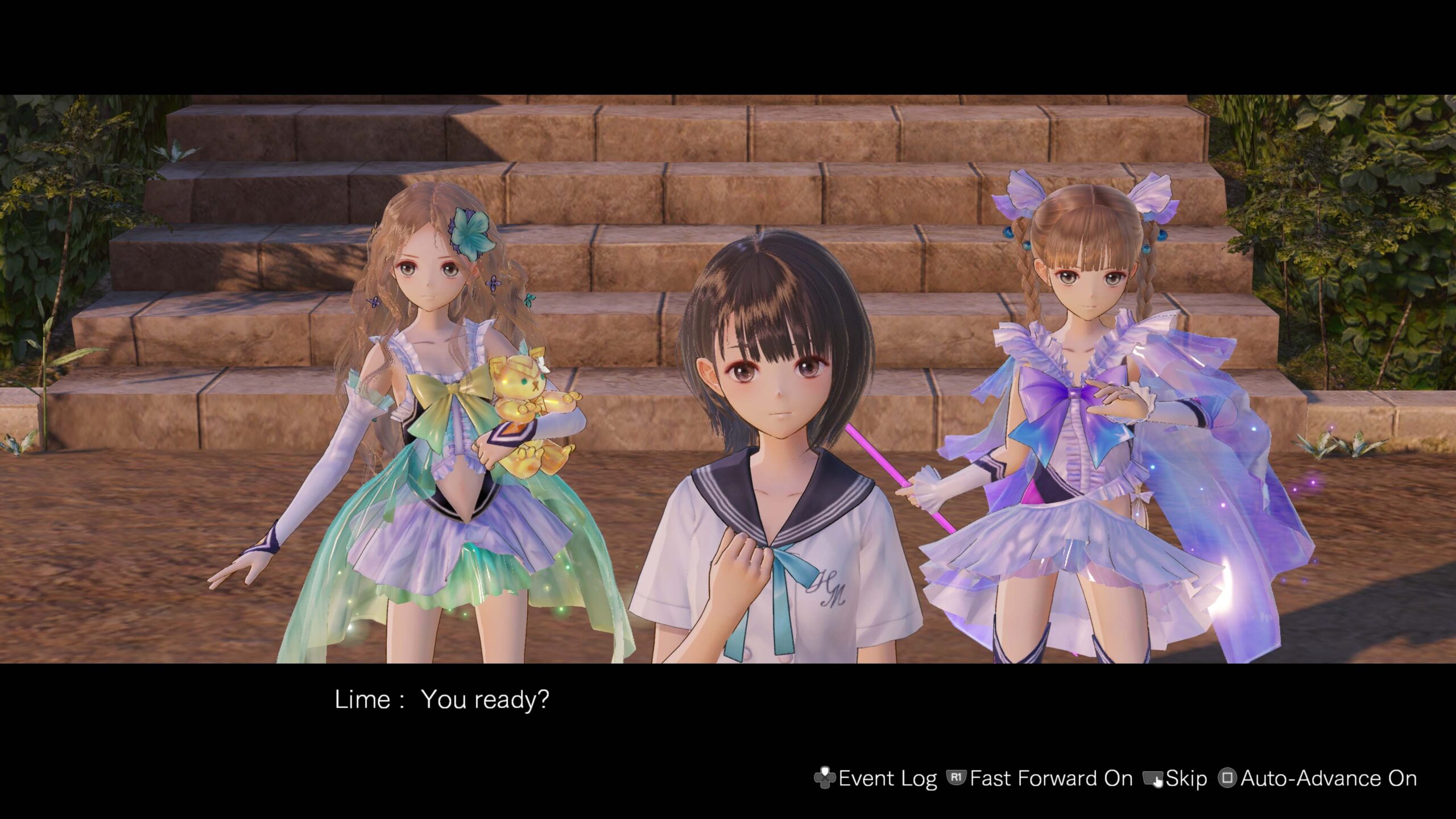
The story of the original Blue Reflection is entirely untouched which means progression is slow and steady as Hinako becomes friends with more girls in school and learns how to grow as not only a person but help those around her emotionally. The ensemble cast, which is significant in size, is quite strong here and players are given plenty of opportunity to interact with most of them even outside of school and while the narrative might not be the most exciting one around, it is heartwarming and charming nonetheless.
That leads to Blue Reflection Ray. Or at least something that the developers would like to call Blue Reflection Ray as the entire thing is as butchered and lackluster as one can possibly imagine. This version of the story follows the two Reflectors Hiori and Ruka attempting to stop Shino, another Reflector who wants to use the power of the Common to rebuild the world in her own image, even if it means destroying everyone in the process. When trying to do battle against Shino both Hiori and Ruka instantly lose and are stripped of their Fragments (the core emotional parts of every girl) and Yuzuki and Lime appear within the Common to help the pair track down these missing fragments of themselves.
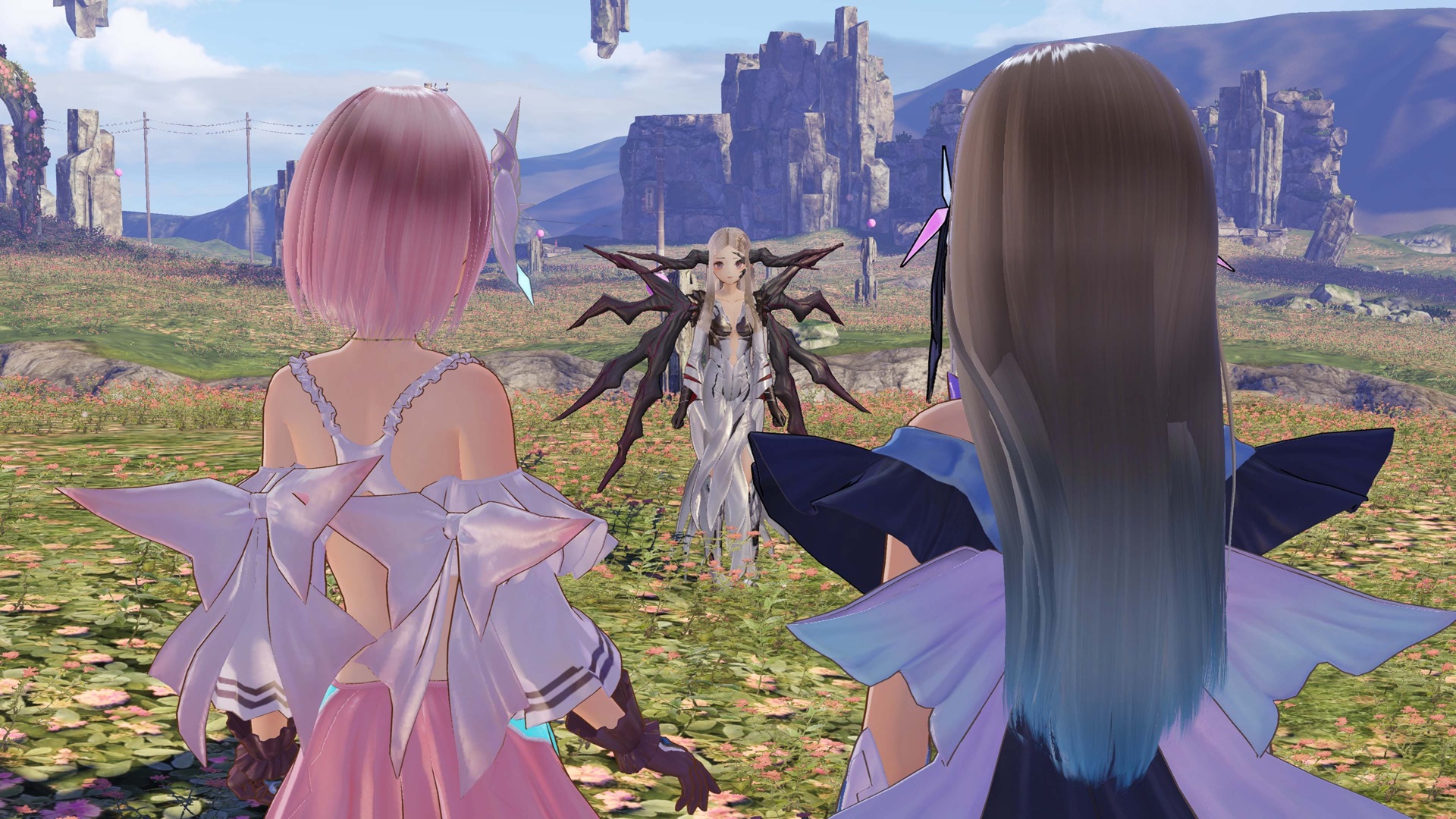
This leads to a game completely devoid of gameplay as players will simply find themselves walking along and picking up Fragments to regain their memories in an effort to stop Shino but it turns out that all of these Fragments are simply scenes being portrayed either through direct shots from the anime or re-created in-game. This entire section, even gathering the optional side Fragments that take a little longer to walk to, is barely an hour long. To make matters worse, there is barely any context to what scenes are shown and what makes them worthwhile in the end so newcomers or even those who have never seen the anime are only getting a piecemeal presentation while longtime fans that have watched the anime will find literally nothing new here.
This lackluster offer continues with Blue Reflection Sun which not only keeps the gacha’s incredibly strange addition of having a male protagonist, in a franchise that is heavily yuri leaning and all about female empowerment and leaning on one another in times of emotional distress, it also strips any agency the gacha might have once had. Here, players take on the role of the male protagonist in the Ashen World triggered by the end of the first game where those consumed by Ash either obtain special powers or transform into monsters. Special girls that are able to obtain supernatural abilities from the ash and are called the Eroded and the player is tasked with being their leader to take down the Testa that is triggering the world’s upcoming apocalypse.
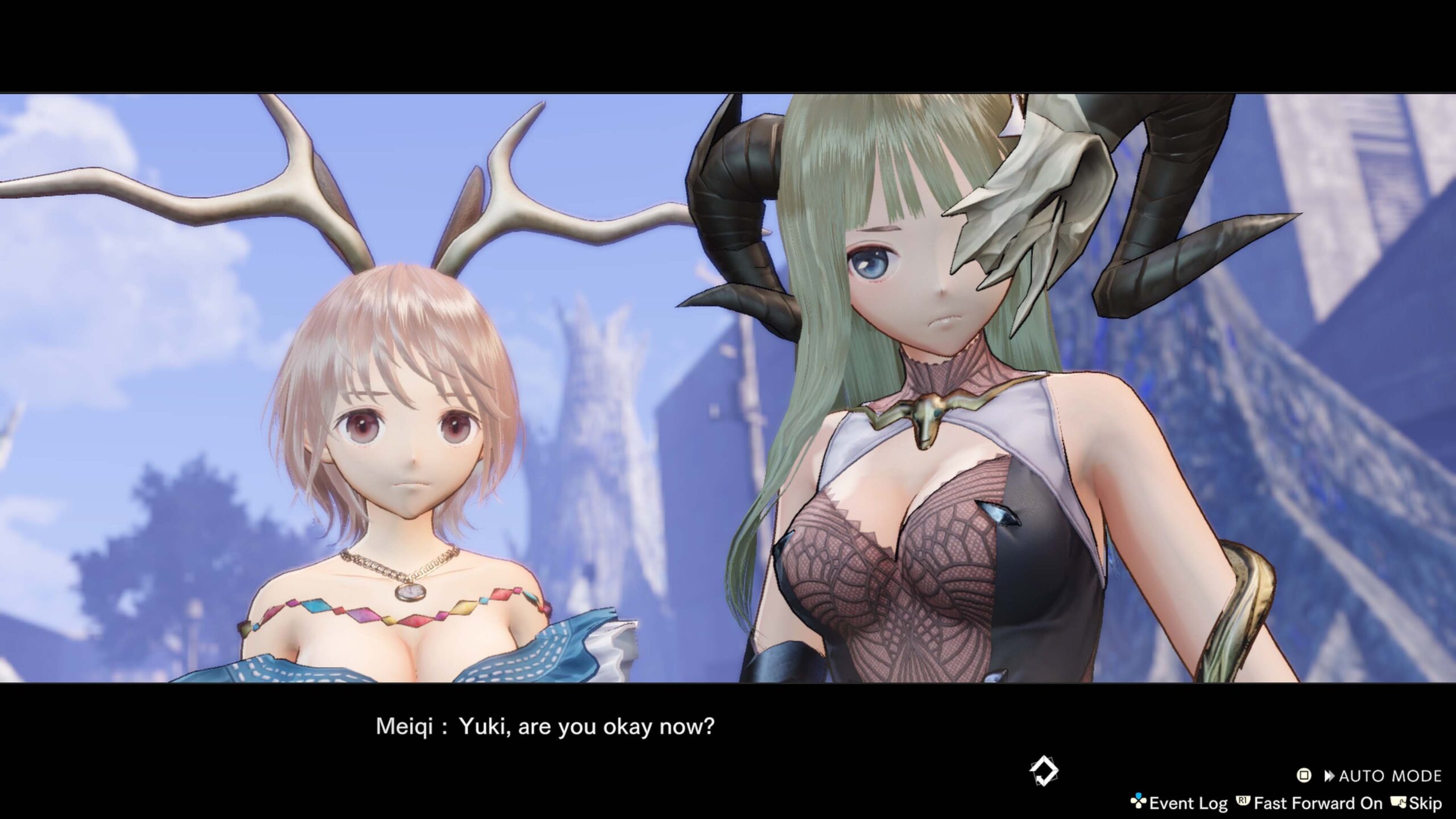
The story throughout Blue Reflection Sun is presented at a fairly rapid fire pace with players taking on missions with their chosen squad mates (gacha characters) that reveal story developments when they are completed and then given a chance to wind down at the school afterwards to interact with the girls and learn more about them, but once again most of this is surface level and incredibly lacking in how many times players actually can interact with members of the cast considering the massive amount of characters available. It is also odd that while players are meant to have dialogue choices, they do nothing and are often only given one choice. This is likely an attempt to try and maintain some gacha elements but leaves players wanting, especially since once again the overarching storyline is still lacking even with the amount of characters players will want to interact with encouraging replay.
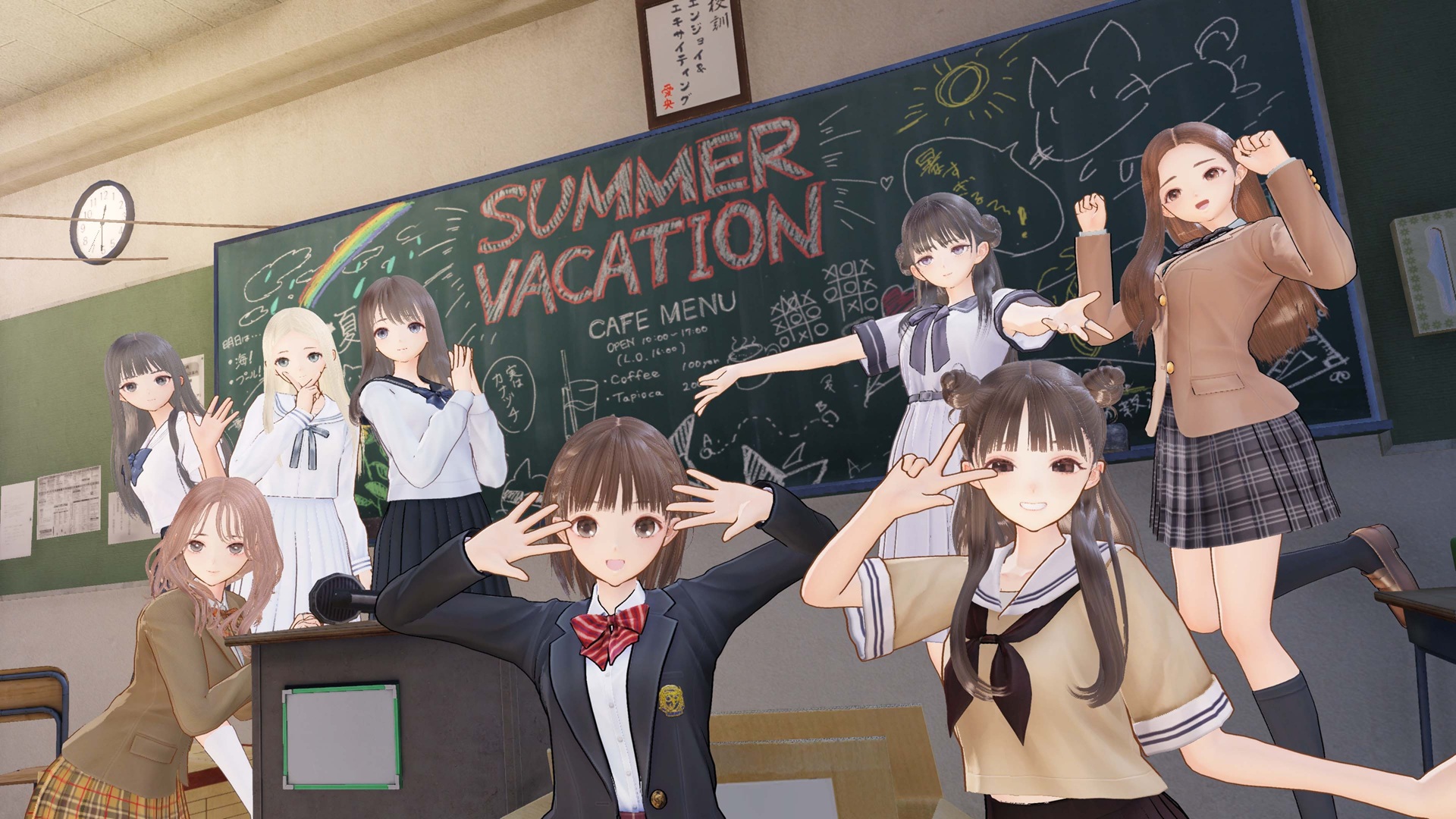
Blue Reflection: Second Light is easily the best part of the package even if it is also meant to be played “last” for the best chronological experience since some of the characters from Ray and Sun appear in the game this time as new playable party members. Here the story follows Ao Hishozaki who finds herself awakening in a mostly empty school surrounded entirely by water and only a few other girls trapped with her. Each girl has lost their memories and only by transforming into their Reflector states can they enter their “Heartscape” can the girls try and find a way to escape their isolated world. This entry offers perhaps the best story of each of the games so far and is truly a shining example of what Gust is capable of when they put their minds to it, it’s just a shame that this comes together in such a limited package.
Gameplay
First and foremost it is worth noting that a few quality of life improvements have been made across both Blue Reflection and Blue Reflection: Second Light, with Sun receiving them as a side-effect. Players can now increase the speed at which battle moves in both games, up to double the battle flow in the turn-based combat, as well as increase how quickly the characters can run while exploring either the Common or the Heartscape. This is a wonderful addition for longtime fans and newcomers alike as some battles begin to drag against normal enemies, especially since, unless a side-mission objective requires slaying a certain amount of enemy types or players want to craft a specific item, there are no real rewards for defeating foes in any of the games other than drops as character growth is handled by interactions and choices, with the exception of Sun that simply levels units up like an on-rails RPG.
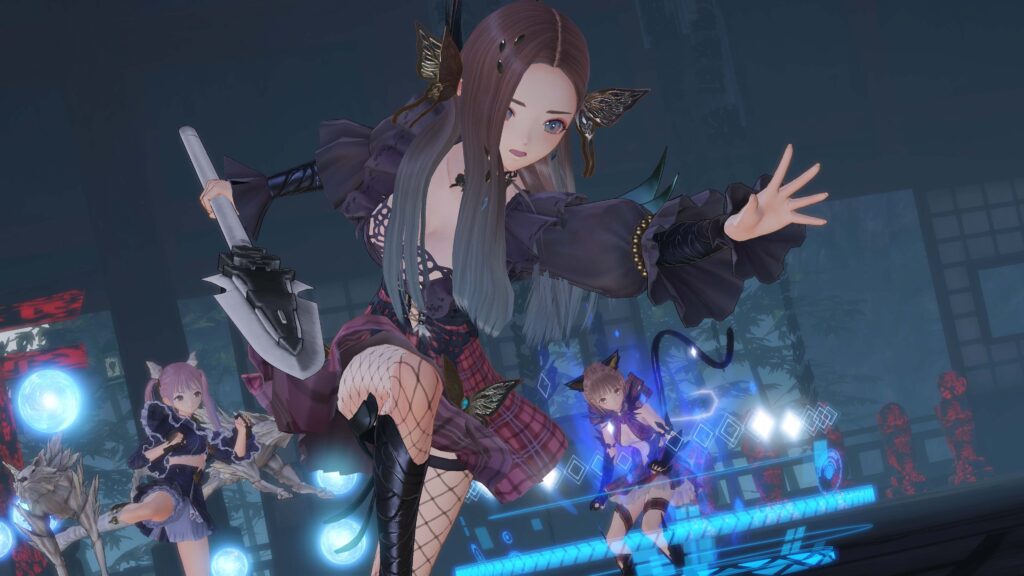
Combat in the original Blue Reflection is incredibly basic and, as mentioned, uses a turn-based system that will see the player’s three girl team taking turns on an ever-moving meter. Using some skills can trigger “knockback” on enemies and delay their turn a bit but using a flashier attack can also delay the character’s next attack significantly. Unlocking abilities is done through growth points and general levels after applying said points and there can be some real busted builds players can put together but the title is hardly challenging. If anything it is a small blessing that the faster battle speed was included. It is worth noting that boss battles are more challenging especially since they also offer “assists” where girls that have befriended Hinako will either attack, buff, or heal alongside the character when attacking.
As mentioned before, Blue Reflection Ray offers little more than walking around and watching scenes play out that have zero context for newcomers and longtime fans have already seen before. Moving on to Blue Reflection Sun though we see that the gacha title has been heavily modified to resemble Second Light, ditching all elemental mechanics and more complicated elements for a more straightforward combat system that works off the same turn-based mechanics as both games. Unfortunately as mentioned before, the game is basically split into two sections, school where players have limited interactions with the large cast of characters, and the on-rail battle sections that offer literally zero customization which is incredibly disappointing even if it does last roughly four hours compared to Ray’s single hour.
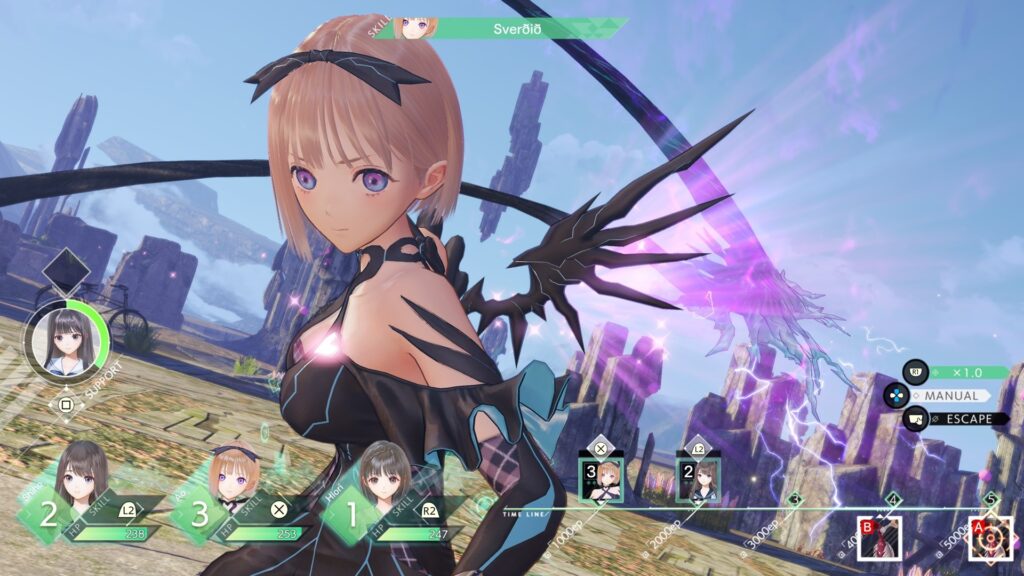
Blue Reflection: Second Light still follows most of the same mechanics present in the first game but all of them have been heavily refined and expanded upon to make combat more enjoyable and interactive. There are active player assists, more design and customization elements, as well as the ability to really turn combat in your favor through some really broken builds. Outside of the games themselves Gust has also added a Reference menu that allows for players to read up on the characters as they unlock them and the story events as they take place, including what characters are related to what event and how things are tied together. This is useful especially with how lackluster the two middle offerings are.
Audio & Visuals
Gust has always been their best when using soft palettes and making environments that are as supernatural as they are gorgeous looking and nowhere is that more evident than throughout Blue Reflection Quartet. While a lot of the levels of the Common may be re-used in the first game, the Heartscapes of Second Light truly are outstanding looking and the character models themselves, as well as their attacks, are heavily detailed with gorgeous clothing that is wonderfully detailed, especially with how cleaned up some of the game’s graphics are with the jump to newer platforms. That being said, there are a lot of downsides here in this version of the game compared to the original releases.
Every minor hint of fan-service in the original Blue Reflection has been censored from the bathwater becoming completely opaque to objects mysteriously being placed to block character models, entire costumes have been removed from scenes, and even the translucent water effects from rain are gone. Similarly, transformation sequences have been heavily brightened to the point of obscuring most of the character models as they enter their Reflector forms. To make matters worse, while bundle games such as this usually offer all previously released DLC as a bonus to entice longtime fans to try it out or at least sway newcomers, Blue Reflection Quartet is completely lacking all of the DLC for both Blue Reflection and Blue Reflection: Second Light, both of which over $50+ in costumes and other elements that could have been included to sway buyers. This is an incredibly strange choice, especially since both original games are still available without the censorship issues.
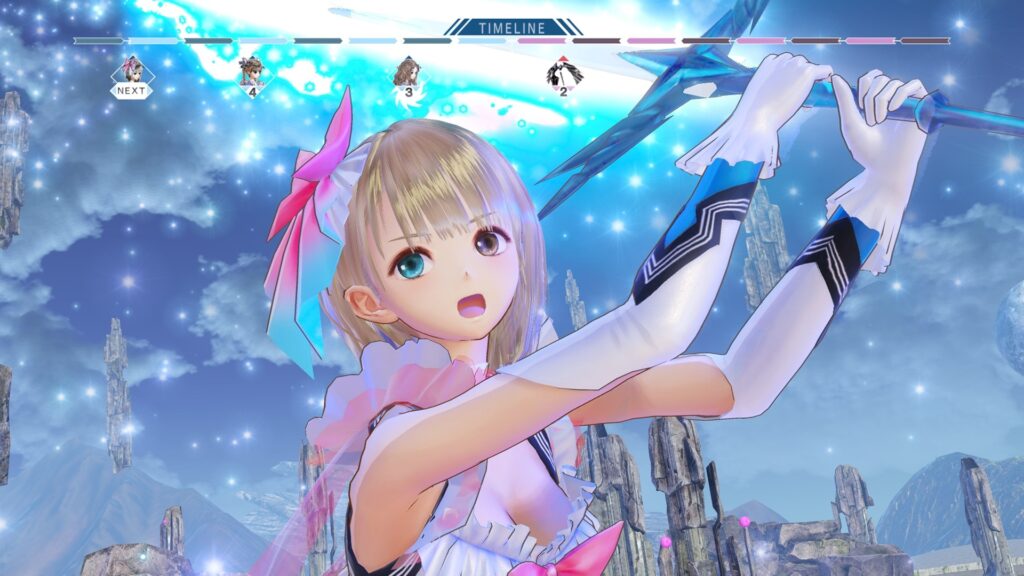
As with the original release of both games and the additional two titles added into this package all of the games are offered with only the Japanese voice tracks that sound the exact same as they did in the original releases. This works for the best as the voice actresses sound fitting for their roles and the male protagonist never actually speaks. The soundtrack for the game consists of a great collection of background music throughout Blue Reflection and Blue Reflection: Second Light though it does appear that Sun was simply given re-used tracks from Second Light to work with as an after thought.
Overall
On paper Blue Reflection Quartet sounds like a great deal and in many ways it is. This collection offers two incredibly solid and emotional driven JRPGs that focus heavily on emotional elements and teenage girls striving to make the most of their lives while dealing with the traumas that plague them, but it is also saddled down by some incredibly strange and lackluster offerings that make us wonder just who this package is for. While the two JRPGs are strong, Sun is almost an insult to players while Ray takes and offers the bare-minimum all while the game lacks any form of previously released DLC for returning players and even censors content to top things off. With slight quality of life improvements alongside a bevy of issues, it is doubtful longtime fans will want to dip into Quartet while even newcomers might find themselves underserved as a result.
Capsule Computers review guidelines can be found here.

