


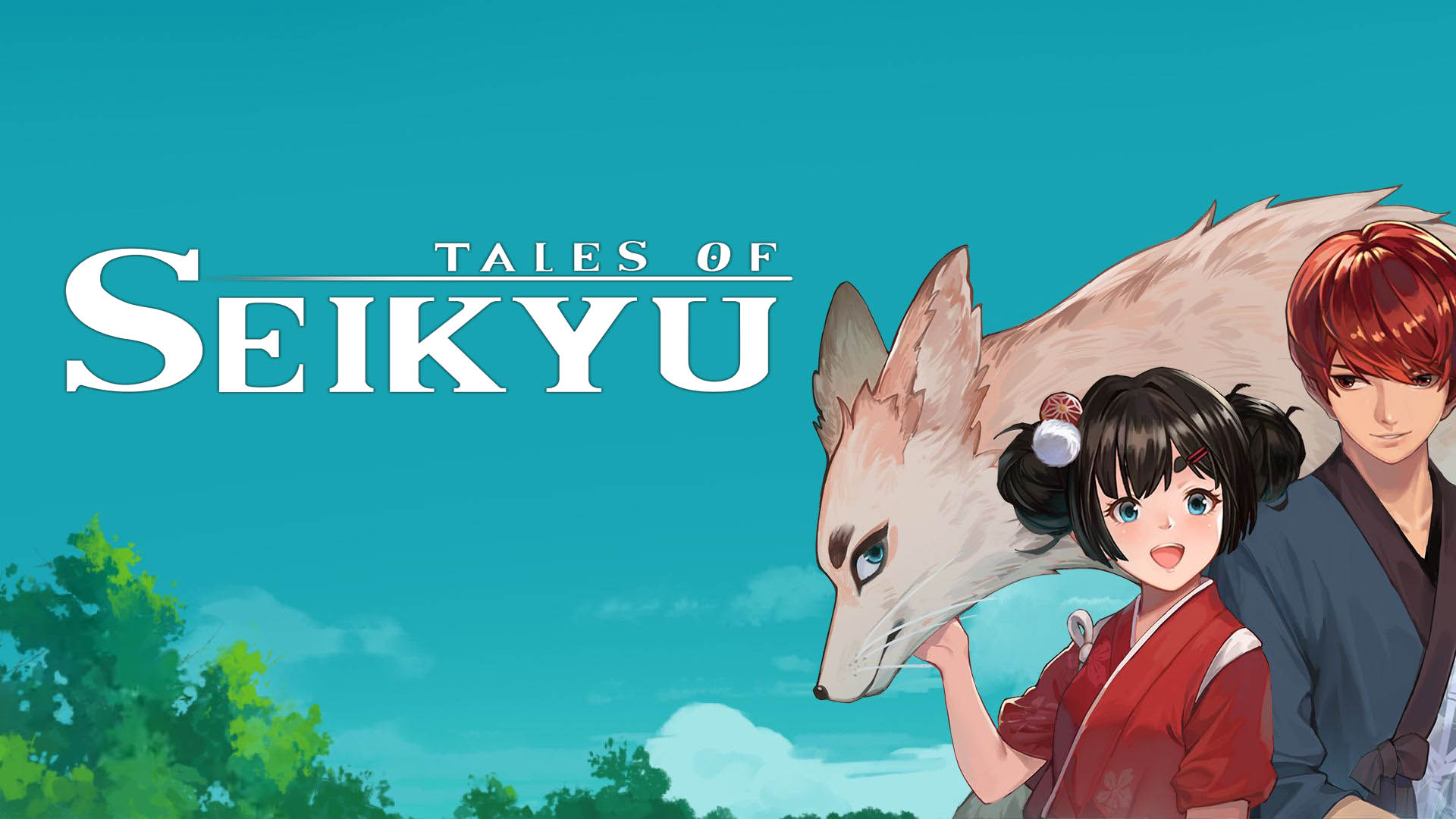
Tales of Seikyu
Developer: ACE Entertainment
Publishers: Fireshine Games, Logoi Games
Platform: PC
Release Date: June 11, 2026
Price: $24.99 USD – Available Here
Overview
For many older fans of the farming game genre, it all started back on the SNES with Harvest Moon, now known as Story of Seasons. This simplistic but heartwarming start kickstarted a franchise that continues to today and has inspired countless spin-offs including the company’s own Rune Factory that added fantastical elements and combat into the farming life. Over the decades numerous different titles have looked to capture some of the magic of the charming farming life in their own unique way and while some have been major successes and others have carved out their own niche, others come and go with little notice.
Tales of Seikyu from ACE Entertainment has spent a fair amount of time in early access refining itself and now that the full release is upon us and offering something that is entirely unique in its own right, is it set to make a mark worth remembering?
Story
For as long as they can remember, the player and their younger sister Kon have grown up knowing nothing of their parents, only that they were sent away at a young age and left with a note saying to seek the island of Seikyu eventually. Upon finally being able to do so, the player, trapped in human form and their younger sister, stuck in her fox form, manage to arrive in Seikyu and begin meeting the many yokai that make the sanctuary their home. Through the help of the town’s mayor they meet many of the local establishments and the yokai that run them as well as the people that they’ll be growing closer to as they work to uncover the great mystery that they soon find is far more than expected.
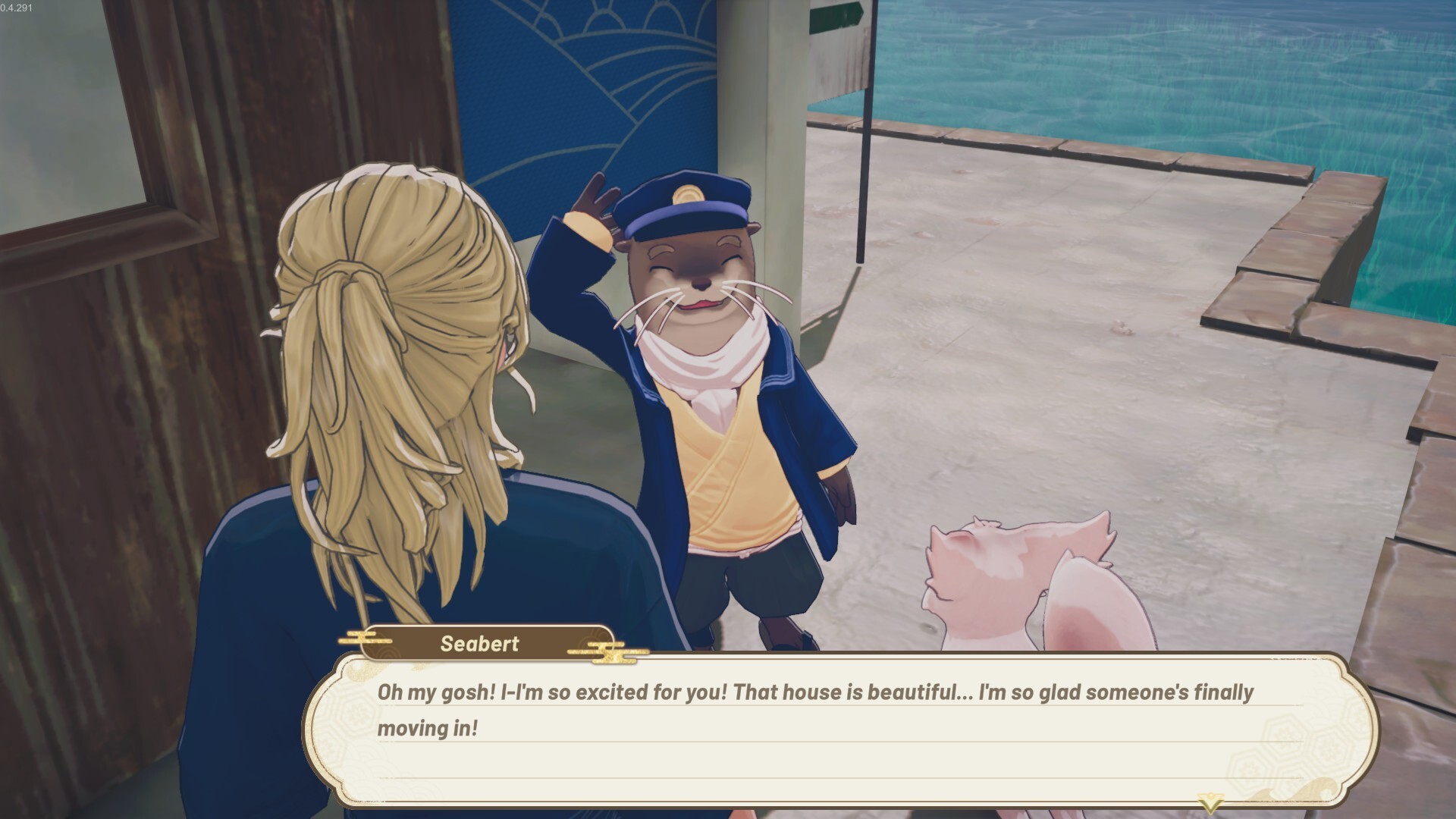
Not only have their parents disappeared, but all fox yokai have vanished from the lands making the player and Kon the first seen in years and even activating their ancestral shrine and speaking to the deceased elders of the fox clan prove this fact, though even these ancestors have no knowledge of what happened to the clan, only rumors and mysteries that may be found within the deep fox ruins that have remained part of Seikyu since the town was founded, though it now contains a myriad of monsters, traps, and secrets and unfortunately for the player, they aren’t the only ones after the secrets within the ruins as the members of the Tanuki clan have also begun investigating, seeking the fox’s secret power for themselves.
Tales of Seikyu tells a fairly interesting story especially since players will tend to uncover it at their own pace, finding out more of the history of the fox clan and the secrets that the island holds, including the gods that govern it, simply through exploration and taking on quests as they see fit. Nothing is timed or limited, and players can even make specific choices depending on how they feel like approaching some quests, though most tend to still result in the same outcome in the end. Such as choosing to keep a treasured heirloom with the family instead of lending it to the credence of a casino. The casino will still be built, just without any reward for the player and the disappointment of the woman requesting it.
While we won’t go into further detail here to avoid spoilers, especially since the game’s full launch adds the proper conclusion to the game’s storyline, it does work rather well though players will likely feel it is a bit on the predictable side. Either way, while the core storyline has its strong moments and weaknesses, the place where Tales of Seikyu really shines is with the characters and the fact that the writers weren’t afraid to go all out with the yokai aspects and mythology here. Whereas some games may offer a few unique romance options such as characters with fairy wings, elf ears, or simply dog ears and a tail, Tales of Seikyu commits and it does so with both pride and for its betterment.
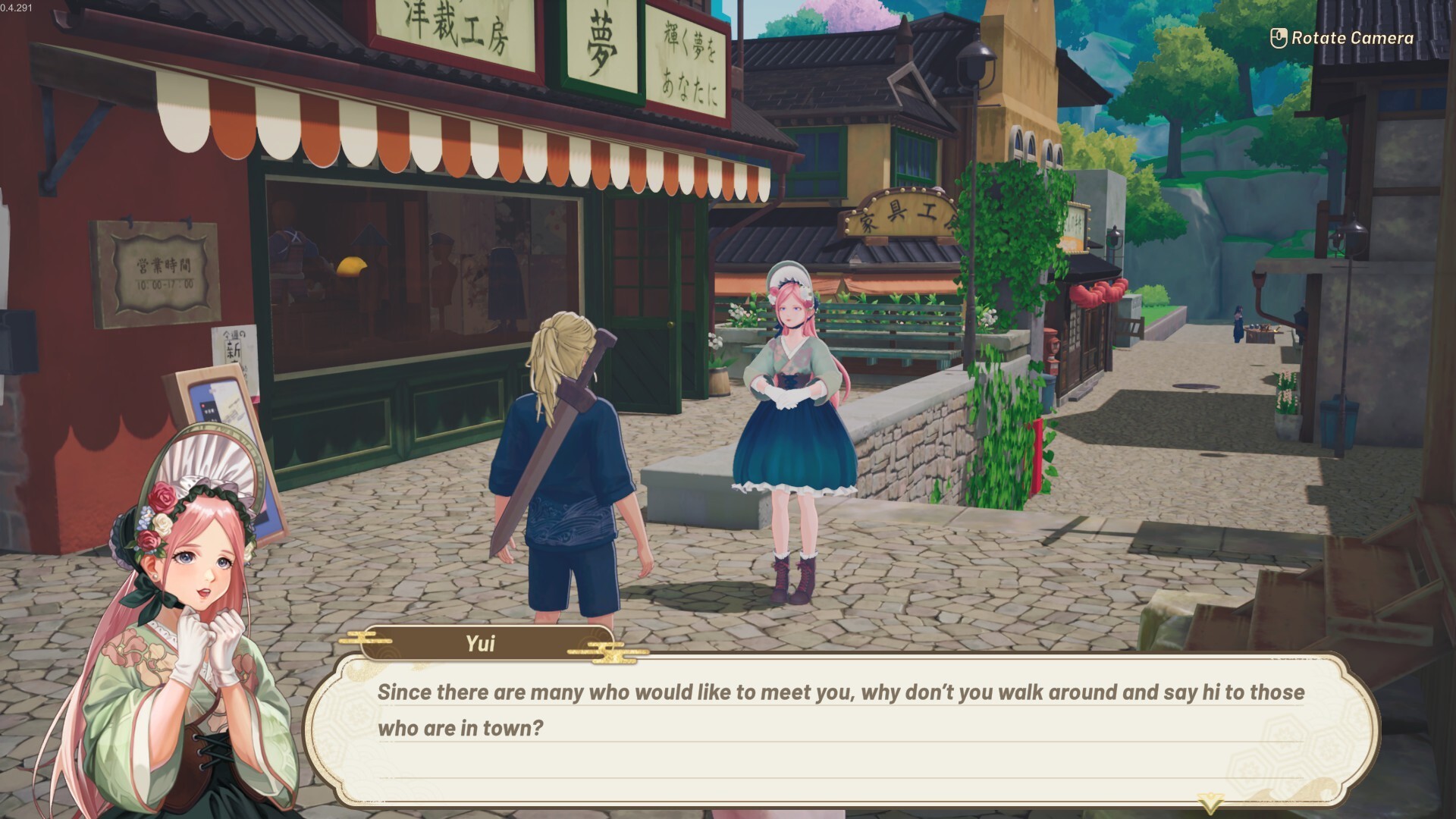
While not all of the characters in the game are romanceable, a shockingly high eighteen are, with nine male and nine female options and some of these characters range entirely from a powerfully large otter bachelor to a blue-feather covered peacock-like bachelorette and even a deer-like centaur girl. Similarly both the brother and sister inugami are covered head to toe with fur, snouts, tales, and ears and players can choose to woo either if they see fit or simply befriend them if they choose. As players befriend characters through the standard methods of either talking to them everyday, giving them gifts they like, or completing requests they may have on the task board, they unlock special scenes and missions that can be seen as little dates that are unique to each character. Then, to add a little extra interaction to top things off, after certain affection levels are met players can ask characters out on dates, for a hug, or even a kiss.
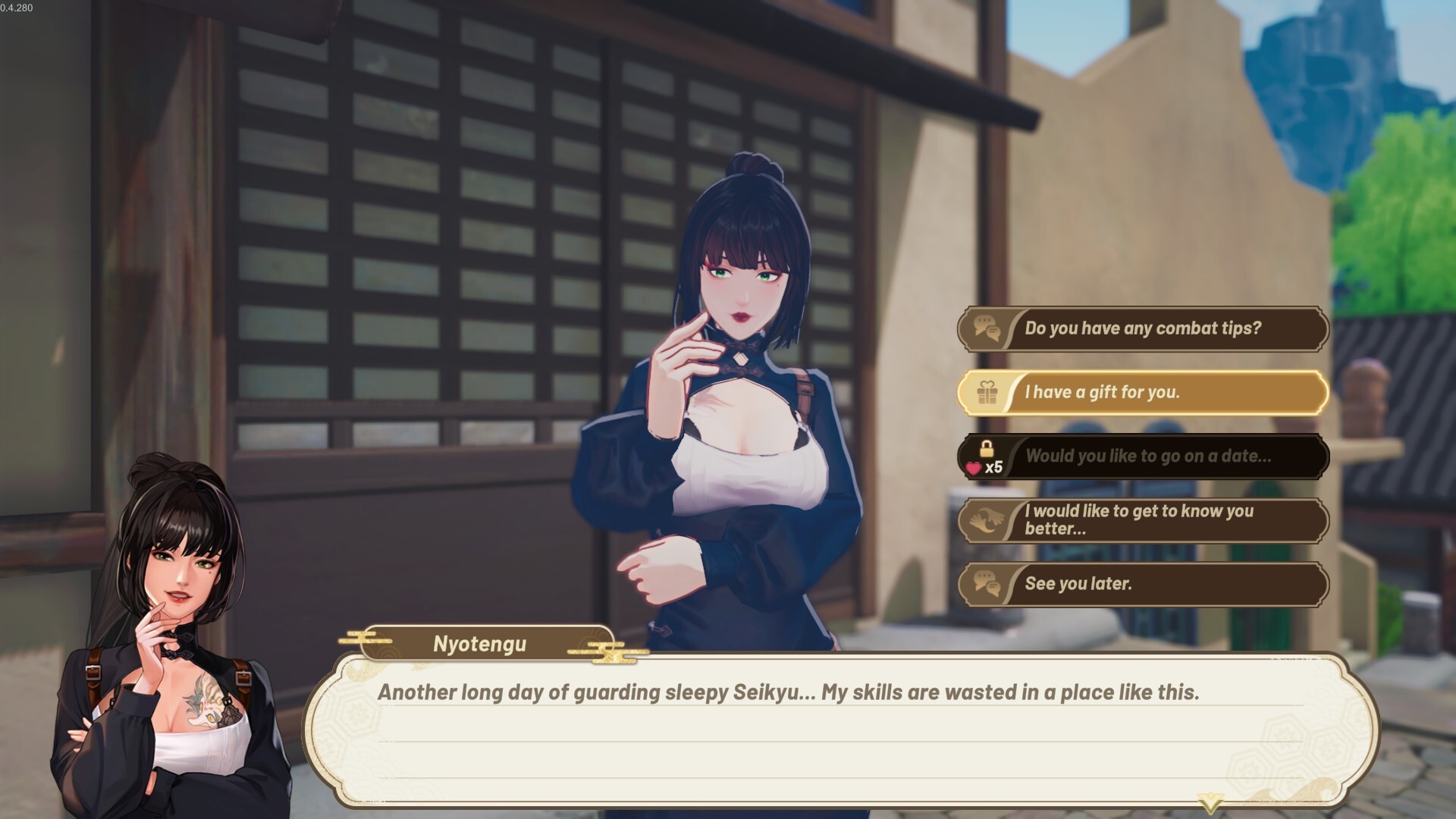
It’s even interesting to note that certain characters’ favorite items just so happen to fall right in line with their mythological favorite items as well, meaning those who know their lore can get a leg-up on befriending characters fast. This level of detail goes even into characters that aren’t romance options, with the exception of the affection interactions of course as these characters will also appear with little quests of their own or even might appear at the player’s house in the morning and take them out for a little activity. Combine this with the sheer amount of festivals that players will also be able to take part in and how vibrant the community in the game can become as players advance through the story and unlock additional characters and facilities, and there is a shockingly high amount of things to do even if the story has run its course in Tales of Seikyu, especially since marriage is now on the table with this full release.
Gameplay
For all of its mythological basis, Tales of Seikyu is still primarily a farming and action game blended together. This means that when players aren’t running into town or the wilderness to find their favorite characters to talk with, they’ll be either tending to their crops, livestock, and hunting down enemies while exploring the island or delving into the extremely deep fox ruins. Every day players will have a certain amount of time to explore and are forced to sleep at 3AM, though there is no punishment for falling asleep even in the ruins. Similarly, they’ll also have a health bar and action point bar that will determine how much they can do everyday though this can also be restored by eating cooked food or even raw ingredients if necessary. Everything from swinging a sword, watering crops, or using a transformation’s special abilities requires the use of stamina and running out will leave players unable to fight or use tools but still able to explore.
Speaking of transformations, that is another unique aspect that helps set Tales of Seikyu apart from other farming games of its ilk. While players are initially given a watering can,they’ll primarily find that farming can be done almost entirely through their yokai transformations. Being a fox yokai, the player instantly unlocks the boar transformation upon unlocking their first ancestral shrine and can till the soil on their farm by smashing it down while transformed as a boar. Similarly, as players delve into the fox ruins and defeat the bosses and puzzles within, they’ll continue to obtain additional transformation scrolls that will unlock new yokai forms that can be used for both farming and exploration.
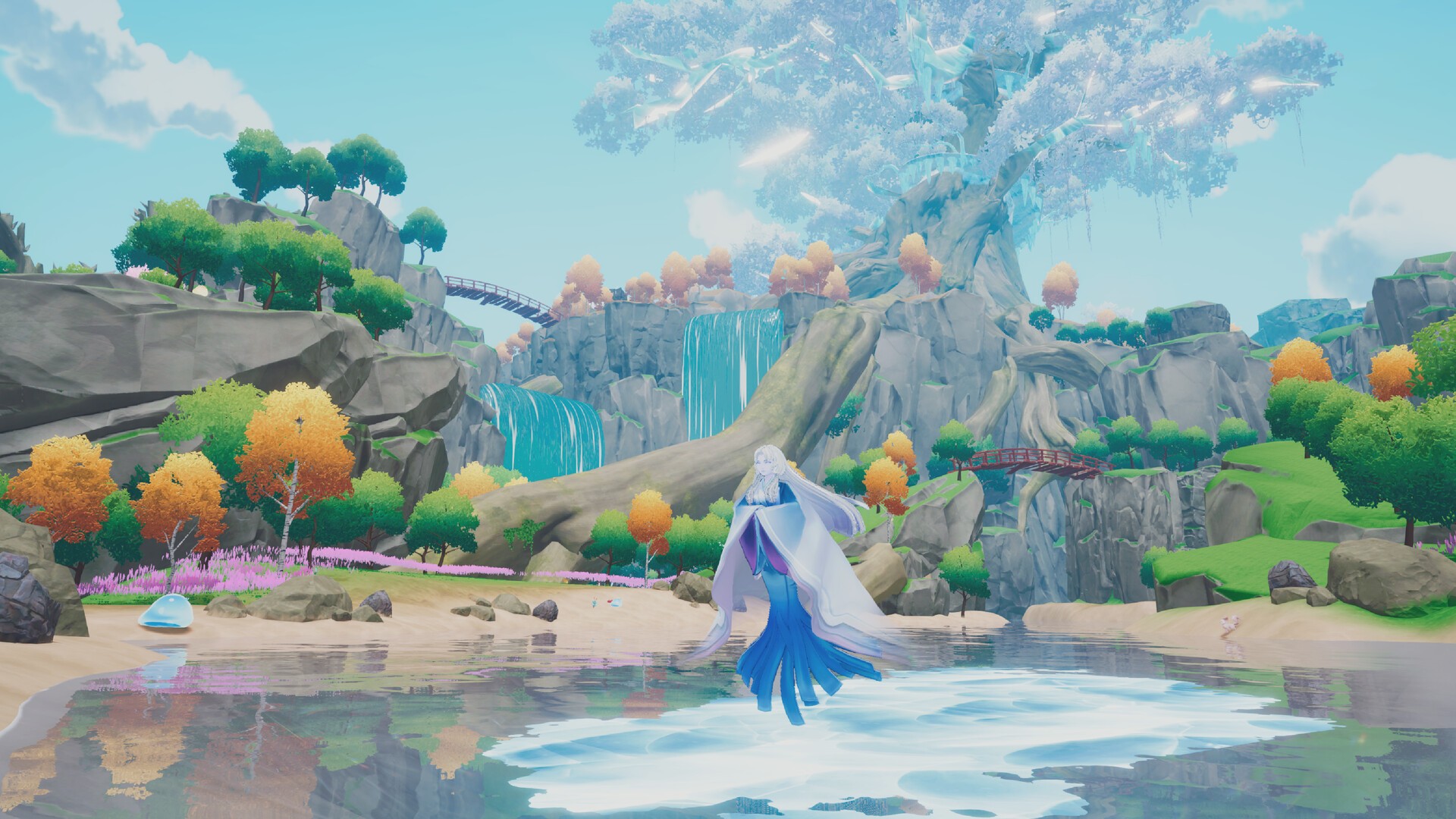
The first of which is a slime scroll that sounds bland but opens up an entire new form of exploration as the slime form allow players to venture into water and swim without worry, even attacking underwater foes and gathering minerals by breaking apart ore and scavenging items, though unfortunately fish cannot be gathered this way which is disappointing. The other aspect of the slime form is the fact that players can use the water from being in slime form to water their crops fast and without the need to refill their watering can, freeing up a spot in their inventory at the same time. After this it will depend on how players tackle the Fox Ruins but as they do they will uncover additional transformations such as the Tengu scroll that allows for flight, making previously unreachable locations easy to access and standard navigation far simpler, even if fast travel between the few fox shrines does work well-enough, and is a more defensive based transformation and even a yuki-onna transformation.
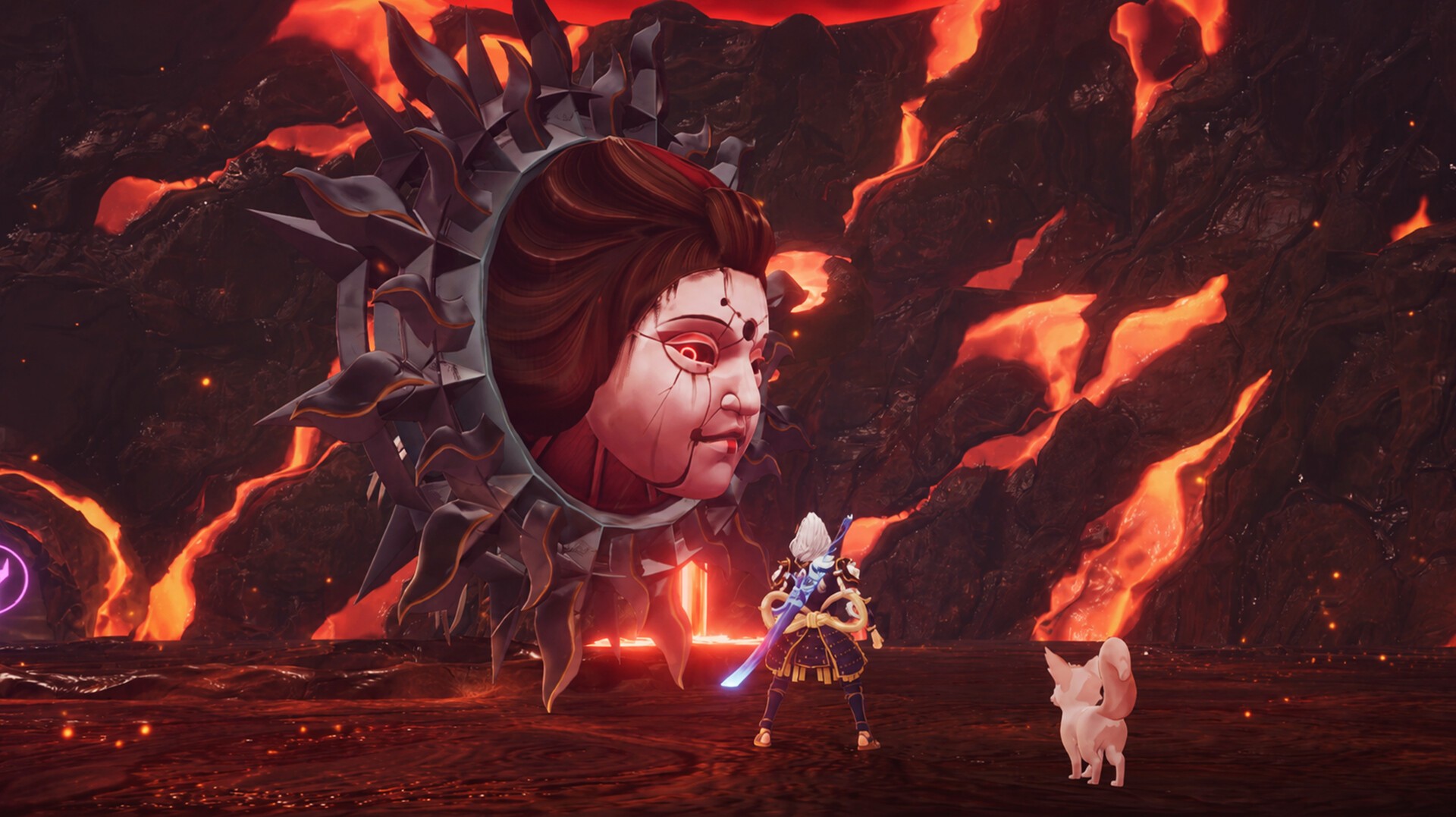
The biggest addition to this full launch is the fact that players now also gain access to their proper fox transformation and with it comes plenty of trickery one would expect from a fox in mythology. The fox form can fight with agile attacks and even possess an enemy, using stamina to make the enemy attack their allies and even dominate the mind of the possessed foe and bring it back to the farm if possible, though this is harder to do. Every transformation, including the base human form, can be leveled up using talismans obtained by completing rooms in the fox ruins with each upgrade costing more gold as well per level. The human transformation doesn’t obtain extra abilities but does boost the player’s overall health while all other transformations unlock either extra abilities or enhance already unlocked ones, such as increasing the damage of the underwater slime shots or increasing the speed of the Tengu’s flight.
As mentioned before, players will find that some of the best parts of the game are interacting with the characters and thankfully that is fairly straightforward gameplay wise. Players can gain affection by simply talking to characters and giving them gifts everyday, with their favorite gifts being unveiled in the glossary if discovered, and dates taking time but also improving the relationship. Similarly, players will also be able to take on random requests from the quest board that will award affection and money for gathering the requested item. Some of these quest board missions are “required” to unlock additional inventory or advance a part of the story but these will be marked as important compared to standard requests.
So far Tales of Seikyu has received practically all praise and its thanks to the fact that it takes experimental risks by allowing for such unique characters to be romanced and made part of the story, there being so many events and holidays in the world, as well as the transformation mechanics and how they work into the game’s exploration and even farming systems, but unfortunately that is where most of the praise comes to an end as the actual farming and combat are middling at best and not much more. In fact, even though players can feed and pet wild cats, dogs, weasels, and even iguana to eventually bring them back to the farm as adoptable pets, they are merely cosmetic friends and nothing more.
The farming in Tales of Seikyu is as straightforward as it comes with certain crops growing within certain seasons and taking a period of time to grow before being harvested. Fertilizer can be used to increase the speed of what is harvested but there are no “quality levels” when it comes to produce, so everything has a set value. Some crops such as strawberries and soybeans in spring can be harvested multiple times in a season, regrowing after a couple of days, while potatoes and cabbage must be replanted every time. Obtaining seeds is a bit of a hit or miss operation depending on how players want to tackle the game as most seeds can be purchased outright from the general store but some rarer seeds such as roses or red beans can only be obtained by digging through trash cans it seems like, at least at first. Thankfully while characters will comment if they see players digging in a trash can for valuable seeds, produce, or even expensive materials, it doesn’t actually drop their opinion of the player.
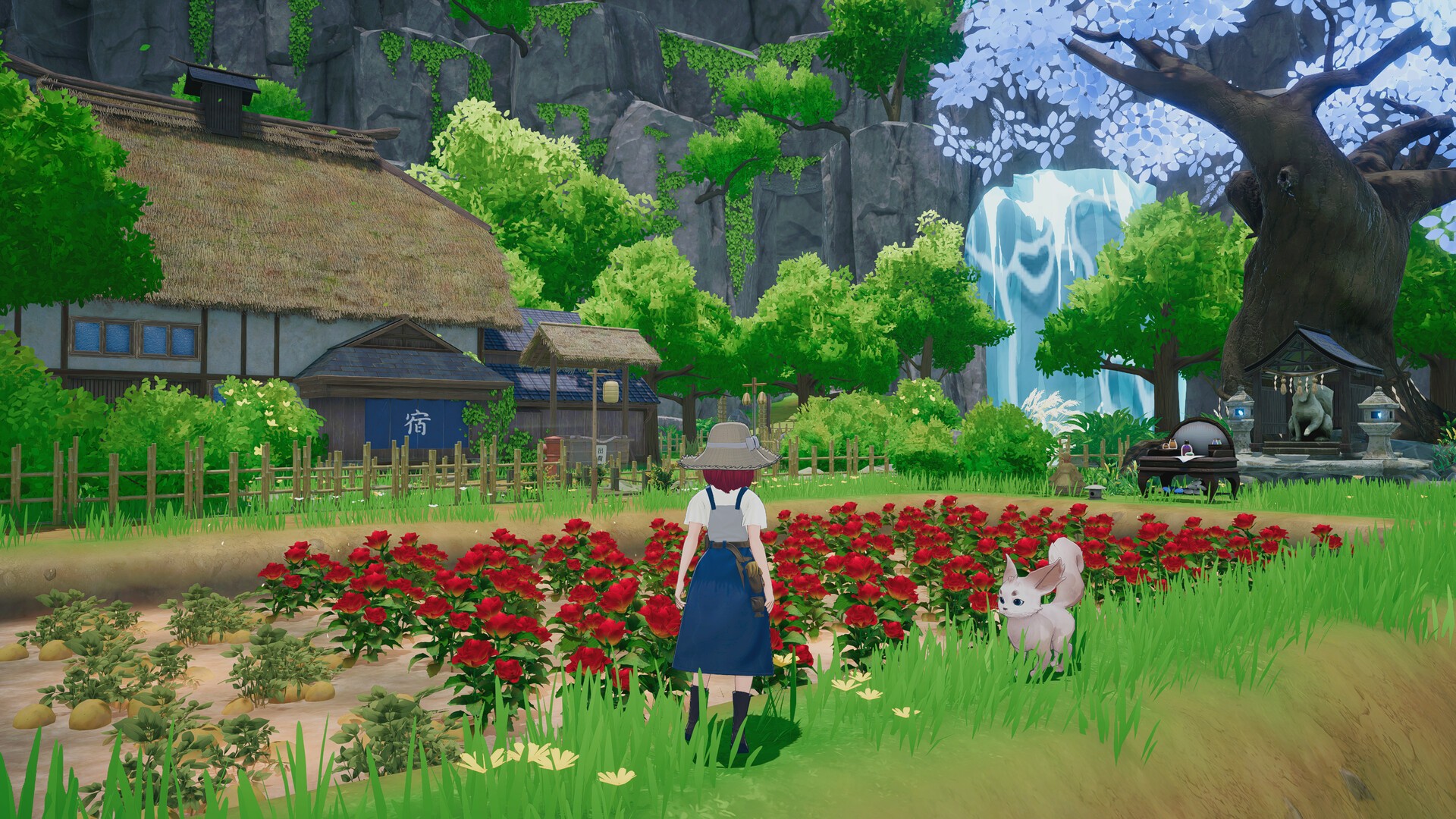
Farming really never gets too complicated as a result of there not being much to the system beyond simply planting and harvesting, making it rather mundane overall, and even this can be automated if players obtain and construct a properly functioning scarecrow golem, though doing so requires some investment and other combinations of work such as constructing a smelting furnace to craft ores into ingots, using a crafting table to put other materials together, and more. The farmland itself can eventually be upgraded with additional growing plots just like the player’s home can be upgraded in size and there are quite a few furniture options to choose from in the game’s furniture shop so players have plenty of ways to decorate if they wish to, even if it is to fill their entire floor with pet beds for the slew of pets they’ve gathered.
Different crafting recipes will be unlocked the more players take on various actions while out in the field. Smash apart enough rocks with your weapon and the player’s mining level will increase, gather new items and their gathering level might increase, and so on with potential level ups unlocking different recipes for either crafting benches, automated crafting tools for things such as fish bait or even weaponry, or even a silo that can be built to automatically feed any livestock the player should acquire. Yes, there is livestock in the game and it involves consulting a unique yokai south of the farm to help construct a chicken coop or barn on the farm before players can purchase all kinds of different animals that can produce unique items. Many of these animals are very run of the mill such as cows and chickens but there are some rather unique surprises we won’t spoil here that players can eventually obtain.
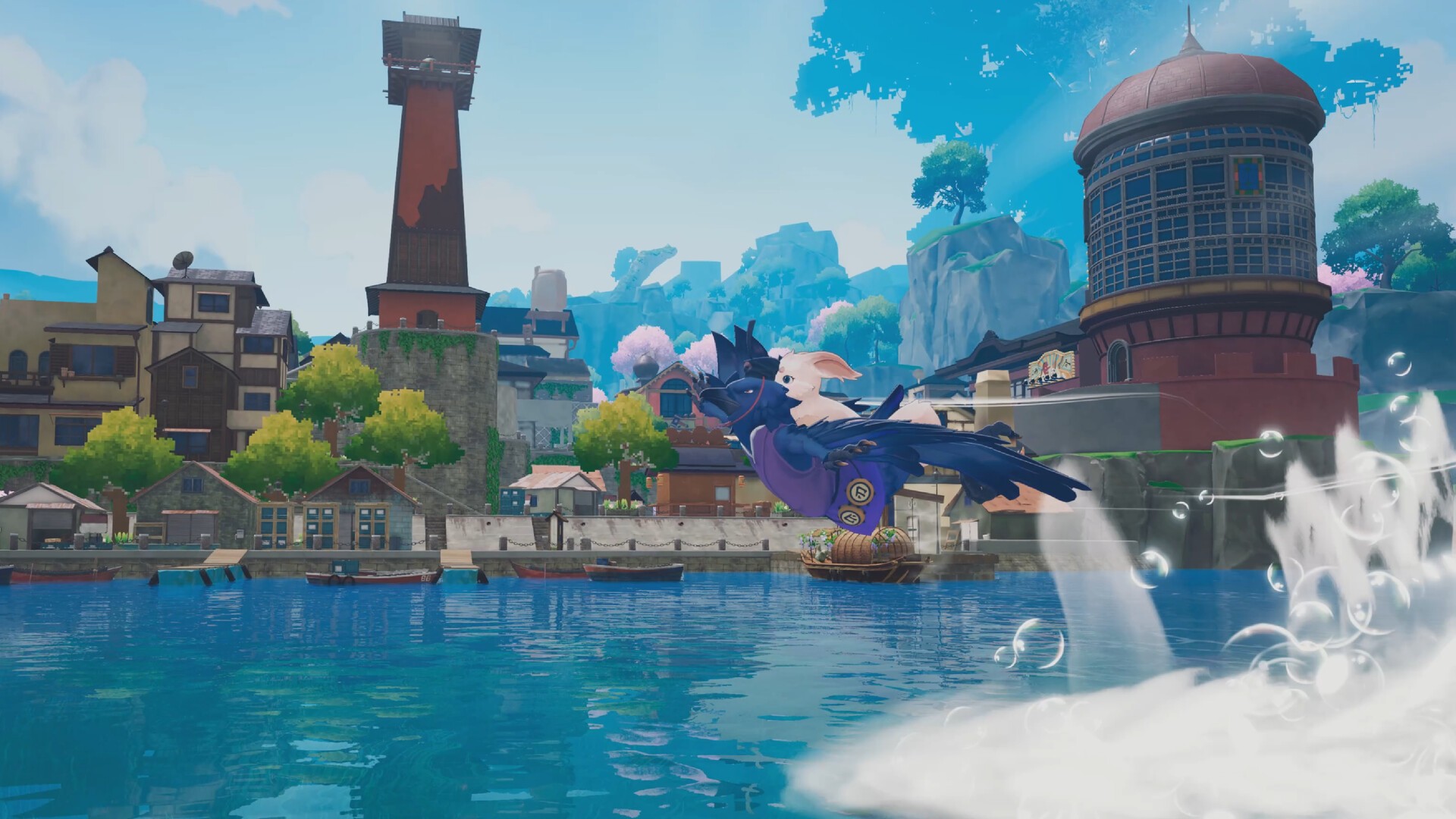
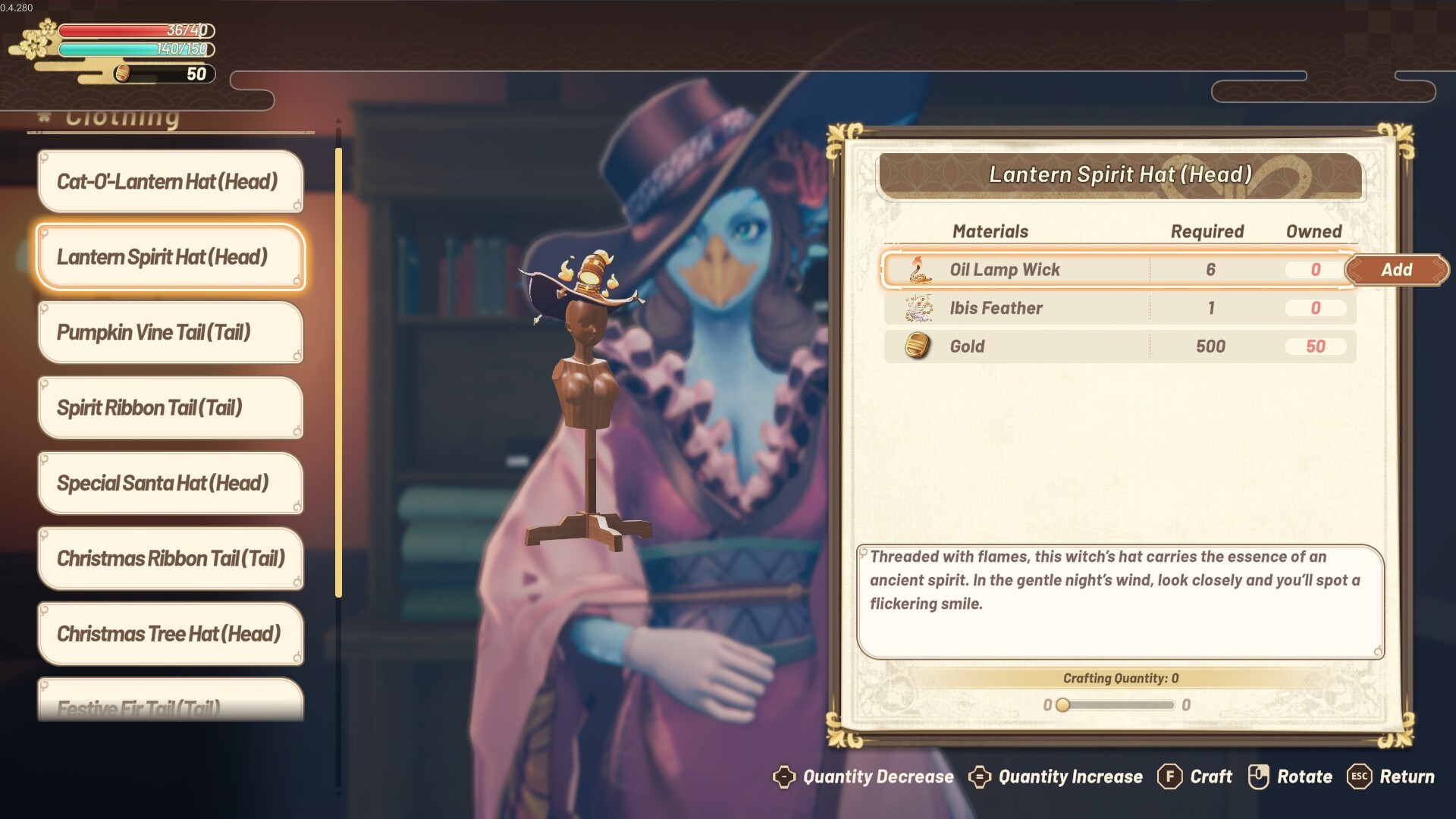
Unfortunately as far as combat goes things grow far more mundane. Players can equip any weapon that they find or purchase, and most of these weapons can be refined once the blacksmith is opened up, but the actual combat is rather floaty and lackluster. There is a lock-on option to target enemies, a dash option that works like an ineffective dodge, and of course an attack and heavy attack option as well but not much else. Fighting while transformed into various Yokai forms does help make some fights more interesting, especially since some boss battles even encourage players to experiment a bit with using their unique abilities to take down a foe, but having a suitably powerful weapon to slay standard enemies in a few blows is hardly a challenge. It is also unfortunate that there is no magic system beyond the Yokai transformation nor any real armor system beyond charms, rings, and bracelets players can discover and purchase from a mysterious merchant. The only clothing in the game that can be purchased is purely cosmetic and doesn’t apply any defensive qualities which is disappointing.
It is also worth noting that while we didn’t experience any significant bugs during our time with Tales of Seikyu, there were more than a few moments that we did end up getting stuck in the level geometry either while exploring underwater as a slime or flying somewhere unintended as the tengu. Thankfully the game does have an “unstick” option in the menu to fix this issue and players can also save almost anywhere at any time if they feel like they are at risk but it is still a small issue nonetheless.
Audio & Visuals
The presentation in Tales of Seikyu is quite impressive when it comes to the character models and enemy designs. As mentioned before, the fact that the developers were willing to commit all the way to the yokai designs of the bachelors and bachelorettes is a real boon that helps set the game apart and a good amount of detail has been applied to the character portraits as well during conversations. The world itself is a bit on the generic side while exploring outside of a few standout locations and the ruins tend to blend together after a period of time as well which is unfortunate. That being said, the way that the city transforms during festivals and between seasons is a real sight to see and it is impressive considering the amount of holidays the title includes.
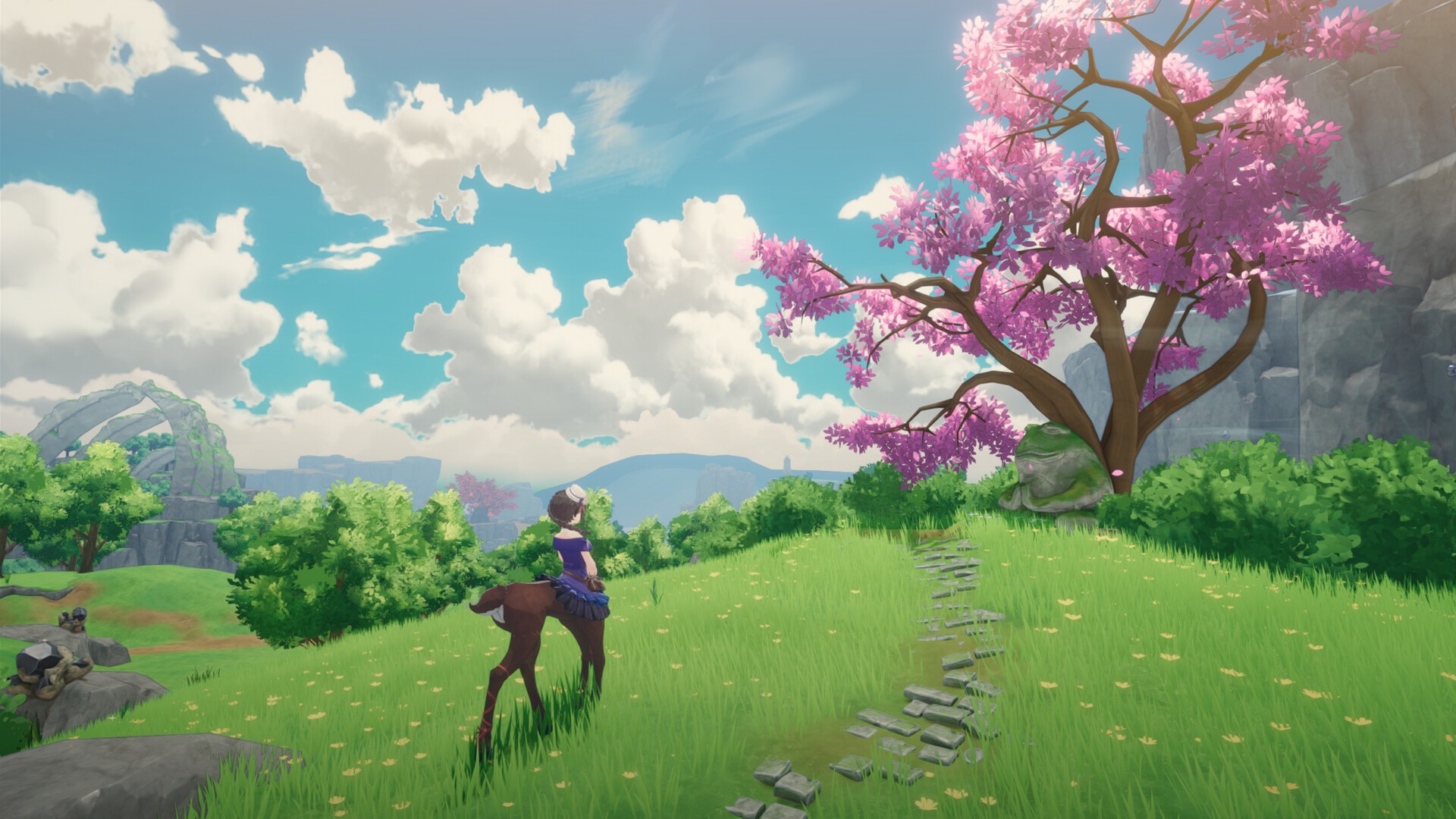
There is unfortunately no voice work of any kind throughout the game outside of a few chirps from characters here and there but that doesn’t really count. Thankfully the title does sport a rather varied soundtrack that fits well with the mythological themes of the game while exploring the lands, visiting the city, or delving into the ruins with different pieces of background music for each.
Overall
Tales of Seikyu takes a tried and true formula and puts its own unique spin on things by committing hard to the yokai aspects in almost every way. Whether it involves romance with some of the most unique looking characters fans of the genre could hope for and the interesting stories that come with them or the way that the player’s own transformation abilities work into the farming and exploration mechanics, this is where the game shines its brightest. Combine that with a solid storyline and there is a lot of potential for those looking for an enjoyable enough story and colorful cast of characters but unfortunately the farming aspect and combat are both disappointingly shallow compared to what many might expect in the genre, especially the combat which feels rough around the edges even now. Still, the unique spin of building a life and romance in a yokai filled island that isn’t afraid to embrace the mythology helps this indie title stand out even with its flaws.
Capsule Computers review guidelines can be found here.

