


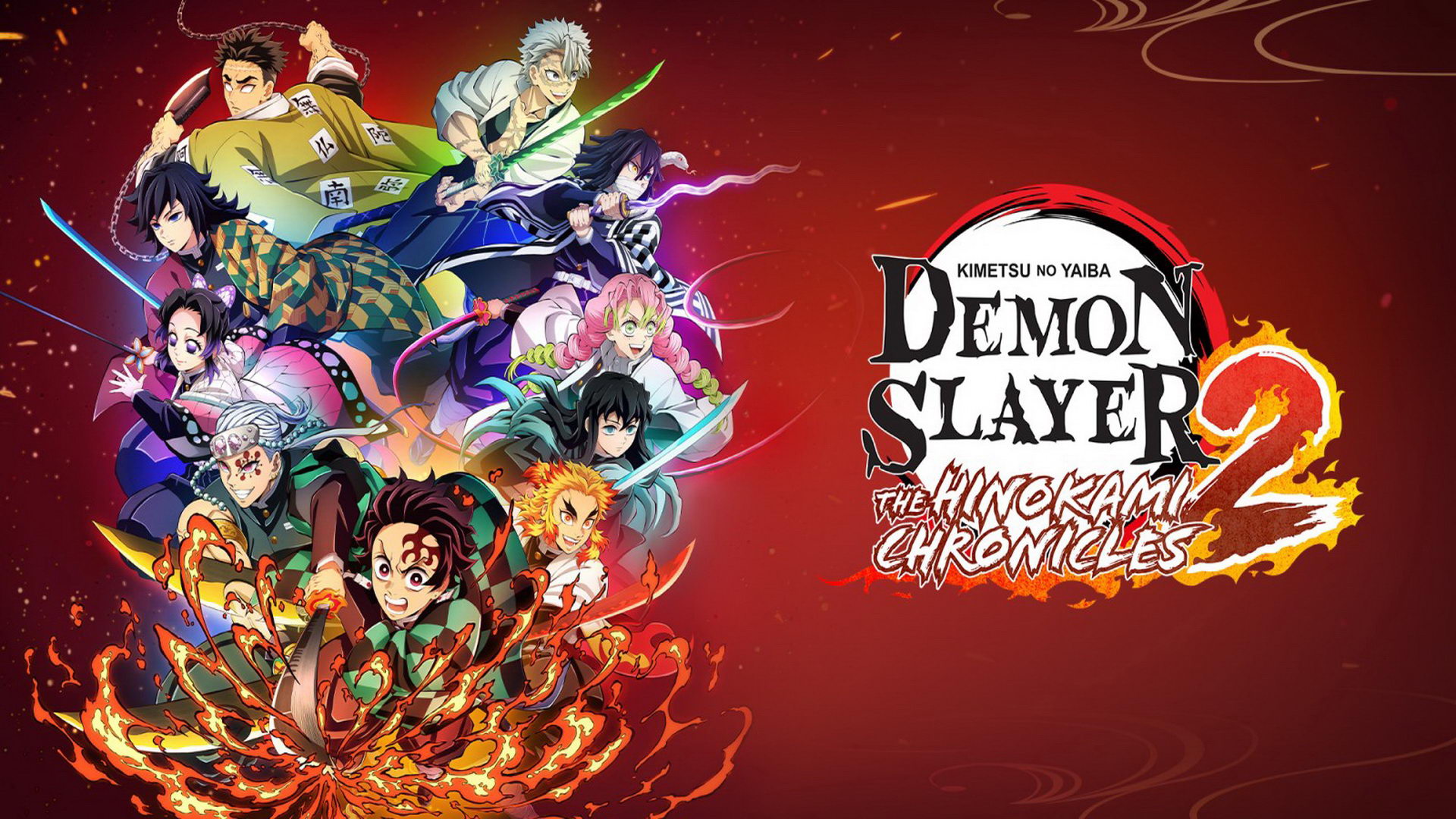
Demon Slayer -Kimetsu no Yaiba- The Hinokami Chronicles 2
Developer: CyberConnect2
Publisher: Sega
Platforms: Xbox One, Xbox Series X (Reviewed), PlayStation 4, PlayStation 5, Switch, PC
Release Date: Available Now
Price: $59.99 USD – Available Here $109.95 AUD – Available Here
Overview
For a long period there, there was one name that came to mind when someone thought of an anime arena fighting game and that was CyberConnect2 and their incredibly long running Naruto Ultimate Ninja games that began right alongside their beloved and sorely missed .hack franchise. Over the past decade we’ve seen various other developers try their hands at anime arena fighters with various levels of success and failure, some focusing on solo properties and others on entire crossovers, but never lost a step, or at least much of one when CyberConnect2 dipped their toe back in with the first Demon Slayer -Kimetsu no Yaiba- The Hinokami Chronicles back in 2021 and delivered an exciting offering for fans and newcomers but lacked substance at the time. So now that they have returned four years later with plenty of more content to explore with Demon Slayer -Kimetsu no Yaiba- The Hinokami Chronicles 2, is this sequel a worthwhile endeavor for Demon Slayer fans?
Story
Now before we begin, it is interesting to note that while Demon Slayer -Kimetsu no Yaiba- The Hinokami Chronicles 2 is indeed a sequel and it’s storyline does take pick up shortly after the events of the first game’s final arc, the Mugen Train arc, that newcomers might not feel too left in the dark here. This is thanks to “The Path of a Demon Slayer” which tells a very condensed version of events leading up until this point in the story, including some pivotal fights that have been dumbed down from the first title as well, through six stages. This can work as a way for newcomers eager to see what Demon Slayer is about but, given its brevity and lack of depth, feels more like a refresher course on the plot until now.
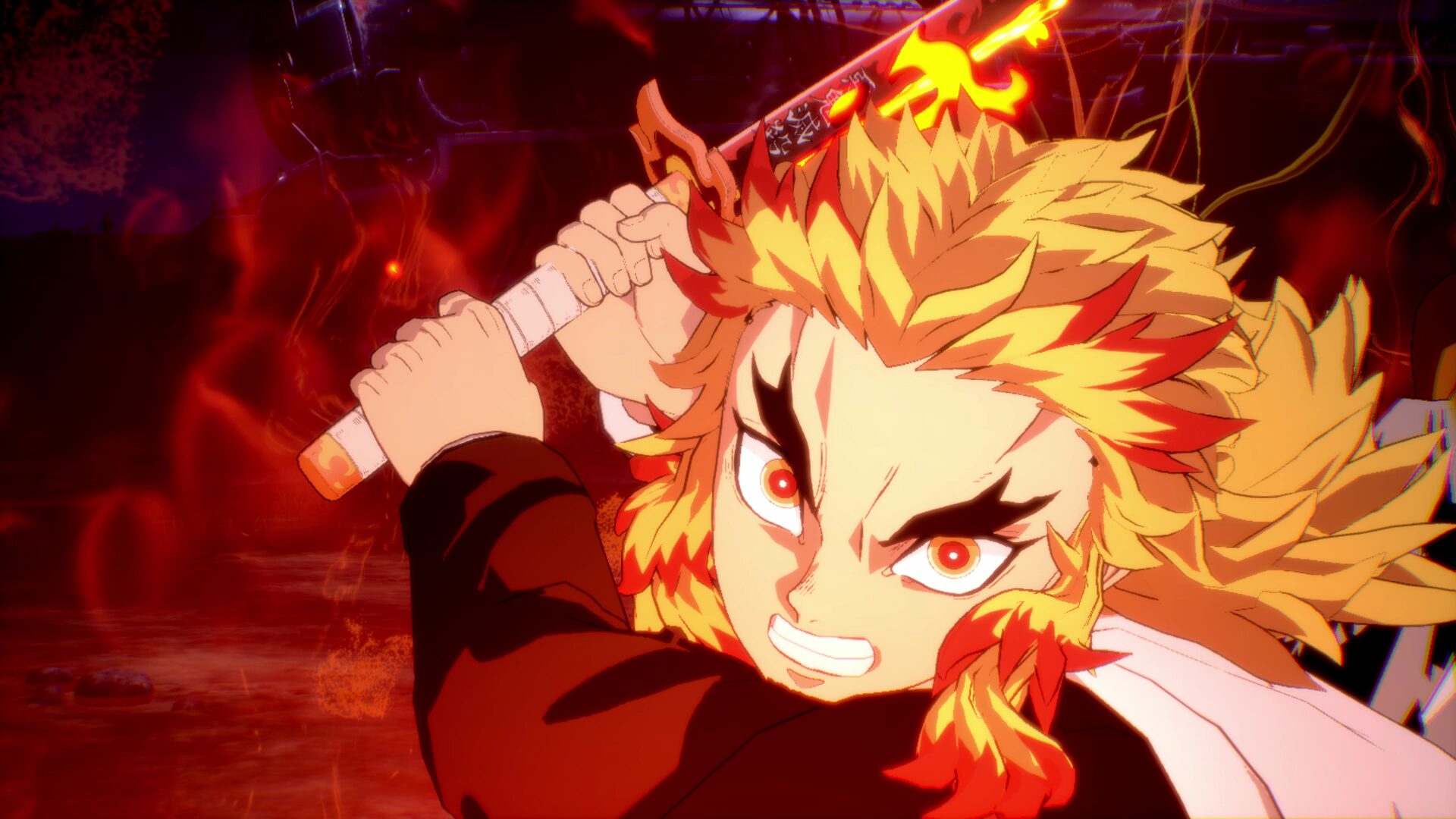
The Hinokami Chronicles 2 kicks things off with the lengthy but detailed adaptation of the Entertainment District Arc before eventually moving on to the Swordsmith Village Arc, and closing out with the most of the Hashira Training Arc but leaving things open for the upcoming movie. In a rather unique seeming coincidence, or perhaps working alongside the anime studio, CyberConnect2 leaves players hanging right where things will kick off in the film that aired in Japan last month in July and will soon be releasing here in the West sometime later this year, serving as a great way to bridge the gap and deliver a different kind of experience compared to simply watching the anime.
That being said, it is also worth noting that Hinokami Chronicles 2 is faithful to a fault. The story mode plays out generally the same as anyone who has experienced the story before, be it through the anime or manga, would expect with no deviation. This isn’t much of a bad thing, as fans will be delighted to see all of the key moments displayed in signature CyberConnect2 glory including some rather bombastic looking cutscene/quick time event sequences that happen at the culmination of some battles that the company is known for, but those looking for a some unique new scenes or possible new events won’t find that here.
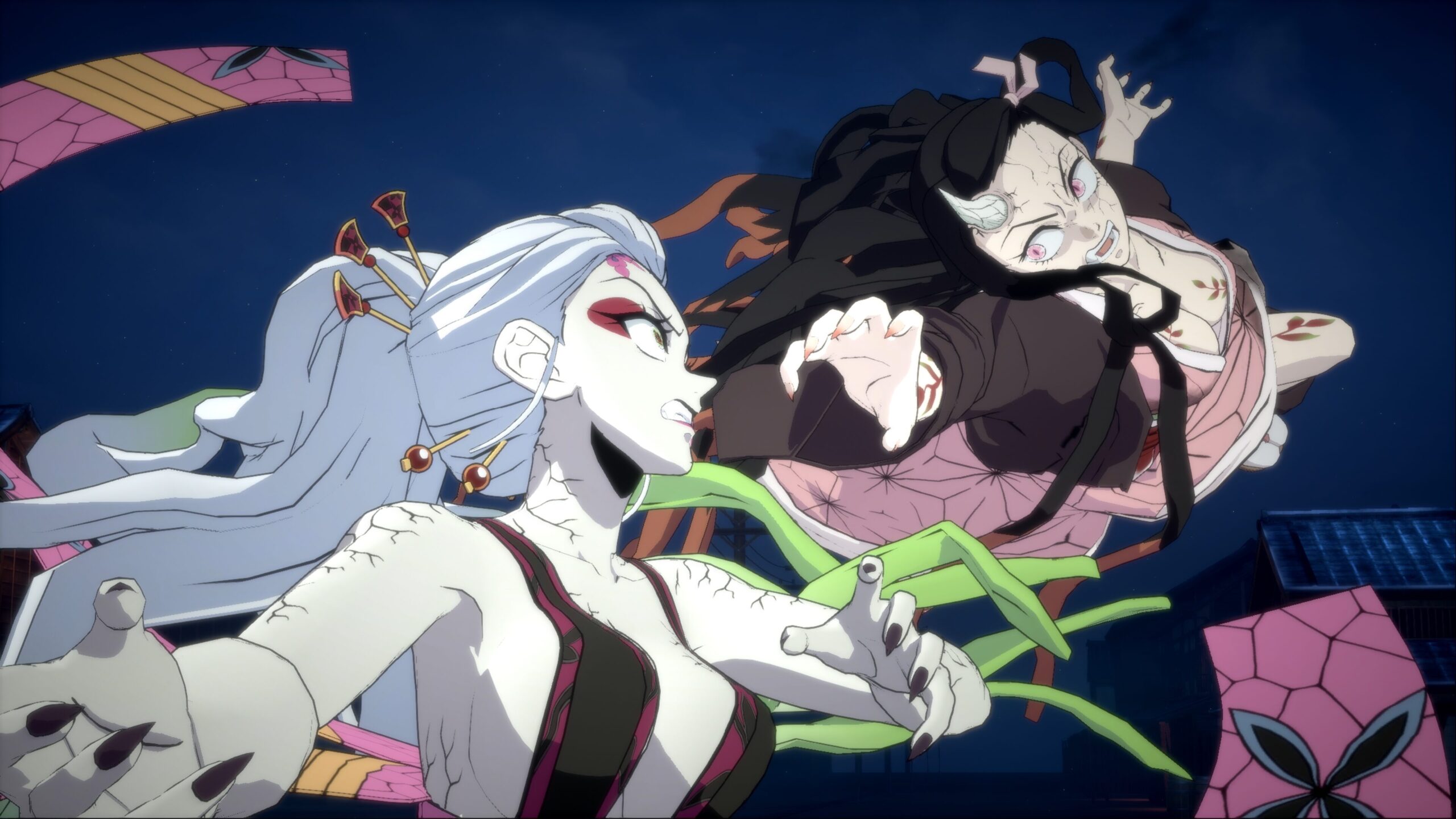
There are some side-quests that players can take on when they have a chance to free roam and these quests range from simply finding and talking to the right NPCs to actually hunting down and slaying a new and unique demon that may not have appeared before, but none of this leads to any actual unique developments or some twist. It simply serves as padding to the main storyline and while this is nice, it doesn’t do much. The same can be said about various “memories” and “mementos” that players can find while free-roaming with the former bringing up past scenes as characters remember moments that have happened to them so far or find an item that they’ll remember a fond memory of as well. These add a little extra characterization which is nice, especially given the straightforward nature of the story at its core.
Gameplay
At its core, Demon Slayer -Kimetsu no Yaiba- The Hinokami Chronicles 2 actually hasn’t changed too much from the first iteration. This is still an arena fighter with a very simple set of combat mechanics that are all about being easy to learn but having layers of depth to them, but almost every aspect of it has seen some sort of upgrade, be it some slightly more refined and tighter combat mechanics, a much larger roster of actual characters to fight as right out of the gate, and even a slightly expanded option for single player modes beyond just the story mode and local versus alongside a fairly barebones multiplayer mode that oddly enough has “seasons.”
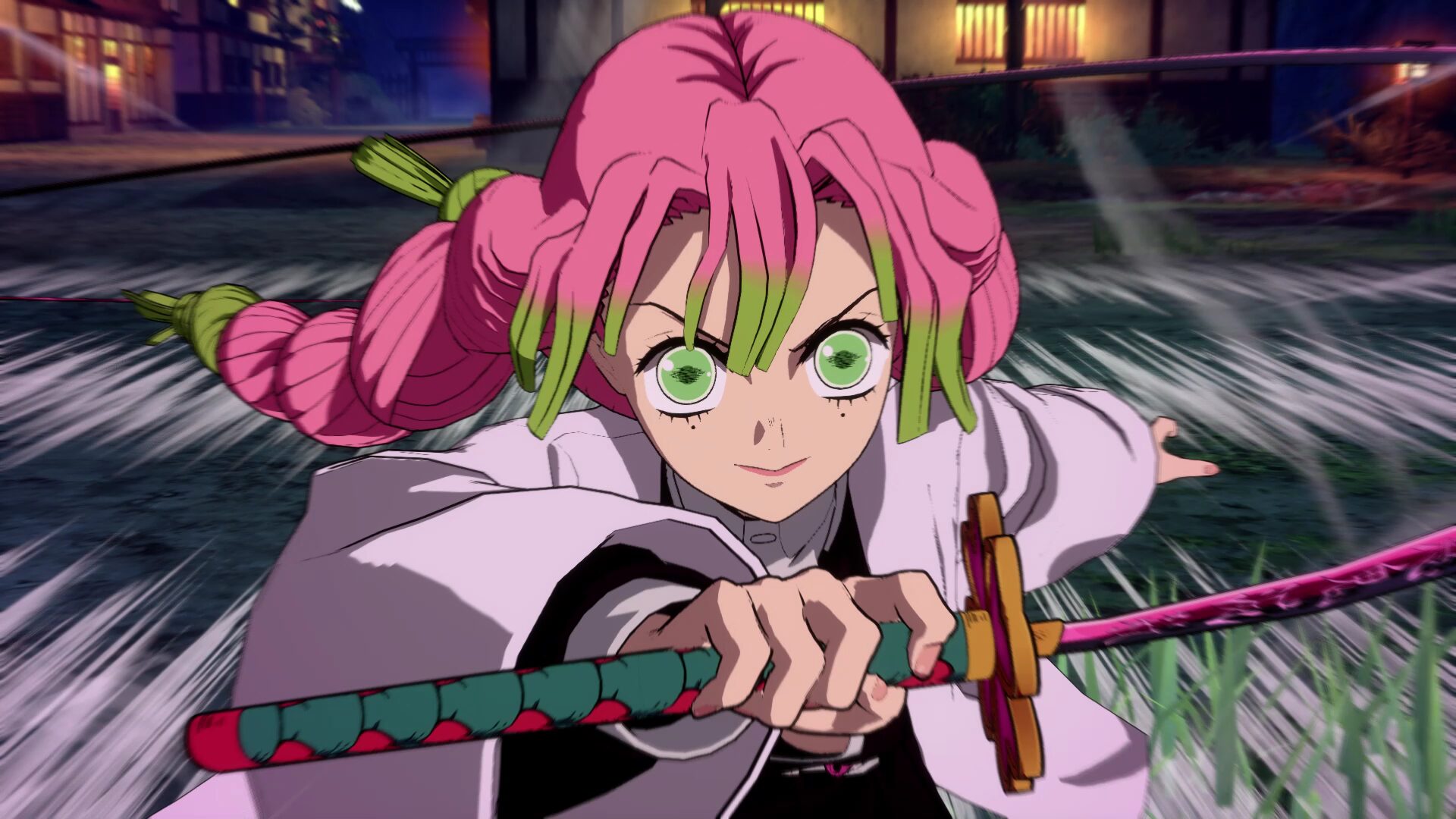
First and foremost is the fact that the first game only gave players an extremely limited number of playable characters right out of the gate, with playing through the story mode being a requirement, among other things, to unlock additional fighters. While there are still fighters to unlock in Hinokami Chronicles 2 the starting roster is actually quite impressive right out of the starting gate with nearly every major leading character, Hashira, and even a number of demons already unlocked and available for play either online or in one of the game’s aforementioned single player modes. Similar to before, every fight is a two on two battle with a primary fighter and an assist in the exception of a few characters that are already pre-assembled as a team and demons that, in most cases, fight solo. These assistants can be called in to perform a special support attack for half of a support meter or pull the player out of a combo attack at the cost of burning a full meter. Thankfully demon characters can do the same on their own, triggering special attacks with their demon gauge or slipping out of a combo with supernatural grace, leaving things somewhat balanced.
As for the actual combat, the bread and butter remains very much the same here and in the cases of characters that have their exact same form, even their combos and special attacks remain the exact same, meaning that a good portion of the roster won’t feel fresh despite this actually being a new game. In general, players are given a standard light combo that differs for every fighter, a skill button that unleashes a variety of skills depending on whether or not it is pressed on its own, with the analog stick tilted, or performed out of a guard, and even a heavy attack though this time they are performed by attacking out of a guard, making it easier to pull off and less likely to mistakenly throw a heavy attack instead of a light combo string. Defensive options come in the form of simple blocks, parries, and straight up dodging as well as aforementioned assist help to pull the player out of a dangerous combo string. Similar to the original players will still have a skill gauge to manage depending on how often they want to utilize skills and a meter for that fills as they dish out and take damage that, when filled, can be used to trigger two different actions.
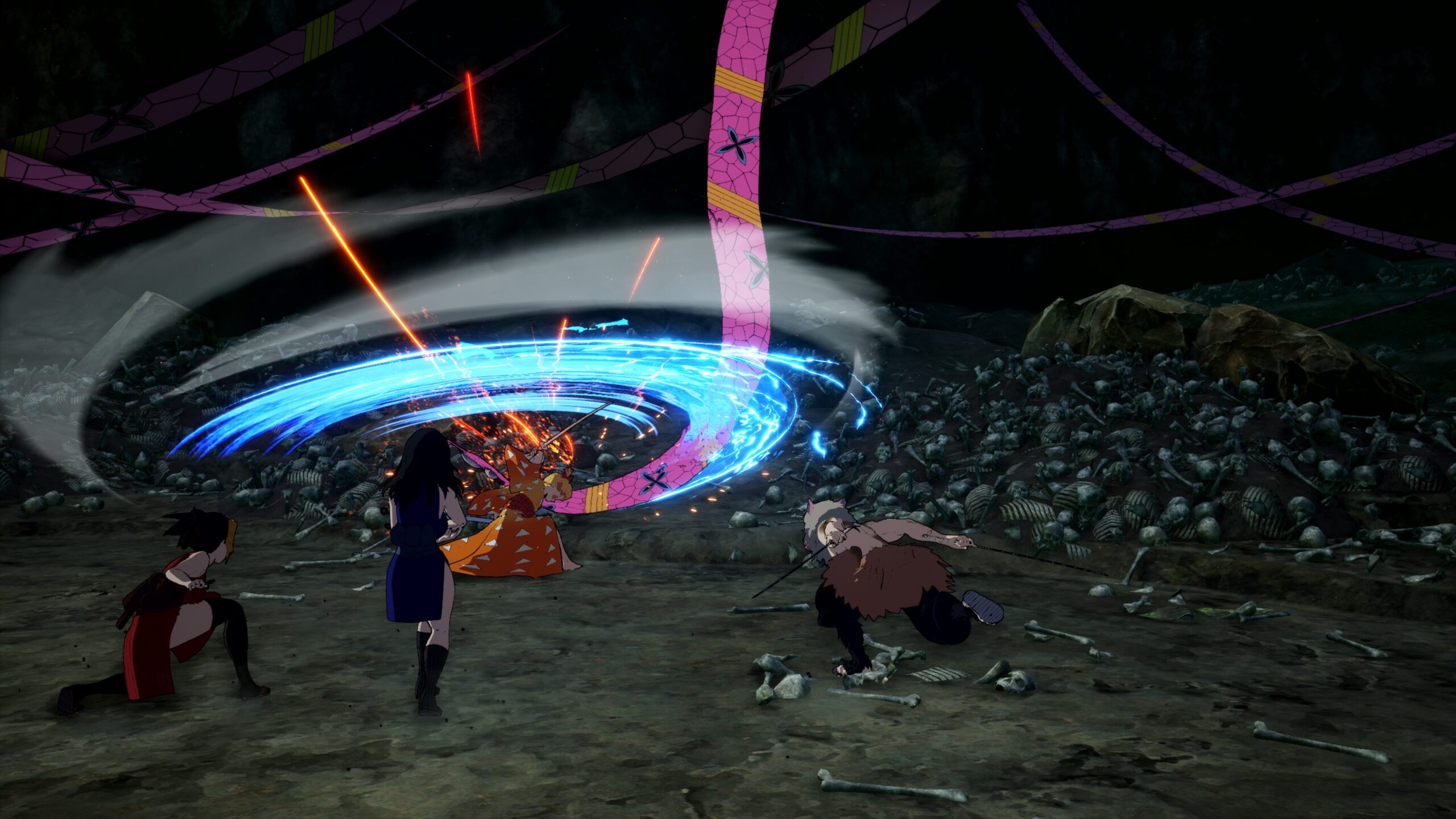
Players can either opt to burst their entire gauge at once by triggering a flashy and powerful “Ultimate Art” that even features a little cutscene flash if used to finish off the opponent or an even stronger “Ascended Ultimate Art” if two gauges are filled, allowing players to potentially trigger unique Ultimates depending on if their partnered characters have special combos or just straight up dealing extra damage if not. The other way to utilize this meter is to enter a boosted state. While boosted characters move faster, hit harder, and have an extended basic combo that has its own little finisher every time it strikes. Anytime in boost mode players can activate “Surge” which burns through the meter even faster but allows for an unlimited use of skills to potentially put a tough foe away for good.
As mentioned, this style of combat is simplistic but deep and mastering when to activate specials, gauging the range of attacks and when to dodge or block, or even grab an opponent that is going for a charged blow, is all part of the challenge of figuring out how to best play a character you’ve taken a shine to. Alongside the story mode, which we will discuss in a moment, the single player options available are expanded in the form of the standard versus mode, a timed survival mode against a set number of opponents or straight up survival to see how long players can make it, to a roguelike “Training Path” mode. This training path allows players to select a difficulty level and a Hashira they wish to “train” under that they will ultimately face off against in the end. Along the way the player’s chosen duo or even single fighter will fight their way across a board with rewards such as gaining an attack or defense boost if players win with 50% of their health remaining or landing an ultimate attack. These boosts are one-off uses during fights and can be either saved to challenge the Hashira at the end or against a particularly rough looking opponent. This little bit of randomization and unique way to pit enemies against the player makes for some interesting combinations that will keep players coming back for more, even as single player content.
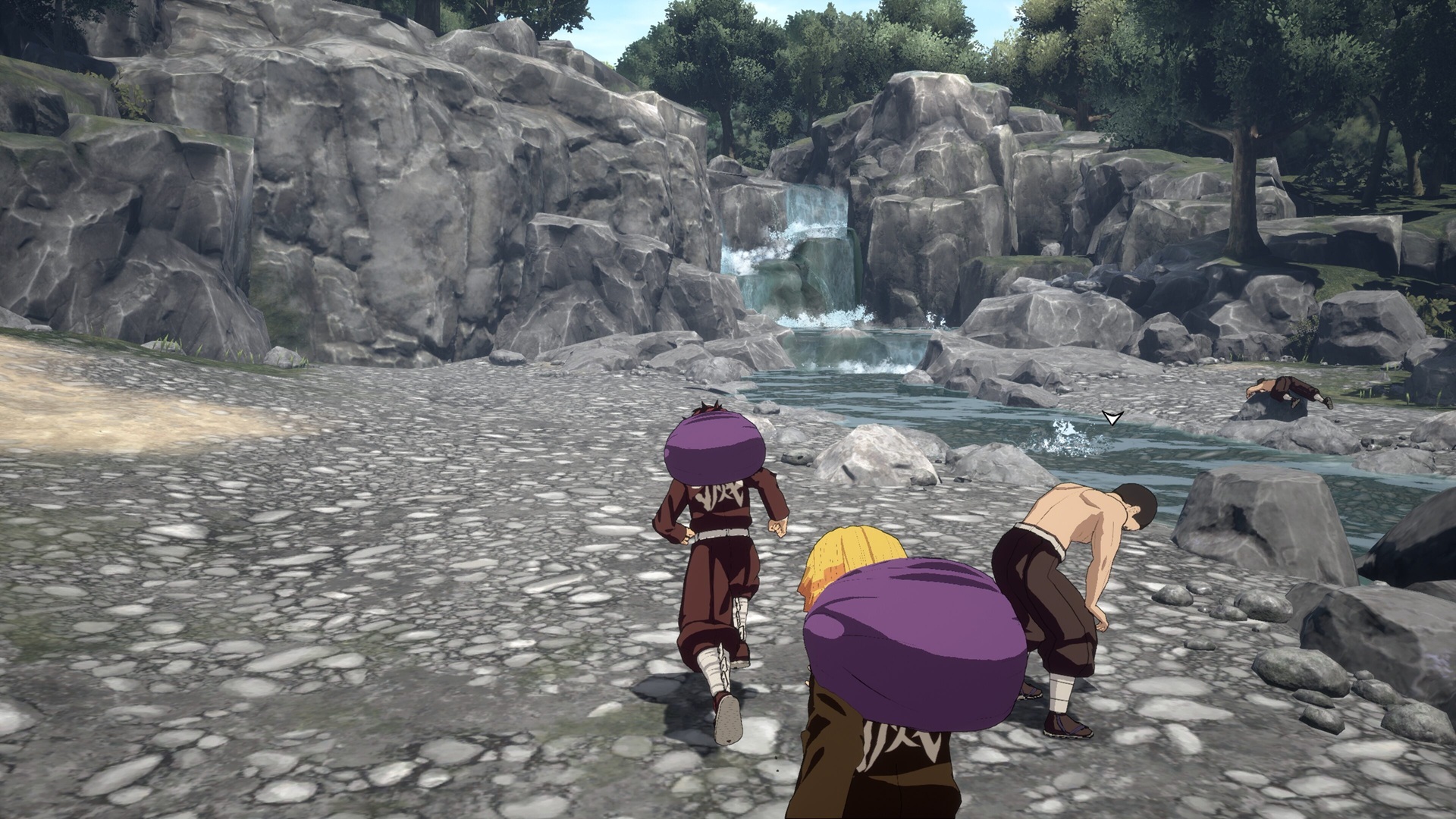
As for the story mode, where players will spend most of their time, at least until they complete it of course, the players will be treated to a visual feast as the story is broken down between bombastic fights against demons unlike anything they would face in a Vs. match or even completely unique to the story mode demons with interspersed wandering around moments and even mini-games mixed between. These mini-games are simple but enjoyable though players can choose to ramp up the difficulty of them after completing them the first time should they wish. As for the exploration, it is far better this time around as not only can players actually run, jump, and climb around to navigate areas quicker, there are side-quests and even sometimes demons to fight as well as the various collectables scattered throughout and Kimetsu Points players can use in the shop to buy “gear” which can be equipped to provide minimal boosts, characters, costume unlocks, and random aesthetics. As mentioned earlier, side-quests also spring up here and there and there during these open roam moments and players are almost always warned of when they might trigger a scene that’ll end exploration, so players shouldn’t have to worry about missing out on something but even if they do, an easy chapter access is readily available.
As for the game’s online mode, it is… serviceable at best and unfortunately nothing special. The characters themselves are hardly balanced given this is an arena fighter and all. The actual choice of fighting online is slim as well, ranging from ranked matches, player matches, and room matches where players can invite friends. These online fights ran well enough from what we tested out but whether or not players will actually find much longevity here compared to just enjoying the randomly generated challenges of the Training Path mode is a hard sell, surprisingly making the single player content for Hinokami Chronicles 2 more robust than its serviceable online mode.
Audio & Visuals
It is clear that Demon Slayer -Kimetsu no Yaiba- The Hinokami Chronicles 2 benefits from the onset simply by being a sequel as the in-game character models are as on-design as possible and every character has plenty of flashy special moves and even flashier finishers to unleash. In fact some characters have more than one finisher and, as mentioned before, when teamed with the right partner can pull off an even more outstanding looking finishing move. The demon designs from the series are also handled exceptionally well here and the new and unique demons that appear only within the game match well. It is unfortunate though that all character customization is kept to the “gear” and that’s it. Alternate costumes or simply reskinned versions of the same fighter are handled entirely separately and cannot be customized. In fact the only customizable aspect is the player’s namecard using anime screencaps, logos, and various phrases from the characters.
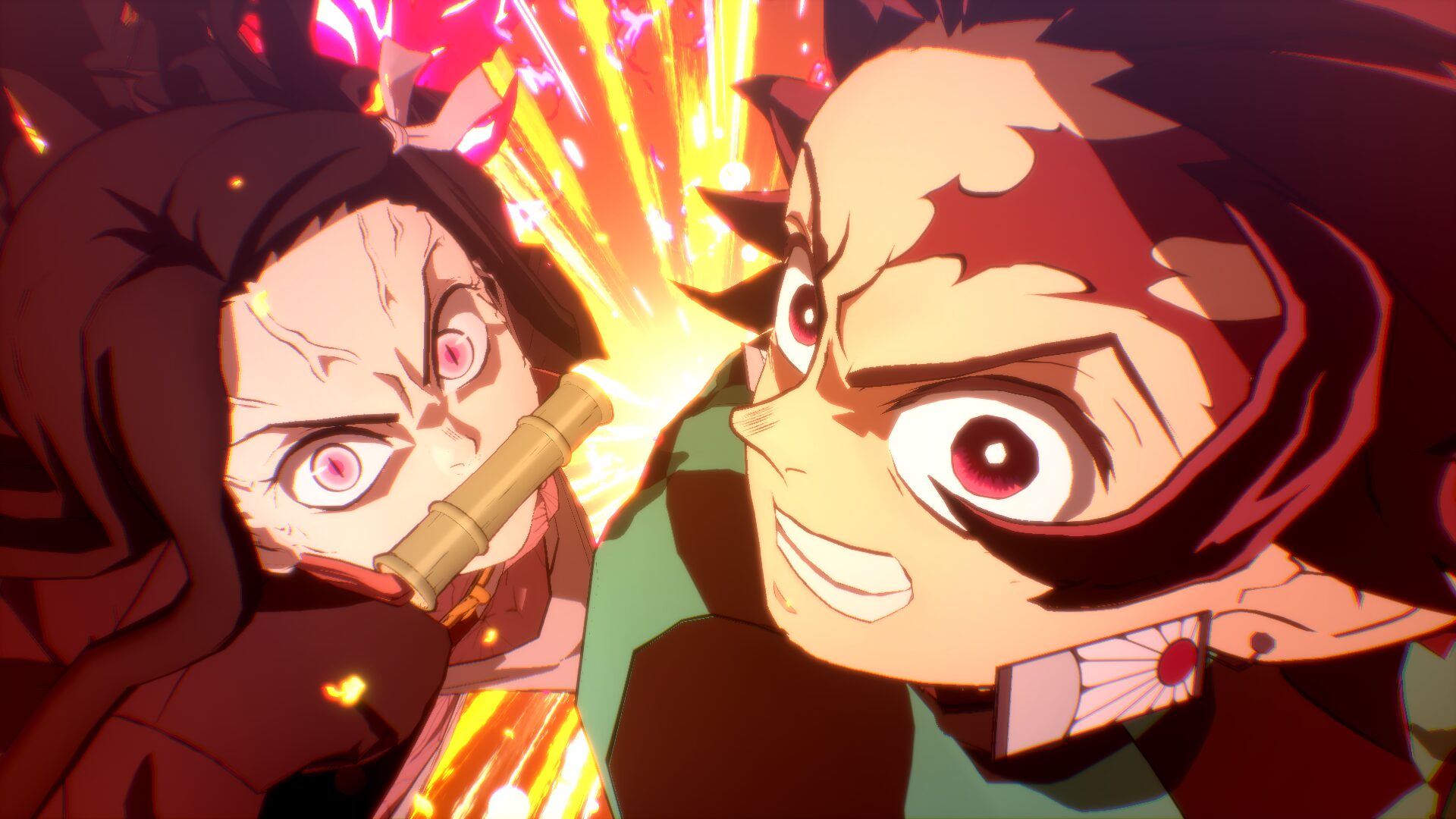
Thankfully the English dub cast for the main franchise has once again returned to reprise their roles or, in many cases, play their roles for the first time in Hinokami Chronicles 2. As such the English dub is handled quite well and fans of the franchise in English will be delighted to hear their favorite characters sound as they remember them while a Japanese voice track is also available for those that prefer that route. The soundtrack for the game features some solid tracks with each environment having its own theme of sorts, but none really stand out in any unique way.
Overall
Demon Slayer -Kimetsu no Yaiba- The Hinokami Chronicles 2 feels like the most direct definition of a sequel as possible. With largely unchanged fighting mechanics that have only seen slight improvements, the only major expansion of content comes in the form of a much greater roster, brand new story content that continues the story arc of the actual franchise, and of course the various expanded single player modes. Again, this is far from a bad thing as seeing an improvement while still experiencing CyberConnect2’s skill in handling the source material in their own way is still a blast in this arena fighter, even if it doesn’t elevate it much beyond that.
Capsule Computers review guidelines can be found here.

